How to Feed Soil and Plants with Worm Compost (Vermicompost)
Worm compost and worm composting with Andrew Huxsel from Vermibec.
Worm Castings
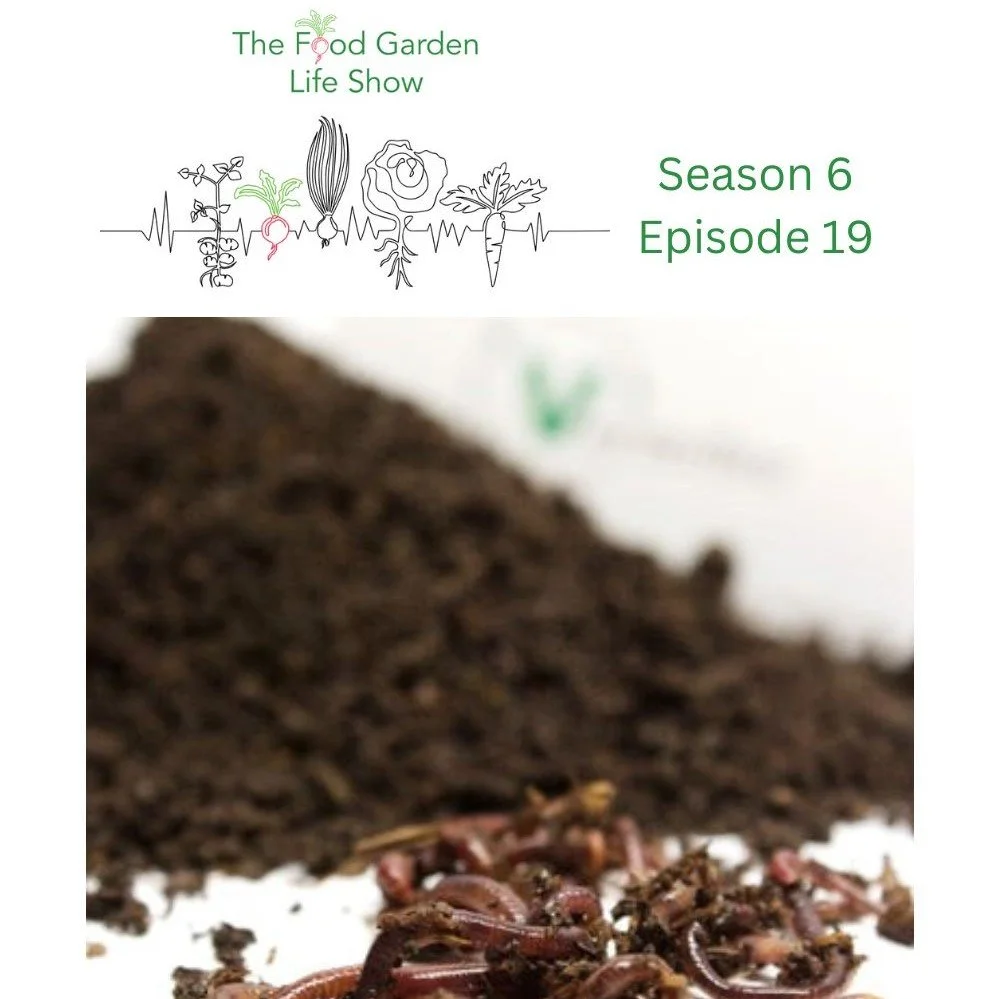
Andrew Huxsel joins us from St Placide, Quebec to tell us about worm composting. Also known as vermicomposting.
Andrew runs Vermicbec, a company that sells worms and worm compost.
We talk about:
How vermicomposting works
Using vermicompost (a.k.a. worm castings or worm wompost)
Large scale vs. home-scale vermicomposting
Top tips for home gardeners wanting to try worm composting (If you’ve tried it and had bug problems, Andrew tells you how to solve the problem)
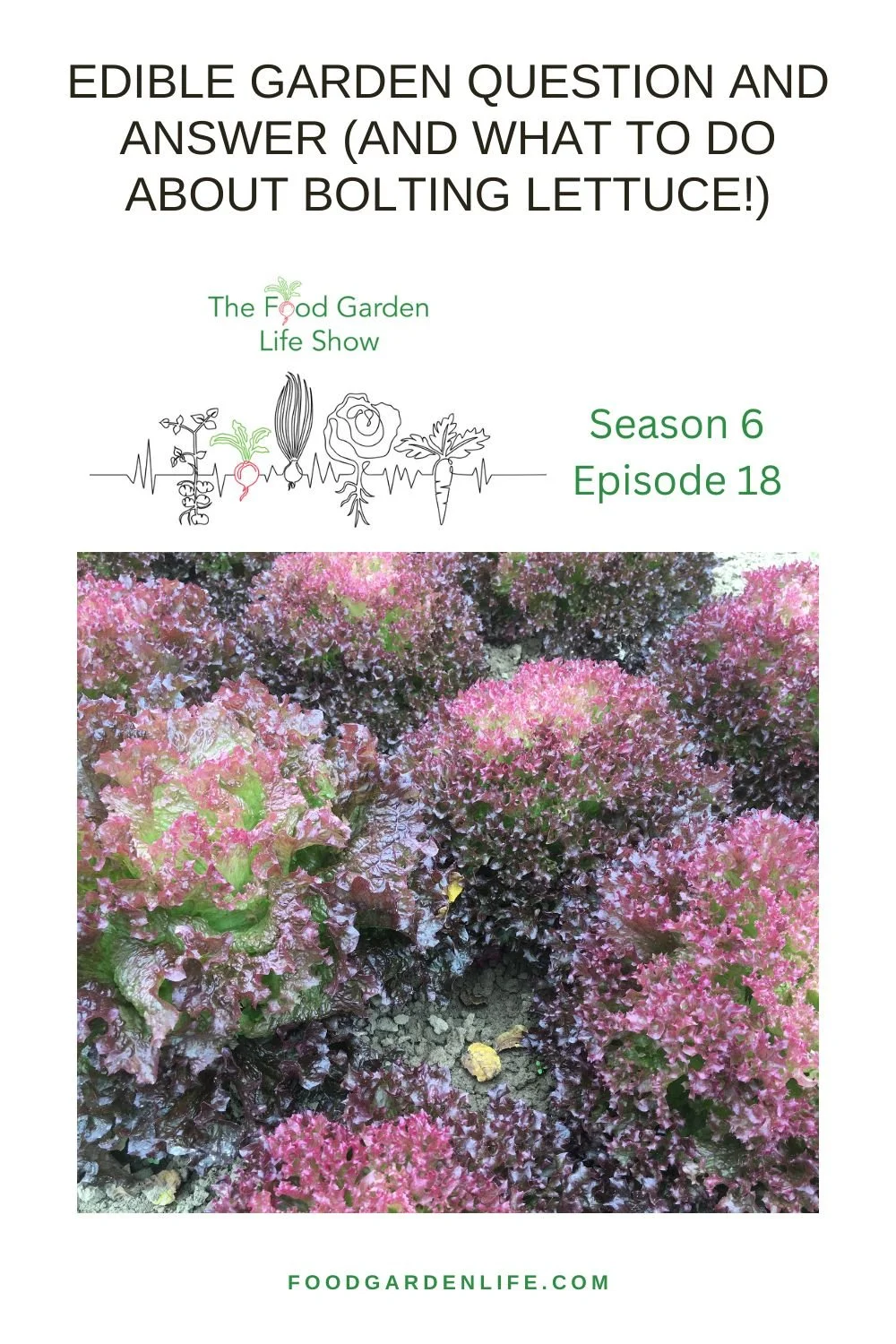
Edible Garden Question and Answer (and what to do about Bolting Lettuce)
Edible garden Q+A. Talking about tomatoes, microgreens, asparagus, lemons, artichoke, bolting lettuce…and squirrels.
Bolting Lettuce, Artichoke, Squirrels, and More!
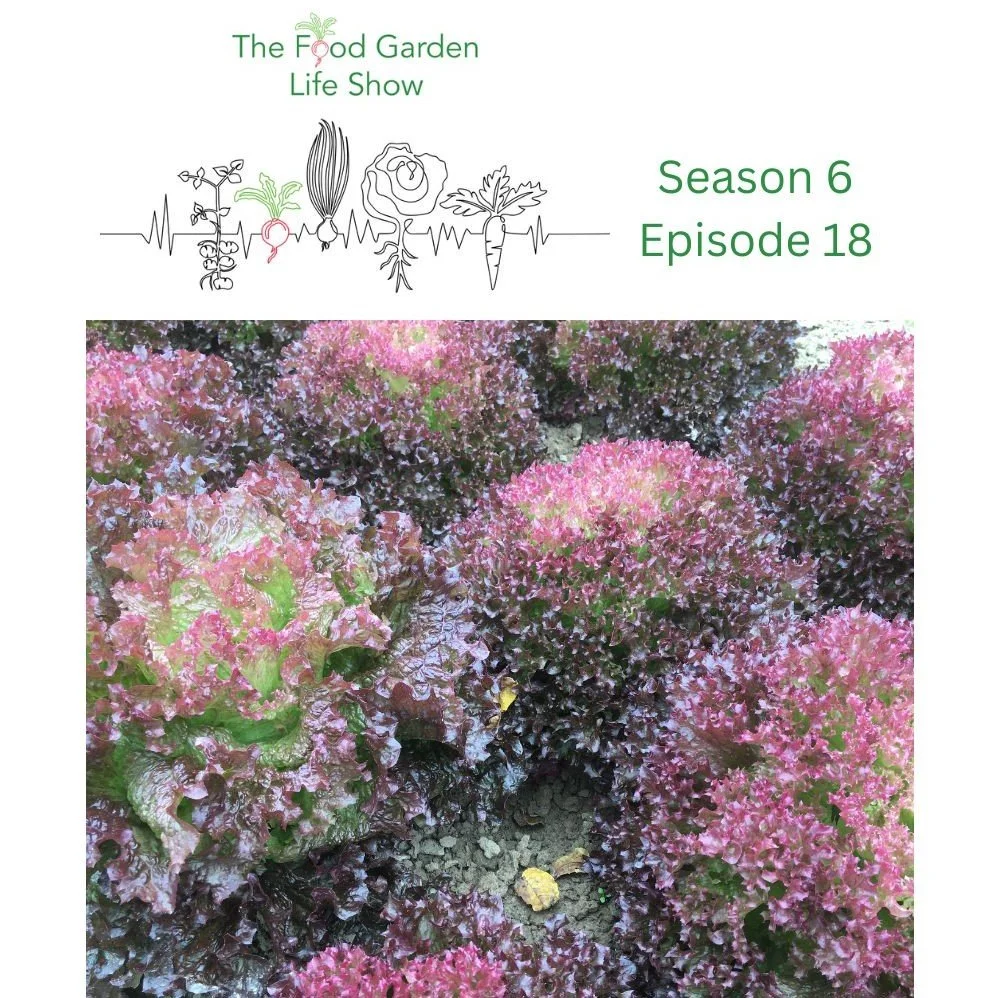
It’s planting season here..and the gardening questions are pouring in.
Here’s the Q + A from our latest live show.
We talk about:
Favourite tomato varieties
Support for tomato plants
Mulch
Asparagus
Microgreens
Lemons
Artichoke
Squirrels
What to do about bolting lettuce
Here’s an article about artichokes: Find out How to Grow Artichoke in Northern Climates
7-Year-Old Certified Farmer Talks About Crops, Kids, and Insects
At 7 years old, Kendall Rae Johnson is the youngest certified farmer in the state of Georgia. She talks about her favourite crops and teaching other kids to grow food.
Youngest Certified Farmer in Georgia
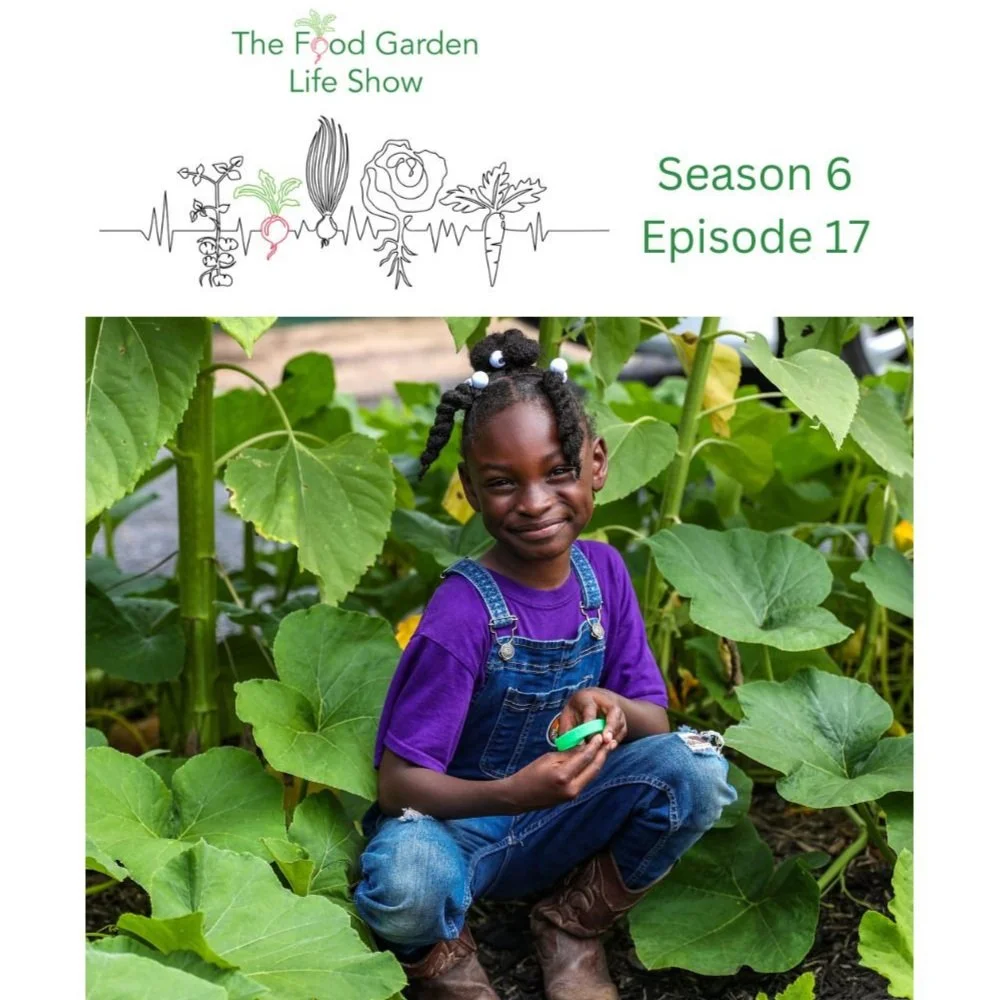
We head to Georgia to chat with 7-year-old Kendall Rae Johnson and her mom, Ursula.
Kendall is the youngest certified farmer in the state of Georgia.
At her aGROWKulture Farm she grows her favourite crops and teaches other kids about gardening.
Kendall has been on Good Morning America, The Ellen Show, and Sesame Street.
Our own connection with Kendall is that we’re fans of the organization KidsGardening.. Emma and Kendall were both involved in an event that KidsGardening hosted last year.

Kendall’s new book is I’m Growing Places.

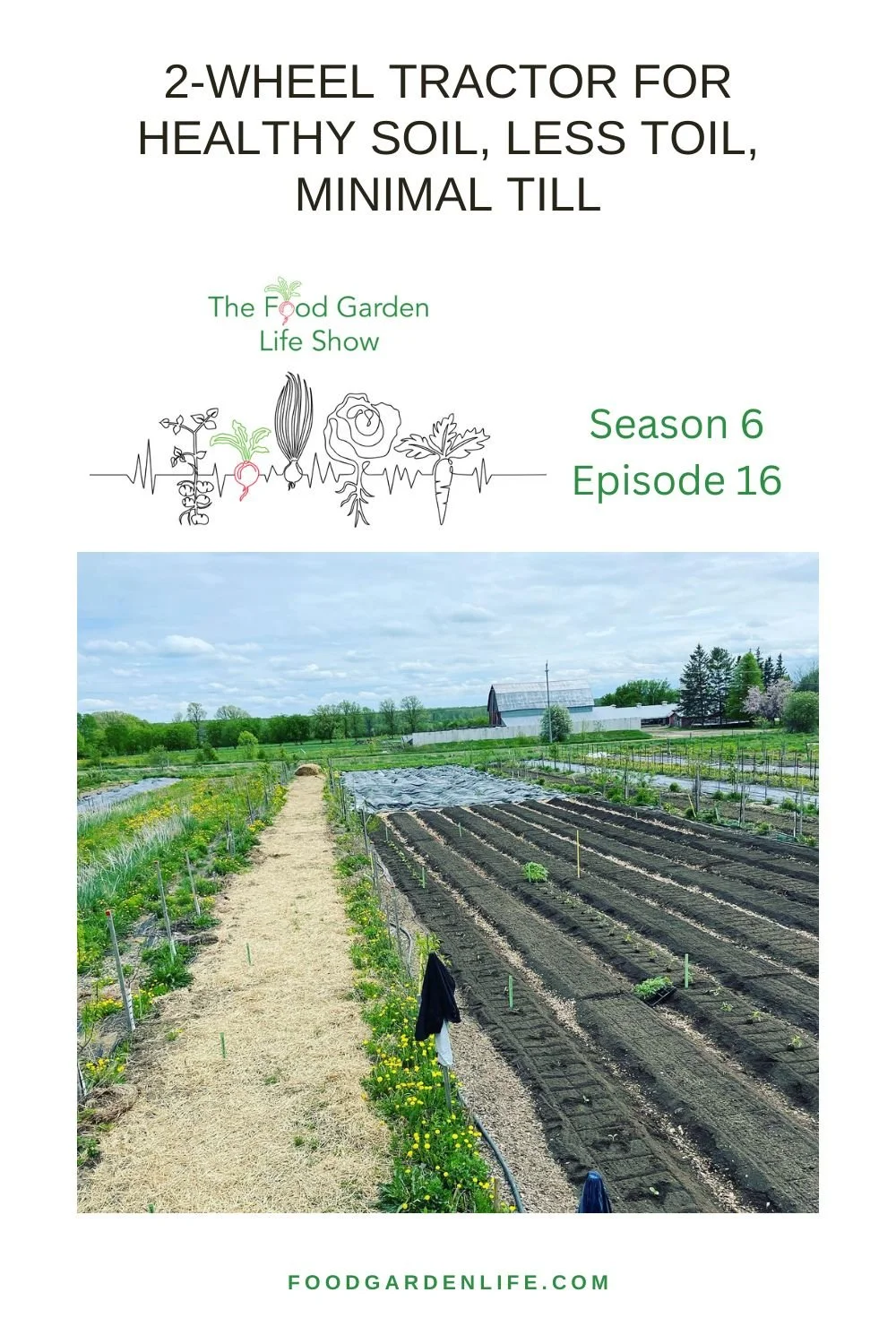
Equipment for Healthy Soil, Less Toil, Minimal Till (and no more Rototiller!)
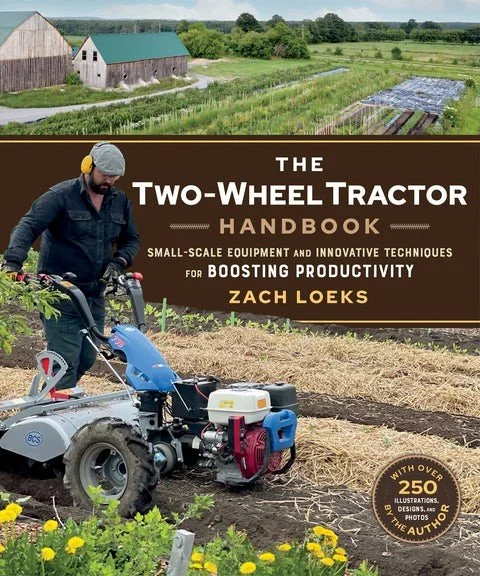
Zach Loeks on a versatile piece of equipment for gardens, market gardens, and building edible landscapes: The 2-wheel tractor.
2-Wheel Tractor

We chat with Zach Loeks, an educator and grower who specializes in edible ecosystem design.
He talks about the two-wheel tractor, a versatile piece of equipment that he says can be used by backyard gardeners, homesteaders, edible landscapers, and in community gardens.
(If you’re about to skip this episode because you don’t want more equipment…stay a while. Zach has insights into soil and tillage too.)
In this episode we talk about:
A look at the 2-wheel tractor
How it’s different from a rototiller
How home gardeners, landscapers, and homesteaders can use 2-wheel tractors
What can a 2-wheel tractor do beyond tilling (spoiler alert: they can blow snow and bale hay too!)
Earthworks for swales, berms, and beds on contour
Tillage: minimum till vs. no-till
Zach’s books are:
The Permaculture Market Garden
The Edible Ecosystem Solution
The Two-wheel Tractor Handbook.
This Orchard Doesn't Look Like an Orchard (and it's full of Trios!)
Stefan Sobkowiak talks about how to create a permaculture orchard.
Permaculture Orchard
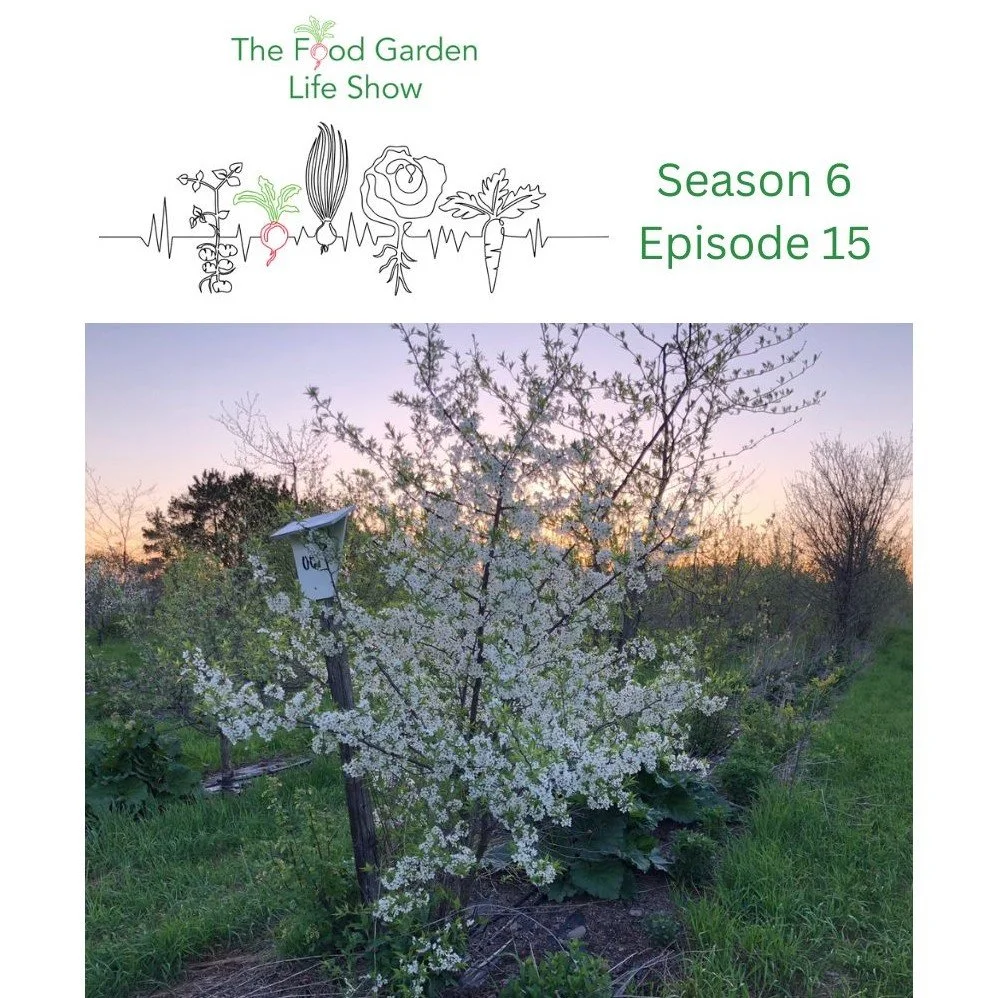
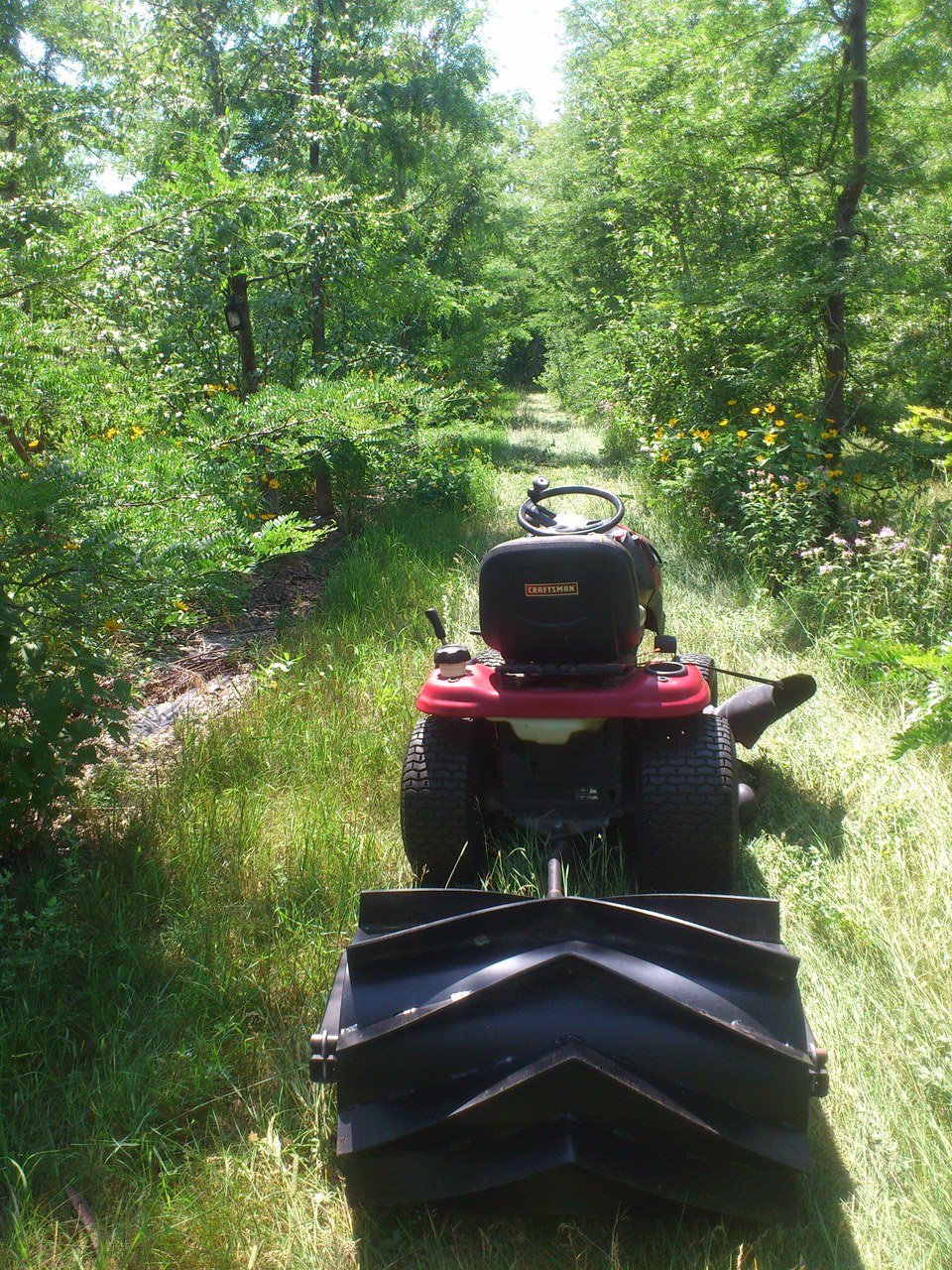
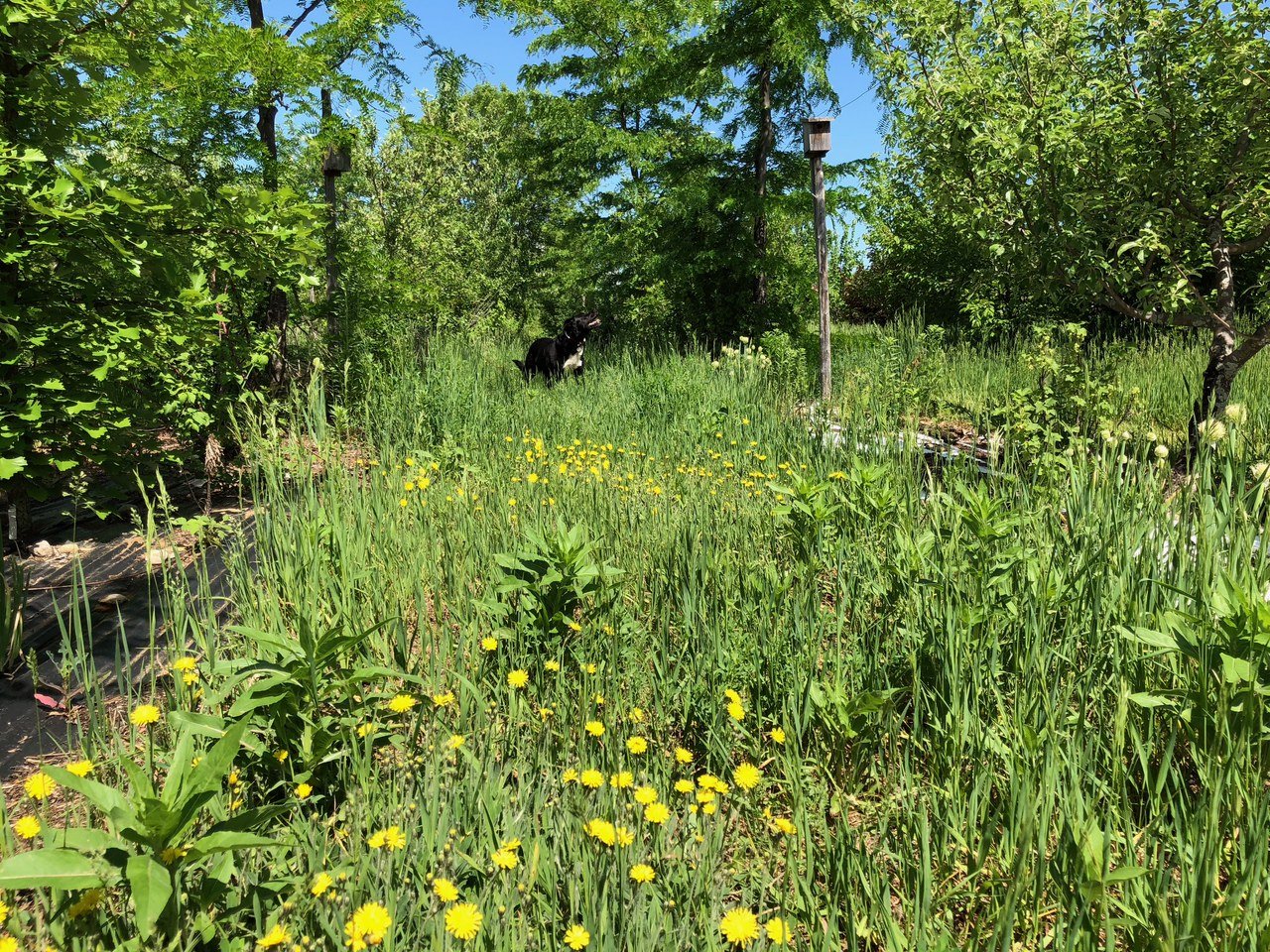
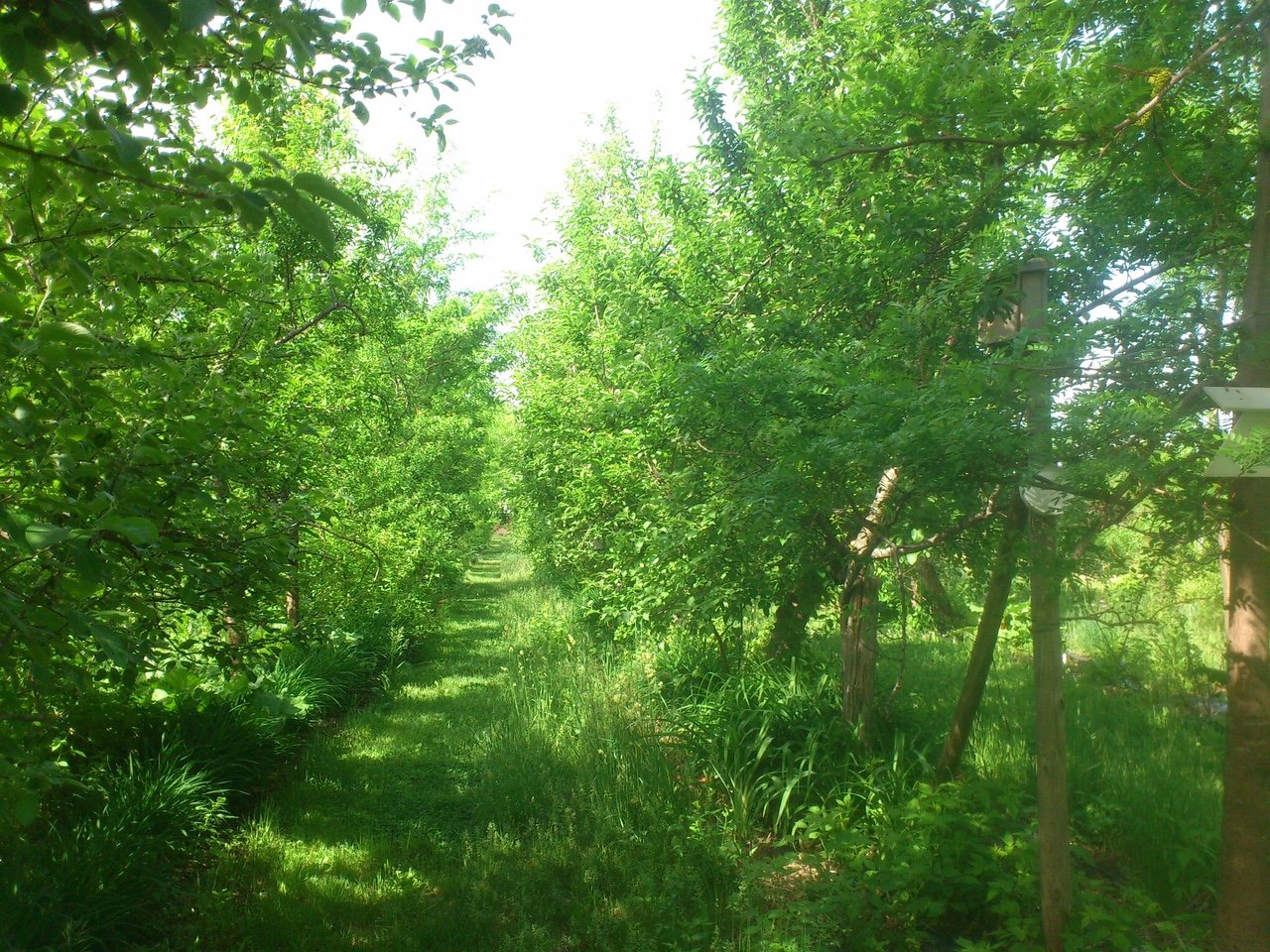
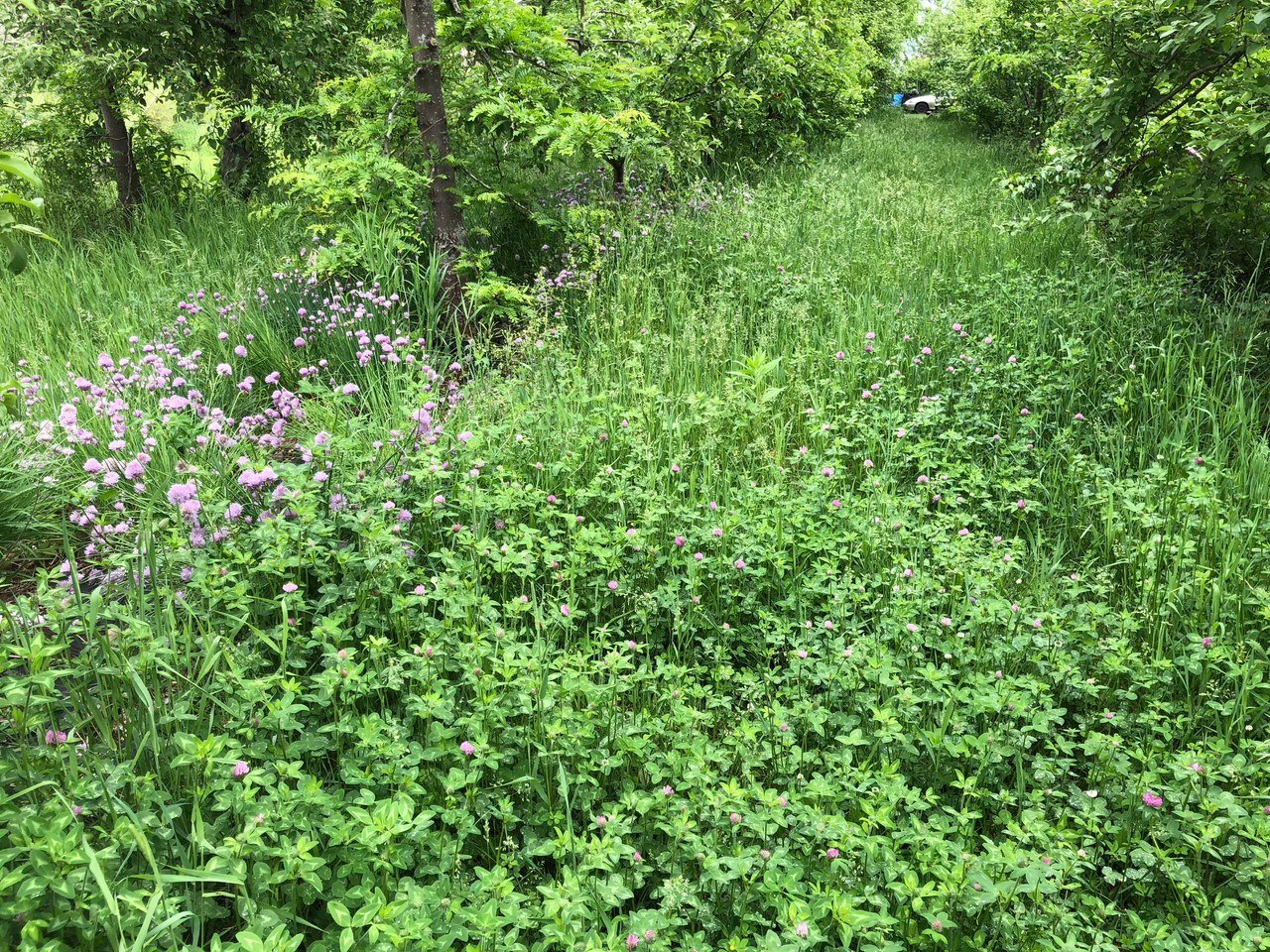
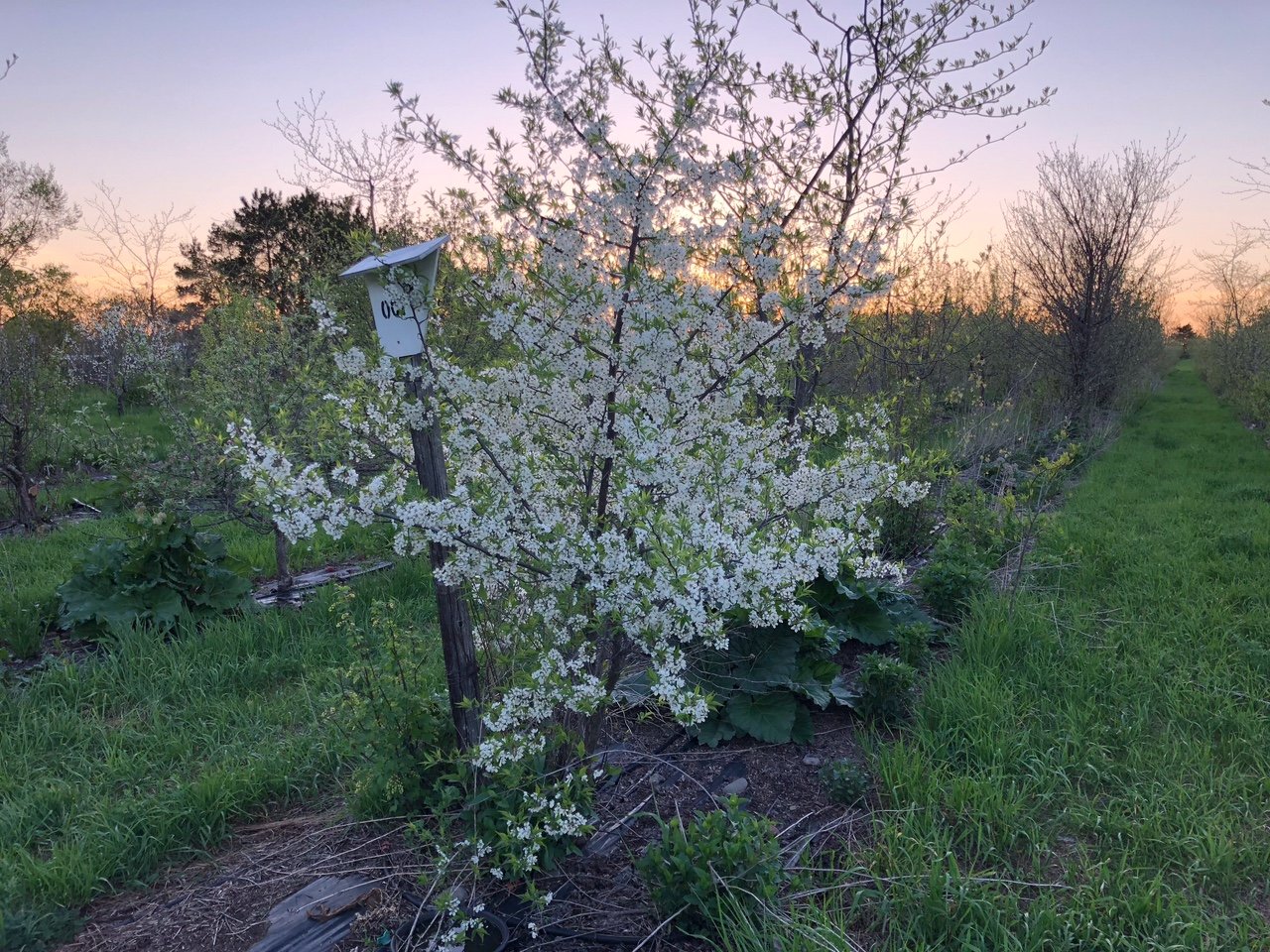
We chat with orchardist Stefan Sobkowiak who replaced an organic apple orchard with a permaculture orchard at Miracle Farms.
“Imagine an orchard that doesn’t look like an orchard.”

Stefan Sobkowiak at Miracle Farms, a permaculture orchard. (Photo by Myriam Baril Tessier)
We talk about:
Why he prefers a permculture planting to a monoculture organic apple orchard
How can an orchard be a permaculture?
The system of “trios” he uses as a basic design unit
Minimizing external inputs
Using sheep in an orchard
Timelines for establishing a permaculture orchard
Using fruiting shrubs under trees
Planting perennial flowers, herbs, and vegetables underneath fruiting shrubs
When it comes to the idea of permaculture, Sobkowiak says, “It’s just applied common sense.”
Kitchen Scrap Gardening: From Avacado to Ginger to Citrus
Talking about kitchen-scrap gardening projects for kids with Em Shipman from Kids Gardening.
Grow What's in Your Kitchen!

In this episode, we head to Vermont and get great ideas for what we can grow right now, in early spring, using what’s in the kitchen.
We talk about kitchen-scrap gardening with Em Shipman, Executive Director at KidsGardening.
Em also tells us about Kids Garden Month, with lots of fun activities and prizes for kids.

Em Shipman, Executive Director of Kids Gardening.
We talk about:
Growing small seeds from the kitchen (e.g. citrus)
Growing large seeds (e.g. mango, avacado)
Growing roots and tubers and rhizomes (e.g. ginger, sweet potato)
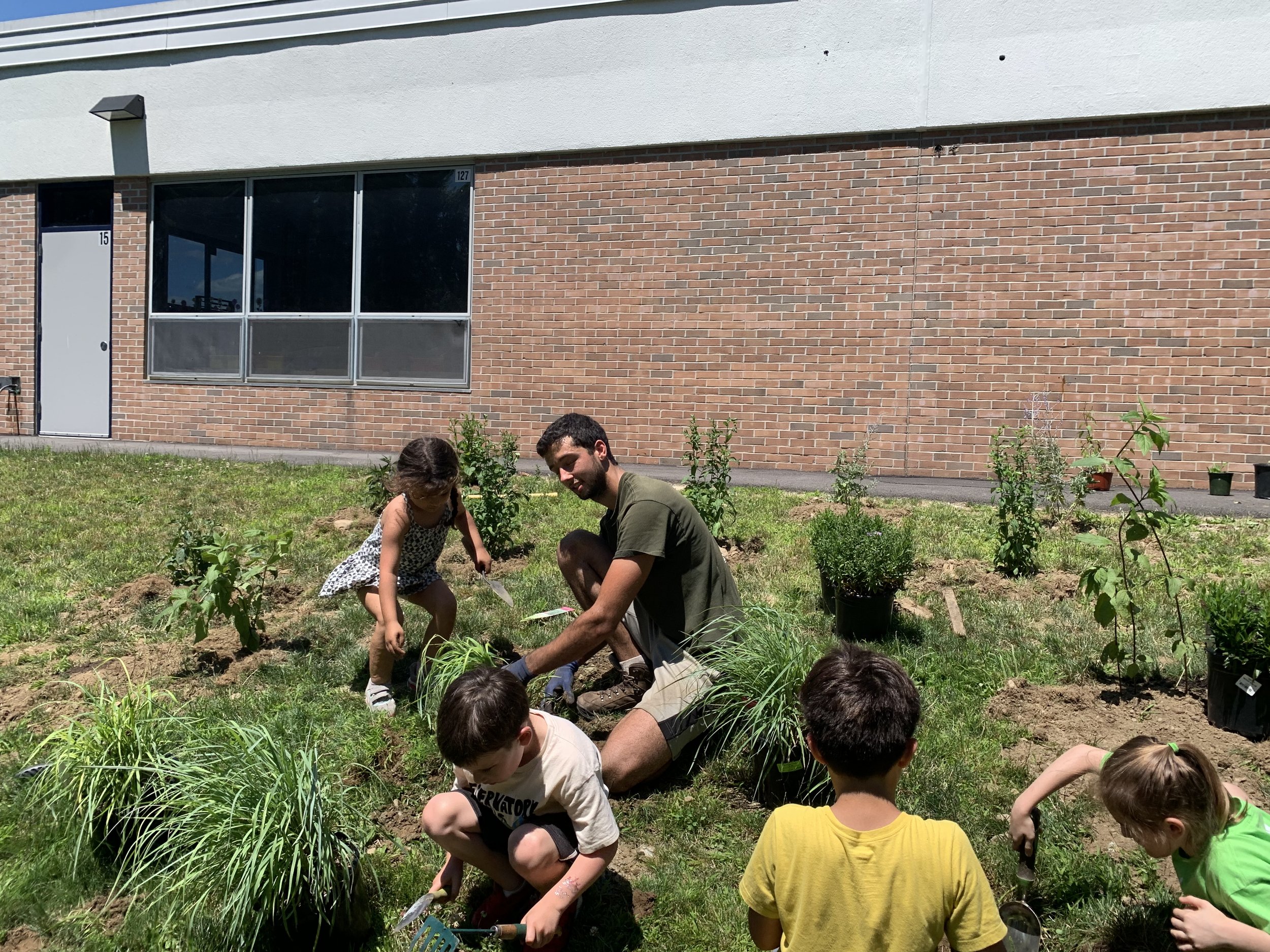
Things for kids to do in the garden in early spring
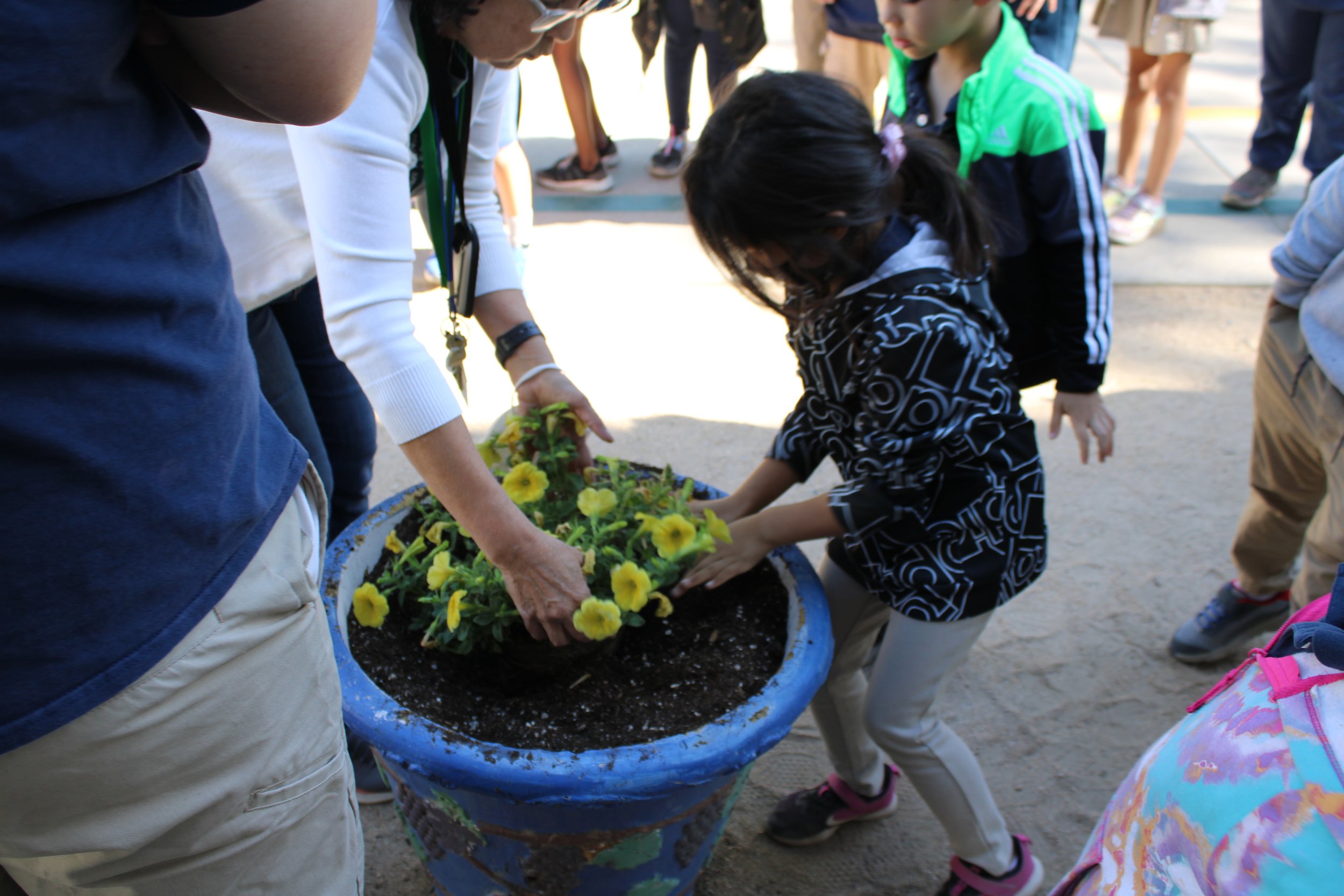
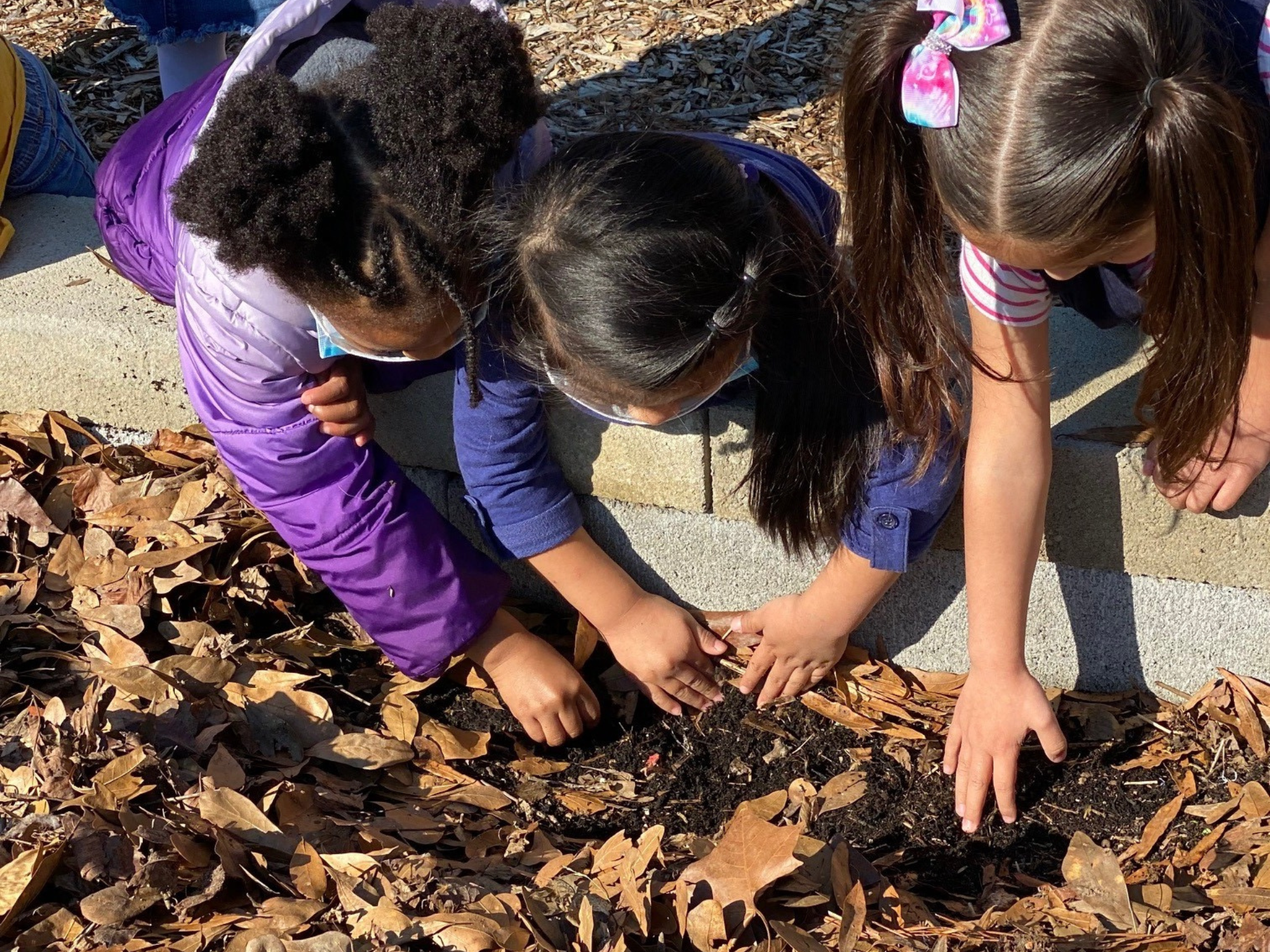
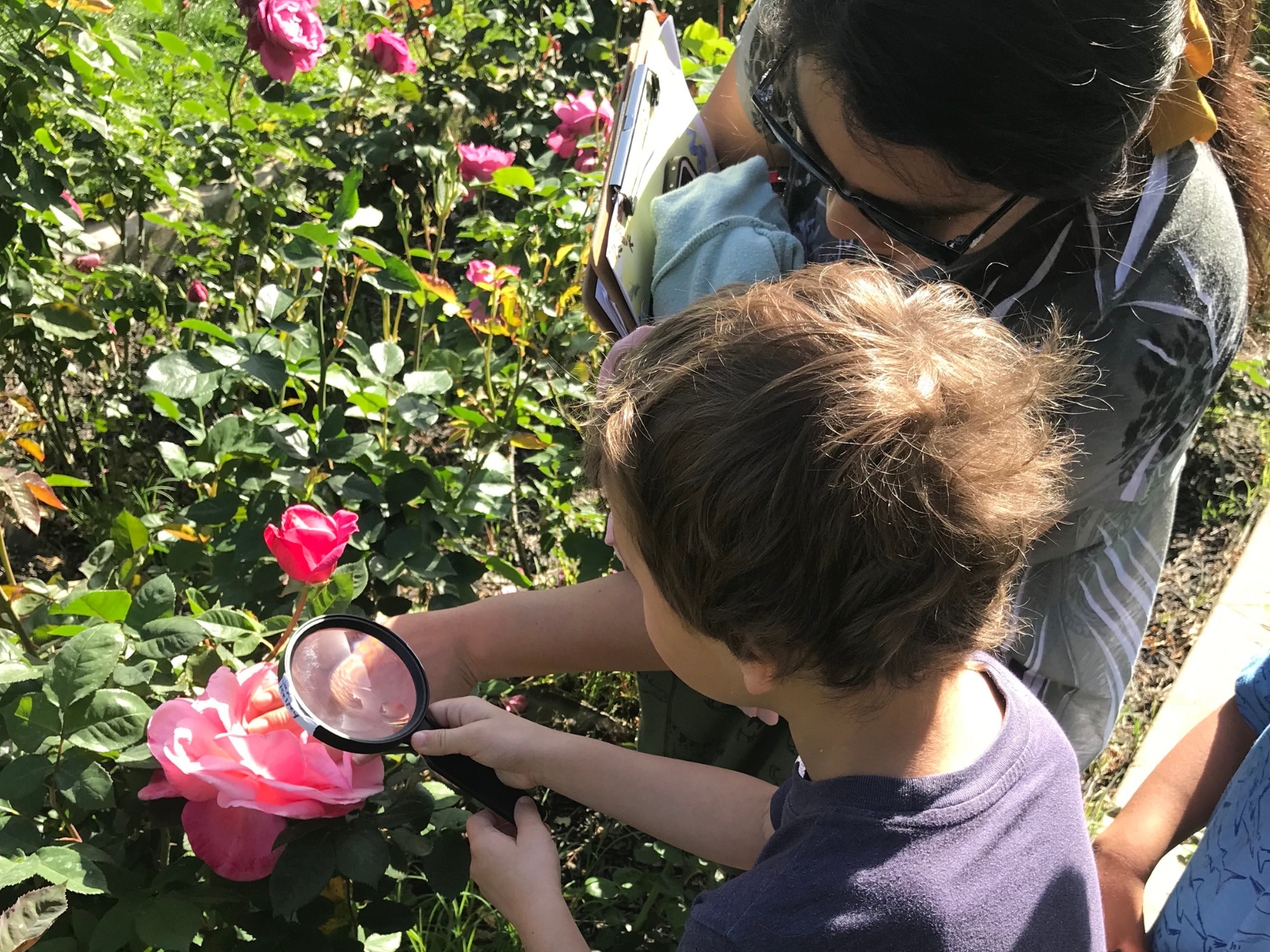

More Kids Gardening Ideas
We have lots of fun kids gardening ideas for you.
Check out our kids gardening section, with plans for a bug vacuum, and Emma’s videos about how to grow crops for kids.
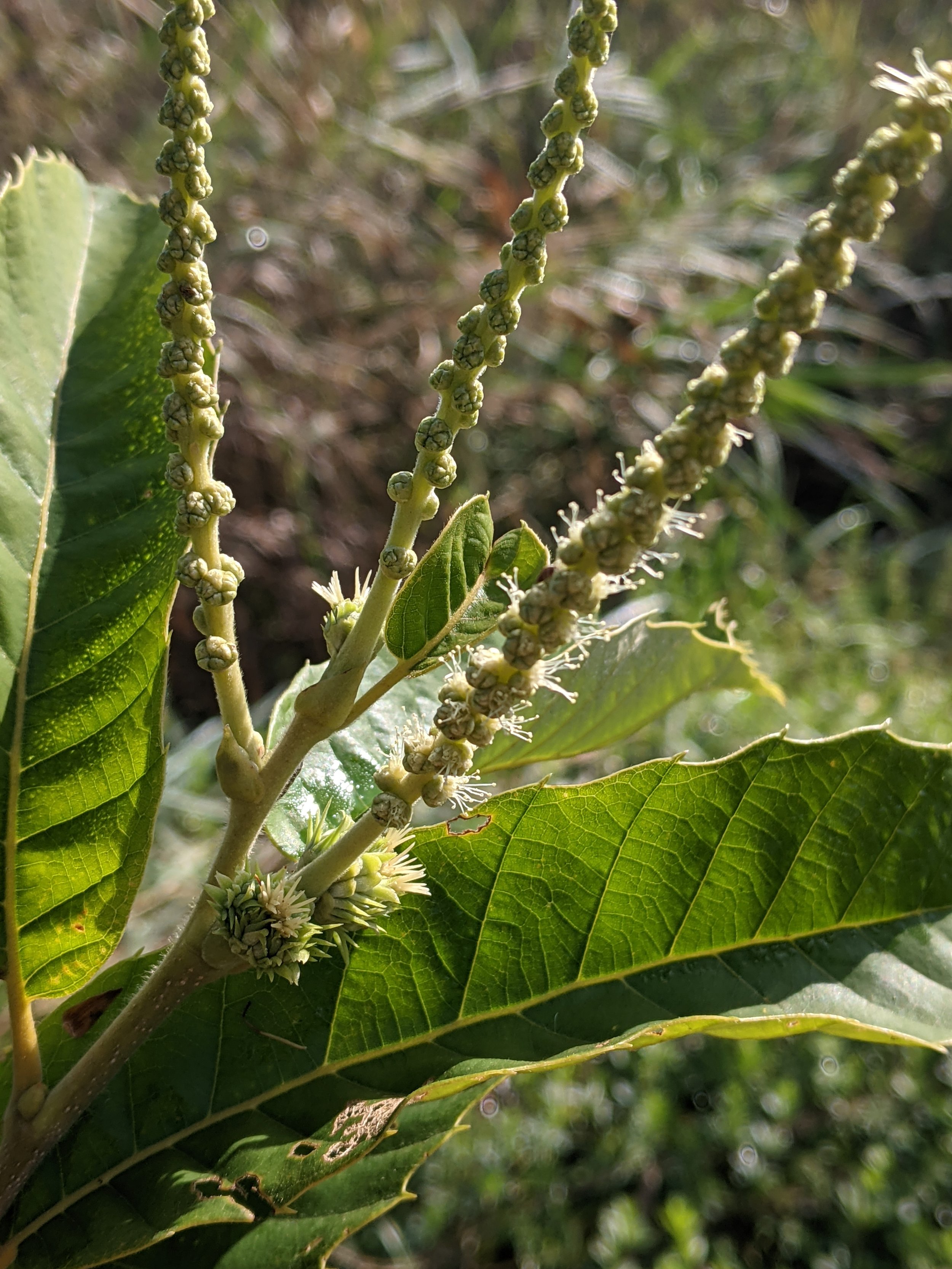
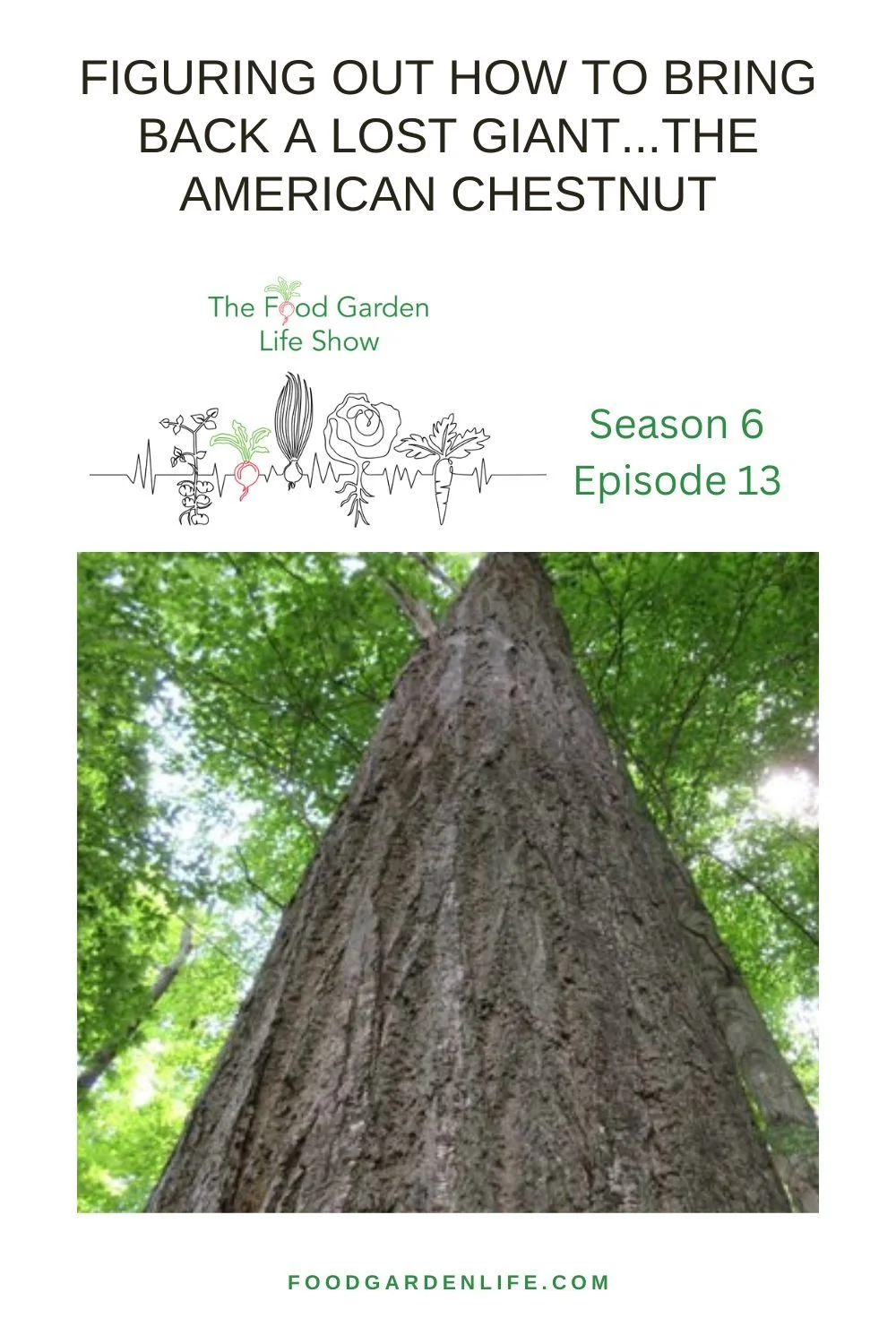
Figuring Out How to Bring Back a Lost Giant...the American Chestnut
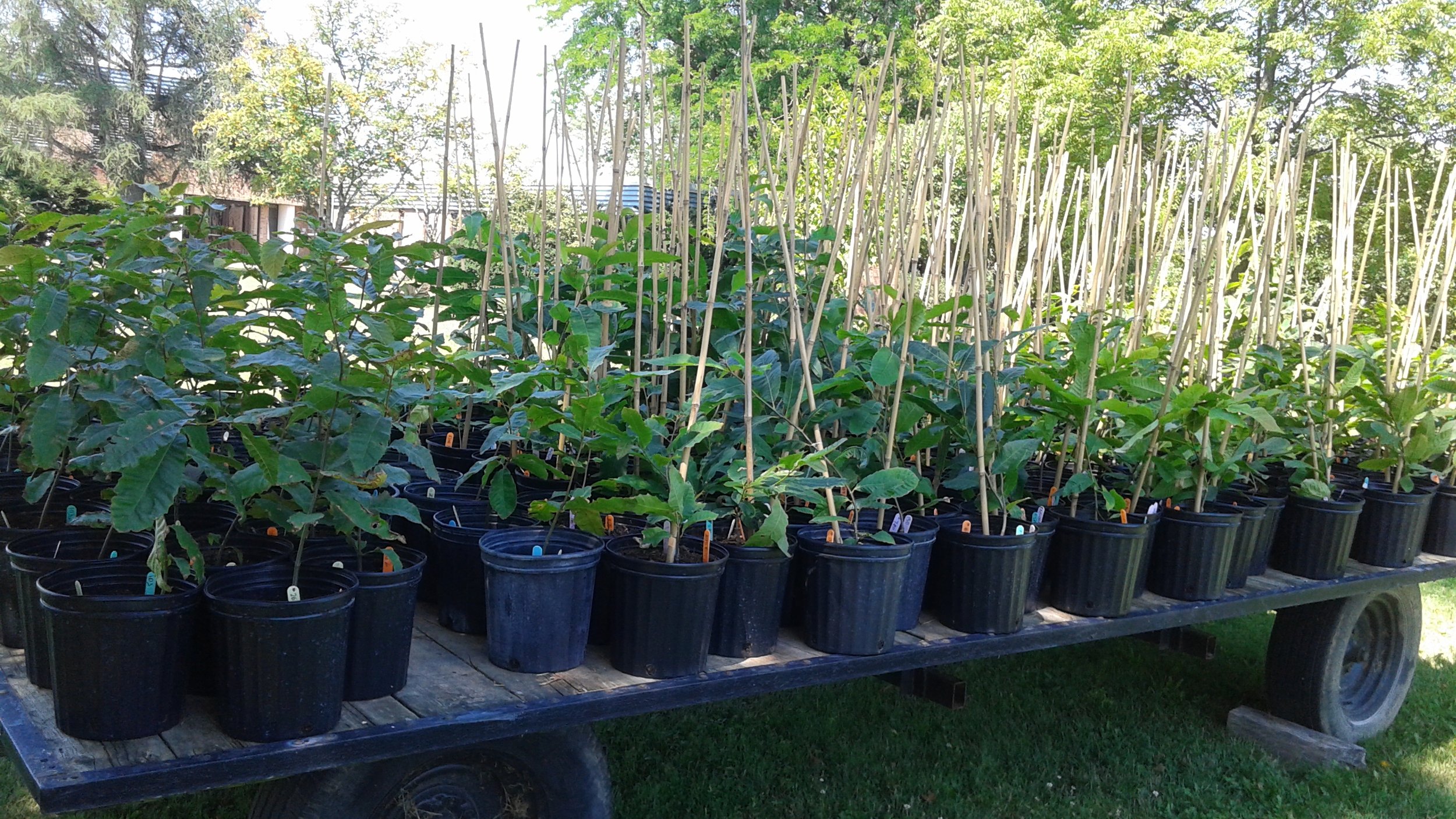
Talking about the American chestnut and breeding disease-resistant varieties with Ron Casier from the Canadian Chestnut Council.
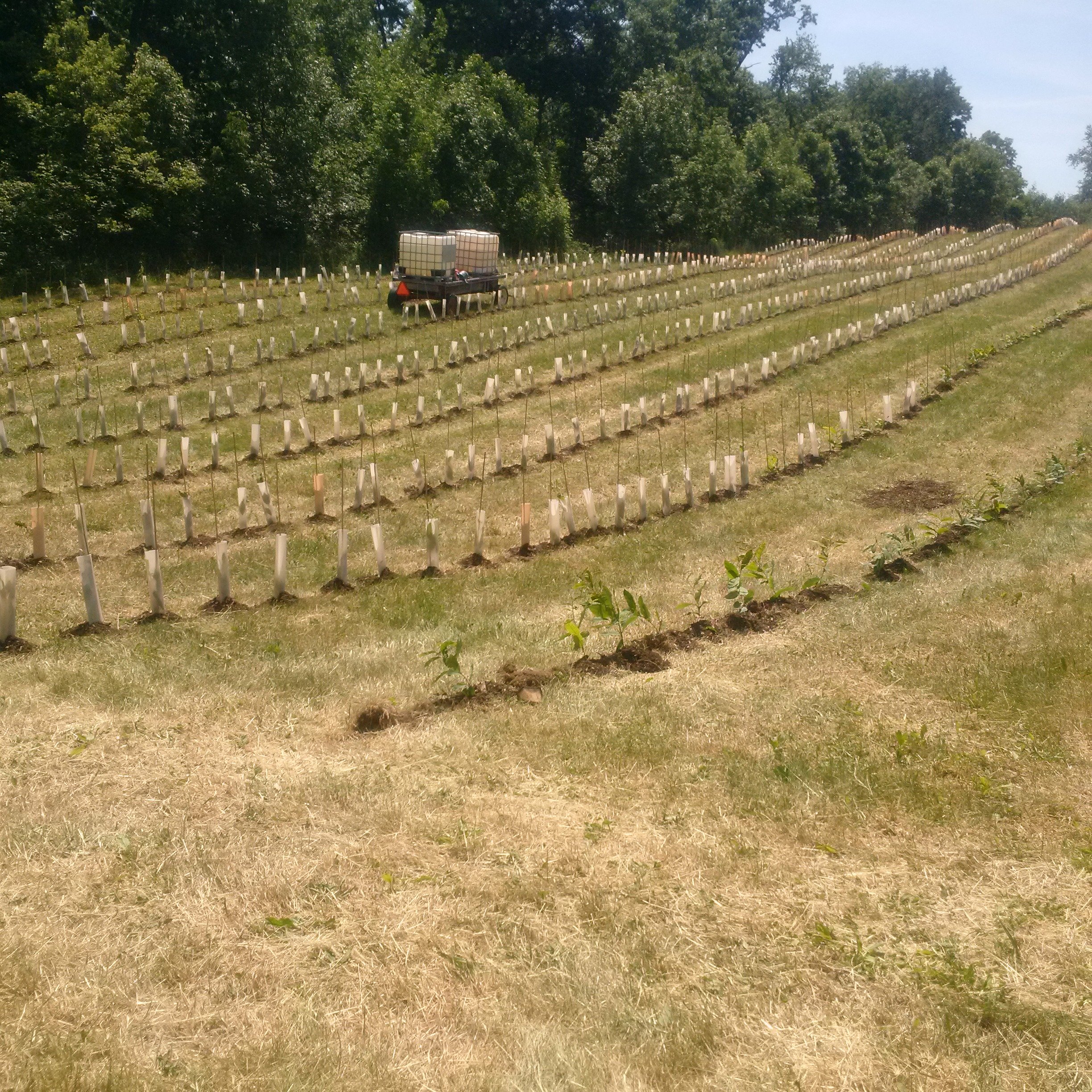
Blight-Resistant American Chestnut in Canada

In this episode, we dig into some history, a sad story – and hope.
All this from a tree that was known as the redwood of the east. A towering tree prized for its wood. A tree pivotal to the forest ecosystem.
And by the 1950s, it was thought to be extinct in Ontario.
But it wasn’t extinct. And it’s not extinct now.
We head to southwestern Ontario to find out what the Canadian Chestnut Council is doing to bring the American chestnut back to the landscape.
Whether you’re a forager, interested in food forests, or want to grow nuts, this is a fun chat.

Our chestnut guide is Ron Casier, chair of the Canadian Chestnut Council.
We talk about:
The American chestnut, and the place it held in the ecosystem
Chestnut blight, and its effect on chestnut populations
The “Canadian” American chestnut
Breeding disease-resistance American chestnut varieties



Afraid of Late Spring Frost? Low-Tech Mini-Tunnels are a Simple Solution
Talking about mini tunnels with expert vegetable gardener Niki Jabbour
Niki Jabbour on how to Make and Use Mini Tunnels
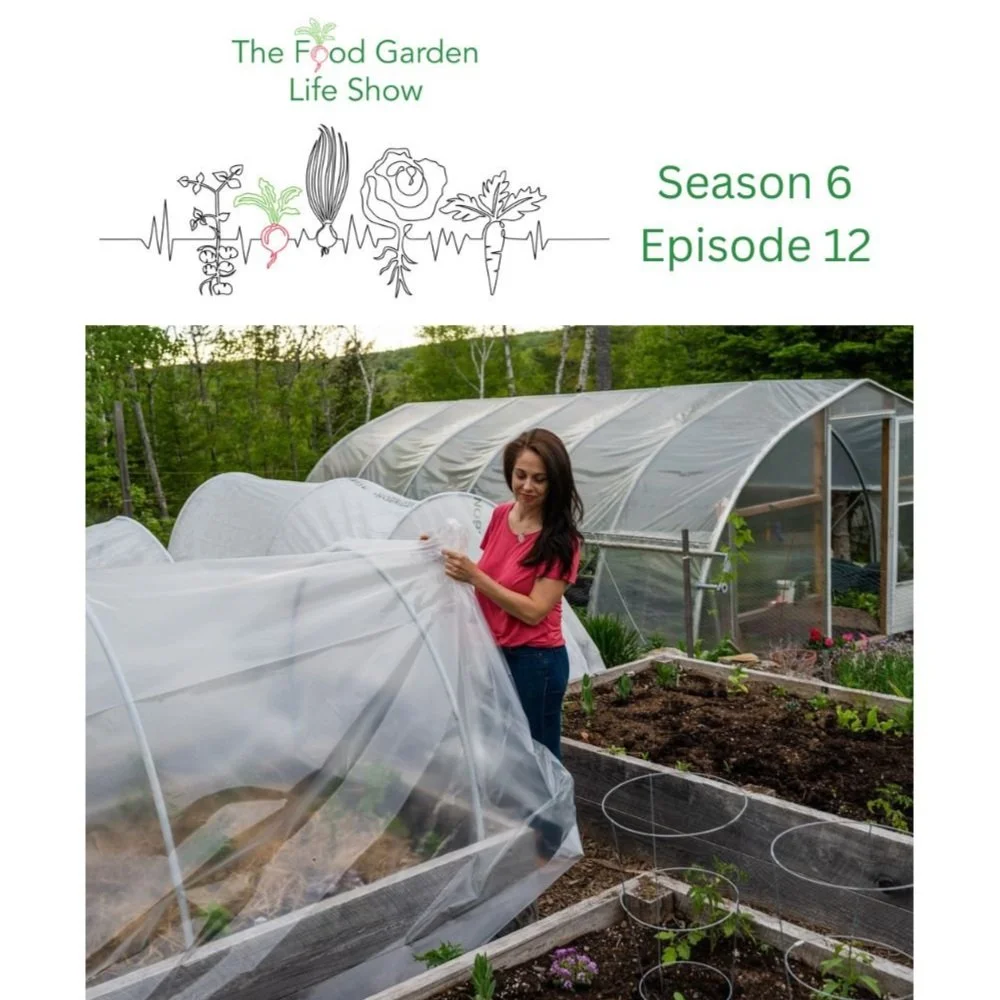
Less frost damage. Fewer bugs. Better growing conditions.
Mini tunnels have lots of advantages, and they're easy to make and use.
For this episode, we head to Nova Scotia to chat with vegetable gardening expert Niki Jabbour about how to make and use mini tunnels.
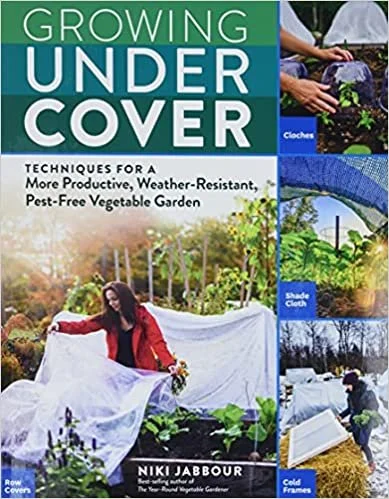
She’s the author of Growing Under Cover: Techniques for a More Productive, Weather-Resistant, Pest-Free Vegetable Garden and the creator of the online course How to Build and Use Mini Hoop Tunnels in the Vegetable Garden.
We talk about:
What mini tunnels are
Mini tunnels and weather
Mini tunnels and pests
Materials to make mini tunnels
Getting an early start in the spring garden
Turbo-charging heat loving crops with mini tunnels
How to Homestead and Live Sustainably in Your Community: Small-Scale Homesteading
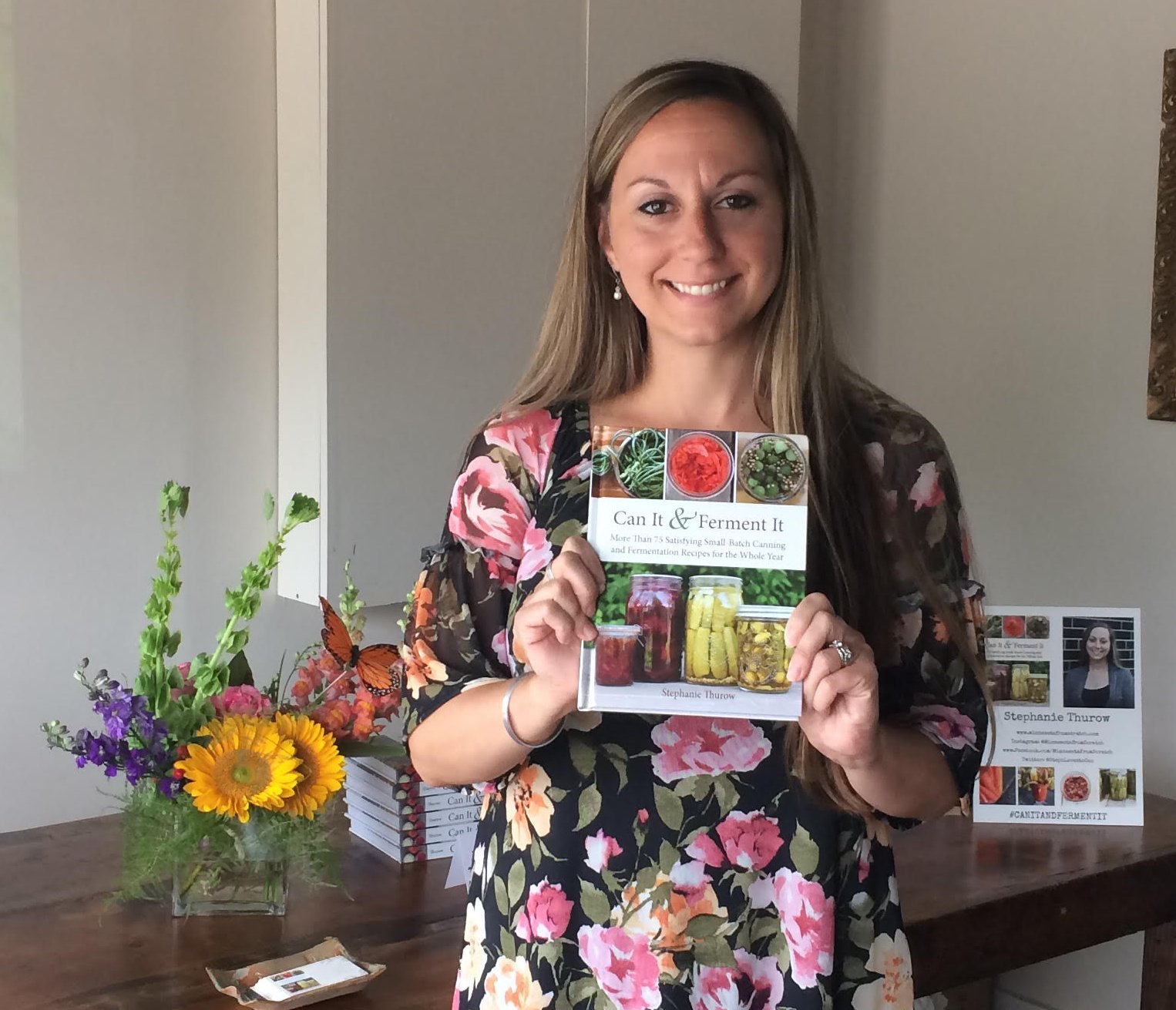
Talking about small-scale homesteads with Michelle Bruhn and Stephanie Thurow.
Small-Scale Homesteading

Homesteading as a State of Mind
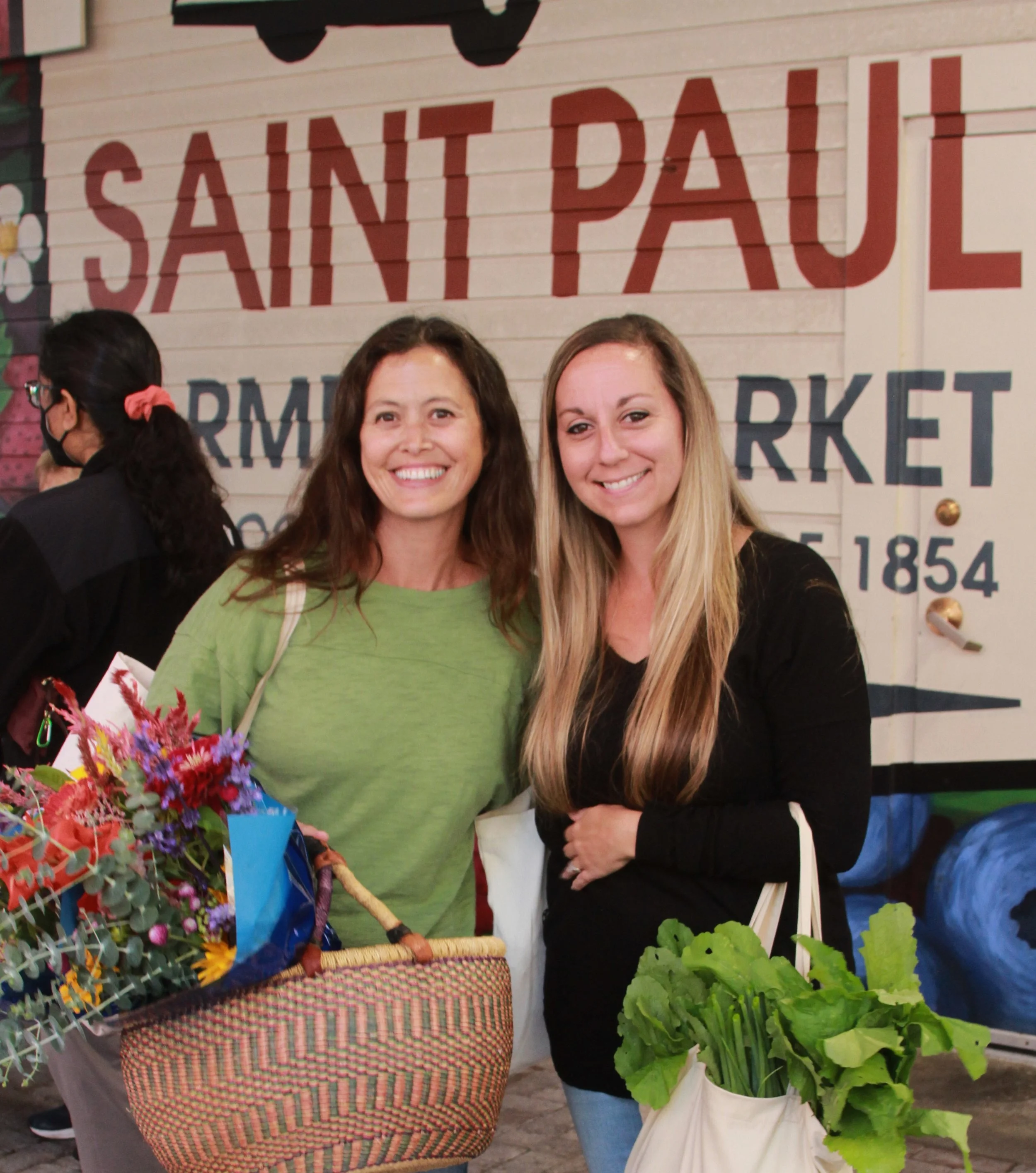
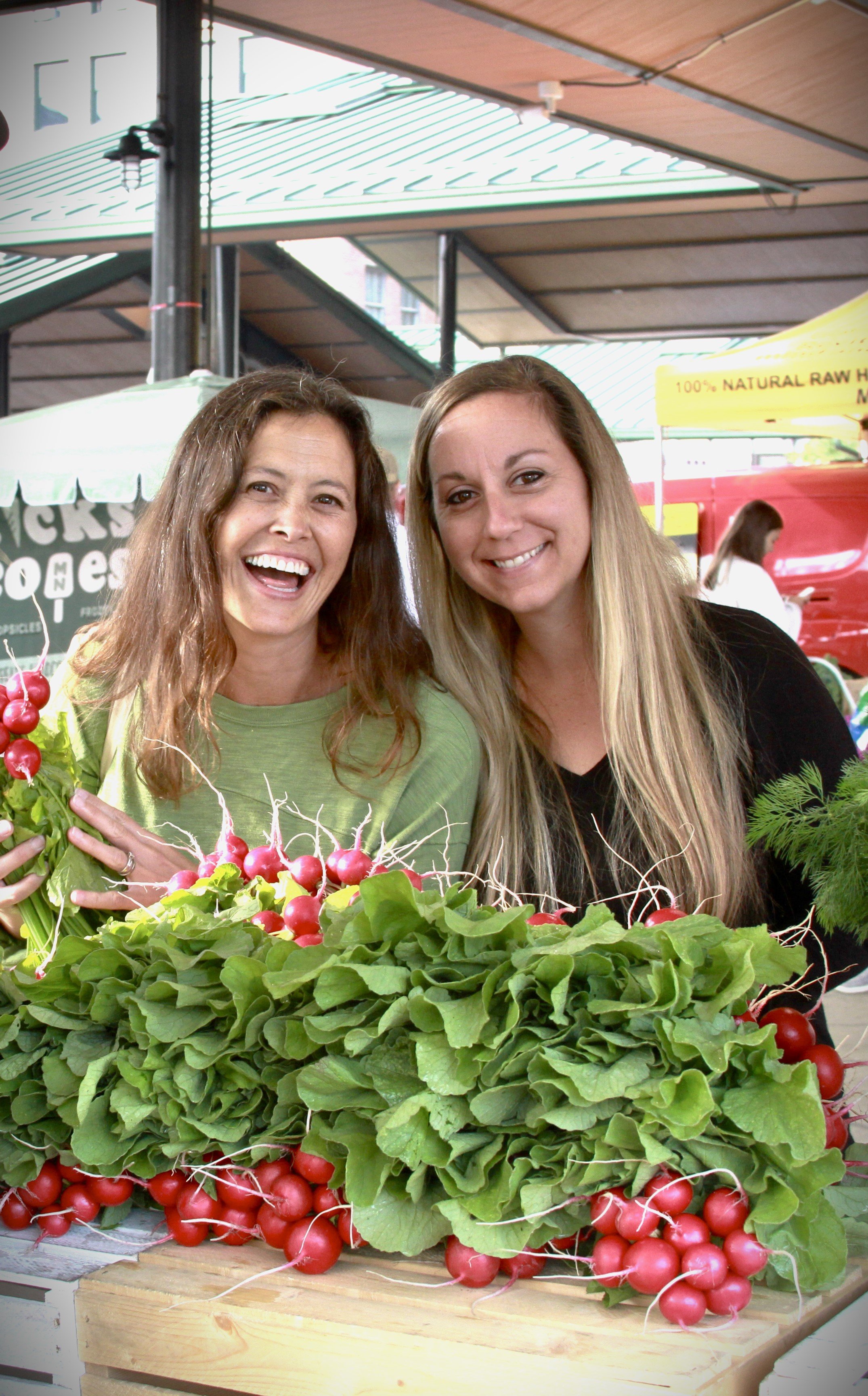
We head to Minnesota to chat with small-scale homesteaders Michelle Bruhn and Stephanie Thurow.
Both are urban homesteaders, and they’ve collaborated on a book to help small-scale homesteaders, Small-Scale Homesteading.
We talk about:
What homesteading means to them
The idea of small-scale homesteads in urban and suburban areas
Tips for aspiring homesteaders
How to get started homesteading

Stephanie’s Rhubarb Shrub
Stephanie talked about her rhubarb shrub in this episode, and said she’d share the recipe. Here it is!
Yield: 2-3 cups finished shrub
Ingredients
1.5 cups rhubarb, chopped (fresh or frozen) – discard green leaves, as they are poisonous.
1.5 cups white granulated sugar
Days later: 1.5 cups organic apple cider vinegar (or other drinking vinegar of choice).
Directions
Scrub rhubarb clean, chop and combine with sugar in a clean pint canning jar. Shake jar to mix sugar and rhubarb well. Wipe the rim of the jar with a clean dampened towel and apply the canning jar lid and tightly screw on the ring. Store the jar at room temperature, out of direct sunlight and allow the mixture to macerate over a couple days, until a thick syrup is made. A few times per day, vigorously shake the mixture to speed up the process (or you can use a clean spoon to stir well).
After 2-3 days, once the sugar has dissolved and a syrup is made, use a fine mesh strainer to strain out the solids, reserving the syrup in a measuring cup. Use the back of a spoon to push out any excess syrup. Once strained, measure the amount of syrup that was collected and add that same amount of vinegar to the syrup (it will be 1-1.5 cups of vinegar), stir well to mix. Store in a clean airtight jar and refrigerate. Enjoy within a few months for best flavor.
To serve
Mix about a shot of the shrub mixture with water, or carbonated water. Serve over ice. Shrubs also make delicious and unique cocktail mixers.
Side notes
You can also use brown sugar, coconut sugar, maple syrup or other sugar alternative in place of white granulated sugar.
This method of shrub making can be applied to any fruits and herb combinations. Strawberry shrub is my all-time favorite.
Don’t toss the strained-out fruit solids! They are delicious mixed into plain yogurt or oatmeal or blended into a smoothie.
This recipe was adapted from WECK Small-Batch Preserving (2018) with permission from Skyhorse Publishing, Inc.
Big Harvests from a Small Space with a Vertical Vegetable Garden
How to grow a vertical vegetable garden, with Donna Balzer.
Grow a Vertical Vegetable Garden
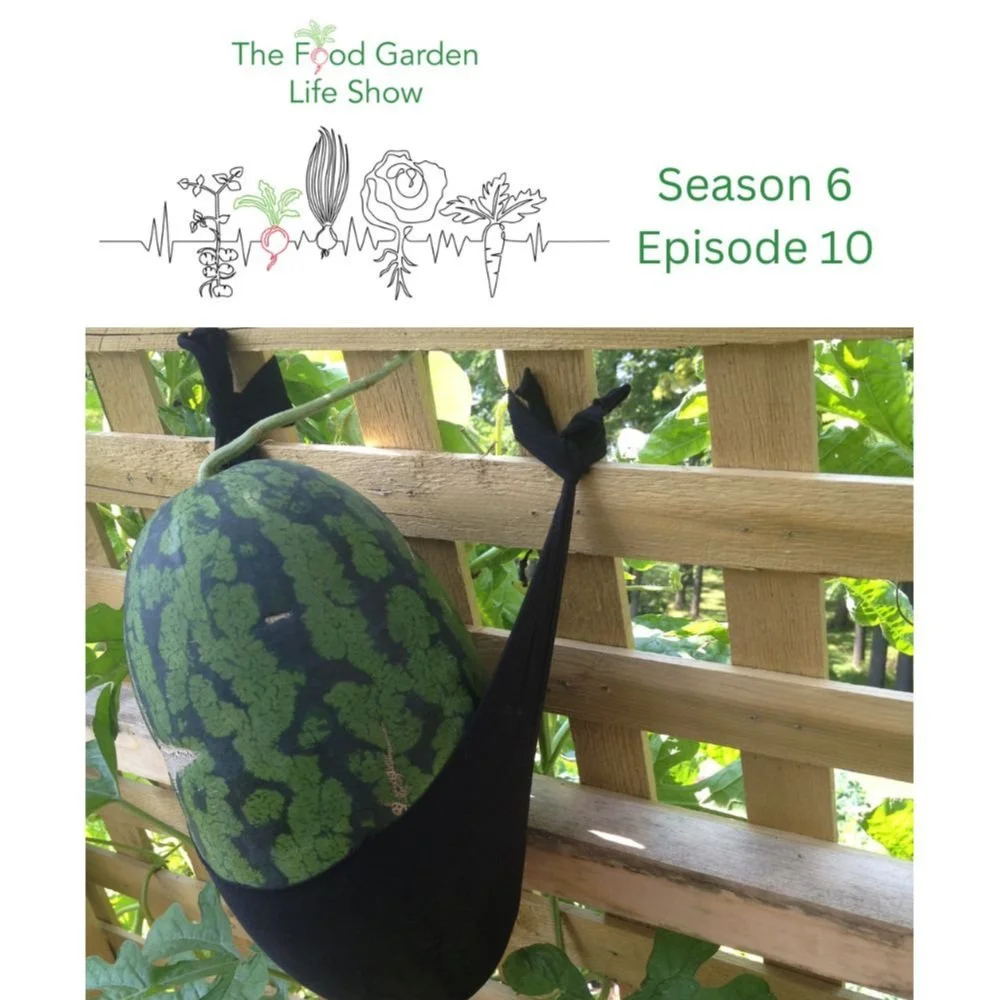
Space. For many gardeners, there’s never enough of it.
So in small spaces we train crops upwards instead of outwards. The term vertical gardening is often used to talk about adding the dimension of height to a garden.
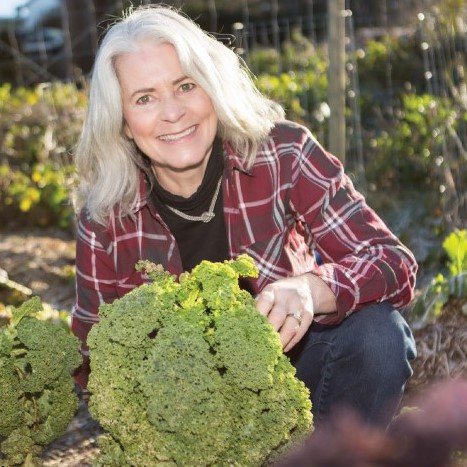
Today on the podcast we head to Vancouver Island to chat with vegetable gardening expert Donna Balzer about vertical gardening.
Steven and Donna are teaming up to hold a live online event on Vertical Vegetable Gardening on April 4, 2023.
Bay Laurel
Dave Hanson from The Grow Guide Podcast joins us to talk about growing the Mediterranean herb bay laurel.
Steven and Dave are teaming up for a live online event on creating a Mediterranean Kitchen Garden in cold climates on March 14, 2023.

Outstanding Oregano + What to Produce Besides Crops on a Homestead
Growing great oregano, and ways to earn income on a homestead beyond crops and livestock.
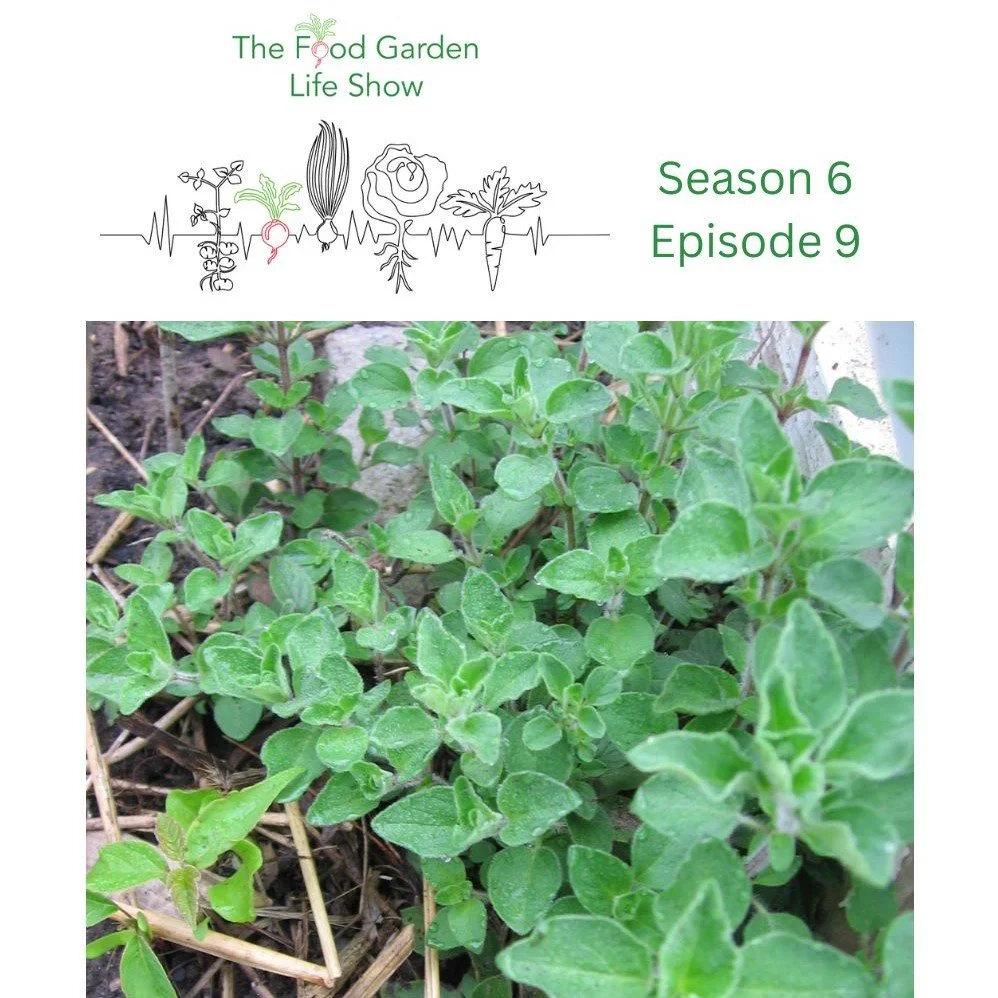
Oregano that Tastes Like Oregano!
We find out how to grow great Oregano with Dave Hanson from The Grow Guide Podcast.
(No more bland oregano that tastes like...hay!)
Why Now is a Great Time to Homestead
Homesteader Steve Maxwell talks about his journey from suburban Toronto to a rural homestead on Manitoulin Island.
He tells us why he think there's more opportunity than ever for homesteaders today.
Steve shares his ideas about homesteading opportunities here.

5 Small Fruit Crops: Taste Sea Buckthorn (and Smell the Blue Cheese of Fruit)
Sea buckthorn, highbush cranberry, hardy kiwi, bush cherries, and chokecherry with Laurie Brown from Cultur’Innov.
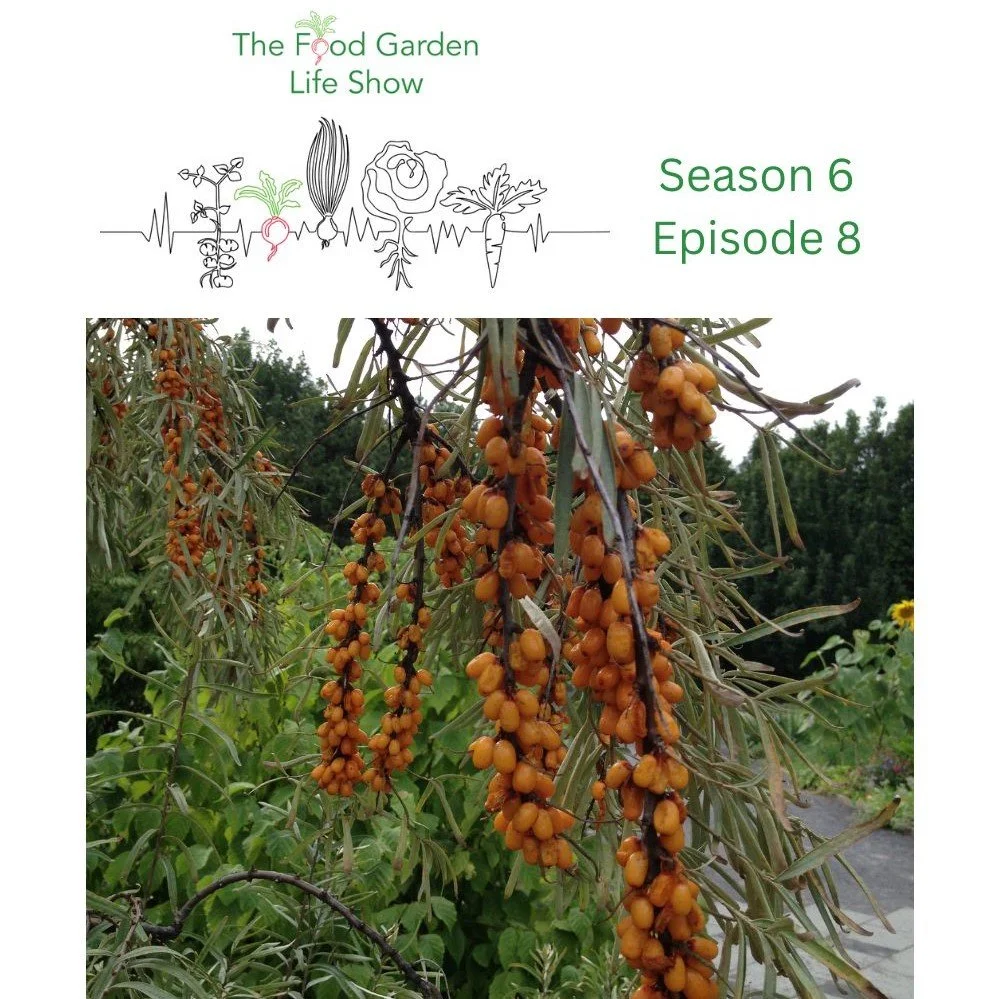
Talking about how to grow sea buckthorn, highbush cranberry, hardy kiwi, bush cherries, and chokecherry
Specialty Fruit Crops
We continue our chat with agronomist Laurie Brown from Cultur'Innov. She talks about 5 more minor fruit crops, how to grow them, and the opportunities they present for growers.
We talk about:
Sea buckthorn
Highbush cranberry
Hardy kiwi
Bush cherries
Chokecherry
Agroforesty
Tips for growers who want to grow specialty fruit crops
"It's the blue cheese of fruit: Tastes like a cranberry and smells like an old boot!"
Co-operative Model
Cultur'Innov is a co-op focused on lesser-known fruit, nuts, and forest crops such as ginseng and mushrooms. This Quebec multi-stakeholder co-operative has both farmers and employees as members.

Agronomist Laurie Brown from Cultur’Innov
The co-op helps its farmer members with different aspects of production:
Understanding crop opportunities
Setting up for a crop
Growing the crop
Processing opportunities
Want More on Wild Fruit?
Expert Interview
In this episode, we chat with forager Robin Henderson, who forages highbush cranberry, sumac, elderflower, and more!
Berry Supports Theory that the Worse it Tastes, the Healthier it is
Aronia, haskap, and elderberry with Laurie Brown from Cultur’Innov.
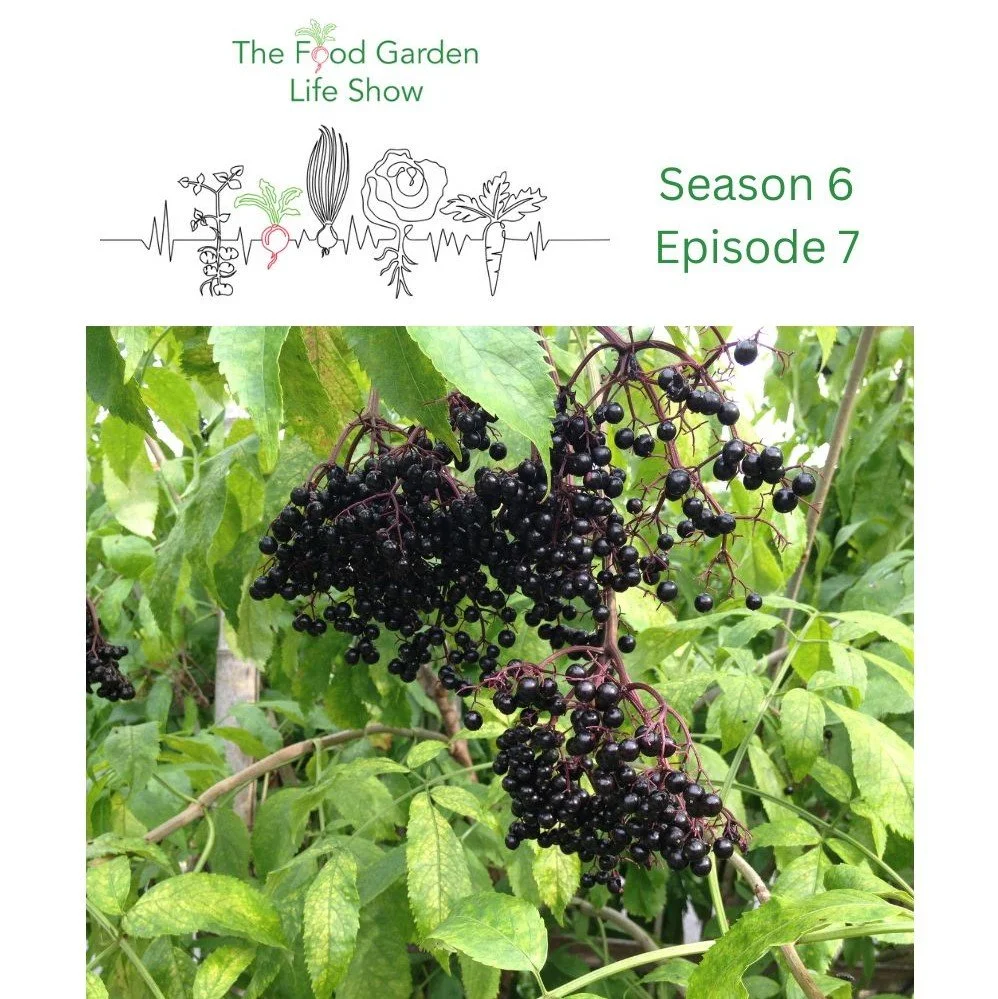
Talking about how to grow aronia (chokeberry), elderberry, and haskap (honeyberry)
Aronia, Elderberry, Haskap
One is quite healthy but tastes awful. One is very juicy and suited to processing. And one is suited to eating fresh.
In this episode we look at 3 fruit crops: aronia (a.k.a. chokeberry), elderberry, and haskap (a.k.a. honeyberry).
Agronomist Laurie Brown from Cultur'Innov explains how to grow these minor fruit crops, talks about the opportunities for growers, and tells us where they’re at in terms of commercialization.
Co-operative Model
Cultur'Innov is a co-op focused on lesser-known fruit, nuts, and forest crops such as ginseng and mushrooms. This Quebec multi-stakeholder co-operative has both farmers and employees as members.
Agronomist Laurie Brown from Cultur’Innov
The co-op helps its farmer members with different aspects of production:
Understanding crop opportunities
Setting up for a crop
Growing the crop
Processing opportunities
Want More on Small Fruit?
Expert Interview
In this episode, we chat with apple expert Bob Bors about haskaps and cherries.
Graft Apple Trees at Home: Easily Make the Cut
Grafting apple trees with Steven Edholm. (Yes, Frankentrees!) Getting scion wood, rootstock, grafts for beginners, and using household supplies.
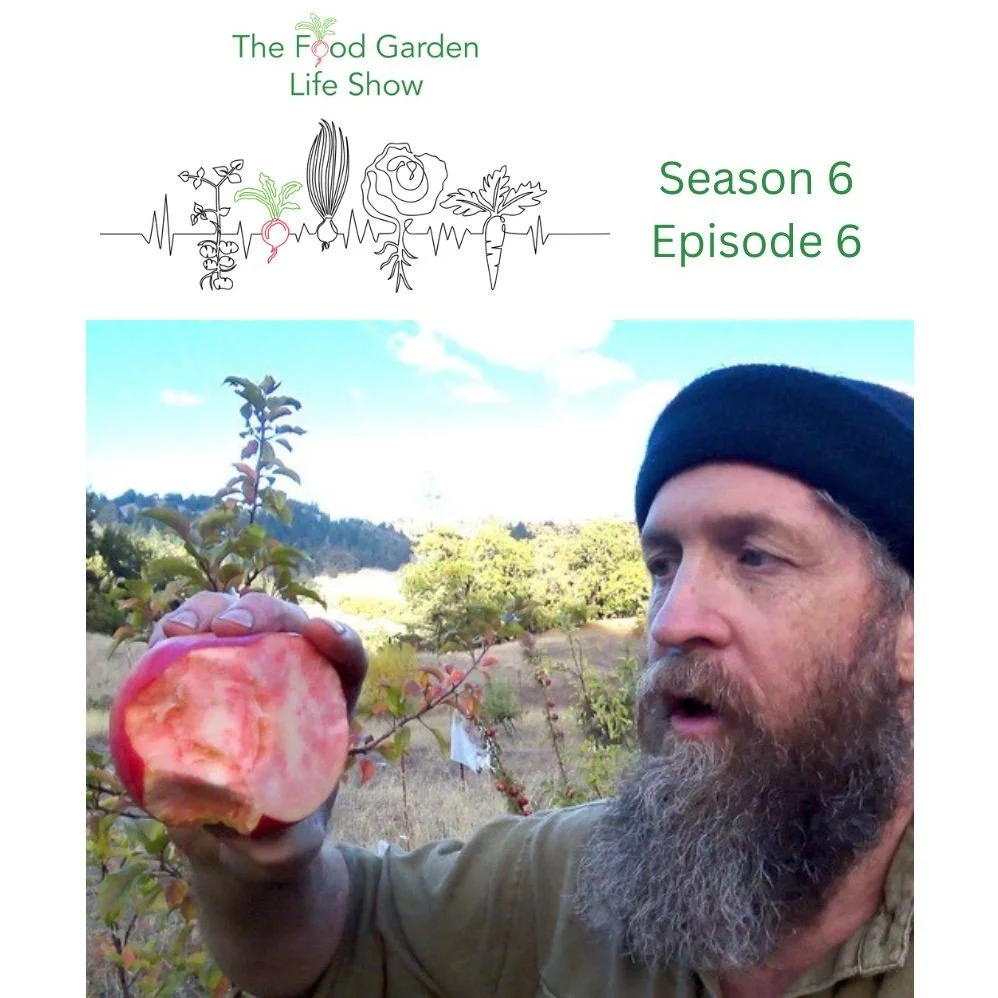
How to Graft an Apple Tree
Steven Edholm is a California homesteader who teaches a wide variety of self-reliance skills.
He is passionate about grafting fruit trees. He's created trees that have over 100 varieties.
In this episode, he explains how to graft apple trees at home.
We talk about:
Reasons to graft apple trees
Apple trees with lots of grafts (Frankentrees!)
Cutting and storing apple scion wood
Apple rootstock
Supplies for apple tree grafting (spoiler alert: what you DON’T need to buy)
Best grafts for beginners
Solving common apple-grafting problems
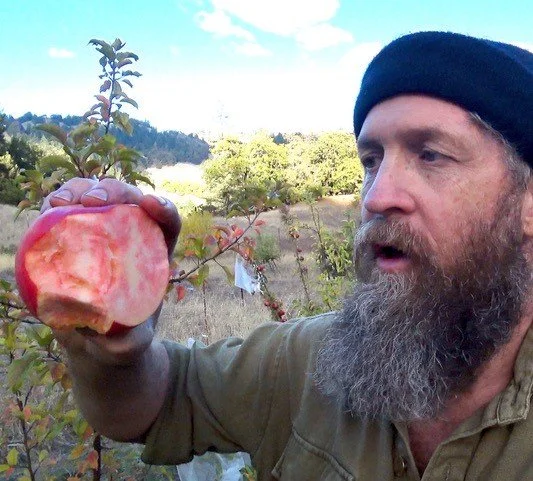
Steven Edholm showing a red-fleshed apple.
Steven Edholm’s 11-Part Grafting YouTube Video Series
Connect
Website: skillcult.com
YouTube: @SkillCult
Want More on Growing Apples?
Expert Interview
In this episode, we chat with apple expert Bob Osborne about hardy apples.
Edible Garden Artistry with Potager Gardens + School Gardens that Survive Summer
Garden designer Linda Vater talks about how to make a potager garden. Sunday Harrison from Green Thumbs Growing Kids talks about setting up school gardens for summertime success.
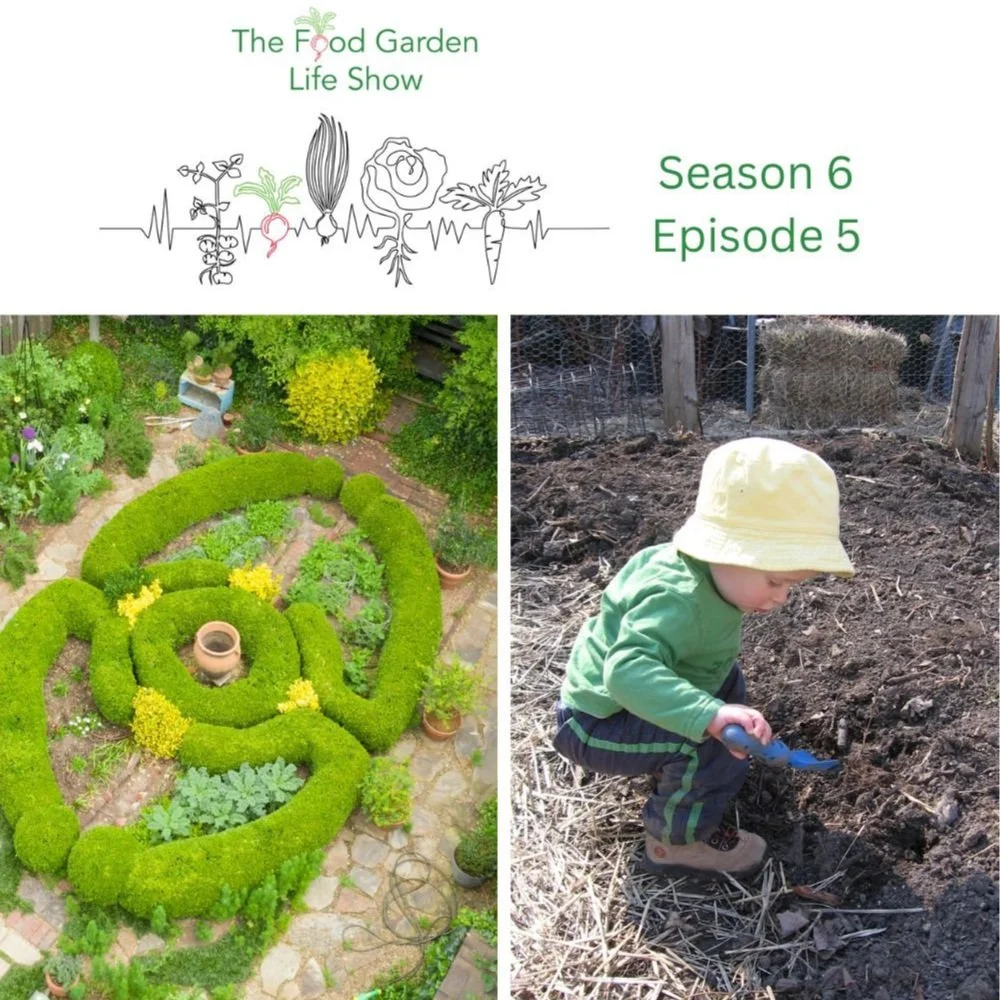
Potager Gardens bring Together Elegant & Edible
Oklahoma garden designer Linda Vater loves to create elegant edible gardens. Her work is inspired by the tradition of the potager garden.
We talk about:
Potager gardens
Making ornamental and elegant edible gardens
Design elements such as enclosure, colour, and texture
How to design your own potager-style garden






Linda's new book is The Elegant & Edible Garden.
School Gardens That Thrive over Summer
In the second part of the show we catch up with Sunday Harrison from Green Thumbs Growing Kids in Toronto. We're big fans of this non-profit that brings gardening to school kids and communities in downtown neighbourhoods.
We find out more about their model, which solves a common challenge of school gardens: Summer.
We talk about:
Why working with a cluster of schools helps with summer care
Summer community involvement
A project that gets kids growing trees from seed

Sunday Harrison from Green Thumbs Growing Kids.
Want More on Landscape Design with Edibles?
Here’s an article to get you started with edible perennials, a great way to start your ornamental edible garden.
Here are a couple of interviews to give you ideas for landscape design using edible plants.
Don't Feel Bitter about these Cold-Hardy Citrus
Fragrant cold-hardy citrus. Some you can even eat fresh off the tree. Find out about cold-hardy citrus and methods for growing citrus in cold climates.

Cold-Hardy Citrus with Fragrant Rind and Juicy Flesh
We chat with cold-hardy citrus expert Sam Hubert from One Green World Nursery.
Sam's interest in citrus began when he realized he could grow trifoliate orange in New England.
If you've tried trifoliate orange, you'll know it has true pucker power.
But don't worry!
Sam has lined up a mix of cold-hardy citrus: Along with fragrant and bitter citrus that add complexity to all sorts of recipes, he tells us about some eat-straight-from-the-tree cold-hardy citrus.
We talk about:
Trifoliate orange
Yuzu
Sudachi
Kumquat, and other citrus with kumquat lineage
Ichang lemon
Citrumello
Mandarins
Australian finger limes
Sam also shares tips about different ways to grow and protect citrus in cold climates.
Want More on Citrus?
Here’s an article to get you started with lemons:
Here are a couple of interviews with cold-climate citrus growers:

Covering everything from lemon varieties, to location and watering, to pruning and shaping, to overwintering, dealing with pests, and more—and including insights from fellow citrus enthusiasts—this book will give you the confidence you need to grow and harvest fresh lemons in cold climates.
It's Rhubarb...but It's not Rhubarb
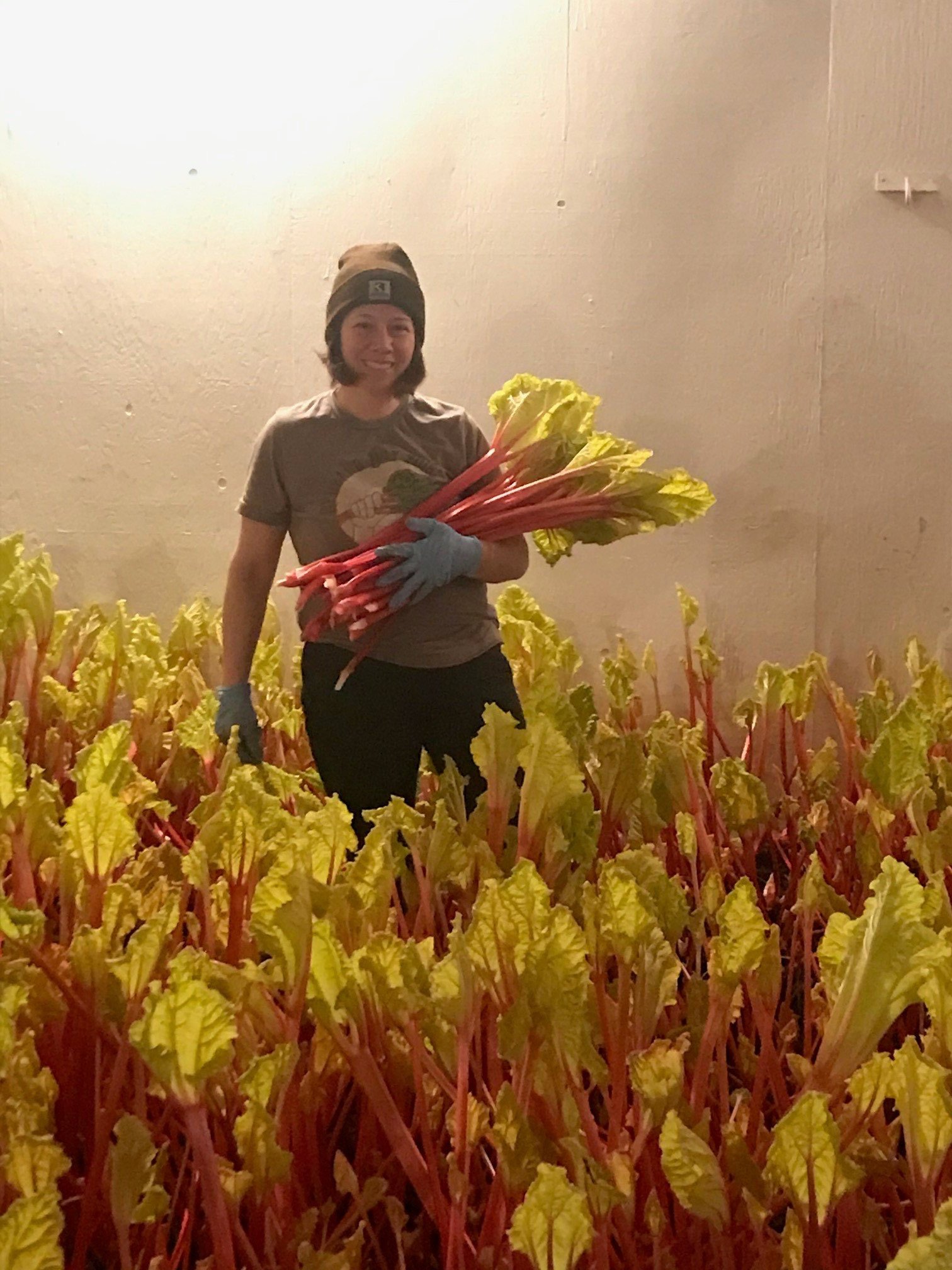
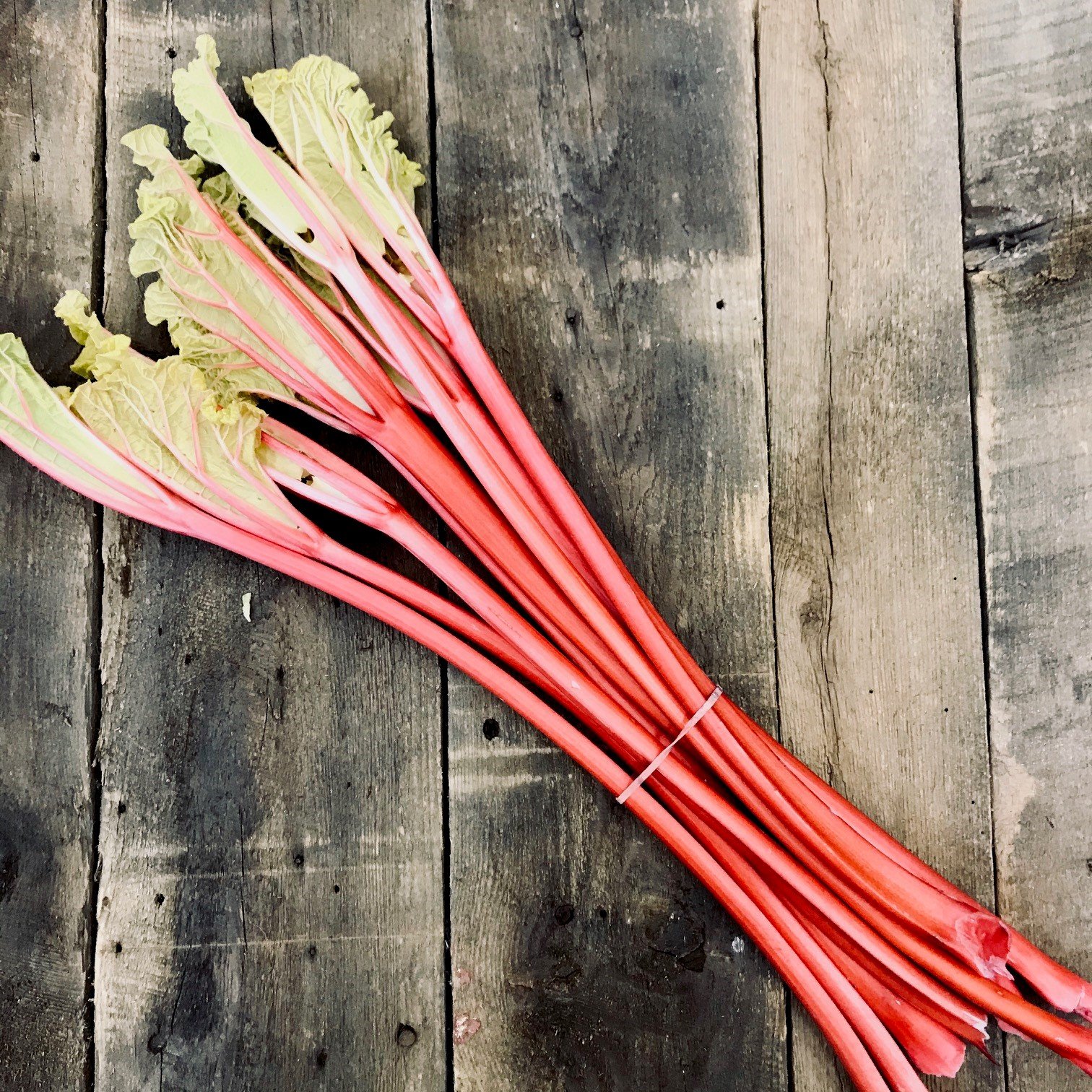
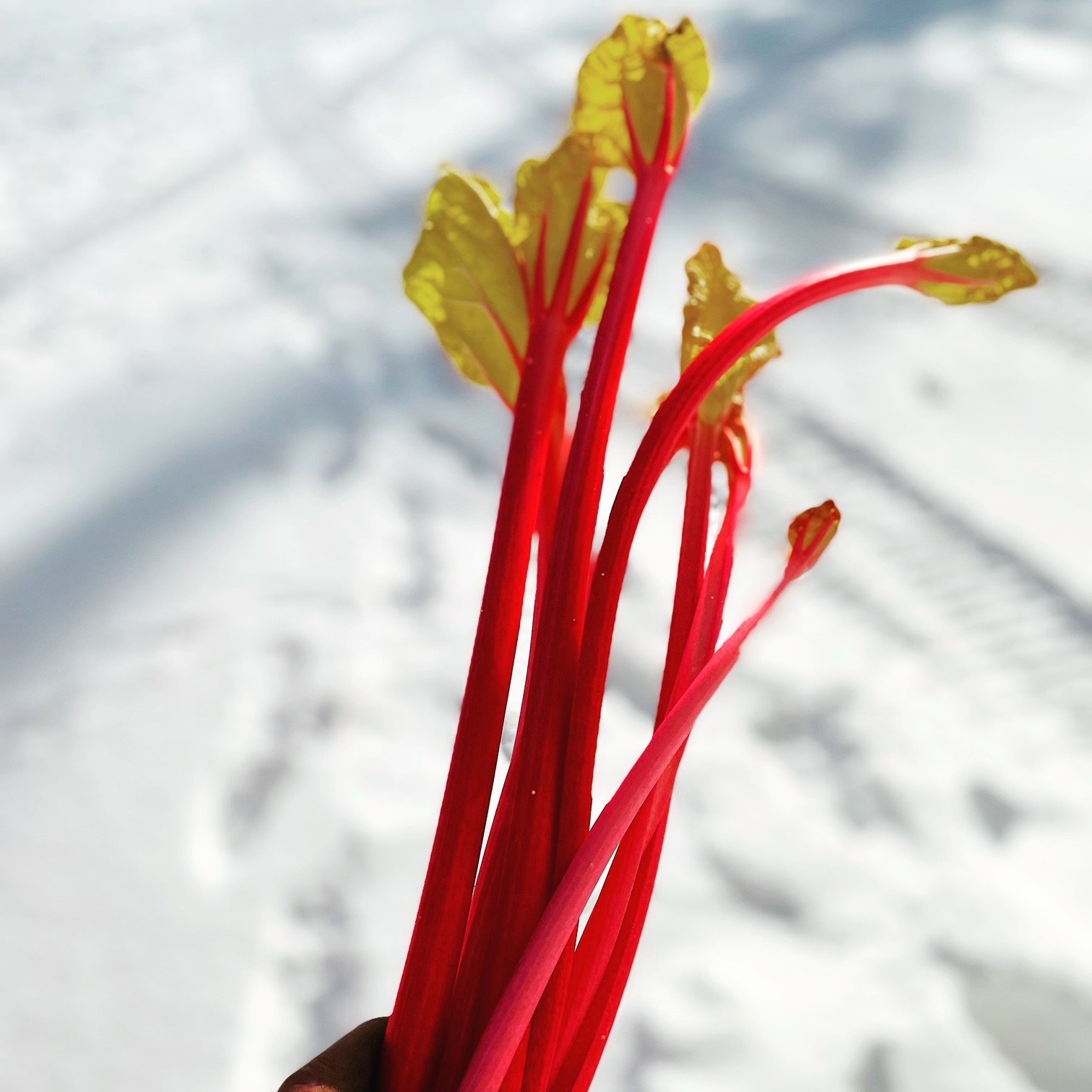
Forced rhubarb is a winter specialty that's quite different from rhubarb grown outdoors: It's milder, more tender, and brightly coloured. Brian French from Lennox Farm explains how to force rhubarb.

Forced Winter Rhubarb
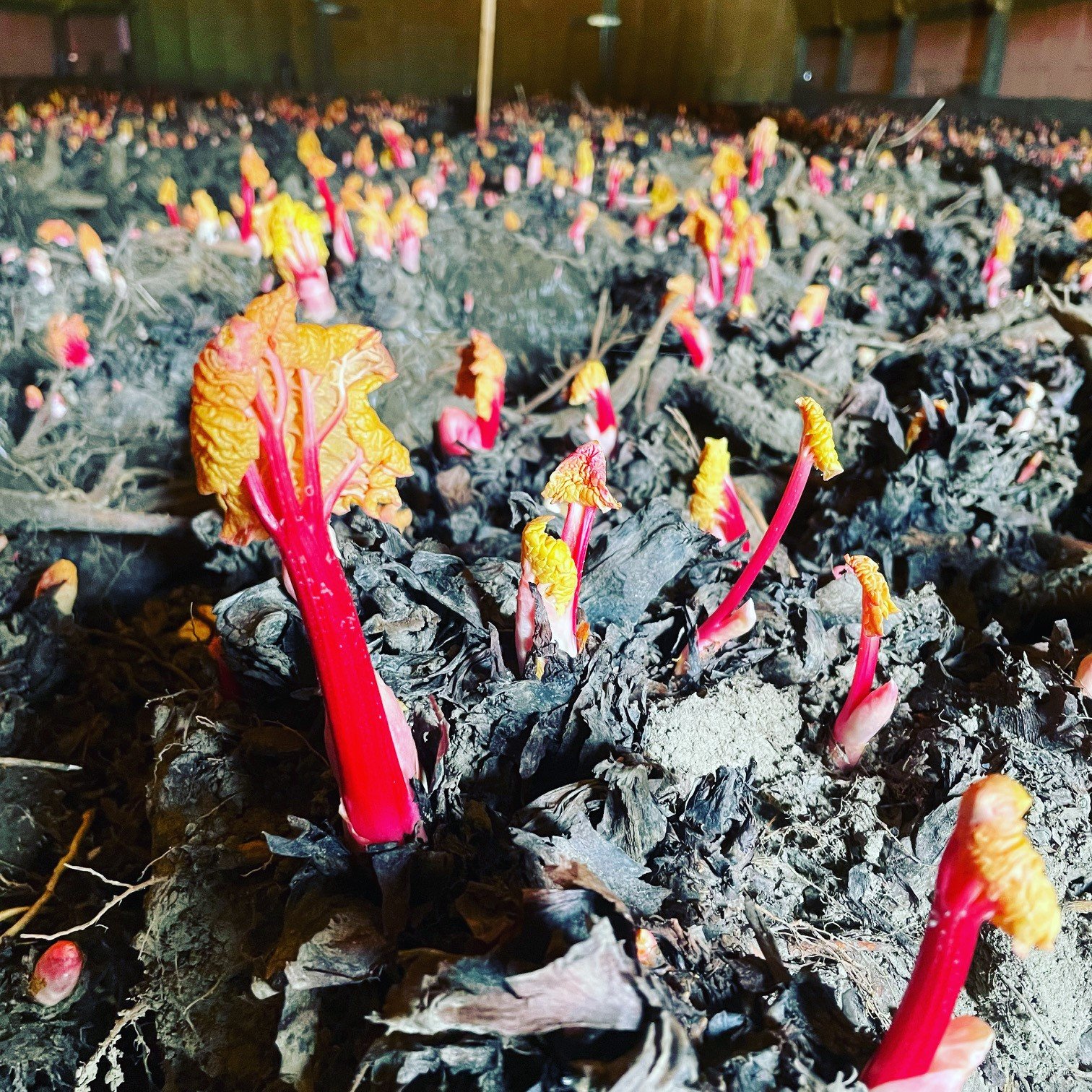
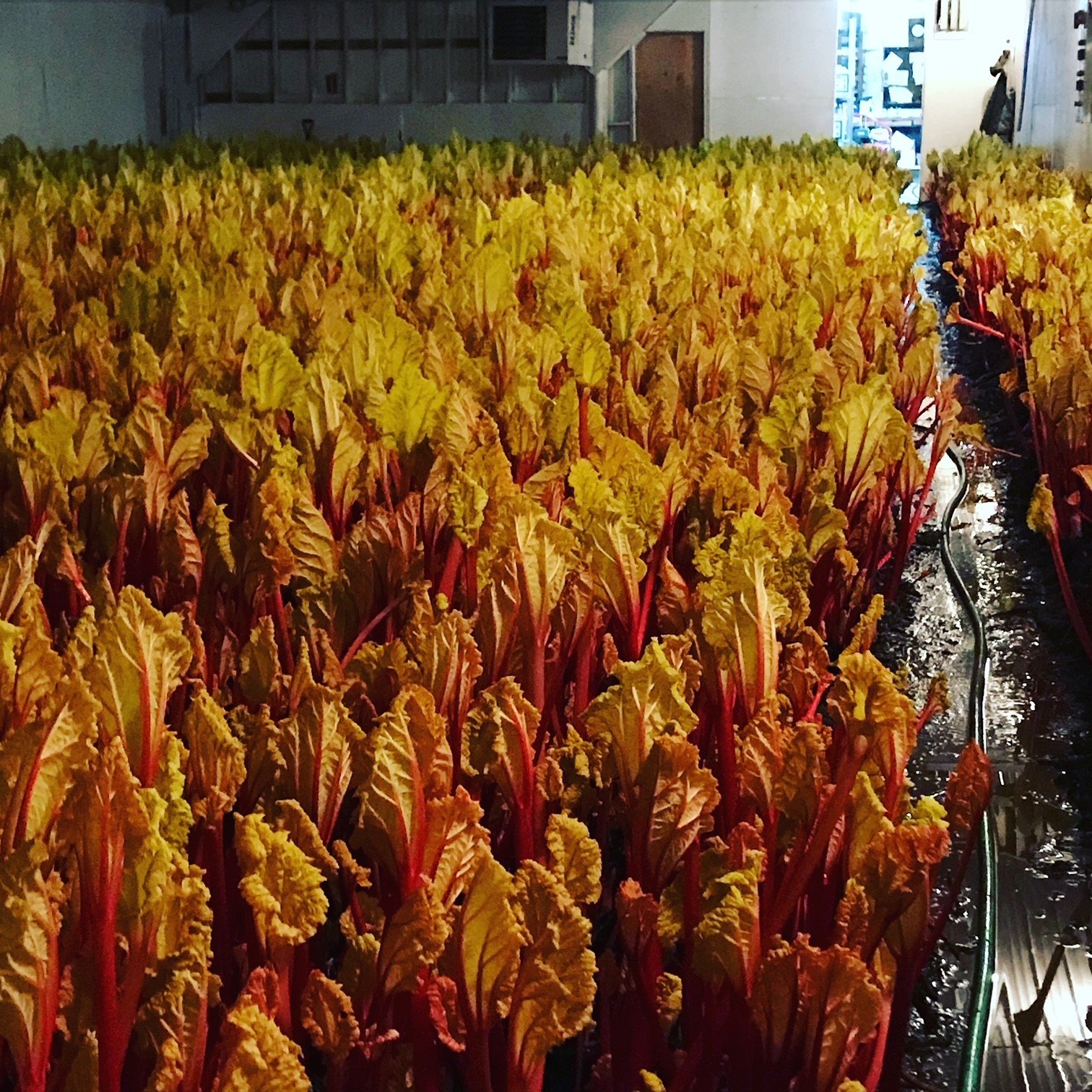
Forced rhubarb is a winter specialty that's quite different from rhubarb grown outdoors: It's milder, more tender, and brightly coloured.
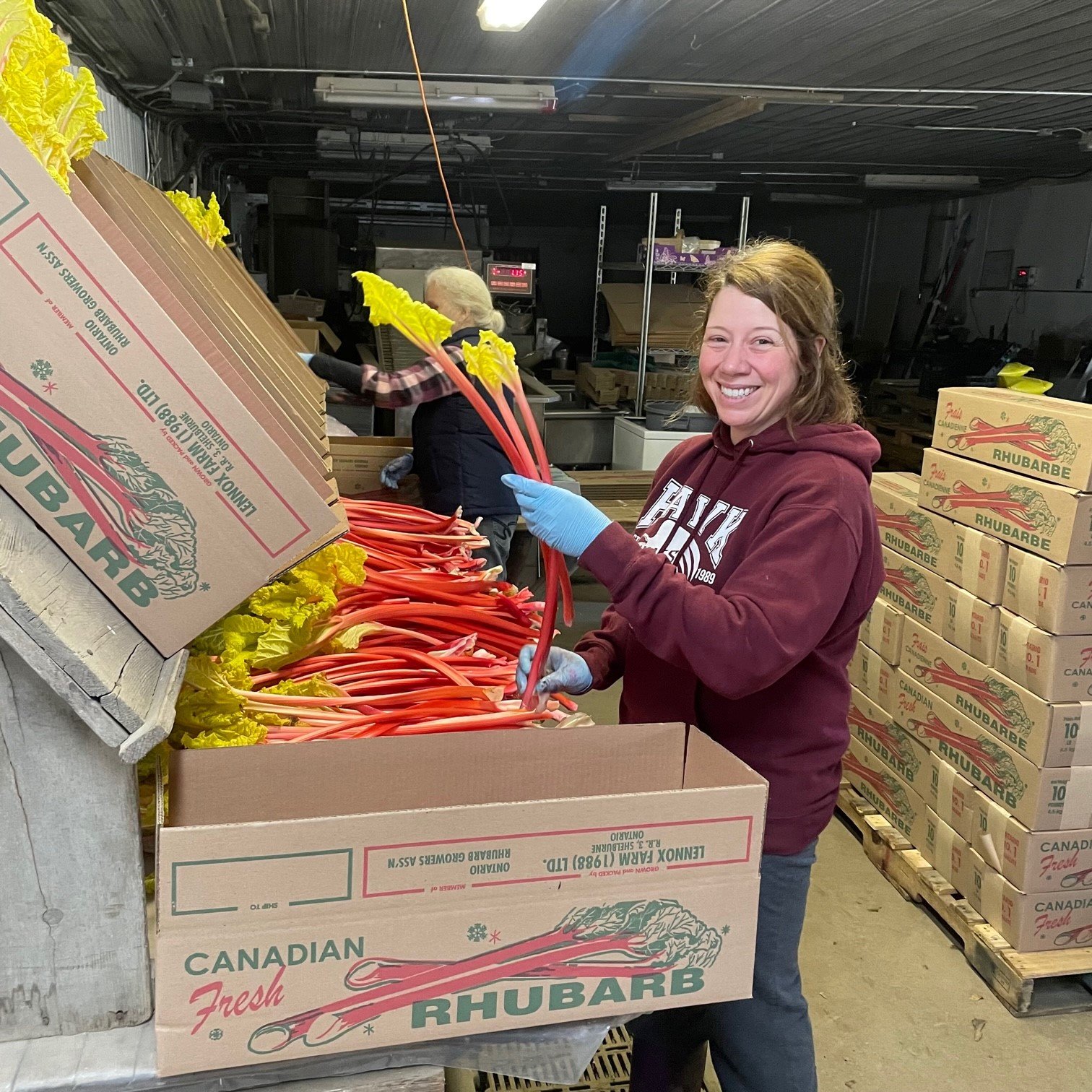
Brian French and his wife Jeannette run Lennox Farm in Dufferin County, in Ontario. Along with field-grown rhubarb, they force rhubarb indoors during the winter.
Brian French explains how to force rhubarb:

The French family at Lennox Farm. Brian French at right.
The difference between forced and field-grown rhubarb
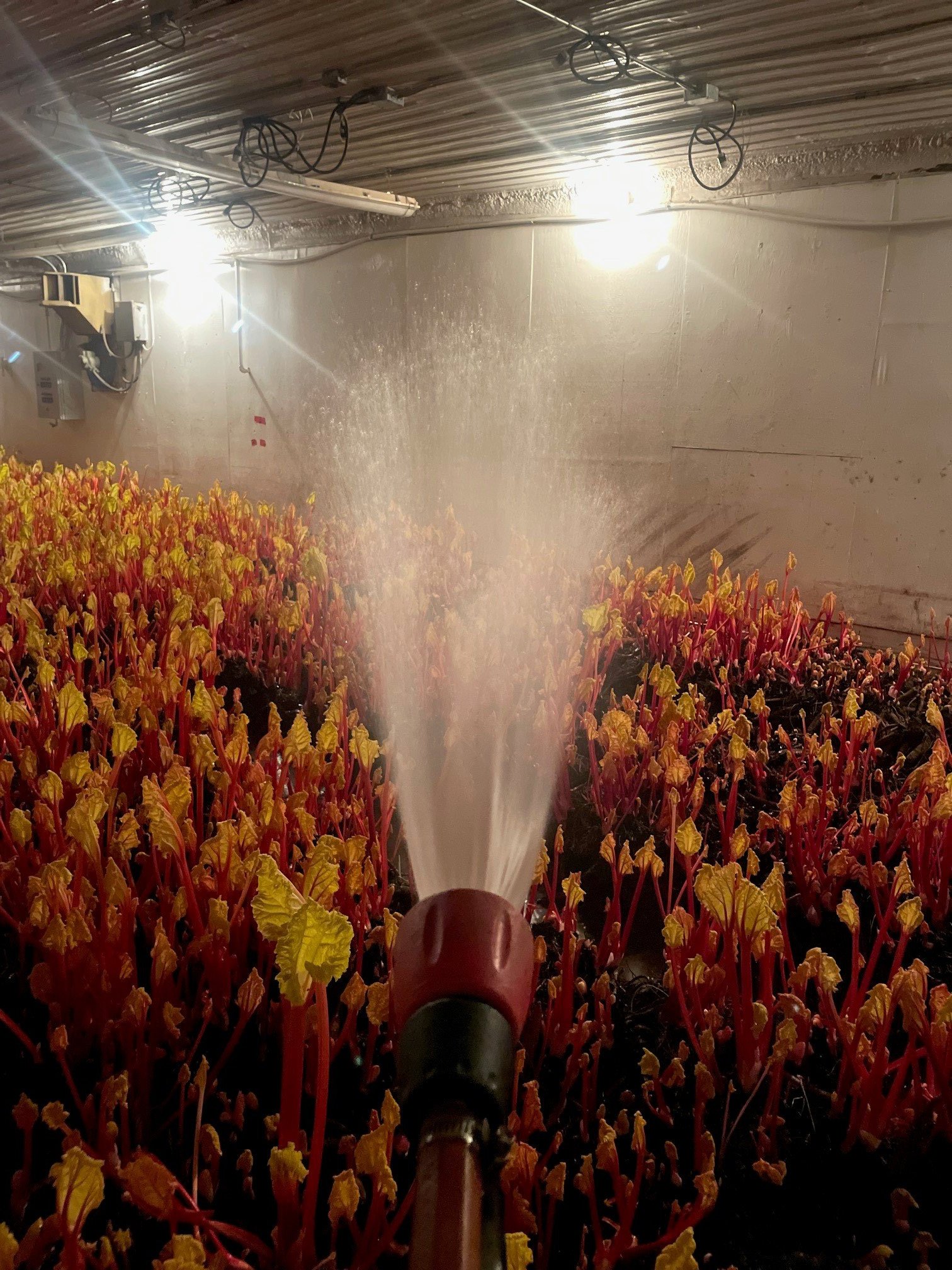
Conditions needed to force rhubarb over the winter
Varieties of rhubarb for forcing
Growing rhubarb roots for forcing
Digging rhubarb roots for forcing
Tips for growing rhubarb at home
(Spoiler alert: Brian tells us whether it's really necessary to harvest by candlelight, as it's traditionally done!)
Pictures of Rhubarb Forcing
Connect
website: lennoxfarm.ca
Want More on Rhubarb?

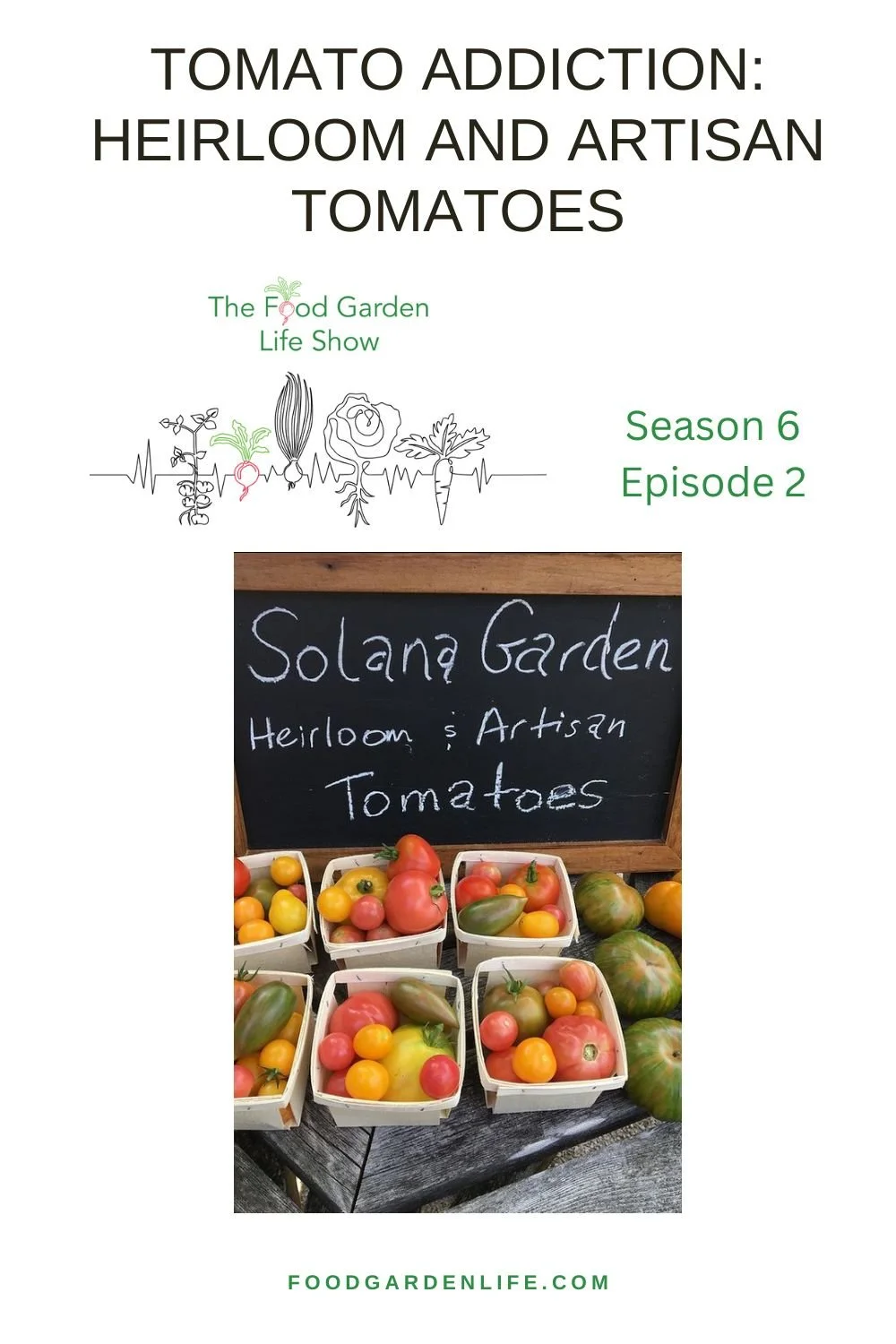
Artisan Tomatoes and a Tomato Addiction
A fascination with unusual tomatoes grows into an addiction, and a business. We chat with Teresa Zohorsky from Solana Garden.
Heirloom and Unusual Tomato Varieties

We chat Teresa Zohorsky from Solana Garden in Ontario.
What started as a fascination with unusual tomato varieties grew into an addiction! Teresa specialized in heirloom and unusual tomato varieties, and now sells tomato transplants and fruit.
We talk about:
Top varieties
Resources for finding and researching tomato varieties
Selecting tomato varieties suited to the growing conditions
Tips for people who want to get started growing heirloom and unusual tomatoes
Connect
@solana_garden in Instagram and Twitter
Want More on Tomatoes?
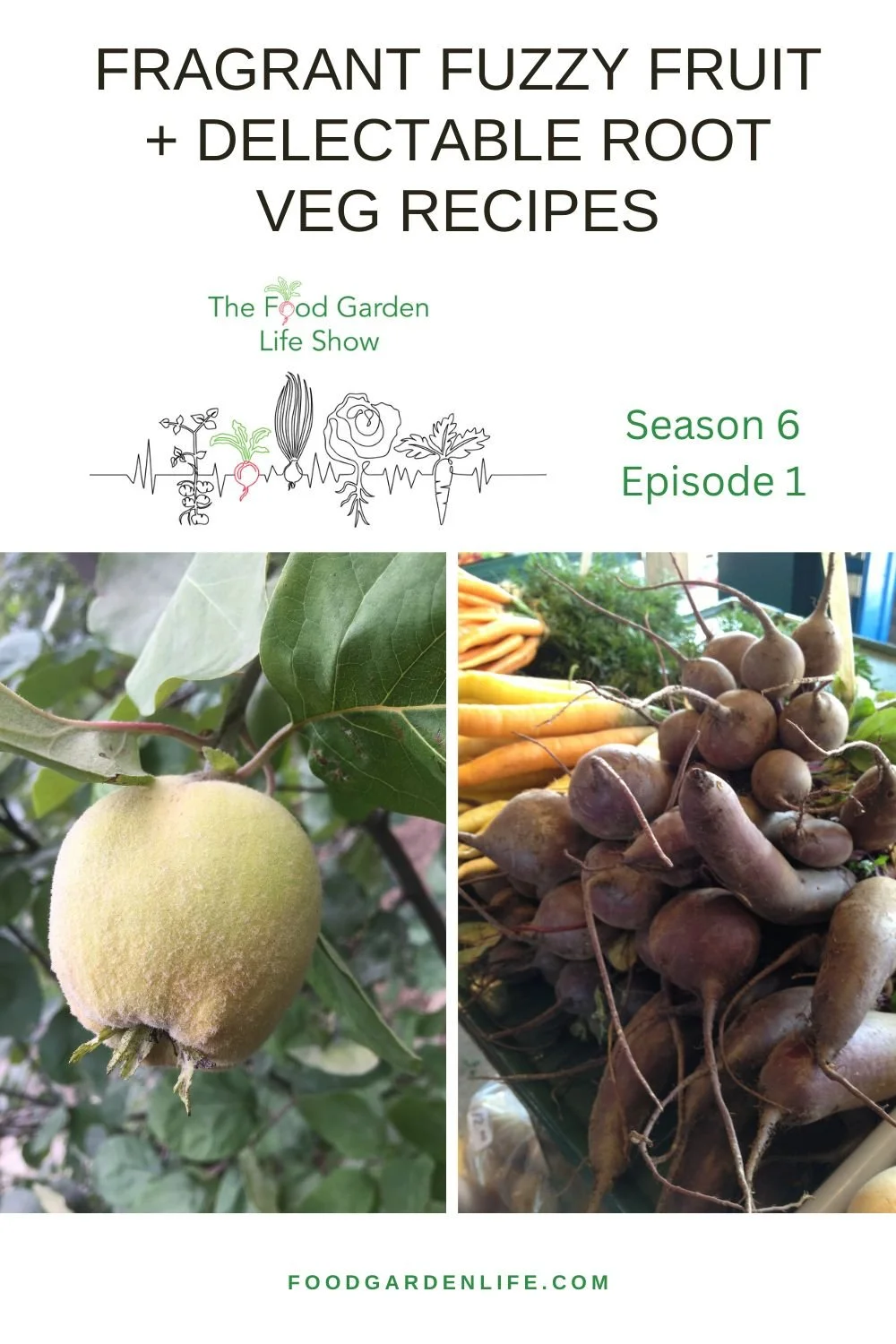
Grow Quince + Delectable Root Veg Recipes
We talk about growing quince with Joseph Postman; and talk about cooking root vegetables with Jennifer MacKenzie, who shares recipes from her book The Complete Root Cellar Book.
Spoiler alert: Scroll down for recipes!
Growing Quince
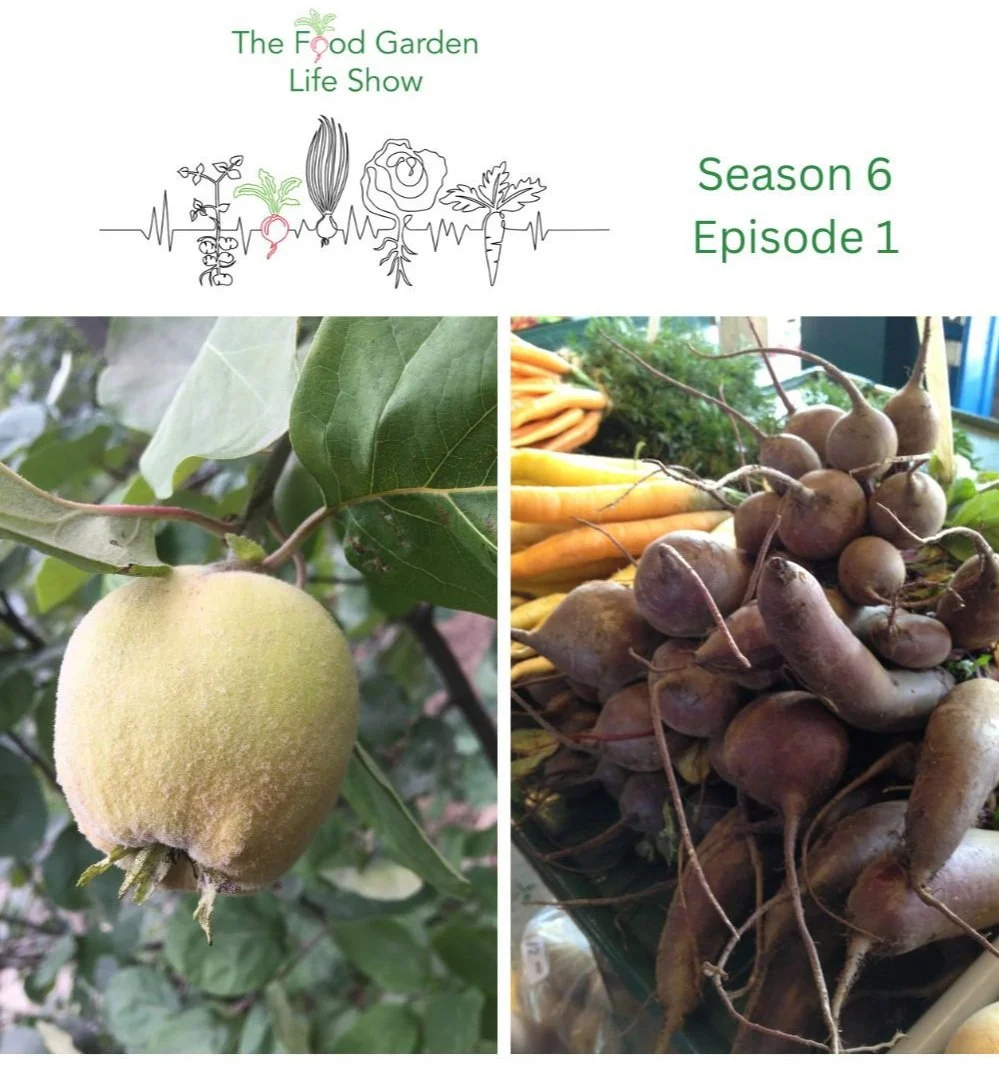
Quince expert Joseph Postman joins us to talk about quince. This fragrant fruit is unknown to many in North America, and often relegated to use as a rootstock for pear trees.
Postman is a retired plant pathologist and curator of the USDA National Clonal Germplasm Repository in Corvallis, Oregon, where he helped develop a pear collection with cultivars and species from around the world.
We talk about:
What is quince
How to use quince fruit
The use of quince trees as rootstock for pear trees
Quince varieties
Quince cold hardiness
Quince diseases
Delectable Root Vegetable Recipes
Cookbook author and professional home economist Jennifer MacKenzie joins us to talk about cooking root vegetables and shares recipes from her book The Complete Root Cellar Book.
We talk about:
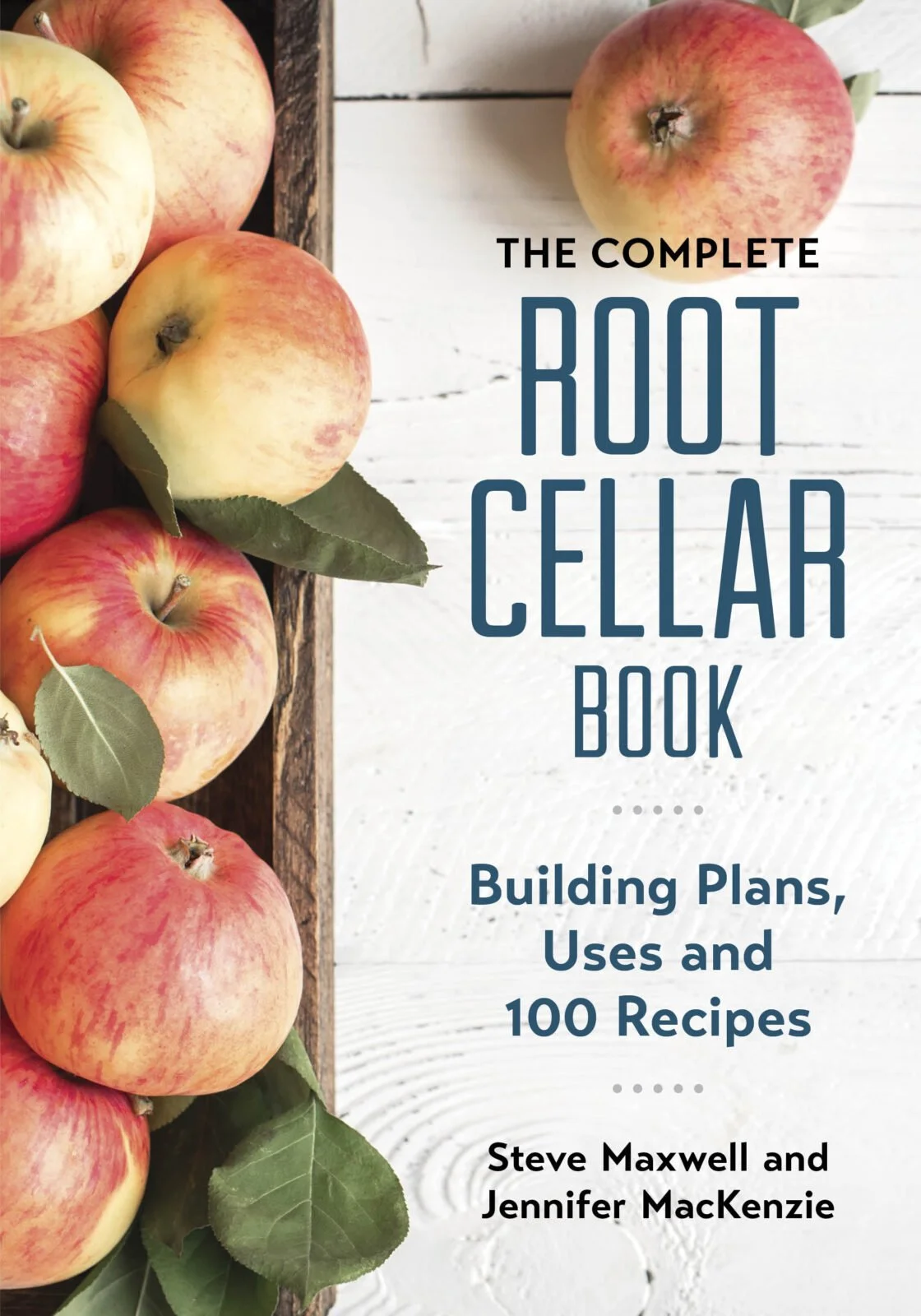
Shopping for root veg
What to look for if you're planning to store root veg
Spiced roasted turnip and beet batons
Beet and carrot slaw
Root cellar medley soup
Parsnip and pear soup
MacKenzie is the author of 9 cookbooks.
Sous Vide Basics
150 Best Waffle Maker Recipes
The Complete Book of Pickling
The Dehydrator Bible
The Complete Trail Food Cookbook
The Complete Root Cellar Book
Complete Curry Cookbook
Best of Bridge Home Preserving
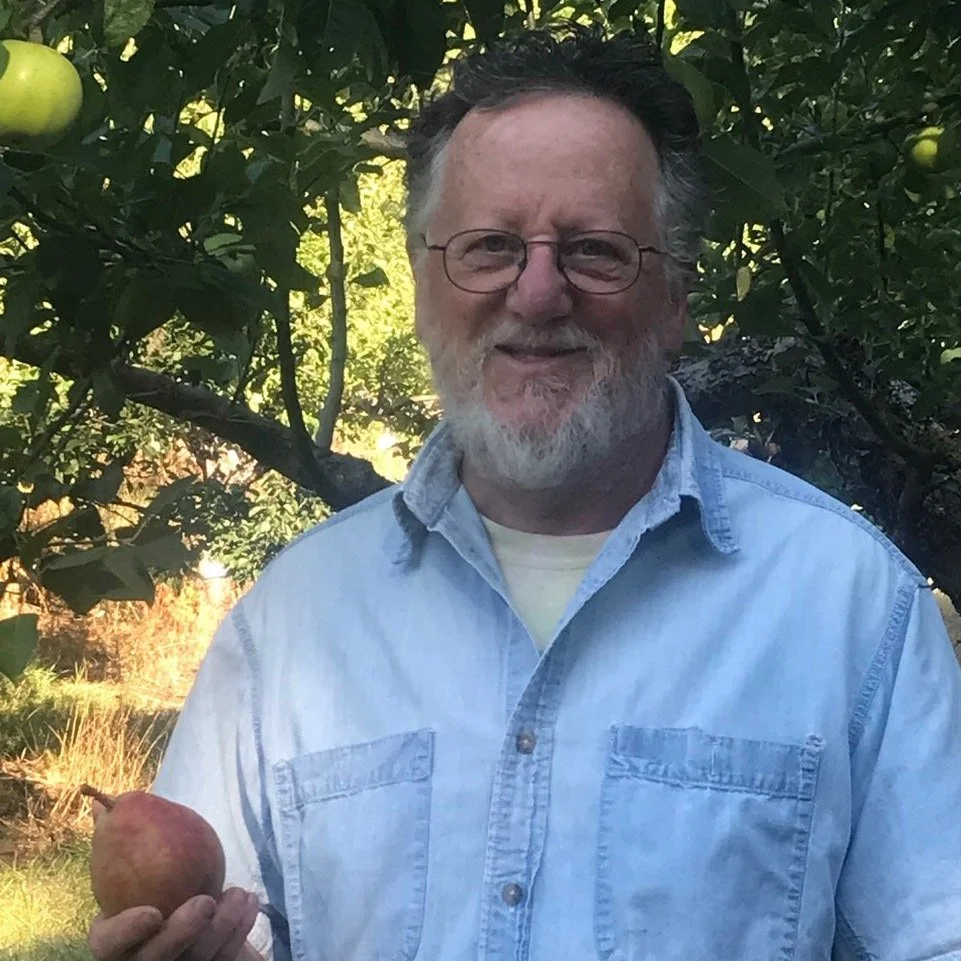
Quince expert Joseph Postman

Jennifer MacKenzie, author of The Complete Root Cellar Book
Recipes from The Complete Root Cellar Book
Parsnip and Pear Soup
From The Complete Root Cellar Book by Steve Maxwell and Jennifer MacKenzie (Robert Rose 2010); used with permission.
The sweet, floral flavor of pears tames the stronger flavor of parsnips in this light and velvety soup.
Makes 4 to 6 servings
1 tbsp (15 mL) vegetable oil
1/2 cup (125 mL) chopped shallots
2 pears, peeled and chopped
1 small all-purpose potato, peeled and chopped
4 cups (1 L) chopped parsnips (6 to 10)
4 cups (1 L) homemade vegetable stock or chicken stock, or reduced-sodium ready-to-use vegetable or chicken broth
1 tbsp (15 mL) white wine vinegar
1 tsp (5 mL) salt, or to taste
1/2 tsp (2 mL) freshly ground black pepper, or to taste
Chopped fresh parsley
1. In a large pot, heat oil over medium heat. Add shallots and sauté for about 3 minutes or until starting to soften. Add pears, potato and parsnips; sauté for 5 minutes or until parsnips start to soften.
2. Add stock and bring to a boil over medium-high heat. Reduce heat to medium-low, cover and simmer for about 20 minutes or until vegetables are very soft.
3. Using an immersion blender in pot or transferring soup in batches to an upright blender, purée until very smooth. Return to pot, if necessary.
4. Add water or more stock to thin to desired consistency. Reheat over medium heat until steaming, stirring often. Stir in vinegar. Season with salt and pepper.
5. Ladle into warmed bowls and serve sprinkled with parsley.
Tips: If your parsnips have tough, woody cores, trim them away when chopping; they’ll cause your soup to be stringy.
To dress up this soup for entertaining, float a spiced pear crisp (see page 138 of the book for the recipe) on each serving.
Spice-Roasted Turnip and Beet Batons
From The Complete Root Cellar Book by Steve Maxwell and Jennifer MacKenzie (Robert Rose 2010); used with permission.
Change up your traditional vegetable side dishes by adding a dash of spice and roasting them instead of boiling, and you’ll think you’re eating an entirely new food.
Makes 4 to 6 servings
Preheat oven to 400F (200C)
Large rimmed baking sheet, lined with foil
Ingredients
3 large turnips (about 1 lb/500 g)
2 large beets (about 1 lb/500 g)
2 tbsp (30 mL) olive oil
1/2 tsp (2 mL) curry powder
1/2 tsp (2 mL) ground cumin
1/2 tsp (2 mL) ground coriander
1/8 tsp (0.5 mL) cayenne pepper
Sea salt and freshly ground black pepper
1. Peel turnips and rinse. Trim off leaf stalks from beets (reserving for another use if desired) and trim off long roots. Peel beets and rinse. Cut turnips and beets lengthwise into sticks about 1/2-inch (1 cm) square.
2. On prepared baking sheet, toss turnips and beets with oil, curry powder, cumin, coriander and cayenne. Season to taste with salt and black pepper. Spread out as much as possible. Bake in preheated oven for about 50 minutes, flipping halfway through, or until vegetables are tender and browned. Season to taste with salt and black pepper. Transfer to a warmed serving dish.
Tip: A sharp Y-shaped vegetable peeler is very helpful when you’re peeling hard root vegetables, such as turnips and beets. If your peeler seems to be dragging the skin rather than neatly peeling it off, it’s probably time to invest in a new one.
More on Quince
Here are more interviews about quince.
More on Root Cellars
Here are more interviews about root Cellars.
Move Over Blueberries: A New Fruit for the Northern Gardener
Bob Bors talks about how to grow haskap, an early and very cold-tolerant fruit.

Bob Bors talks about haskap, a.k.a. honeyberry, a very cold-tolerant fruit
Haskap is a Fruit for Northern Gardens
In this replay of a 2019 interview, we chat with Bob Bors, head of the fruit breeding program at the University of Saskatchewan.
We talk about:
Breeding haskap (a.k.a. honeyberry) fruit
Cold-tolerance of haskap
How to care for haskap
How to prune haskap
Cold-tolerant cherry varieties from University of Saskatchewan
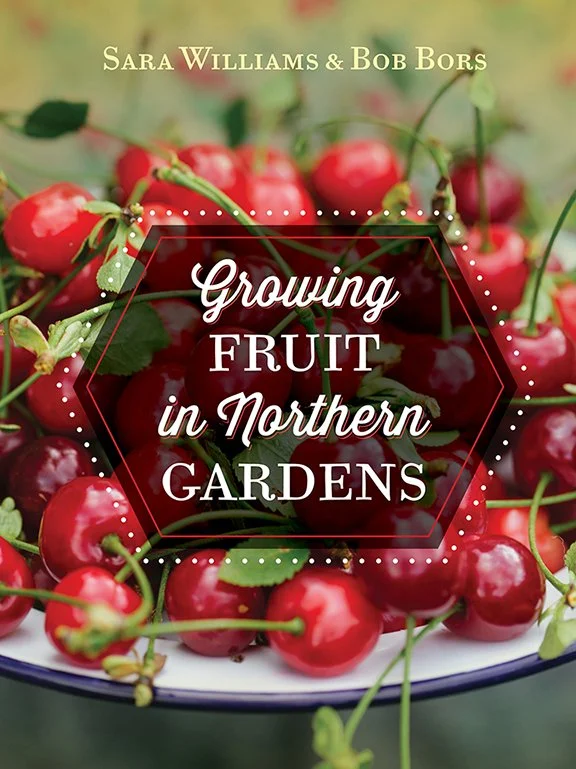
Growing Fruit in Northern Gardens
Bors is also the co-author of an excellent book: Growing Fruit in Northern Gardens. The book is not currently in print—but it’s well worth hunting for a used copy.

Hi, We’re Steve and Emma!
We help people grow food on balconies, in backyards, and beyond—whether it’s edible landscaping, a vegetable garden, container gardens, or a home orchard.