Grow and Cook Bamboo
Wendy Kiang-Spray on how to grow and cook bamboo.

Wendy Kiang-Spray, author of The Chinese Kitchen Garden, talks about how to grow and cook bamboo.
Wendy Kiang-Spray’s children don’t recognize canned bamboo shoots. That says a lot about the difference between fresh bamboo and its canned cousin.
Kiang-Spray, author of The Chinese Kitchen Garden, grew up eating fresh bamboo, one of the many crops her father grows in his large garden.
She talks about growing, harvesting, and cooking bamboo.
Grow Bamboo
There are two groups of bamboo:
Running bamboos spread quickly by underground rhizomes.
Clumping bamboos grow in clumps.
Kiang-Spray points out that running bamboo might not be suited to small yards—at least not without measures to contain it. “It would be a big mistake in my suburban backyard; all my neighbours would hate me,” she says, as she talks about how quickly running bamboos can spread. A running bamboo spread to her yard from a neighbour’s yard over 100 feet away…not exactly a slow-growing plant.
To keep running bamboo in check she suggests:
Grow in containers
Plant on high berms (new shoots coming out the side will be easy to spot)
Instal a metal, plastic, or concrete barrier, buried to a depth of approximately 30 inches
Harvest Bamboo
Bamboo is harvested in the spring. Kiang-Spray says to use a knife — or to simply kick it over. “They should snap really easily,” she says, likening it to asparagus.
After harvest, cut shoots lengthwise and remove the edible “heart” by scooping it out with a thumb.
Fresh bamboo must be boiled prior to use to denature toxins. Boil uncovered for 30 minutes before use.

Urban Growers + Gardening Under Cover
Jamie Day Fleck talks about the urban growers she met while filming her documentary In My Backyard; and Niki Jabbour talks about garden covers and her book Growing Under Cover.

Filmmaker Jamie Day Fleck and author and broadcaster Niki Jabbour.
Today on the podcast we hear how one person’s journey into food gardening evolved into a documentary film — and then we find out how to use garden covers to take vegetable gardening to another level.
In My Backyard: A Documentary about Urban Growers
Torontonian Jamie Day Fleck converted her entire suburban backyard into a kitchen garden. That was the starting point of her documentary, In My Backyard, where she looks at ideas that urban growers have dreamed up in her hometown of Toronto.
Fleck talks about the urban growers she met while filming, how their gardens were different — and what they had in common. She also reflects on the future of urban growing.
Growing Under Cover with Niki Jabbour

We head to Halifax for food-garden inspiration from author, broadcaster, and vegetable gardening expert Niki Jabbour.
Jabbour talks about gardening in a polytunnel, reflects on her 2021 garden, and shares tips about how to use covers in the garden to grow more, protect crops from weather, and minimize pest problems.
Her newest book is called Growing Under Cover. It’s a must-have for serious vegetable gardeners.
Pawpaw in Ontario with Paul DeCampo
Paul DeCampo talks about growing pawpaw in Ontario.

Paul DeCampo talks about pawpaw in Ontario: its history and how to grow it.
Pawpaw. It’s a fruit that has a long history in Ontario.
Yet it’s not well-known, nor do most people realize it grows wild in some parts of the province.
Paul DeCampo, Toronto’s pawpaw ambassador, planted his first pawpaw trees in 1994. “Nobody I knew had ever heard of this fruit,” he says.
Working in the food industry, he has had the opportunity to share his pawpaw fruit with chefs. Describing how, years later chefs will still talk about a fruit he gave them, he says, “Even if you’re someone who spends all day tasting the most interesting things, these are particularly astounding.”
Why Grow Pawpaw?
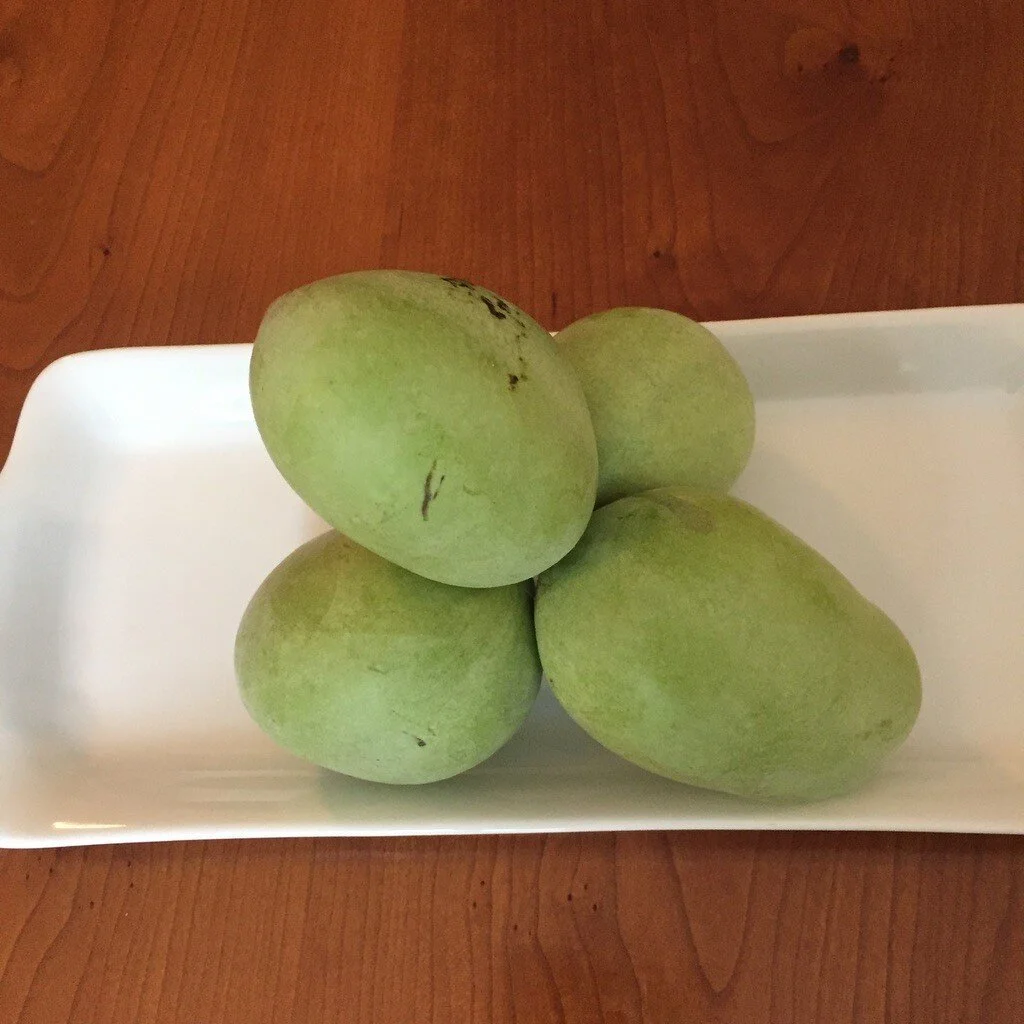
Pawpaw fruit from Paul DeCampo’s Toronto garden.
Besides the fact that the fruit is almost never available for sale, DeCampo says a pawpaw tree is a good fit for the challenges of a city yard.
That’s because:
Pawpaw does not require full sun
Pawpaw grows well under black walnut trees (which give off a compound that is toxic to many other plants)
There are very few pests that affect pawpaw
DeCampo’s Pawpaw Tips
DeCampo suggests thinking of a forest-edge garden when planting pawpaw. For urban gardeners, the shade of the forest is replaced by the shade of buildings.
Other tips:
Get three plants (two genetically-distinct plants are needed to get fruit…but nothing is certain in gardening, so DeCampo says to play it safe, and get three)
Life is short, so buy as large a tree as you can find and enjoy the fruit sooner
Pawpaw Resources
Plants: Grimo Nut Nursery
Books:
The Pawpaw Grower’s Manual for Ontario, by Dan Bissonnette
The novel The Overstory, by Richard Powers. The pawpaw is described as, “A sheepdog of trees;” the fruit having flesh that tastes like butterscotch pudding.
Doug Oster uses Newspaper Boxes to Share Seeds
Doug Oster uses Newspaper Boxes to Share Seeds

Doug Oster is using old newspaper boxes to share seeds with as many people as possible.
Where have all the newspaper boxes gone?
If you’re in western Pennsylvania, don’t be surprised if you find a dark green newspaper box with a sign in the window that says “Doug’s Free Seed Shack.“
Pittsburgh garden expert Doug Oster, a newspaper industry veteran, is using old newspaper boxes to get seeds to as many people as possible. He wants more people to garden. And he wants vegetable seeds easily available in communities where access to fresh produce is limited.
Having seen pictures online of seed-library boxes, he thought about doing something similar in his hometown of Pittsburgh.
Oster, who jokes about not being handy, decided building boxes wasn’t his thing. Instead, he repurposed old newspaper boxes. All it took was spray paint and a trip to the print shop for signs.
After the first summer of the project, Oster says he’s pleased with the results. The seeds are getting into the community. He’s getting good feedback. And people are asking if they can share seeds in the boxes, which is exactly what he wants. He wants the seed shacks to be like a library, where people can take seeds—but can also return seeds if they wish.
Tips for a Seed-Sharing Initiative
Oster says he needs to fine-tune the seeds he’s sharing through the boxes. He started by sharing what he knows, and what he thought would be useful to new gardeners. For example, he thought perpetual spinach—which has a long planting window, is easy to grow, and has a mild taste—was a great choice. But there was little interest in the perpetual spinach seed. What that taught him is that people often want to grow foods they know and love.
Oster’s tips for seed-sharing projects include:
Find a go-to person in the community who can let you know when a box needs refilling and can give insights on how to make it successful
Put it somewhere with good access, and where people feel safe
Don’t be shy about asking for sponsors
A Windy Newfoundland Homestead with a Sustainable Focus
David Goodyear talks about his homestead at Flatrock, Newfoundland.

David Goodyear
Old becomes new.
When David Goodyear began to think about food costs, sustainability, and how he and his family ate, he sat down with older relatives to hear how people used to eat. “Everybody ate root crops because they grew it themselves,” he was told.
Goodyear says there are many root crops that grow well in Newfoundland. It didn’t seem right when his grocery store had carrots from abroad. Nor did it didn’t seem sustainable.
Change in Diet Turns to Growing
Goodyear and his family started by changing their diet and eating more root crops. The food bill went down. They found more locally raised choices.
Then they decided to grow their own root crops.
Today they grow root crops, greens, tomatoes, strawberries…even figs. The next project? A food forest.
As Goodyear explains, his is a challenging climate. His town, Flatrock, is close to St. John’s, the third windiest city in the world. He has 110 frost-free days a year. “Winter starts in November; it doesn’t end till the end of May,” he says.
The focus on growing their own food led to an interest in storing the harvest. “If you’re going to grow a massive amount of root crops you need somewhere to put them,” says Goodyear as he talks about his root cellar.
Goodyear and his family switched up their diet; and have now switched up their life. Their homestead includes the gardens, a root cellar, a greenhouse, and a passive home.
How to Use Fig Leaves in the Kitchen
Chef David Salt talks about how to use fig leaves in the kitchen.

Chef David Salt explains how to cook with fig leaves. Salt’s restaurant is Drifter’s Solace.
Coconut. Almond. Green fig.
These are some of the flavours people use to describe what they taste when Chef David Salt serves something flavoured with fig leaves.
Salt cooked with fig leaves in London, England, where he had a ready source of fig leaves in a nearby churchyard.
Upon relocating to Toronto, he didn’t know where to find them.
And that’s when host Steven Biggs received an enquiry that read:
“I am looking for fig leaves to make dishes with at my restaurant (fig leaf ice cream, jelly, savoury sauces, custards etc.) Is there any possibility of getting some from you, before they fall for the winter?”
Salt got some fig leaves, and invited Biggs to the restaurant to taste his fig-leaf ice cream, fig-leaf cheese—and a fig leaf grappa!
Cooking with Fig Leaves
Salt says that the most classic method of using fig leaves is in the same way as banana leaves — as a wrap. When used as a wrap, they protect the enclosed meat or fish, keeping it moist. They also impart a unique flavour.
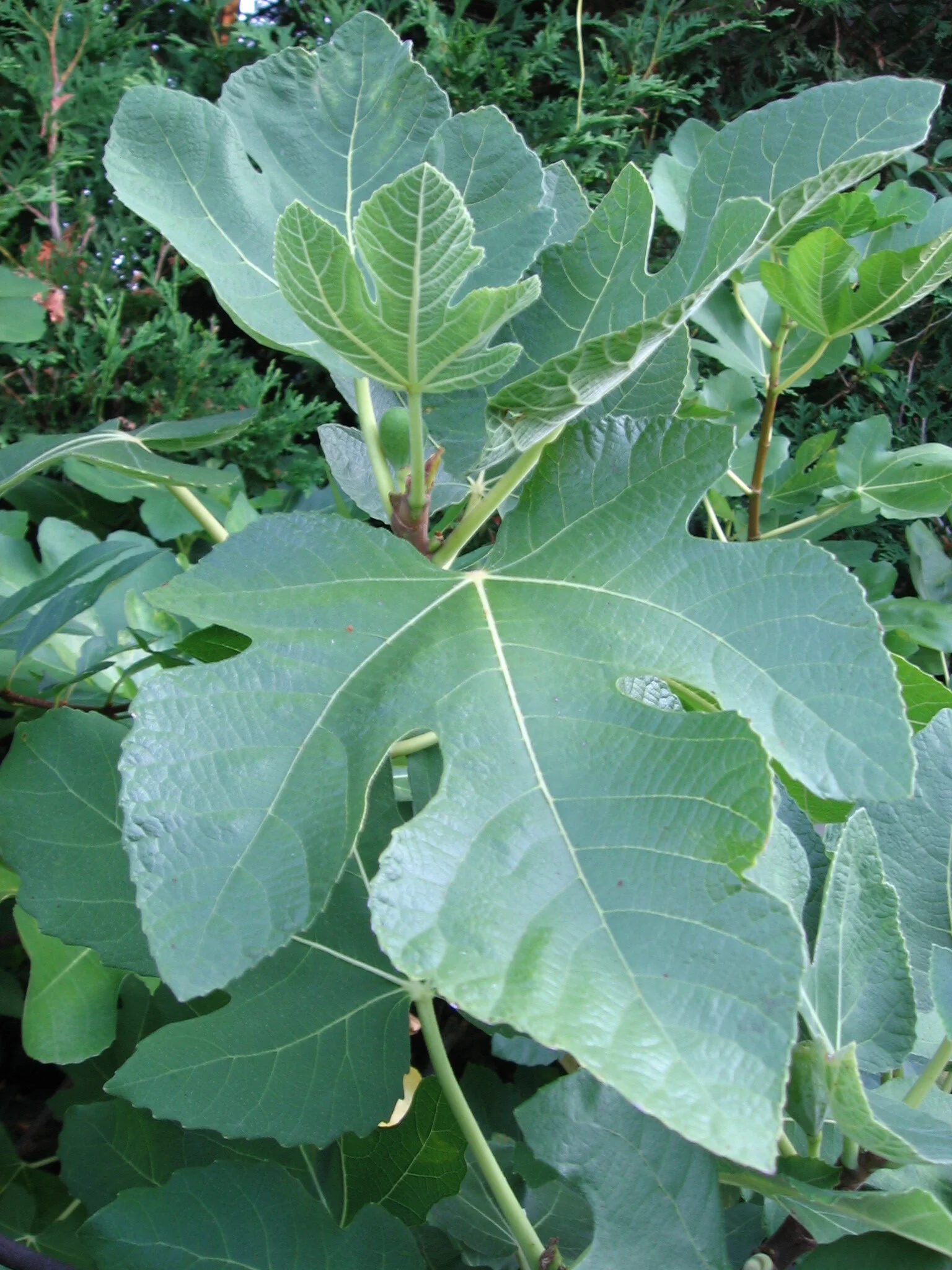
When cooking with fig leaves, the leaf is used to wrap food, or an infusion used to pull out the fig-leaf flavour.
The flavour is delicate. Salt finds it pairs well with light-flavoured meats or fish; and light-flavoured fruit such as strawberries and blueberries.
But he says to be creative: He’s paired fig leaves with hot chocolate, a strong taste, and found worked well.
His favourite dish made using fig leaves is ice cream.
For people using fig leaves for the first time, he explains that heat can help to bring out the flavour—but to avoid boiling, which results in a stewed-vegetable flavour. When time permits, a cold infusion is best.
Drifter’s Solace
Salt is gearing up to create fig-leaf flavoured foods this fall at his brand new chef’s-table style restaurant in Toronto. It’s called Drifter’s Solace.
Toronto has lots of big restaurants. Drifters Solace is at the opposite end of the spectrum: It’s small and personal, for groups of 6-8 people.
How to Forage for Mushrooms without Dying
Frank Hyman talks about how to forage for mushrooms.
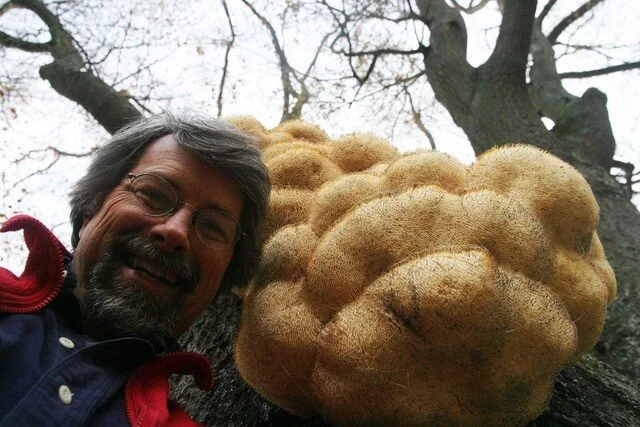
Frank Hyman talks about how to forage for edible mushrooms.
Mushroom identification can be daunting for beginners, with Latin names and spore prints used to differentiate hard-to-identify mushrooms.
In his new book, How to Forage for Mushrooms without Dying: An Absolute Beginners Guide to Identifying 29 Wild Edible Mushrooms, Frank Hyman focuses on edible mushrooms that are easy to identify.
Easy-to-Identify Edible Mushrooms
Hyman suggests starting with easy-to-identify mushrooms when learning to forage — mushrooms that can easily be distinguished from non-edible ones.
Here are some of the mushrooms that he talks about in this episode:
Chicken of the Woods. “It will look like a pizza sticking our of a tree.”
Morel. Easy to distinguish from the non-edible false morel because the entire interior is hollow when sliced in half from top to bottom (the false morel has chambers within it.)
Black Trumpet (a.k.a. Horn of Plenty). These mushrooms, which look like little bugles, are hollow tubes. Pick it up and look through it length-wise, as if it were a telescope.
Giant Puffball. Slice in half to see that the interior is solid white. “If it’s white like a piece of tofu, you’re good to go,” says Hyman. If you see the outline of a mushroom within, or if it’s not white — don’t eat it.
More than Dinner
Hyman points out that along with the culinary uses of foraged mushrooms, there’s another reason people might consider foraging: It’s a fun outdoor activity; it’s time outdoors, in nature.

Backyard Chickens
Hyman is also the author of the book Hentopia: Create a Hassle-Free Habitat for Happy Chickens; 21 Innovative Projects.
Here is a video in which he talks about backyard chickens.
Are You Frightened of Landrace Gardening?
Joseph Lofthouse talks about landrace gardening and promiscuous tomatoes.

Joseph Lofthouse talks about landrace gardening and promiscuous tomatoes.
Joseph Lofthouse had hundreds of jars of seed around his house when he began market gardening.
He saved seeds from each variety…a time-consuming task.
Today he has far fewer jars of seed. Today he practices landrace gardening.
Lofthouse no longer focuses on keeping pure varieties, but instead uses genetically diverse lots of seed.
His is the author of the book, Landrace Gardening: Food Security through Biodiversity and Promiscuous Pollination.
What is Landrace Gardening
Landrace gardening is not new. It’s a traditional method of growing using locally adapted, genetically variable seeds. The genetic variability makes it more likely that some plants will perform well even if there are adverse conditions.
“What I’m doing was standard practice through all of human history up until about 60 years ago, until people started farming with machines instead of human effort,” explains Lofthouse.
How to Start Landrace Gardening
Not having pure varieties feels strange to some gardeners. But Lofthouse points out that uniformity isn’t important in small-scale operations or home gardens.
Here are his tips for gardeners who want to try landrace gardening:
Grow and save seeds of a favourite variety
Then grow another variety of the same crop with desirable traits next to it
Aim for 2 - 5 varieties of the same crop from which to start your landrace
Lofthouse notes that there are some crops for which he avoids certain mixes. For example, he does not mix his popcorn with his sweetcorn; or his hot peppers with his sweet peppers.

Helping Other People Eat through Gardening

Julie Brunson from H.O.P.E. Gardens, on school gardens, regenerative gardens, gardens for healing, and helping other people eat.
Julie Brunson didn’t garden as a child, but began to garden and grow food as an adult. When her husband was in a dark place and found solace in their garden, the garden not only fed them, it helped him to heal.
That was the start of a journey into teaching kids about regenerative gardening, and also using the garden as a way to touch on a host of other topics including social justice, mental health, and nutrition.
Container Gardening with Hot Peppers - REWIND
Claus Nader from East York Chile Peppers on growing hot peppers in containers.

Claus Nader from East York Chile Peppers
Hot Peppers
What is the ideal plant for a small yard?
The ideal plant for someone wanting something ornamental – yet edible too?
And, just to complicate things, it has to be good for a garden where there are lots of squirrels.
Claus Nader found that hot peppers were that ideal plant.
Nader was gardening in a small yard that was frequented by marauding squirrels. While the squirrels sampled many of the things he grew, they didn’t eat his hot peppers.
So Nader made hot peppers the focus of his garden, growing them in pots on his balcony, deck, and dotted around his small yard.
Along with a passion for growing peppers in containers, Nader is also interested in unusual varieties and culinary uses and traditions. (His “Tummy Torch” sauce is magic on a piece of barbecued chicken.)
What's to Hate? A Look at the Whole Okra
Chris Smith, author of The Whole Okra, on growing okra, recipes, varieties.

Chris Smith, author of The Whole Okra, A Seed to Stem Celebration
Chris Smith remembers his first okra encounter well. It was at a diner in Georgia.
A native of the UK, where growing conditions are not conducive to heat-loving okra, the vegetable was foreign to him. So was the cuisine of the American south.
His recollection of that first taste of okra? Slime and grease.
While not enamoured by his first okra experience, a later gift of a dry okra seed pod—a pod with a story—ignited his interest in okra.
He began to grow it and to experiment with it in his own kitchen, using pods, leaves, flowers, stalks—even the seeds.
As that interest and his knowledge of okra grew, Smith started to teach others about it. In his quest for even more okra information, he’s spoken with food historians, researchers, farmers, and chefs.
He brings it all together in his book, The Whole Okra, A Seed to Stem Celebration.

Edible Front Yards and Sensory Gardens
Jennifer Lauruol on edible front yards, sensory gardens, and native plants
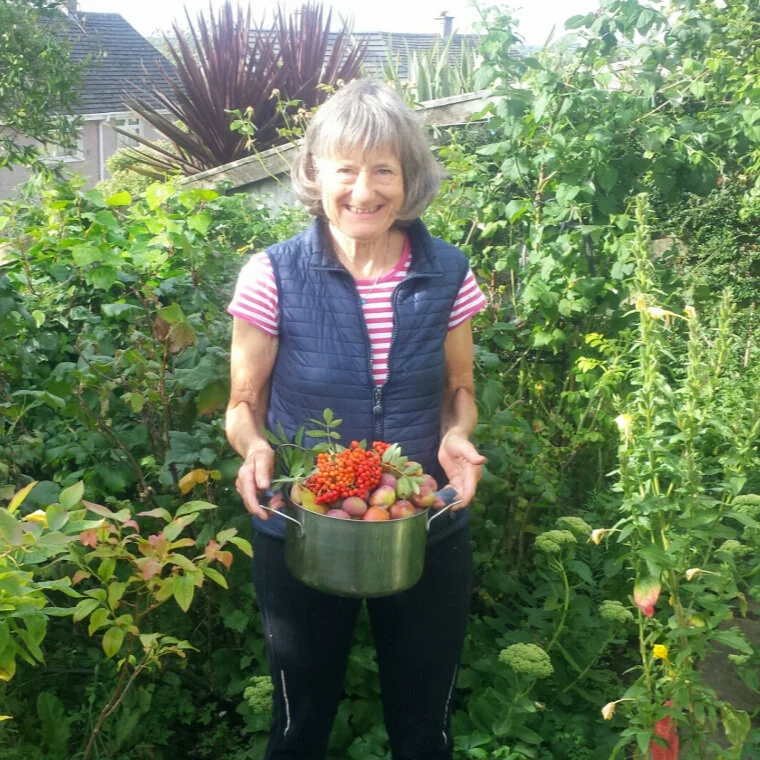
Regenerative-garden designer Jennifer Lauruol talks about edible front yards, sensory gardens, and native plants.
Jennifer Lauruol weaves together permaculture concepts, native plants, food plants, forest gardening, and educational elements in her regenerative-garden design work in Lancaster, England.
Her passion is edible ornamental gardening—especially in front yards.
Lauruol also uses many native plants in her designs. She finds that effective design helps people interpret the use of native plants as a garden.
Edible Front Yards
Lauruol recalls a neighbour’s concern that children might steal the fruit that Lauruol was growing in her front yard. Yet that was exactly her goal: that children would enjoy the fruit and learn where it comes from.
She says that a well-planned garden can have a succession of edible fruits and ornamental plants. Another way to weave edible plants into a landscape is to create an edible hedge.
While edible front gardens might not appeal to everyone’s taste, Lauruol does have a tip for gardeners worried about sceptical neighbours: “I do know what to do about the diehards: give them strawberries,” she says.
Native Plants
Lauruol explains that having a mown strip around plantings of native plants helps people understand it as something intentional. “If you create a frame around it then people can understand it,” she says.
Her own design with native plants is strongly influenced by Brazilian artist, painter, and landscape architect Roberto Burle Marx, who used big blocks of colour in his work. She says planting native plants in large drifts, as opposed to mixed plantings, is an approach that is less likely to be interpreted as sloppy.
Sensory Gardens
Lauruol creates sensory gardens for people with special needs. Her focus on sensory gardens stems from her own experience with her daughter Marie, who has special needs. “She comes alive when she is in nature,” says Lauruol, adding, “For me, the base of a sensory garden really needs to be a wildlife garden.”
Senses to stimulate with a sensory garden:
Sound. The sense of sound is often overlooked in garden design..
Sight. Lauruol likes to make colourful planting in the shape of a rainbow so visitors get a very strong sense of each colour
Taste.
Smell. “Different kinds of scent are like an orchestra,” says Lauruol. She says to remember scents other than floral scents, such as compost with its woody notes.
Touch.
Meet the Indiana Jones of Pawpaw
Neal Peterson hunted down lost pawpaw varieties to use for his pawpaw breeding work
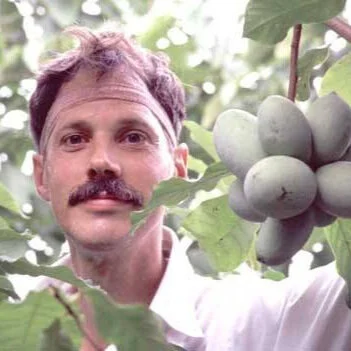
Neal Peterson hunted down lost pawpaw varieties from the early 20th century to use in his pawpaw breeding work.
Meet Neal Peterson, the Indiana Jones of pawpaws. He was so moved by the taste of pawpaw that it became his life’s work.
There were improved pawpaw varieties in the early 20th century—but the fruit fell into obscurity.
Peterson dug through the literature to uncover past pawpaw breeding work, and then set out to track down lost varieties for use in his own pawpaw breeding work.
About Pawpaw
Peterson says that in the wild, pawpaws are an “understorey” tree, often growing in shade of larger forest trees. When they are in shady locations they become lanky and do not produce a lot of fruit.
But given more light, they produce much more fruit.
Two genetically distinct trees are needed to produce fruit.
Pawpaws sucker extensively, which can give rise to groves of pawpaw that are all clones from a single parent tree.
Peterson says that in the wild, pawpaw fruit can be quite seedy, with up to 25% seed by weight. In his work he has bred varieties with more fruit and less seed. His best variety has 4% seed by weight.
Pawpaws at Home
Pawpaw trees are well suited to a home garden, growing to approximately 20 feet high. While orchardists might space trees widely for equipment, home gardeners can reduce spacing.
Grow 2 in the space of 1: Peterson recommends planting two trees only a couple of feet apart if space is a challenge.
Choose a sunny site: While trees are shade-tolerant, they produce more fruit in sunny locations.
Minimize competition: Keep weeds and grass two feet away from the tree until it is well established
Keep soil moist: Mulch with compost to minimize weed growth and keep soil moist.
For cold climates: Choose early-ripening varieties such as ‘Shenandoah’ or ‘Allegheny’
Caution: Weed eaters can damage the bark.
Once established, pawpaw trees sucker profusely. If growing an improved variety that is grafted onto a rootstock, remove the suckers, which will be the same as the rootstock.
Grow Pawpaw from Seed
For gardeners who want to grow pawpaw from seed, Peterson notes that they are slow to germinate.
He suggests planting the seeds in the fall where they are to grow, or storing in the fridge in damp sphagnum moss in a sealed bag. They require a period of cold, moist conditions before germination.
Do not allow seeds to dry out because this will greatly reduce germination.
He says it can take 7 years until seed-grown trees flower.
Urban Farm Camp for City Kids
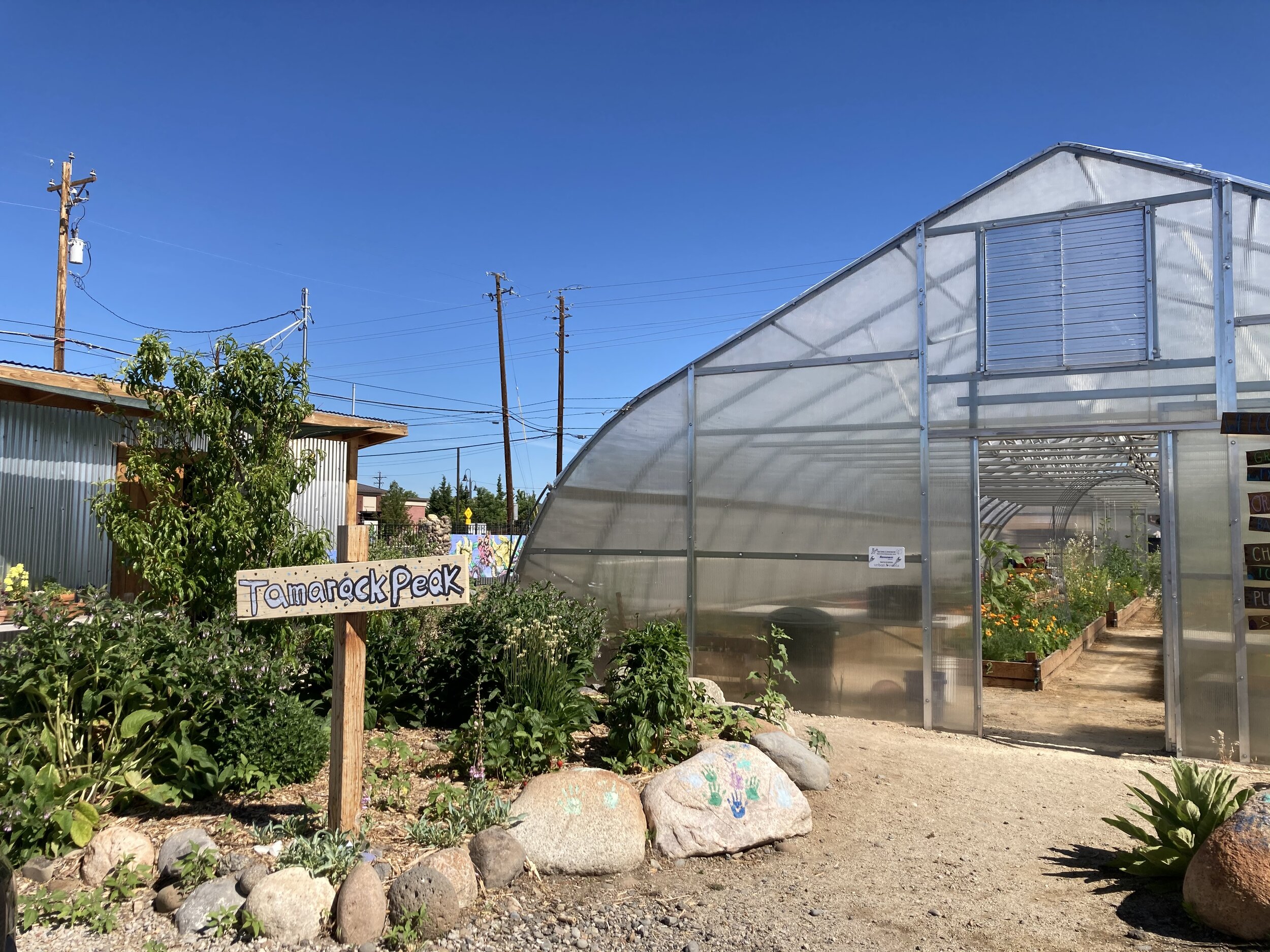
Urban Roots in Nevada uses gardening as a lens for teaching many other topics

Fayth Ross, executive director, and Elsa DeJong, volunteer manager, at Urban Roots talk about garden education.
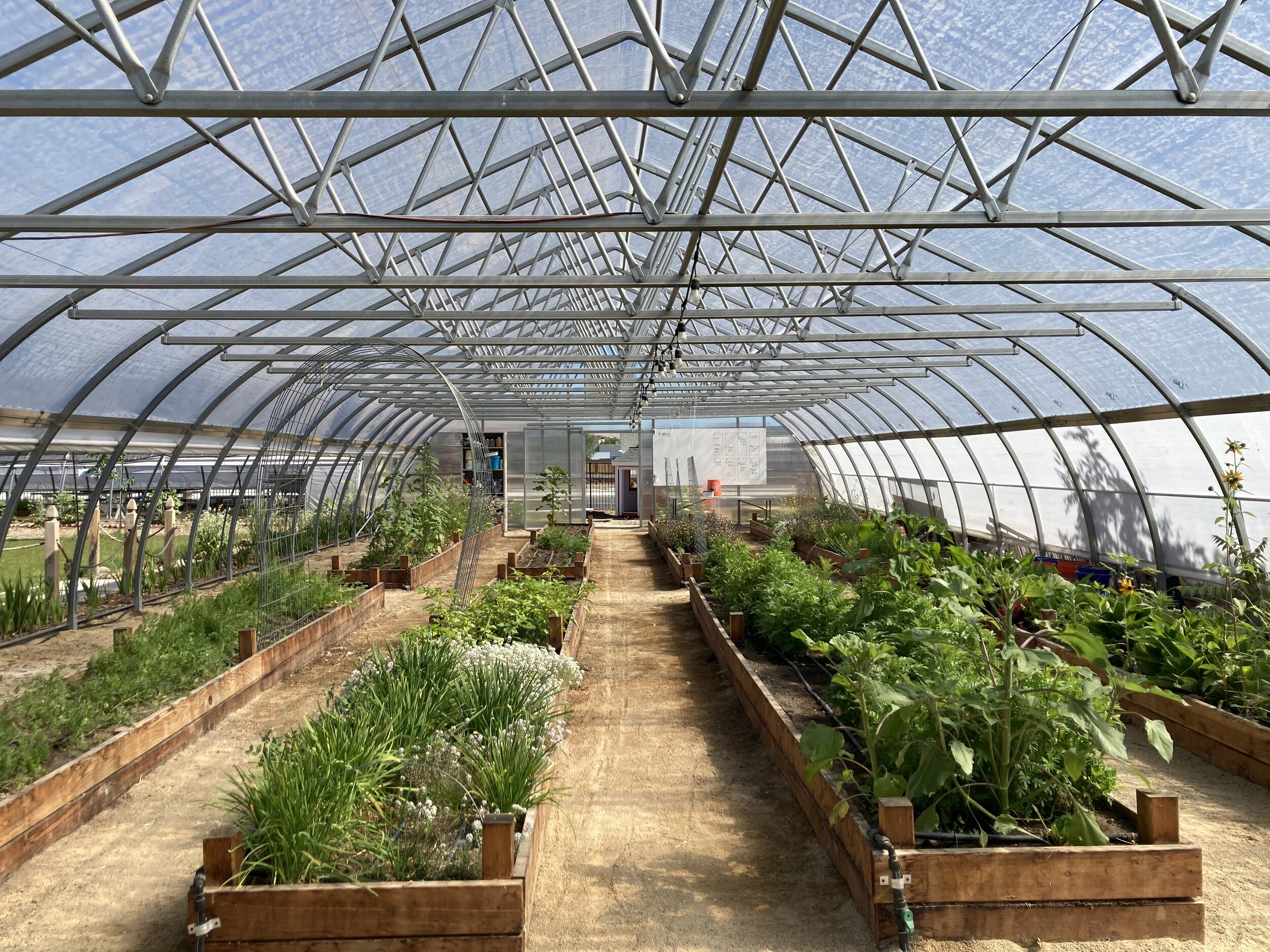
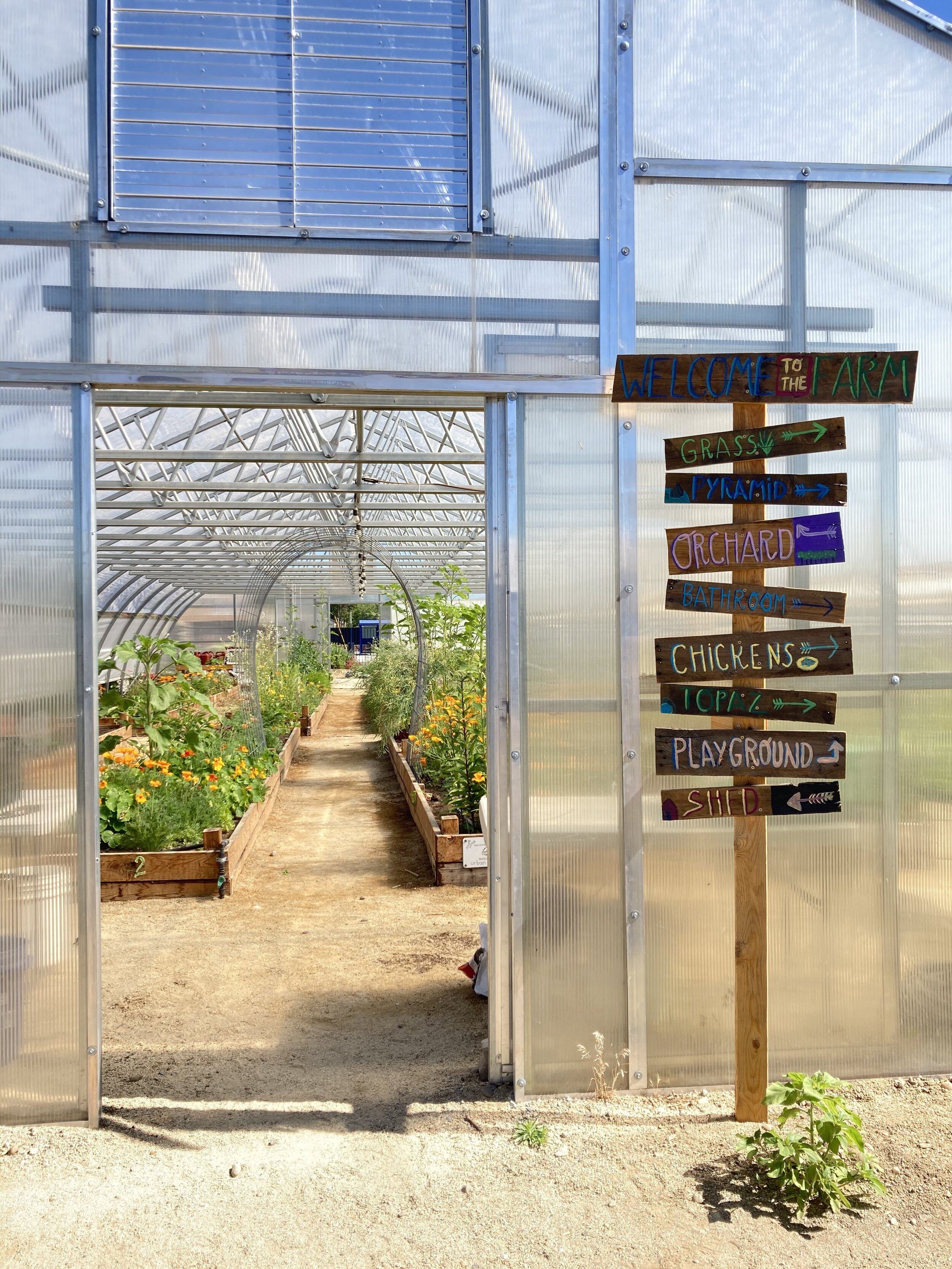
Today on the podcast we head to Reno, Nevada to hear about Urban Roots, an organization that uses garden education to help change the way people eat. It takes gardens to classrooms…and uses the garden as a classroom at its urban teaching farm.
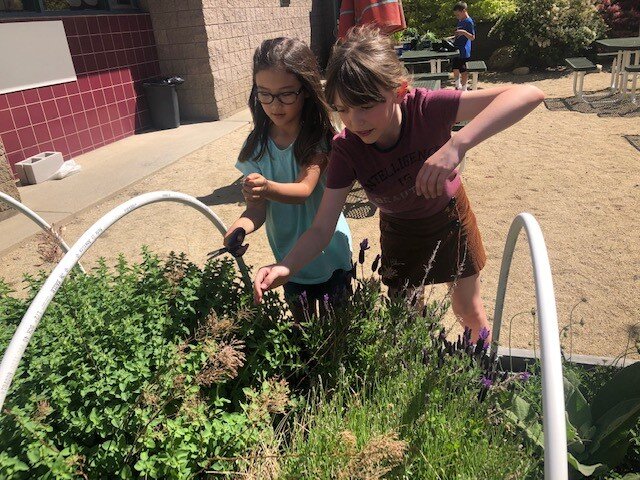
Fayth Ross and Elsa DeJong talk about the summer farm camp, programming for home-schooling families, and collaborations with local schools.
Farm Camp
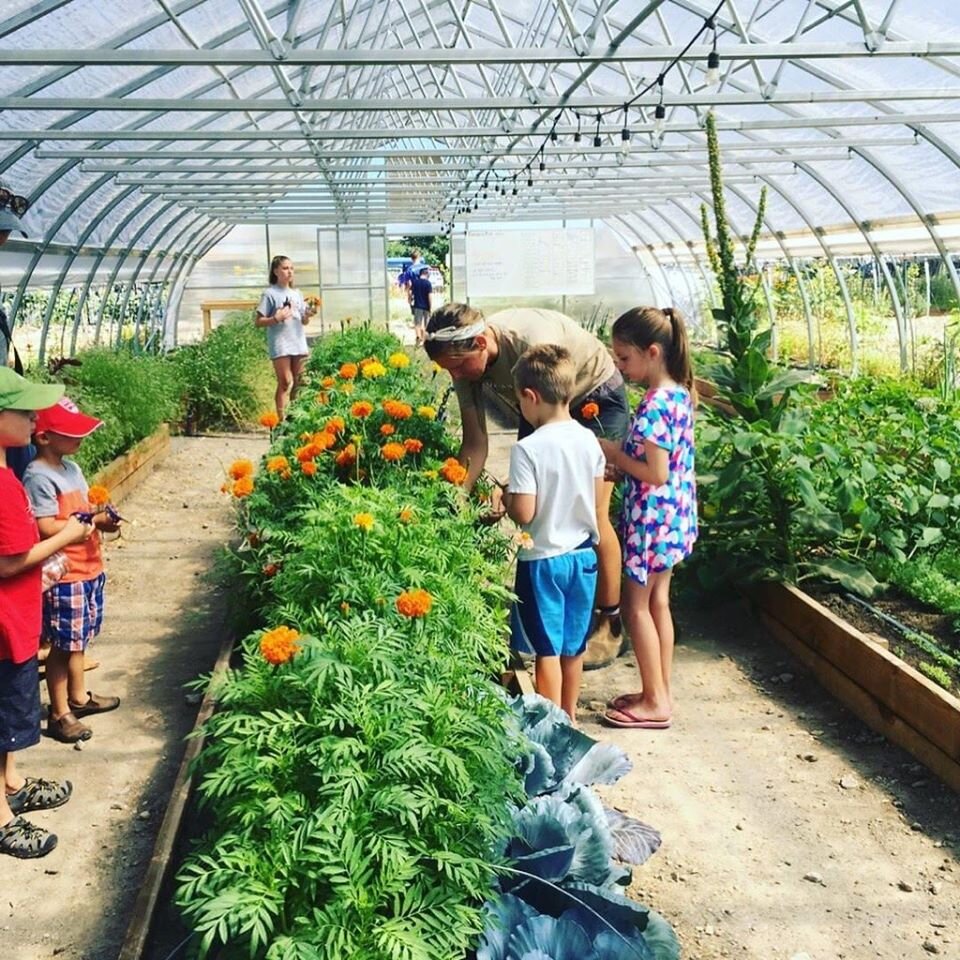
During the summer and school breaks, Urban Roots runs programming for children at its urban teaching farm.
DeJong explains that there is a different theme each week. Themes include:
A bug’s life
Once upon a farm
All about bees
Woven into this farm camp curriculum are literature, art, engineering, music — and cooking.
Farm School
This program for home-schooling families takes place twice a week during the academic year, and includes lessons, games, and farm chores.

Choose-Your-Own-Adventure No Till
Jesse Frost on his choose-your-own-adventure approach to no-till
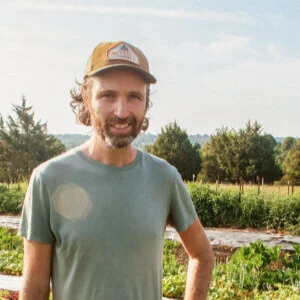
No-till expert Jesse Frost talks about soil and about choosing an approach to no-till suited to local conditions.
In this rebroadcast of the radio show that aired live on July 7th, we talk about soil and no-till practices with market gardener, farm journalist, and podcaster Jesse Frost.
He’s the host of The No-Till Market Garden Podcast, and he and his wife are no-till farmers at their Rough Draft Farmstead in Kentucky.
Frost’s new book is The Living Soil Handbook.
Choosing a No-Till Model
Frost says that there is no one-size-fits-all model of no-till growing.
It depends on the context — things such as soil, rainfall, climate, and the crops being grown.
No-till is as varied as the growers using it.
3 Principles to Grow By
A successful no-till system goes beyond not tilling.

Frost suggests three principles growers and gardeners can use to guide their approach to tillage:
Disturb the soil as little as possible
Keep the soil covered as much as possible
Keep the soil planted as much as possible
Coppices, Alcoholic Hedges, and Thoughts on Ecological Gardening
Matt Rees-Warren on ecological gardening, coppices, hedgerows, and schythes
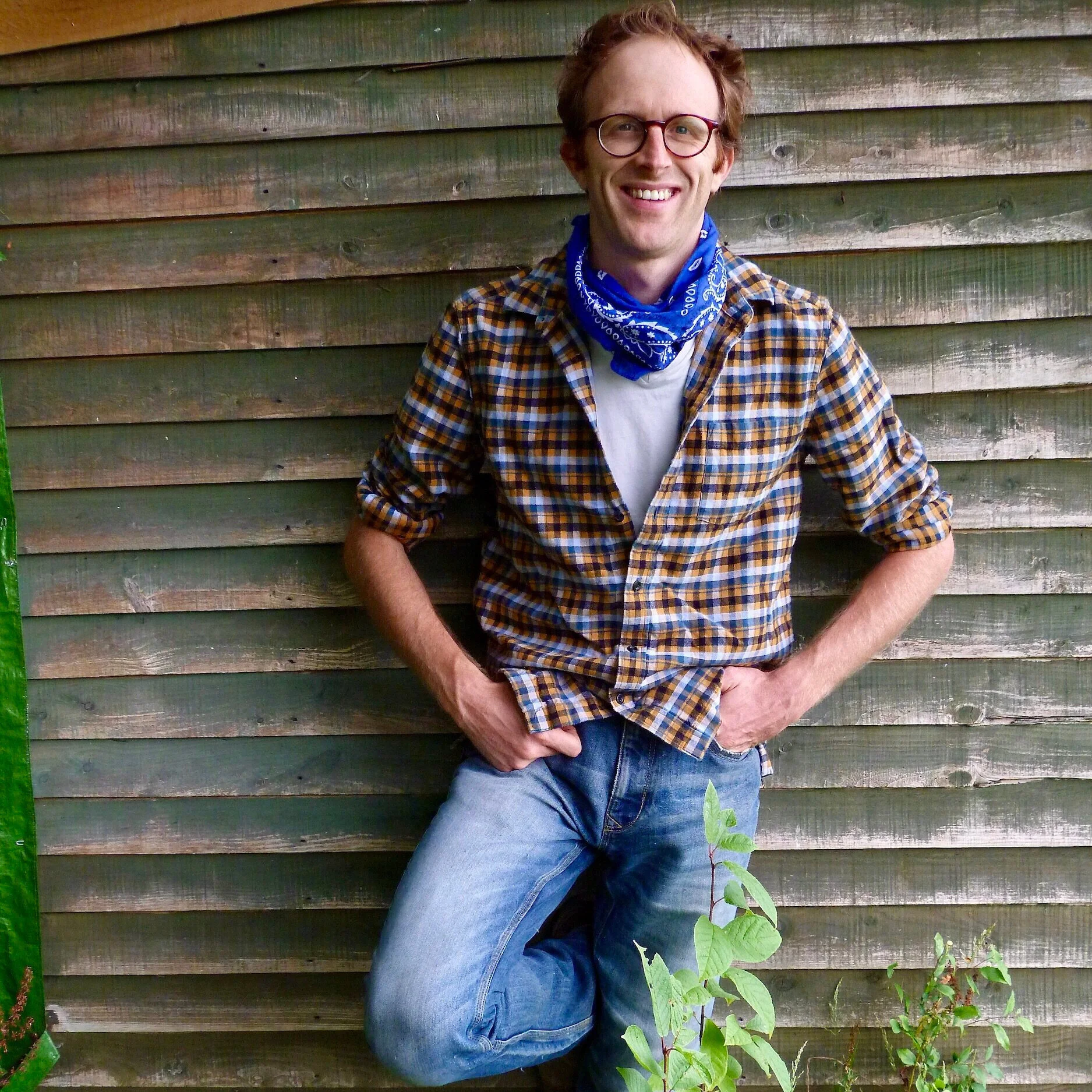
Matt Rees-Warren talks about ecological gardening, scythes, coppicing, hedgerows — and pleachers.
Where is the sweet spot that gardening meets the natural world…so that gardening is ecological? Our guest today explains that ecological gardening is all about balance.
Matt Rees-Warren says, “Your garden is a pocket of wild; it will never be purely wild, because it’s an interaction between ourselves and nature. But it can be much more regenerative.”
Rees-Warren is a professional gardener and garden designer who’s passionate about the difference that individual gardeners can make to strengthen biodiversity and lessen environmental degradation.
He says gardening is one way individuals can make a tangible difference to the environment. Don’t wait for governments to act, he says. Start making changes now, in your own garden.
Rees-Warren is the author of The Ecological Gardener: How to Create Beauty and Biodiversity From the Soil Up.
Ecological Gardening

“If we design our gardens to be regenerative, the result will be functional, beautiful spaces full of life and vigour, robust enough to face the challenges of the future and elegant enough to beguile all those who walk among them,” says Rees-Warren.
But ecological gardening is more than a philosophy. There are many practical things we can do in the garden.
Here are some of the ideas discussed:
Coppicing. Talking about renewable materials for the garden, Rees-Warren explains the process of coppicing, where trees are repeatedly cut back to the ground to give a harvest of sticks that can be used in the garden.
Scythe. He describes this as “the most immersive” of tools. “It’s the only tool for wildflower meadows,” he says.
Hedgrows. Rees-Warren says hedgerows can also be food reservoirs, using plants such as blackberry, sloe berry, hops, raspberry, and hazelnuts. On the mention of sloe gin, he adds that sometimes these are called, “alcoholic hedges.”
Pleachers. “Laying a hedgerow” and the technique of using “pleachers” is one way to create attractive hedgerows that are like a living fence. Young trees are cut leaving just a thread of bark connecting them to the stem, and then folded down horizontally. “It looks fabulous,” says Rees-Warren.
Sochan, Galinsoga, Squash Tips: Root-to-Flower Cuisine
Chef Alan Bergo talks about root-to-flower cooking and foraged ingredients.
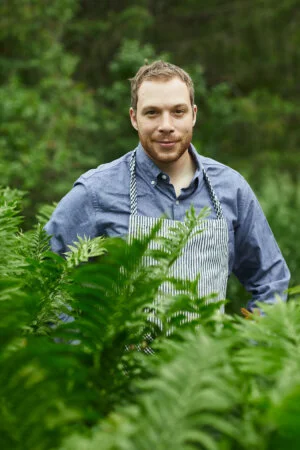
Chef Alan Bergo talks about root-to-flower cuisine, foraging, and some unexpected flavours.
Our guest today, Chef Alan Bergo, looks at vegetables through the eyes of a forager. He’s passionate about using parts of the plant that are often overlooked.
Chefs using a whole animals might use the term nose-to-tail cooking. Bergo takes this approach with his vegetables, using a root-to-flower approach.
Bergo is the author of the new book, The Forager Chef’s Book of Flora: Recipes and Techniques for Edible Plants from Garden, Field, and Forest.
Often-Forgotten Plant Parts
Bergo talks about using squash tips in the kitchen. “The squash is a perfect example of how foraging and looking for different ingredients changed how I consider vegetables that I thought I knew,” he says.
His advice for cooking squash shoot tips? Cook gently and delicately. Steam them, or blanch for one minute…or barely wilt them in a pan.
Other often-forgotten plant parts include:
Fennel fronds. Bergo likes to combine these with parmesan cheese and bread crumbs to make into cakes.
Carrot leaves. He suggests simmering them in salted water. They keep their shape and texture when gently cooked, and can then be used like salad.
Unripe sunflower heads. They have the texture of an artichoke along with a strong sunflower flavour.
Foraged Ingredients

Sochan. Bergo explains that leaves from this rudbeckia family member can be harvest three to four times over a year. The leaves formed after the flower stalk dies back are different—and are his favourite. Older leaves have a stronger flavour.
Nettles. He finds that common nettle has more of a “saline” or “oceanic” taste than Canada nettle.
Milkweed flowers can be used to make drinks with an intensely fruity flavour.
Meadowsweet flowers have an almond-like taste. Bergo says that a good way to catch floral aromas is by using cream.
Black walnut. Young nuts can be used to make a jam and ketchup.
Pine pollen. It’s used in China and the Middle East to make sweets.
Thoughts on Flavour
Bergo talks about flavours that are shared amongst plants in the same families, recounting the time he served dolmas made using galinsoga leaves, only to have people ask him if they contained artichoke.
Another example of a shared flavour is the hint of almond that shines through in plum-kernal oil or Saskatoon berries.
Bergo’s Top Tips
Steaming greens keeps more flavour than blanching.
Try something new!
Garden in Your 90s
Physiotherapist Nancy Durrant talks about the garden and gardeners at a Toronto long-term care home.

Physiotherapist Nancy Durrant talks about the food garden—and the avid gardeners—at the long-term care home where she works.
“I can’t hold them back sometimes,” says physiotherapist Nancy Durrant as she tells us about the garden at the long-term care home where she works.
The residents she’s talking about are mainly in their 90s. And the vegetables and herbs they grow and harvest become part of the menu at this Toronto long-term care home.
An avid gardener herself, Durrant says the home had nice grounds previously…but she saw the space and imagined a garden. The management agreed with her idea of a garden, and two years ago, Durrant, with the help of staff members who built raised beds, set out with a core group of residents to garden.
She points out that gardens are an excellent fit for what she does as a physiotherapist because gardening is exercise. It’s good for the body, and good for the mind.
Growing Interest
There is a core group of residents who, along with staff, run the garden. Durrant says other residents take part, especially with harvest.
Along with vegetables, they grow a number of herbs. “We have a few herbs which I think is really good because it hits more senses,” says Durrant, talking about the sense of smell.
There are a number of ways they grow interest in the garden:
Grow plants from seed. They grow all all of their plants themselves, from seed. Some are started indoors; some are sown directly in the garden.
Weigh the harvest. Last year they harvest 178 pounds of food. Durrant points out that while this might not sound like a lot, they grow a lot of herbs, which weigh very little.
Grow unusual plants with a story. They focus on heirloom varieties, and put up posters with the story behind the heirloom varieties.
Document progress. Time-lapse photo displays document the progress of the garden.
Save seeds. Residents save seeds from heirloom varieties for the following year, and to share with the community.
Eat what you grow. Produce from the garden is used in meals at the home, with home-grown ingredients highlighted to residents.
Giving back to the community. Donating harvest to a food bank is a way residents can contribute to the community.
Age-Appropriate Garden Tips
Durant says that the gardens are a combination of in-ground plots, raised beds, and containers. The desk-height raised beds make it possible for gardeners with differing physical abilities to take part.
Break up the work into small windows, 1 hour maximum.
For gardeners with arthritic hands, modify tools by adding large grips.
Select long-handled tools to minimize the need to bend.
Select shovels with a small blade to reduce the weight lifted.
Find a Way
Durrant says that there are ways to help those with disabilities continue to garden.
She gives the example of a resident who recently had a heart attack, but who can still cut herbs in the raised beds, and can drops bean seeds into a pre-dug trench.
Black Creek Community Farm
Black Creek Community Farm in Toronto

Mildred Agsaoay and Adjowa Karikari from Black Creek Community Farm talk about the farm, its programs, and the community.
Today on the podcast we visit the Black Creek Community Farm in Toronto.
The farm is located along the northern boundary of the City of Toronto, in a densely populated neighbourhood where Toronto meets one of its northern suburbs, within walking distance of the Jane and Finch neighbourhood.
If you’re from Toronto, you’ll know Jane and Finch — at least by name — from the media attention it gets.
The good things going on in the area — and that there is a vibrant community here — don’t get a lot of media attention, so it might be a surprise for some people to connect Jane and Finch with urban farming, with growing food, and with growing community through food.
“When you do something from the heart, when you’re passionate about what you do, I think you can do big things.” Mildred Agsaoay
Unique Property

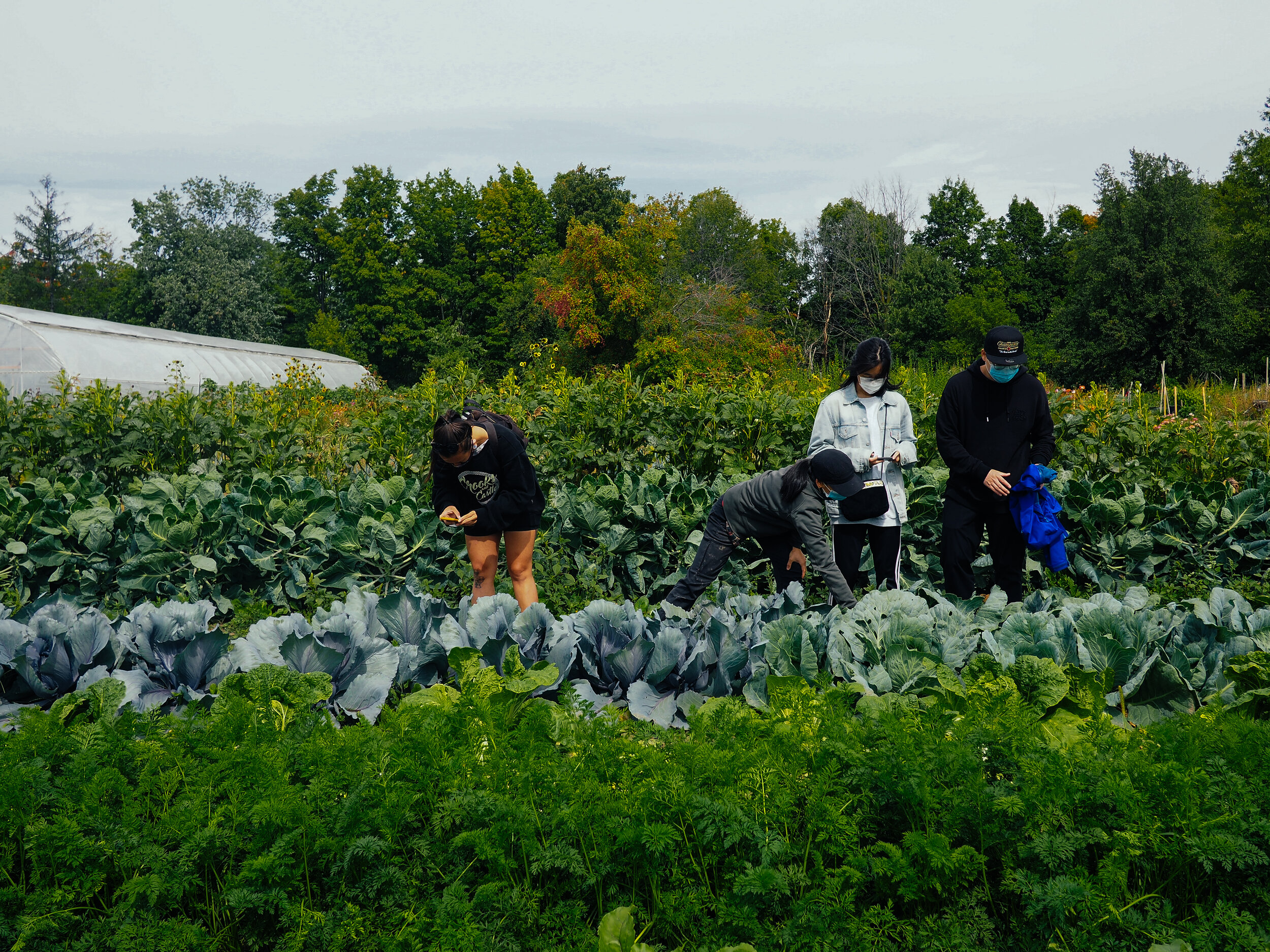
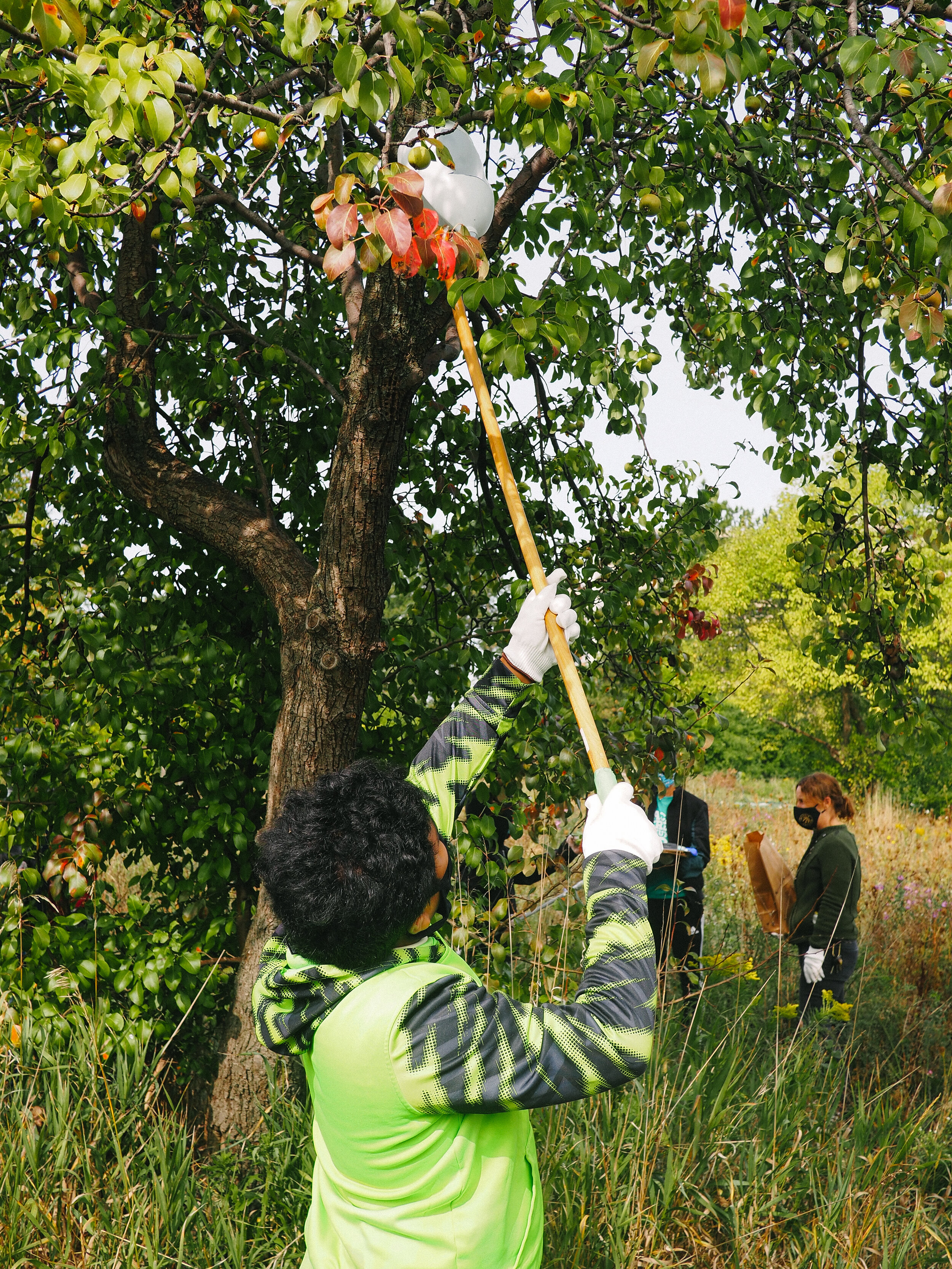
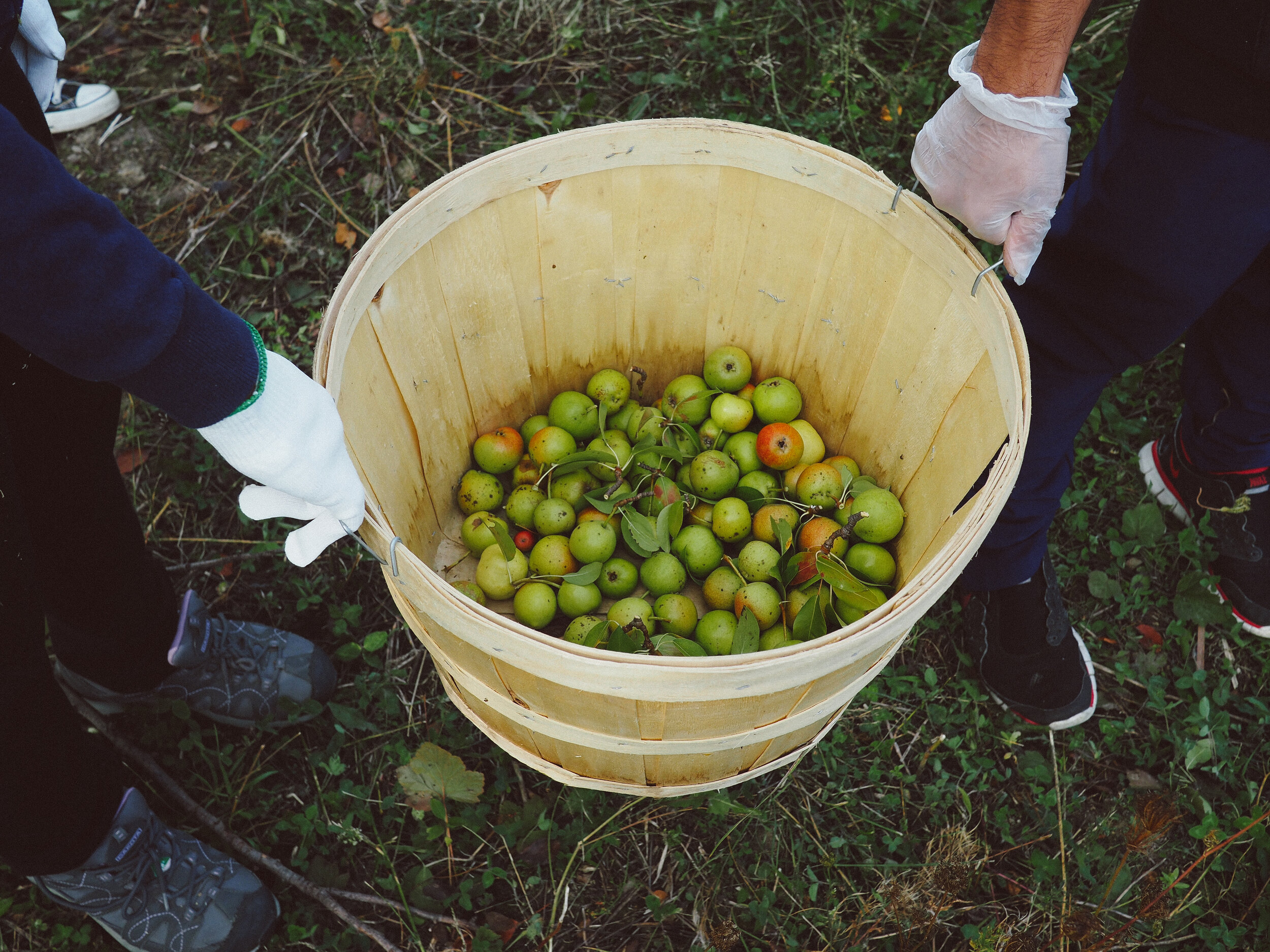
Founded in 2012, the Black Creek Community Farm is on an eight-acre property that includes three acres of farmland, a heritage farmhouse and barn, and forest that extends into the Black Creek ravine.
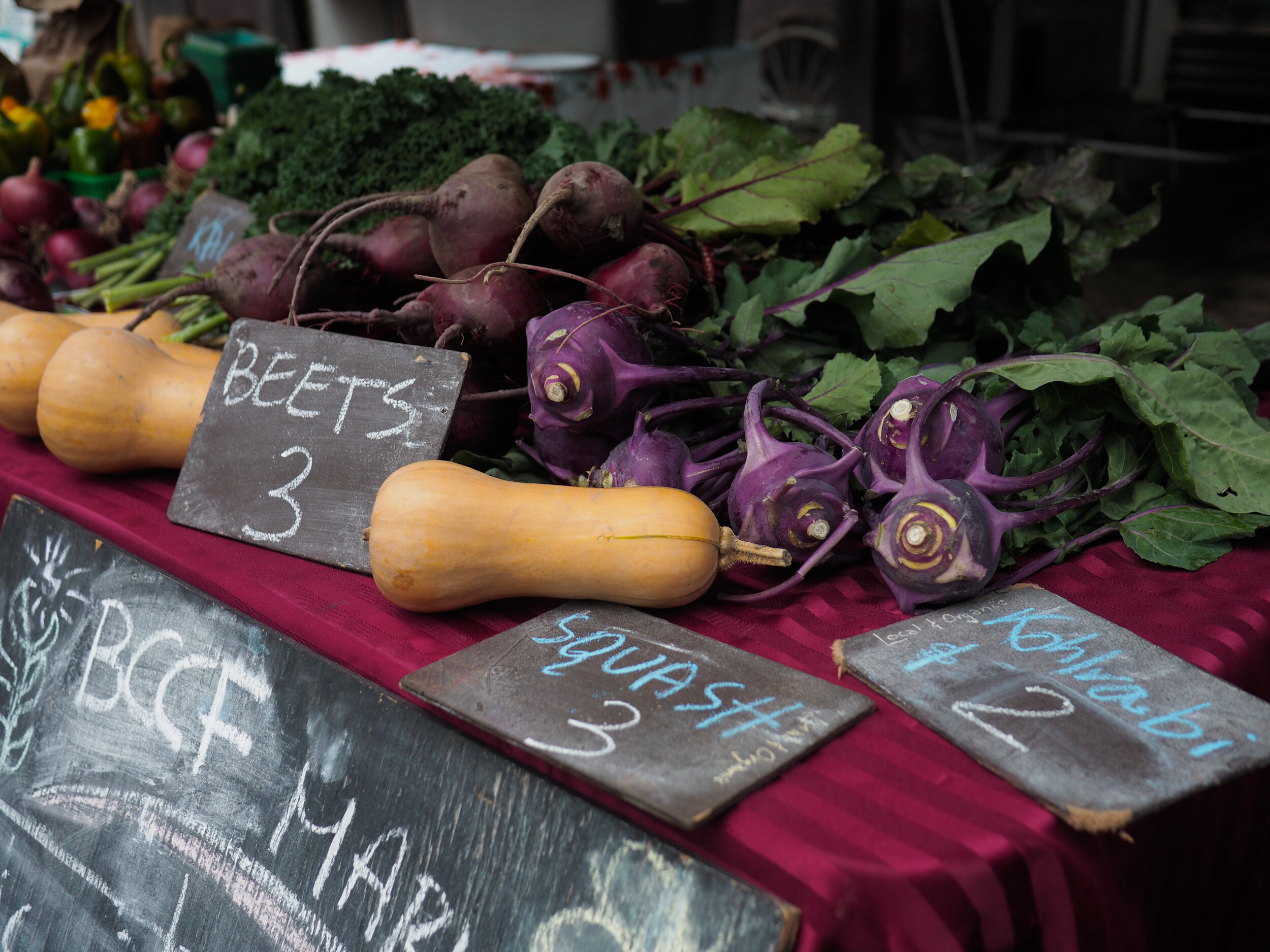
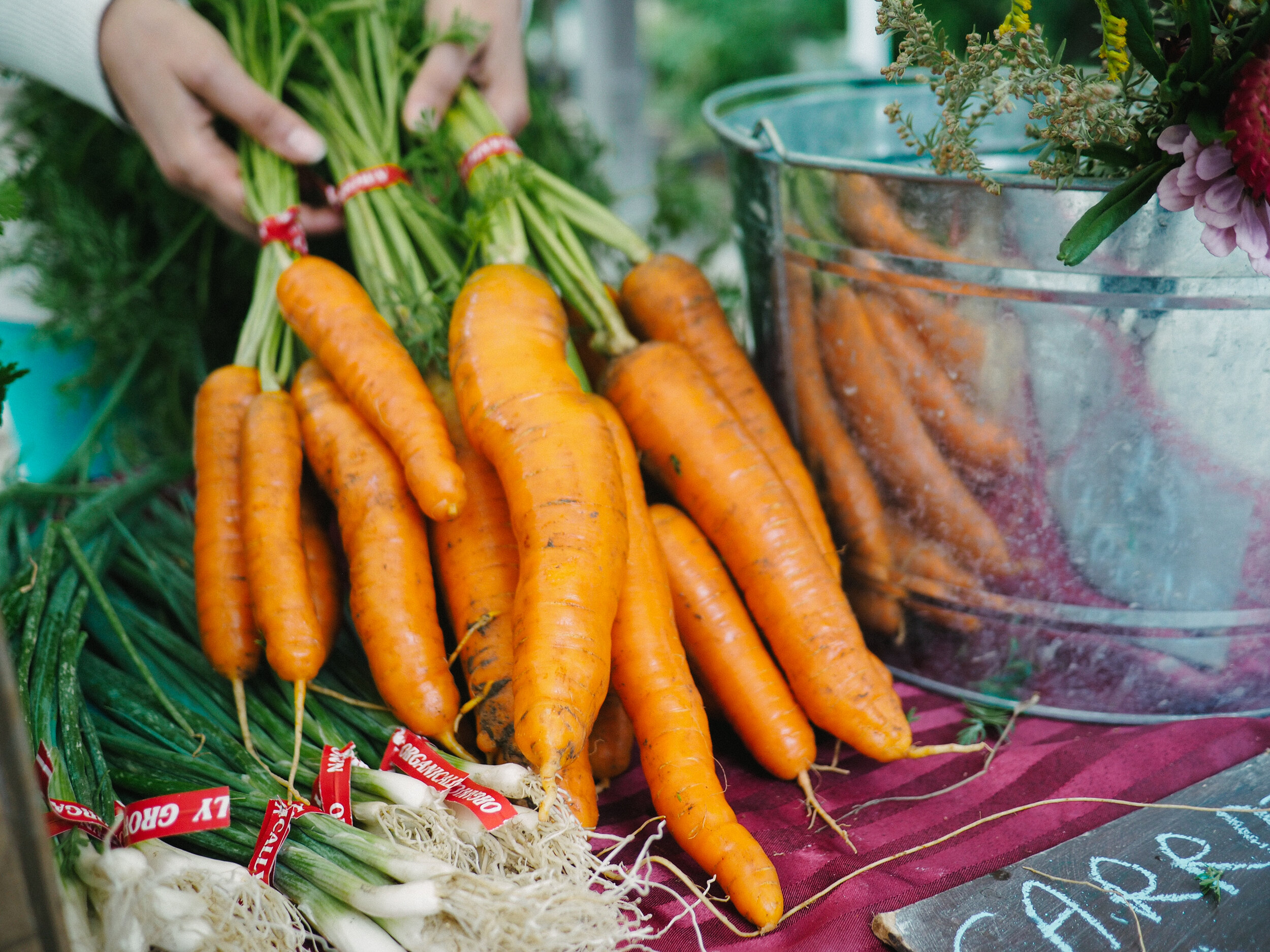
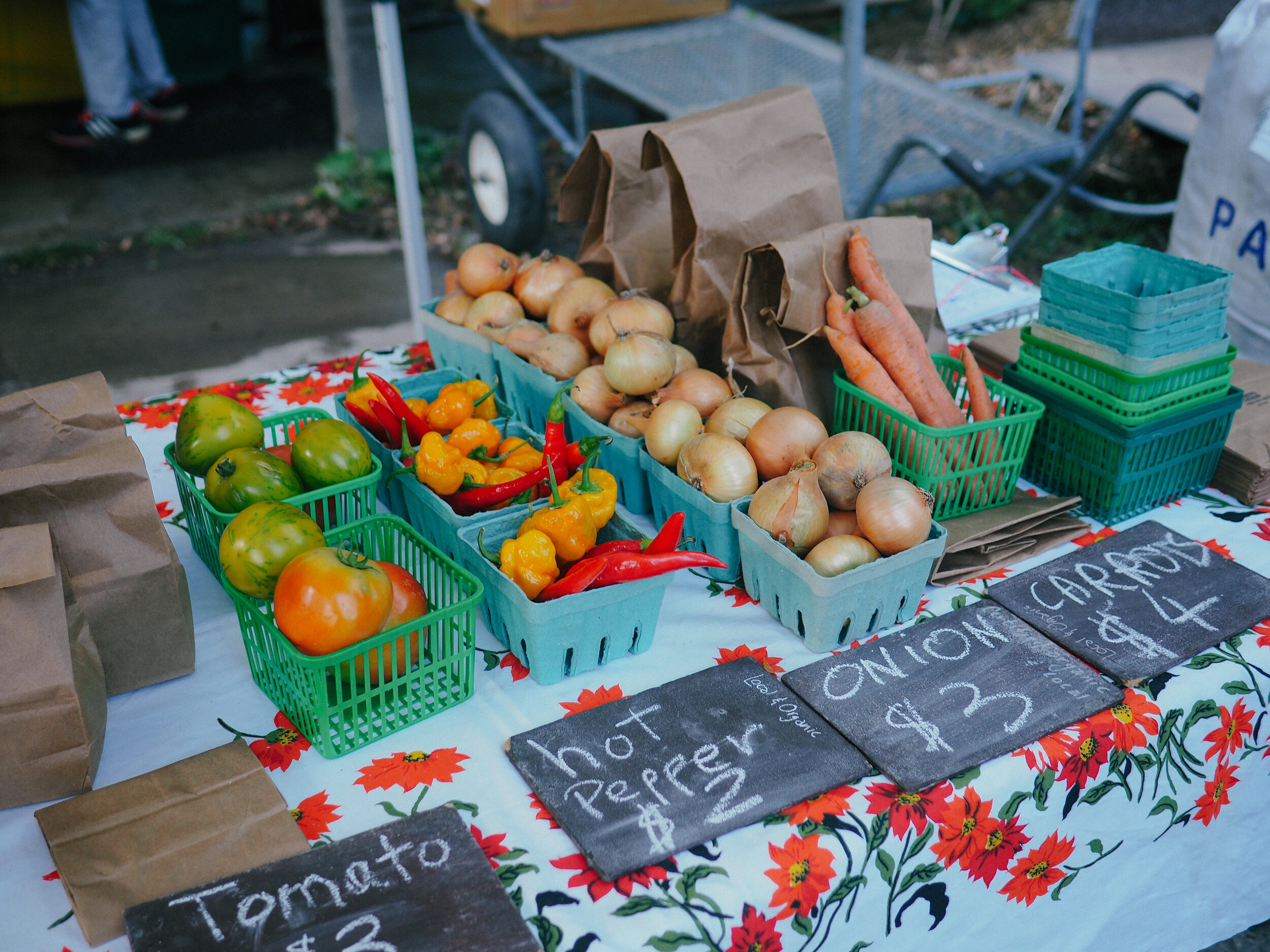
The property has a market garden, a food forest, greenhouses, an outdoor classroom, an outdoor brick pizza oven, a medicine-wheel garden, a mushroom garden, a chicken coop, and beehives.
At the Farm
There are a number of programs at the Black Creek Community Farm.
The Urban Harvest program, a partnership with the City of Toronto, facilitates sharing of surplus harvest by community members with food banks.
There are workshops about growing, cooking, and food preservation.
Programs for seniors help prevent social isolation. Participants tend the gardens, cook together, and even have exercise programs together.
Programs for school-age children build awareness of plants and growing—but also social justice and food justice. Adjowa Karikari, who facilitates student programming, also includes other topics that might grab the attention of students, including worms and worm composting, edible weeds, bugs, and weird plants and animals.
Sunshine Community Garden
Beyond the farm site, the Black Creek Community Farm has been involved in the creation of the Sunshine Community Garden on the property of a nearby high-rise apartment building. Agsaoay explains that the garden is more than just growing food: It’s a way to build community.
“Growing food is a great connecctor for people. It builds relationships and trust.” Mildred Agsaoay
Grow Fruit in a Small Garden
Christy Wilhelmi talks about how to grow fruit in small spaces

Christy Wilhelmi is a self-described garden nerd with a passion for growing fruit and vegetables, and is an expert at small-space edible garden design.
In a broadcast that originally aired live on The Food Garden Life Radio Show, we head to California to talk with Christy Wilhelmi, a self-described garden nerd with a passion for growing fruit and vegetables, and an expert at small-space edible-garden design.
In the podcast she shares tips about:
Incorporating fruit plants in small-space gardens
Growing fruit in containers
Pruning
Tips to succeed for gardeners who are new to growing fruit
Her obsession with gardening began in 1996 on the balcony of her Los Angeles apartment. That led her to a weekly gardening TV show, serving on the board for a community garden, and writing gardening books.
Wilhelmi is the author of the new book, Grow Your Own Mini Fruit Garden. Her previous books are Gardening for Geeks, and 400+ Tips for Organic Gardening Success.
Grow a Fruit Garden

Wilhelmi’s new book is Grow Your Own Mini Fruit Garden: Planting and Tending Small Fruit Trees and Berries in Gardens and Containers.
In the book she focuses on how to grow more food in less space, and how to turn a garden of any size into a “fruit factory.”

Hi, We’re Steve and Emma!
We help people grow food on balconies, in backyards, and beyond—whether it’s edible landscaping, a vegetable garden, container gardens, or a home orchard.