
Beat the Fall Frost: Early Ripening Tomatoes for Northern Gardeners
Short-Season Tomatoes
If you garden somewhere with late spring frosts, early fall frosts, or cool summers, you know the struggle: never enough ripe tomatoes before the first fall frost threatens to end tomato season.
The solution? Early-ripening tomato varieties suited to short growing seasons and coolish summers.
Instead of waiting 85–95 days for large beefsteak tomatoes that rarely ripen in time, northern gardeners can harvest ripe tomatoes in as little as 50–65 days — sometimes even earlier with protection.
Here’s the gist of this article:
What “early ripening” and days to maturity (DTM) mean
Top tomato varieties for cold climates (including tomato varieties with a Canadian pedigree)
Tips to boost your harvest in a short season
In my own Toronto garden (Canadian Plant Hardiness Zone 6a) I have a long enough season and the summer heat needed to ripen large, juicy beefsteak tomatoes. But I grow early ripening tomatoes too, as a way to get the earliest possible tomato harvest. One other benefit of early maturing tomatoes is that in years when late blight rears its head I’ve already enjoyed lots or ripe tomatoes!
What Makes a Tomato “Early Ripening”?
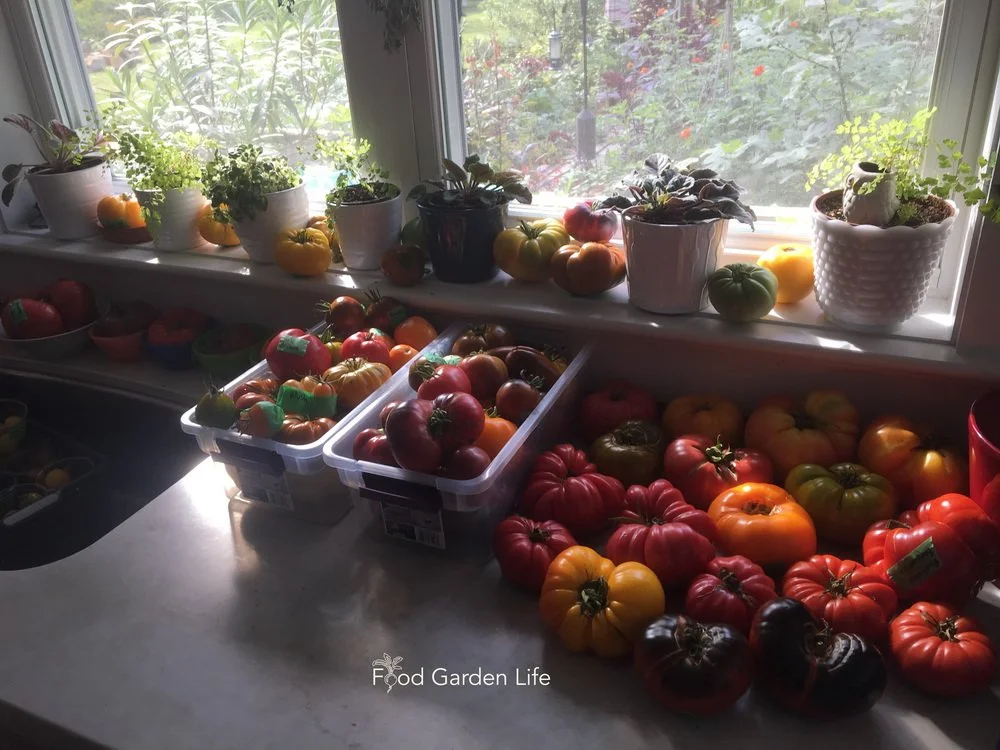
I grow lots of beefsteak and other “late” tomato varieties. But I always grow a few early tomato varieties so that I have ripe tomatoes earlier.
There are a few things to think about when it comes to tomatoes for a short growing season:
Days to maturity
Timing: Early to late
Fruit size
Cool-temperature tolerance
Understanding Days to Maturity
Days to maturity (DTM) is a relative measure that gives you a clue to how long a tomato will take to ripen. Don’t think of DTM as an exact number of days before you have a ripe tomato in your hand: It’s always approximate, because many things (your climate, the weather, growing conditions) affect ripening speed. But DTM is a great tool when comparing one tomato variety with another.
(By the way, for crops that we plant directly in the garden, DTM refers to the number of days from seeding until harvest; while for crops we transplant into the garden (e.g. tomatoes), DTM refers to the number of days from transplanting into the garden until you harvest your first ripe tomato.)
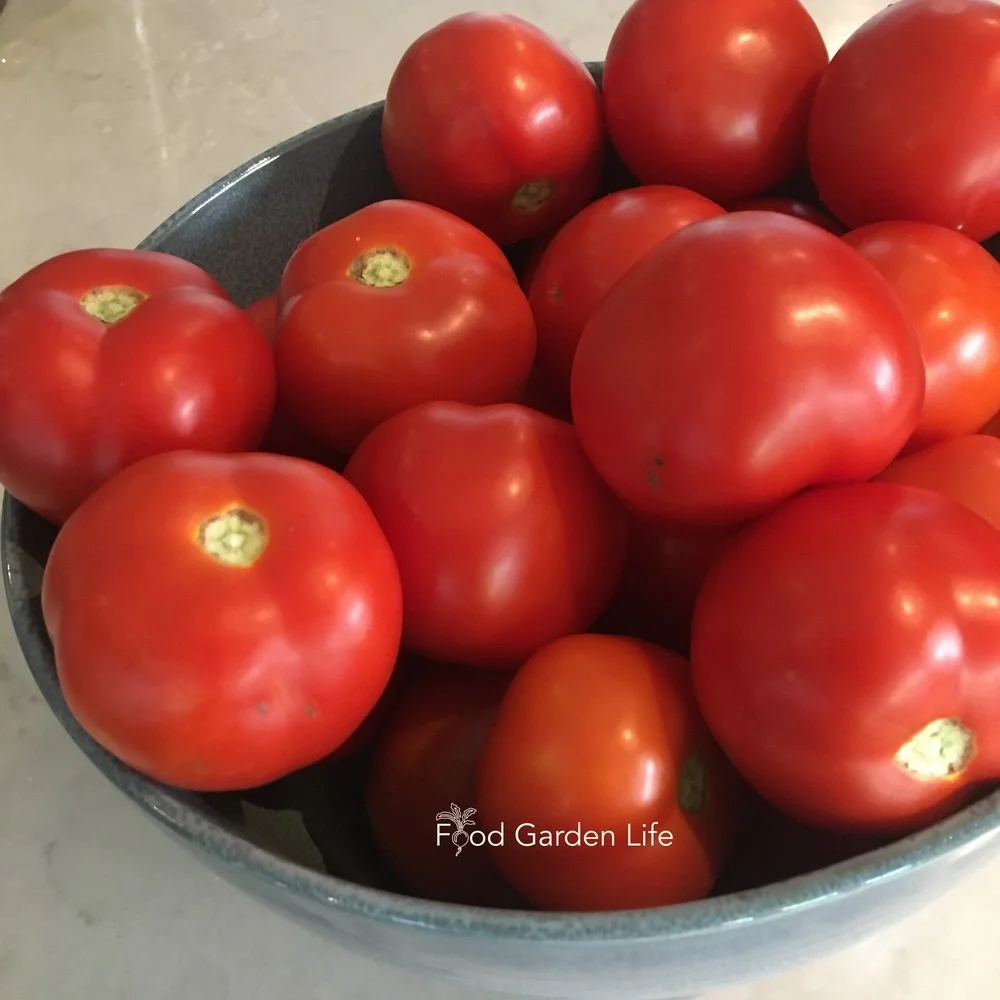
A bowl of early ripening tomatoes.
Timing: Early Maturing Tomato Varieties
As you investigate early maturing tomato varieties, you might notice that some sources give a days-to-maturity rating, while other sources simply categorize tomatoes as ultra early, early, mid-season, and late. So you might wonder how to compare varieties if ripening speed is explained differently.
Use this guide:
Ultra-early: 45–55 days
Early: 55–65 days
Mid-season: 70–80 days
Late: 80+ days
Fruit Size and Plant Type
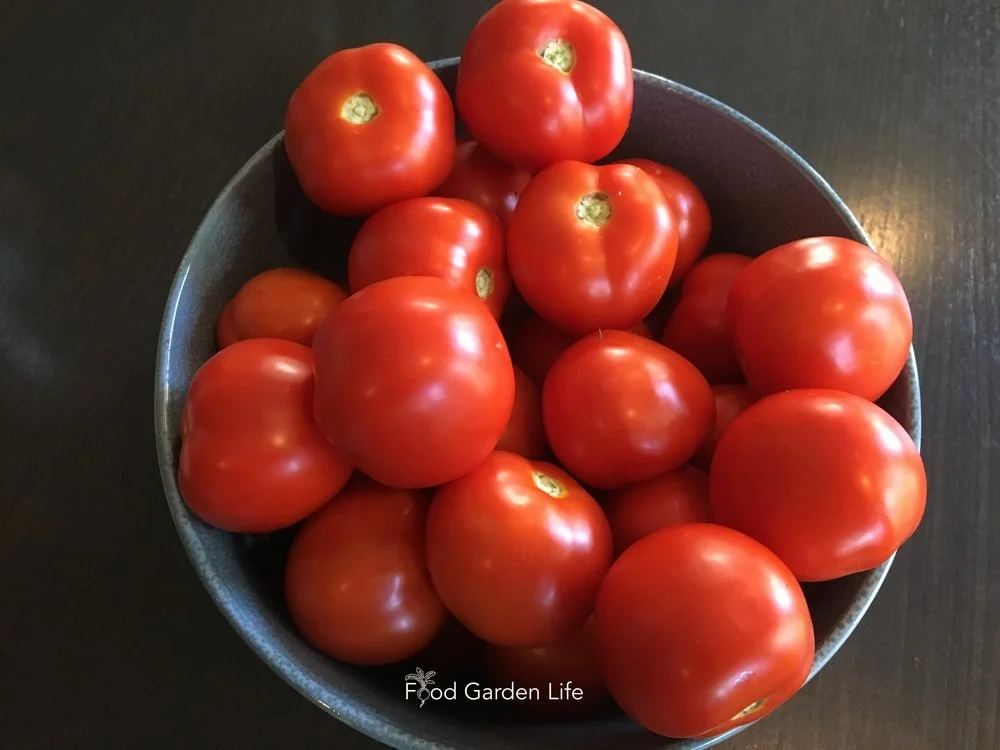
Smaller-fruited tomato varieties often ripen more quickly than large beefsteak types.
Smaller-fruited varieties and determinate varieties (bushier plants that set fruit in a short window of time) very often ripen more quickly. When I teach gardening classes, gardeners in cool coastal climates often tell me they focus on cherry tomatoes and small-fruited tomato varieties.
Cold Temperature Tolerance
When you see a tomato variety described as cold tolerant, it doesn’t mean it will thrive in cold conditions—because tomatoes are a heat-loving crop. It just means that the cold-tolerant tomato varieties can set fruit at temperatures slightly lower than other tomato varieties. It’s not a huge temperature difference, often just a few degrees, but it can be enough to give you tomatoes sooner. And that matters where the growing season is short.
5 Great Early Ripening Tomato Varieties for Cold Climates
These early ripening tomato varieties are proven performers for short growing seasons. They’re also widely available, so they’re a good starting point if you’re new to growing early maturing tomatoes.
1. Glacier
Gives small, red slicing tomatoes. Early and cold-tolerant. 55 days.
2. Stupice
Early, great flavour, and cold-tolerant. Small, red slicing tomatoes. 55–60 days. Great taste. This is my favourite early ripening tomato.
3. Sub Arctic Plenty
I’ve grown this super-early tomato variety for years. Reliably the first tomato in my garden. 45–50 days. Can’t argue with that!
4. Evan’s Extra Early
Good flavour. This mid-sized tomato is from Dr. Ieuan Evans of Alberta, a cold-climate gardener who also released the Evan’s Cherry. 57 days.
5. Early Girl
This is a hybrid tomato that’s been around since the 1970s and is widely available. It’s still around because it’s early, has a good taste, and keeps well. ~57 days.
Early Ripening Tomato Varieties with a Canadian Pedigree
Because of the short growing season in many parts of the country, and the cool, coastal summers in other areas, there are many early maturing tomato varieties from Canada. Sometimes the variety name gives it away—though not always. If this interests you, here’s a list of Canadian early ripening tomato varieties.
Atom
Beaverlodge Slicer
Cabot
Centennial Rocket
Early Alberta
Early Lethbridge
Early Hi-Crimson
Evan’s Extra Early
Glacier
Itabec
Kimberley
Manitoba
Maskabec
Porter’s Early Brookpact
Rocket
Russian Saskatchewan
Scotia
Siberia
Siberian
Sophie’s Choice
Sub-Arctic Cherry
Sub-Arctic Maxi
Sub Arctic Plenty
Summerdawn
Superbec
Usabec
Wentzell
This list is a work in progress. If you like a variety that should be on this list, email me.
Ready to go further?
If this article helped, the next step is the Tomato Overload Masterclass. If you're not ready for a course, grab my 20 Food Garden Hacks guide and I'll send more practical tips by email.
Final Thoughts: Short Season Tomatoes
Pin this post about early ripening tomatoes!
Choosing an early maturing tomato variety is a simple way to harvest more tomatoes in areas with a short growing season or cool summers. It’s also a way gardeners in warmer areas can enjoy an earlier tomato harvest.
FAQ: Short Season Tomatoes
What is the earliest ripening tomato variety?
One of the earliest is Sub Arctic Plenty, clocking in at under 50 days.
Can tomatoes grow in Zone 3?
Yes. Choose early varieties and use season extension techniques in the spring and fall.
Find This Helpful?
Enjoy not being bombarded by annoying ads?
Appreciate the absence of junky affiliate links for products you don’t need?
It’s because we’re reader supported.
If we’ve helped in your food-gardening journey, we’re glad of support. You can high-five us below. Any amount welcome!
More on Vegetable Gardening
Articles and Interviews
Looking for more information about growing vegetables? Drop by the Grow Vegetables home page for articles and interviews.
Course: Tomato Overload Masterclass
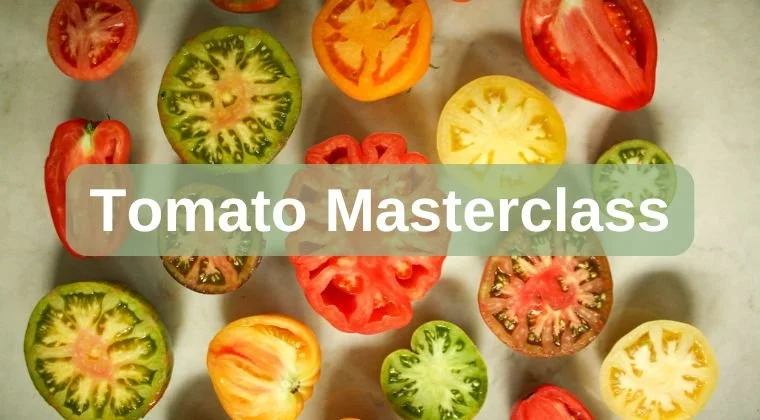
Want to up your game growing tomatoes?
This self-paced course helps you choose great varieties, grow great seedlings, give plants the care they need, and enjoy an abundant harvest.
Top Vegetables to Plant in August for a Continuous Harvest
Top crops to sow in August for a late-summer and fall harvest.
By Steven Biggs

As August rolls around, my mid-summer vegetable garden harvest here in Toronto includes heat-loving crops such as tomatoes, okra, and eggplant.
(August is also when many people realize they've planted too much zucchini!)
And by early August there's usually space open for succession crops as early crops finish:
The garlic and onions are done
Pea vines have withered in the summer heat
Early beans are kaput
There's still lots of growing time left before the snow flies. Making early August a good time to sow seeds for fall vegetable gardening.
Not sure what to plant in August? Keep reading for ideas about what to plant in August.
Vegetable Garden Crops to Sow in August
August is the time to sow cool-weather crops for the fall garden.
It’s also last call for some fast-growing heat-loving crops too, such as bush beans.
By August, the remaining frost-free window is getting shorter. So our focus is crops that mature fairly quickly.
Tips for Planting in August
Summer conditions such as dry soil and scorching heat can be hard on seeds sown outdoors.

Pin this post!
Here are tips for direct-sown crops:
Water regularly for faster, more consistent seed germination in hot weather
Where possible, shade young plants of heat-sensitive crops such as lettuce with row cover or mini hoop tunnels
Grow varieties that are fast to mature
Find out your first frost date so you can pick suitable crops (Here in Toronto I know that I can expect my first frost in late October.)
Top Late-Summer Crops for August Planting
Wondering what to plant in August?
If you are looking for ideas of what to plant in August, here are some of my favourites.
Beets
My grandmother always made us pickled beets from perfect little cherry-sized beets. If you want smaller beets for a fall harvest, keep planting beets into August.
(Experiment with varieties and planting dates to figure out what works well in your area. The worst case scenario if you plant too late is that you’ll have lots of beet greens for your fall salads.)
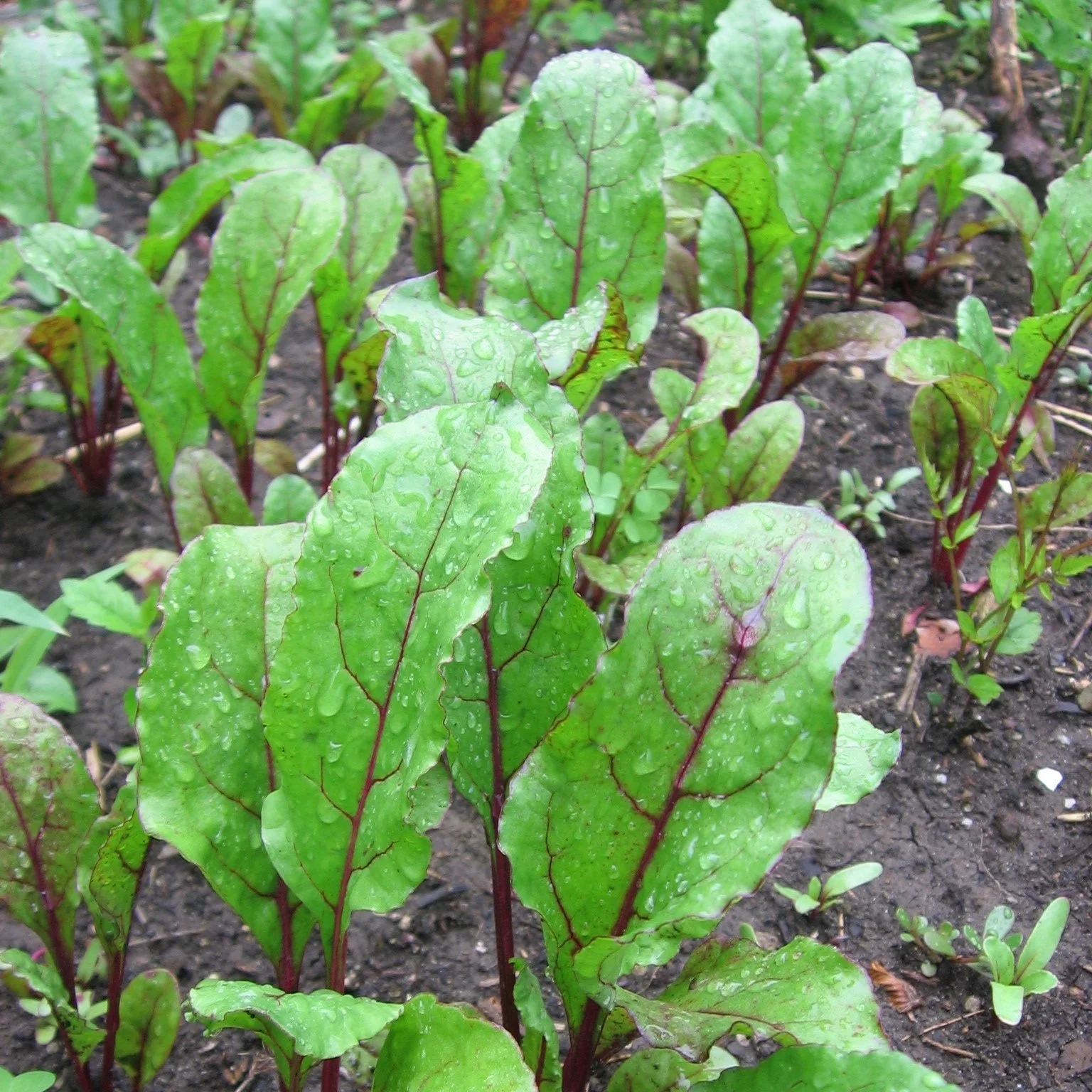
Beets are an excellent crop to plant in August.
Summer-Sowing Tip: Throw some radish seeds over top of your newly planted beet seeds. The radishes mature more quickly than the beets.
Find out more about storage crops such as beets.
Bush Beans
Keep harvesting beans all summer by sowing more bush beans in early August.
This is the last call to sow bush beans!
Summer-Sowing Tip: Speed up bean germination by soaking seeds in water overnight before planting.
Cabbage Family
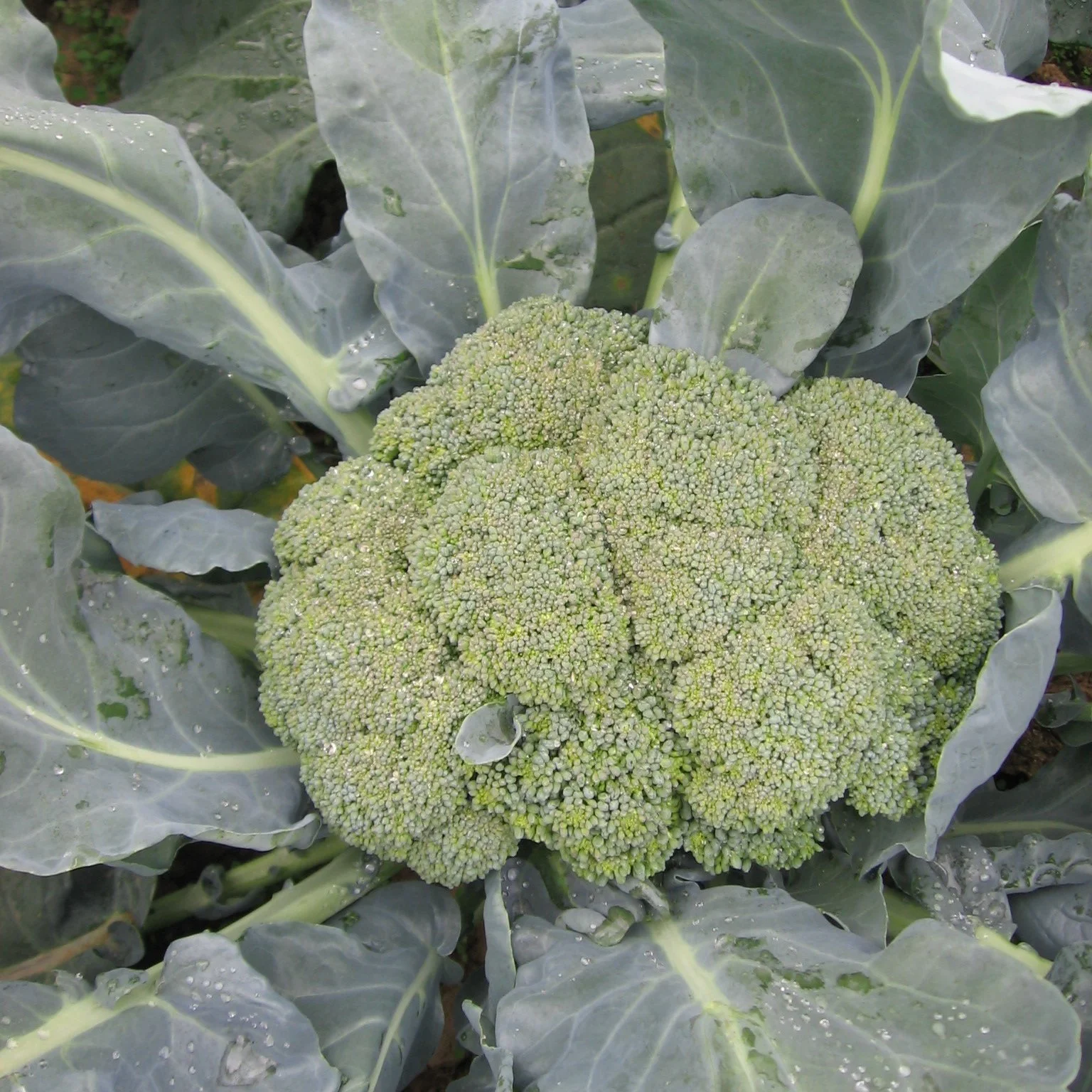
August is a good time to transplant broccoli, cauliflower, and cabbage seedlings
Now is a good time to transplant broccoli, cauliflower, and cabbage seedlings into the garden. There’s not enough time to seed these directly in the garden at this time.
If you haven't already started your own seedlings, there’s no shame in buying them!
Don't worry if you don't have broccoli, cauliflower, or cabbage seedlings. There are other cabbage-family crops that don't need as much time to mature.
Kale. Planting kale seeds outdoors in August works well.
Rapini. A favourite of mine in the summer garden.
Carrots
Carrots are a must-have crop for serious succession gardeners.
Summer-Sowing Tip: Carrot seeds are fairly small, and can have a hard time breaking through dry, crusty soil in the summer. So water daily. Or, cover the bed to keep it moist. (I use old boards, and some people use burlap.)
Carrots and beets are root vegetables that store well in the ground for an early winter harvest. Find out about storage crops.

Keep sowing carrots in August.
Cilantro
Try another sowing of cilantro as summer winds down. The cooler days make it less inclined to bolt than it is in the heat of summer. Sow directly in the garden for fresh fall leaves. Let a few plants flower if you're hoping for coriander seed.
Leafy Greens
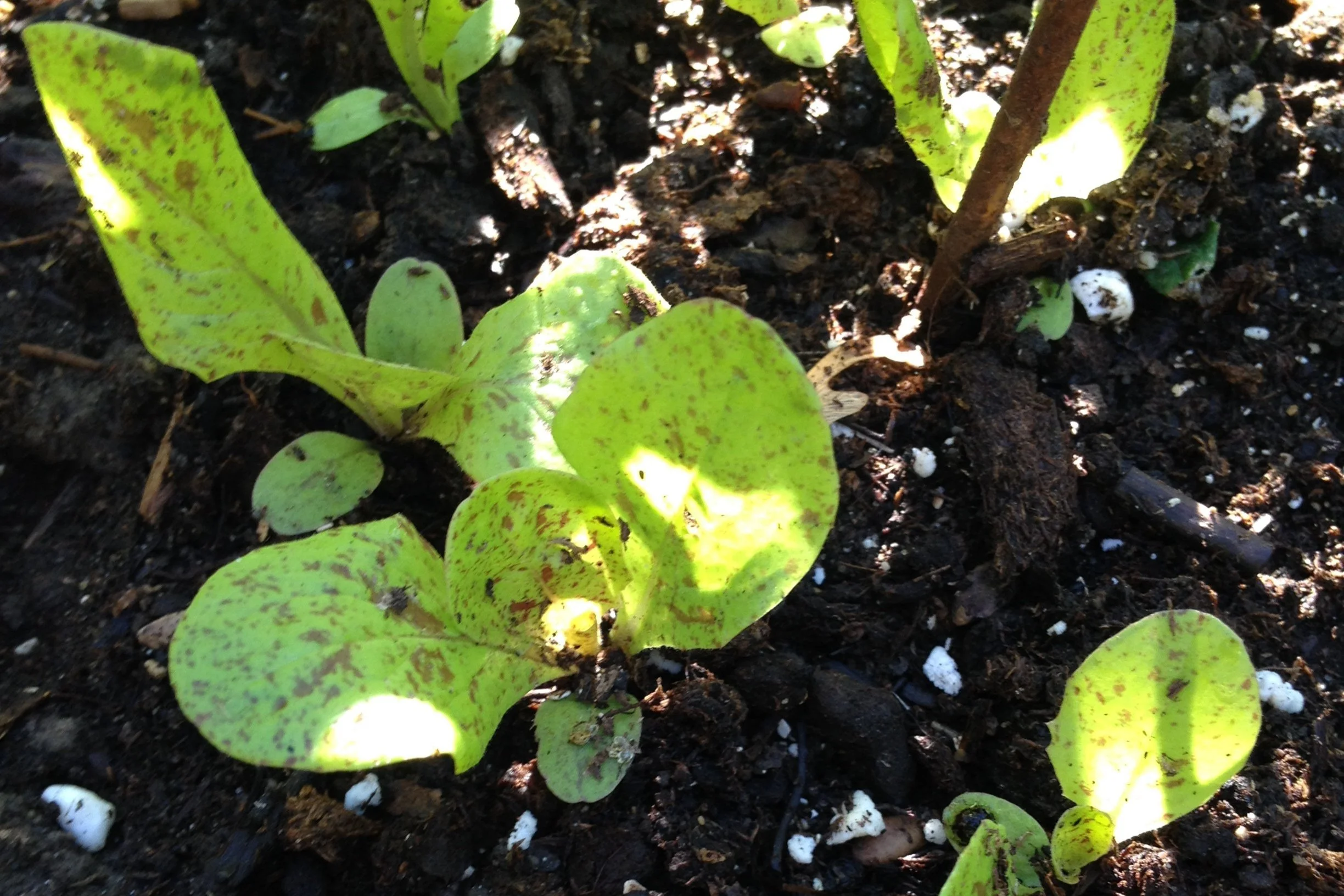
Start planting lettuce for fall harvest in August. Grow lettuce in partial shade, or protect plants from full sun with row cover or a hoop house.
Many of the cooler weather leafy greens such as lettuce and spinach have faded by mid-summer. But August is the time to start planting more for a late summer and fall harvest.
I plant these cooler weather leafy greens about 8 weeks before the first fall frost.
Swiss chard usually keeps going in my garden all summer long. But in August I plant more, so that I have lots of small chard leaves to enjoy in the fall.
Green Onions
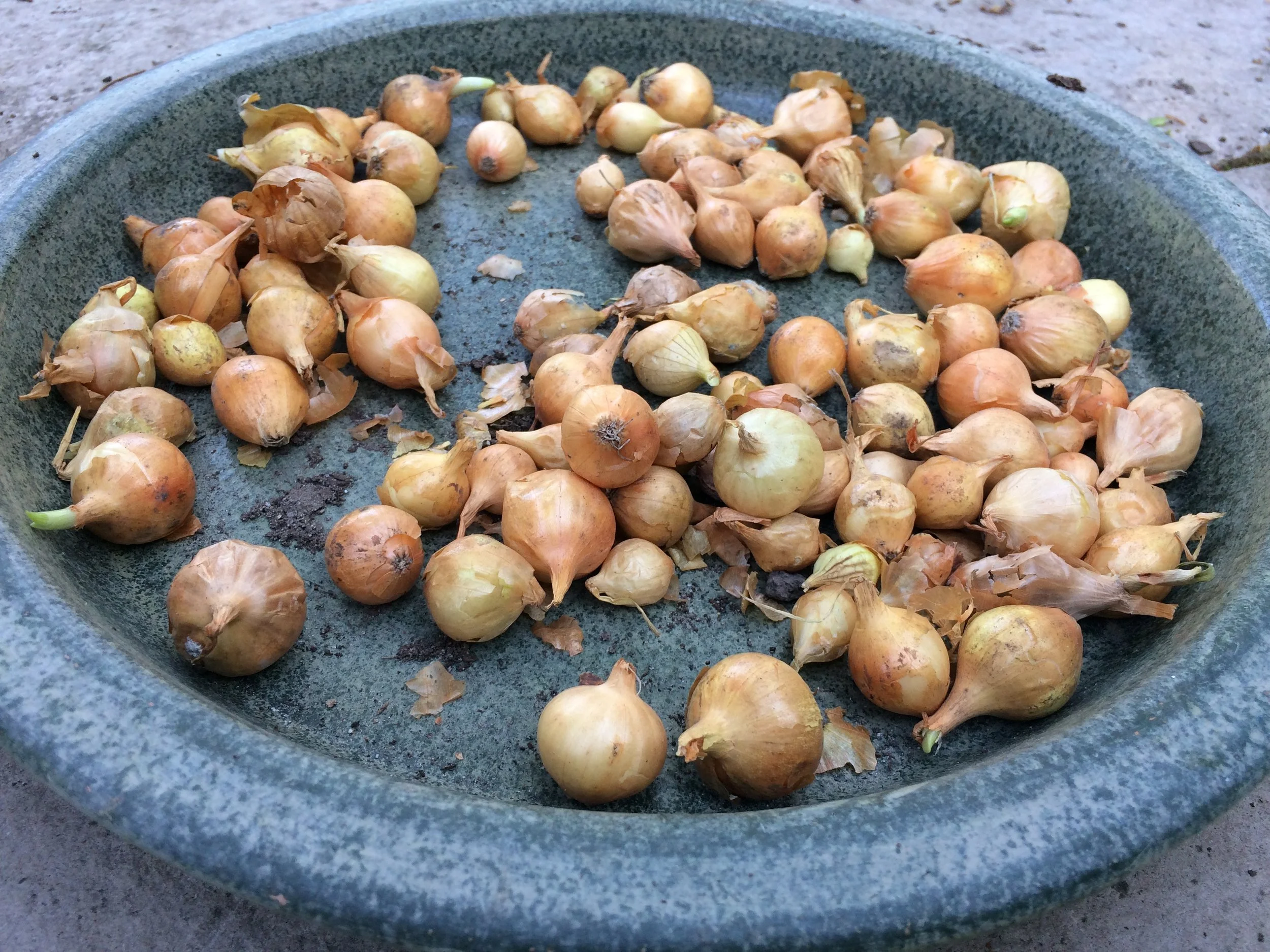
Get extra onion sets in the spring for planting in August.
When I buy onion sets in the spring I get extra sets to store in the fridge until August, when I start planting more so that I can enjoy green onions into the fall.
Kohlrabi
Kohlrabi is another good cool-season crop for late-summer planting. Look for a quick-maturing variety and harvest the swollen stems while they're still tender. You can also eat the leaves.
Winter Radishes
August is a great time to sow winter radishes such as black radish, daikon, and watermelon radish.
Unlike the little spring radishes that mature in a few weeks, these take longer and make larger roots. Cooler fall weather suits them well, and many store beautifully.
Turnip and Rutabaga
Often overlooked, and easy to grow.
And don’t forget that with turnips you have both an edible root and greens. Find out about other plants with more than one edible part.
Still not sure about turnip and rutabaga? Mom’s rutabaga casserole includes apple, and is topped with buttered bread crumbs…a nice way to enjoy these crops.
Find This Helpful?
Enjoy not being bombarded by annoying ads?
Appreciate the absence of junky affiliate links for products you don’t need?
It’s because we’re reader supported.
If we’ve helped in your food-gardening journey, we’re glad of support. You can high-five us below. Any amount welcome!
More Ideas for Fall Crops
More Vegetable Gardening Resources
Articles + Interviews
Courses

5 Heat-Tolerant Salad Greens to Grow All Summer Long (Plus a Great Garnish)
Lettuce bolting in hot weather? Here are 5 easy-to-grow and heat-tolerant salad greens to grow in hot weather. (Plus a delicious heat-loving garnish for your salad!)

By Steven Biggs
Pick Crops to Expand Your Hot-Weather Menu
As hot summer weather arrives, many spring greens start to bolt. When they bolt (when they send up flower stalks) they stop producing tender leaves. It’s game over.
Find out how to slow down lettuce bolting.
One way to harvest a steady supply of green leaves over the summer months is with succession crops. Make ongoing plantings of bolt-prone crops such as lettuce, spinach, and arugula. (Look for heat-tolerant lettuces.)
Here's more about succession crops.
But there's another way to get a steady supply of summer salads: Grow heat-tolerant greens.
If you want hot-weather greens, keep reading. As warm weather arrives, add some of these other leafy greens to the garden to spruce up your salads.
5 Leafy Greens for Summer Heat
Here are five of my favourite heat-tolerant greens for the summer garden.
Amaranth Leaves
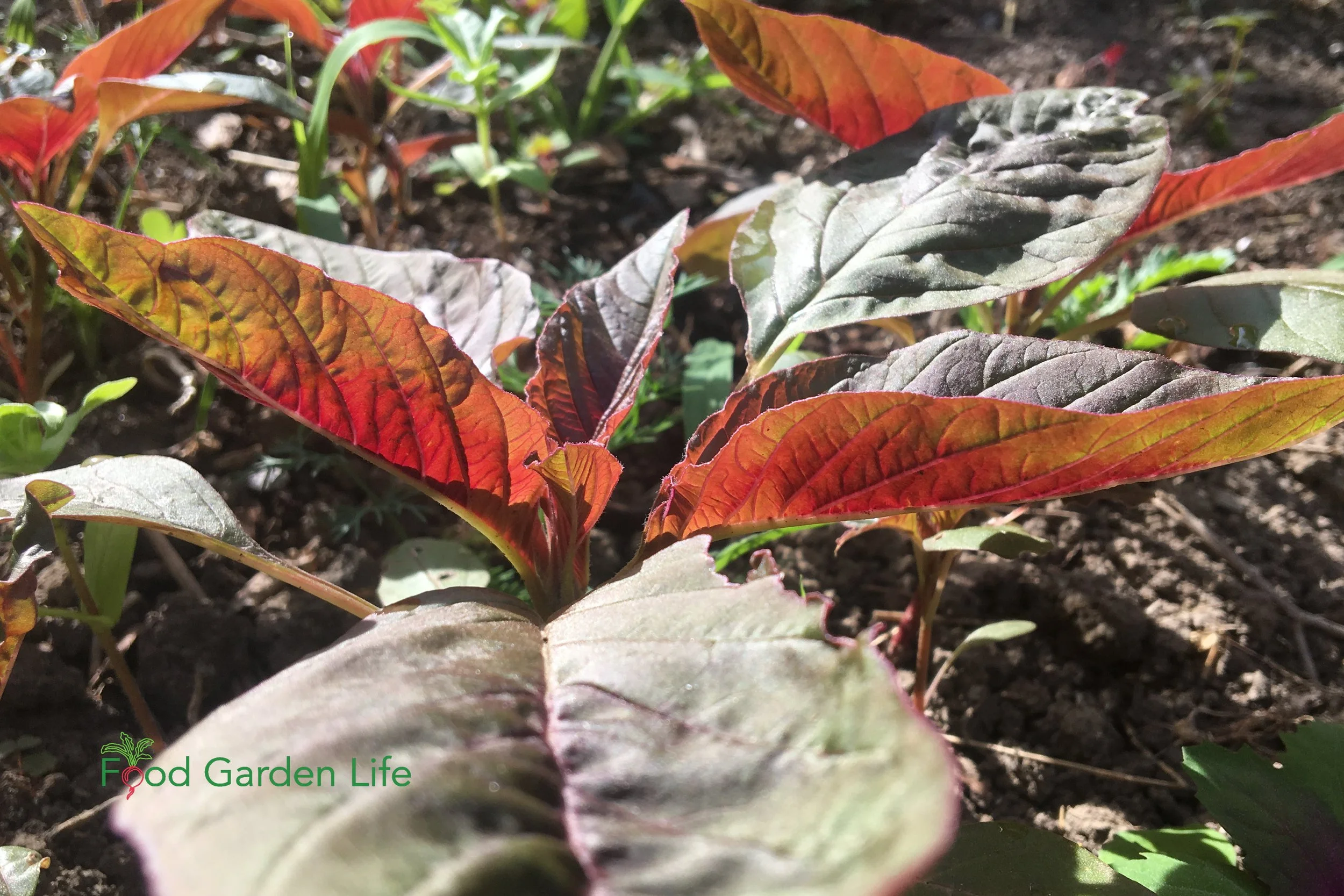
Amaranth is easy to grow and thrives in the heat. It loves hot summers!
Amaranth is a versatile plant and a great choice for spots where you want to weave together the edible and ornamental. It's grown for its edible seeds, its ornamental uses, and for its edible leaves.
The leaves can be eaten raw when young. They taste a bit like spinach. Use larger leaves cooked, in soups and stews.
This is a crop that confidently self-seeds. Grow it once, and you're set for upcoming years. As little amaranth seedlings pop up in my veggie patch, I curate—I pull out some of the small amaranth plants for the salad bowl, and leave a few to grow where I want larger amaranth plants.
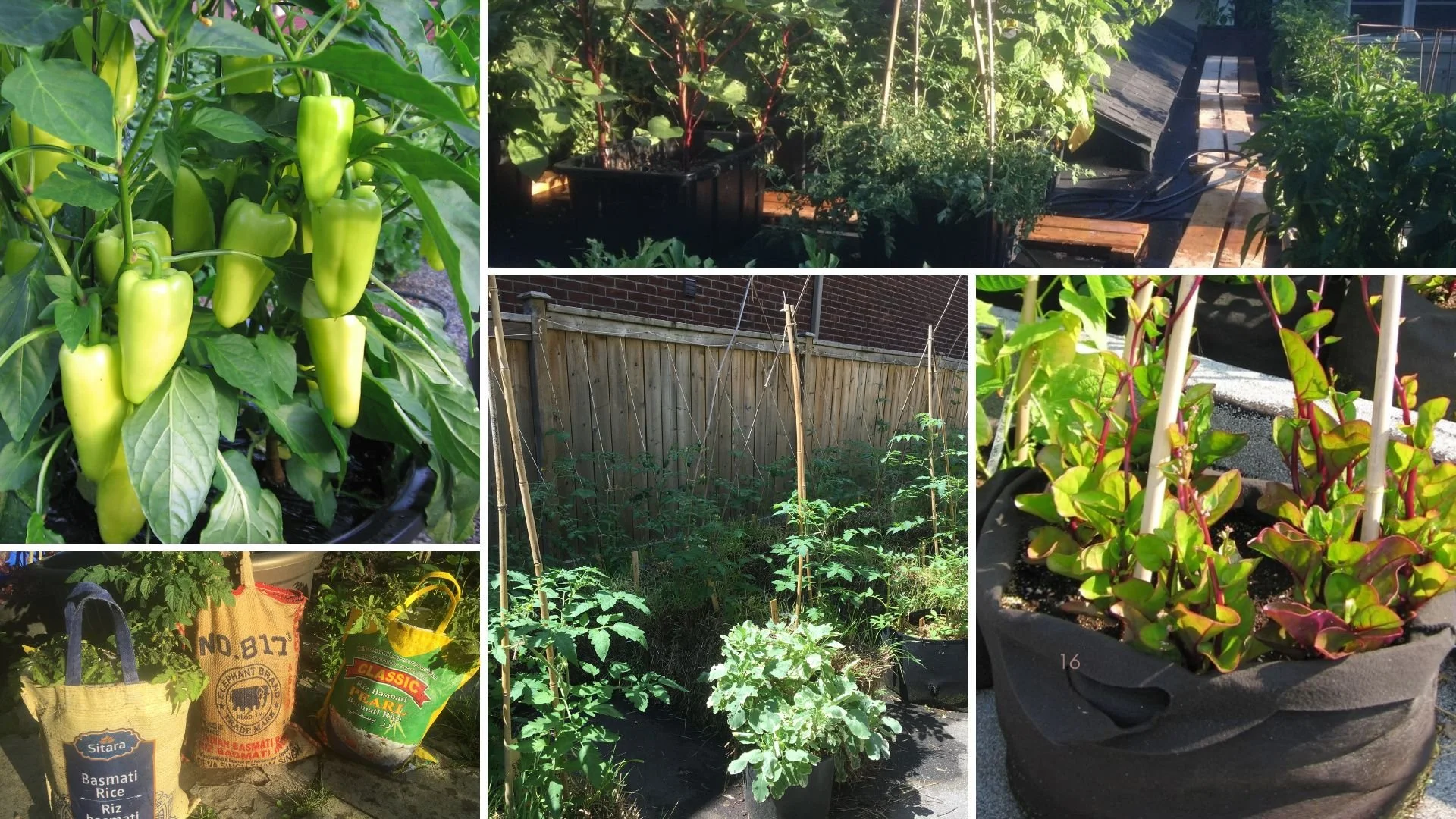
Grow a Container Vegetable Garden
And get an early harvest of crops that usually take too long!
Beet Leaves
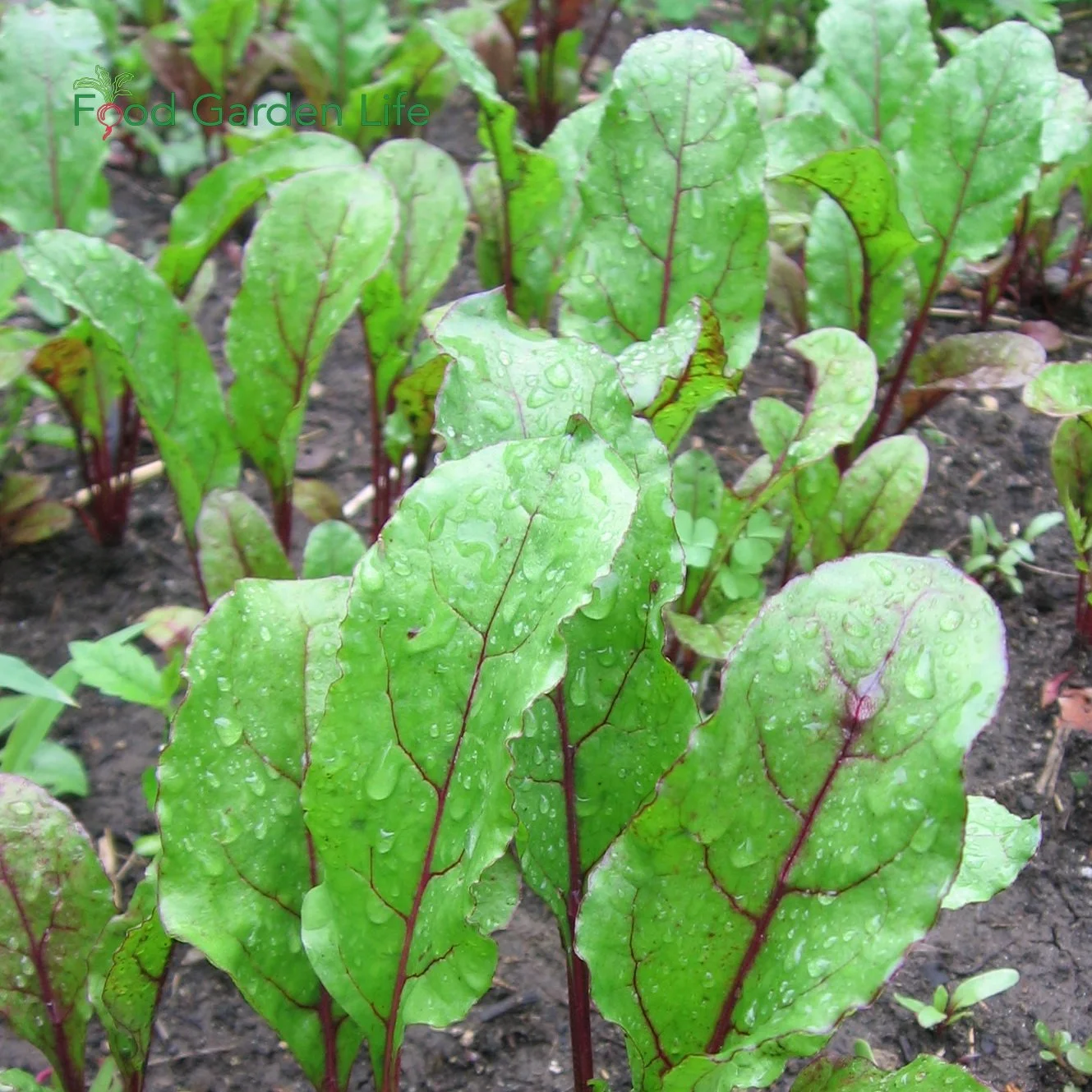
Steal a few leaves from the beet patch to add to summer salads.
As I make salads with summer greens, I like to steal a few small leaves from the beet patch.
Beet greens are edible. Use young leaves raw in salad, and cook larger leaves. (I add mature leaves to borsch. Here's Mom's borsch recipe.) Eaten fresh, these young leaves have a slightly earthy taste, like their kin, Swiss chard.
Even though I grow this crop for its root, taking a few small leaves is no problem; just don't take them all from one plant.
There's one beet variety that I grow especially for its leaves: 'Bulls Blood' has vibrant red leaves that add nice colour to a bowl of summer greens.
Malabar Spinach

Malabar spinach thrives in hot conditions. As a vining plant, it’s also great if you want to add vertical elements to a vegetable garden.
Malabar spinach (Basella alba) thrives in the heat of summer. This vining plant usually takes off as the regular spinach starts to wane in the heat.
Malabar spinach, despite the name, is of no relation to spinach. It has fleshy, mucilaginous leaves that you can eat raw or add to a stir fry. You can also use it to thicken soups.
Best of all, this tropical plant keeps growing all summer long, through the heat.
I don't often see Malabar spinach plants at garden centres. If you want it, plan to grow it from seed. There is a green-leafed type, as well as a strikingly beautiful red-leafed type.
Malabar spinach is also a great crop for vertical gardening. Find out how to save space by adding vertical crops to your garden.
Sorrel
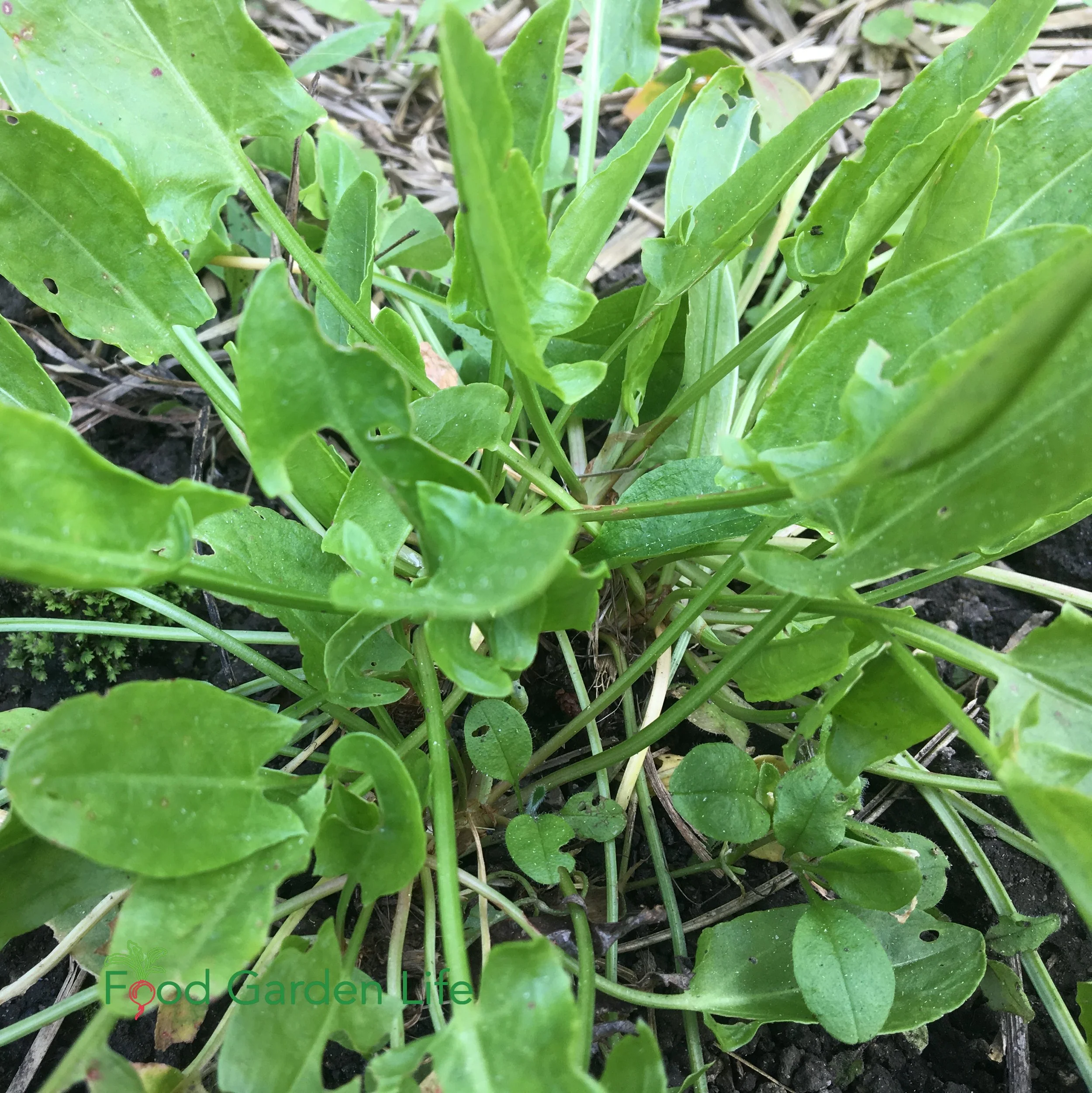
Garden sorrel is a perennial, and a useful salad green over the summer.
This is a favourite in our garden. Sorrel is a perennial leafy green crop that's up early in the spring. It keeps producing tender leaves all summer long.
Sorrel has a tangy taste. I think of it as a lemon substitute for northern gardeners. Add sorrel leaves to a mixed green salad—or when making a sauce add in sorrel, and as the leaves cook into the sauce they add a citrusy tang.
Here's a recipe for sorrel soup.
Garden sorrel (Rumex acetosa) is what you'll find at garden centres. I like ‘Profusion’ garden sorrel, a large-leaved variety that doesn’t bolt.
If you're a forager, you might find sheep sorrel (Rumex acetosella). Both are edible, though I wouldn't plant sheep sorrel in a home garden...it's a spreader.
(There's also a weed called wood sorrel. It's part of the oxalis clan, with clover-like leaves. It's edible too...but I'm not proposing you grow it—it shows up on its own.)
Find out more about how to grow sorrel.
Swiss Chard
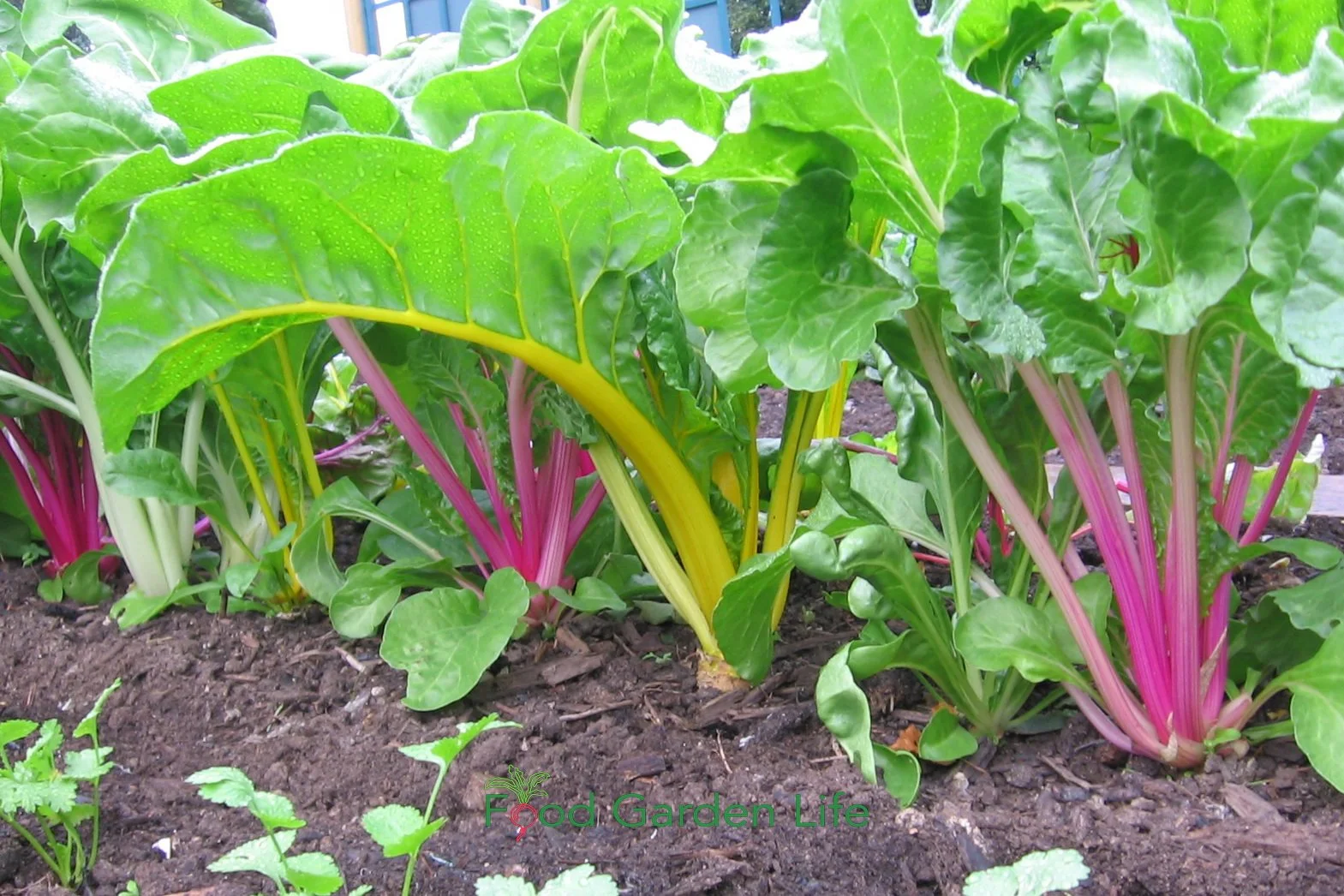
Swiss chard has a two-year life cycle, so during its first year, even during the heat of summer, it keeps on making leaves.
This is my favourite summer green. Swiss chard is a work horse; pick heavily and continually all summer and it keeps growing.
Unlike lettuce and spinach, it doesn't try to flower in its first year. That’s because it has a two-year life cycle...and that makes it a very valuable heat-tolerant green.
When picked young, the small leaves can go straight into the salad. I like larger leaves and the more substantial leaf rib in stir-frys.
Along with green varieties, there are many colourful ones that paint the veg patch a rainbow of colours.
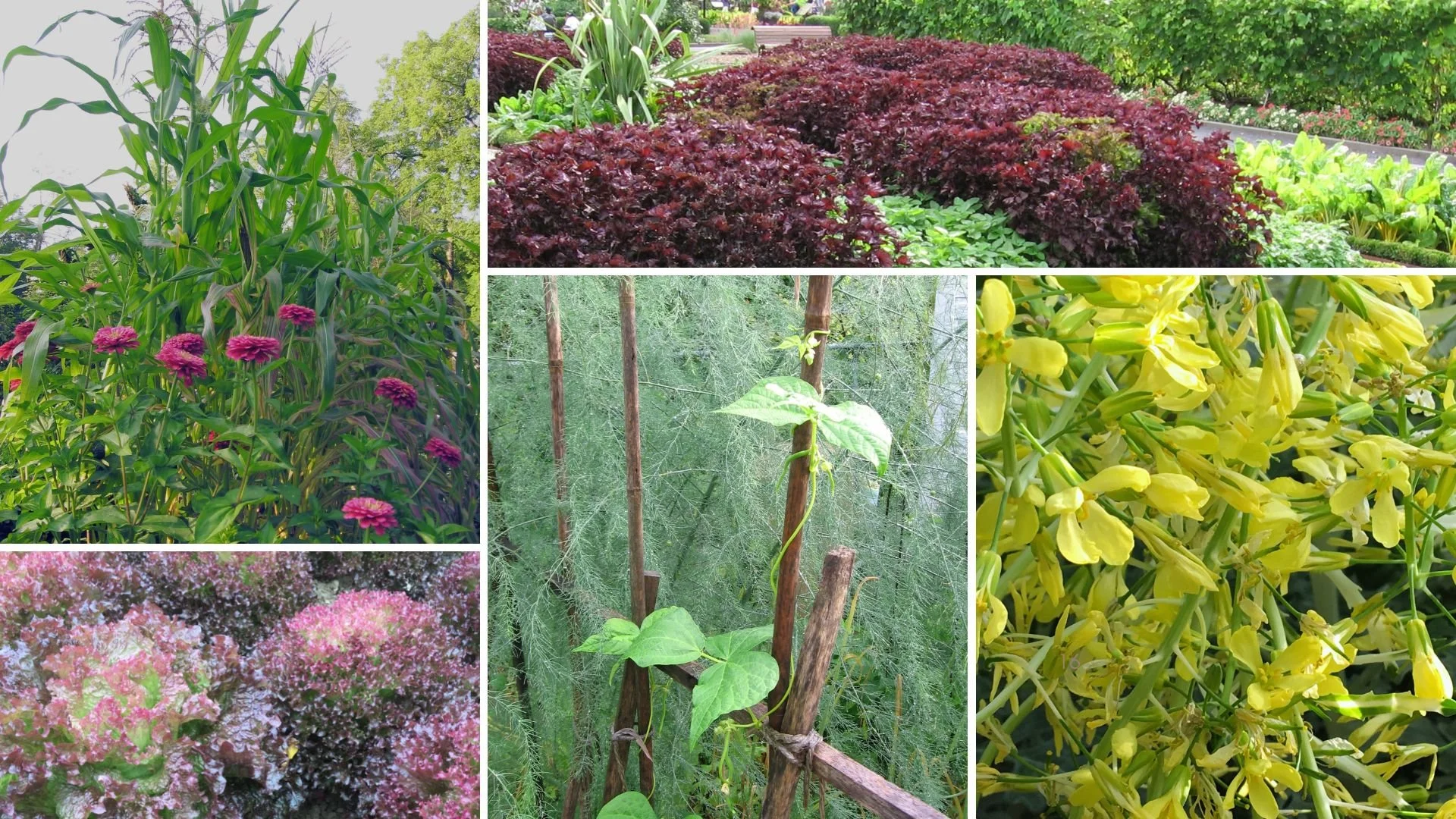
Create Your Own Unique Edible Landscape
That fits for your yard, and your style!
One More Hot-Weather Crop
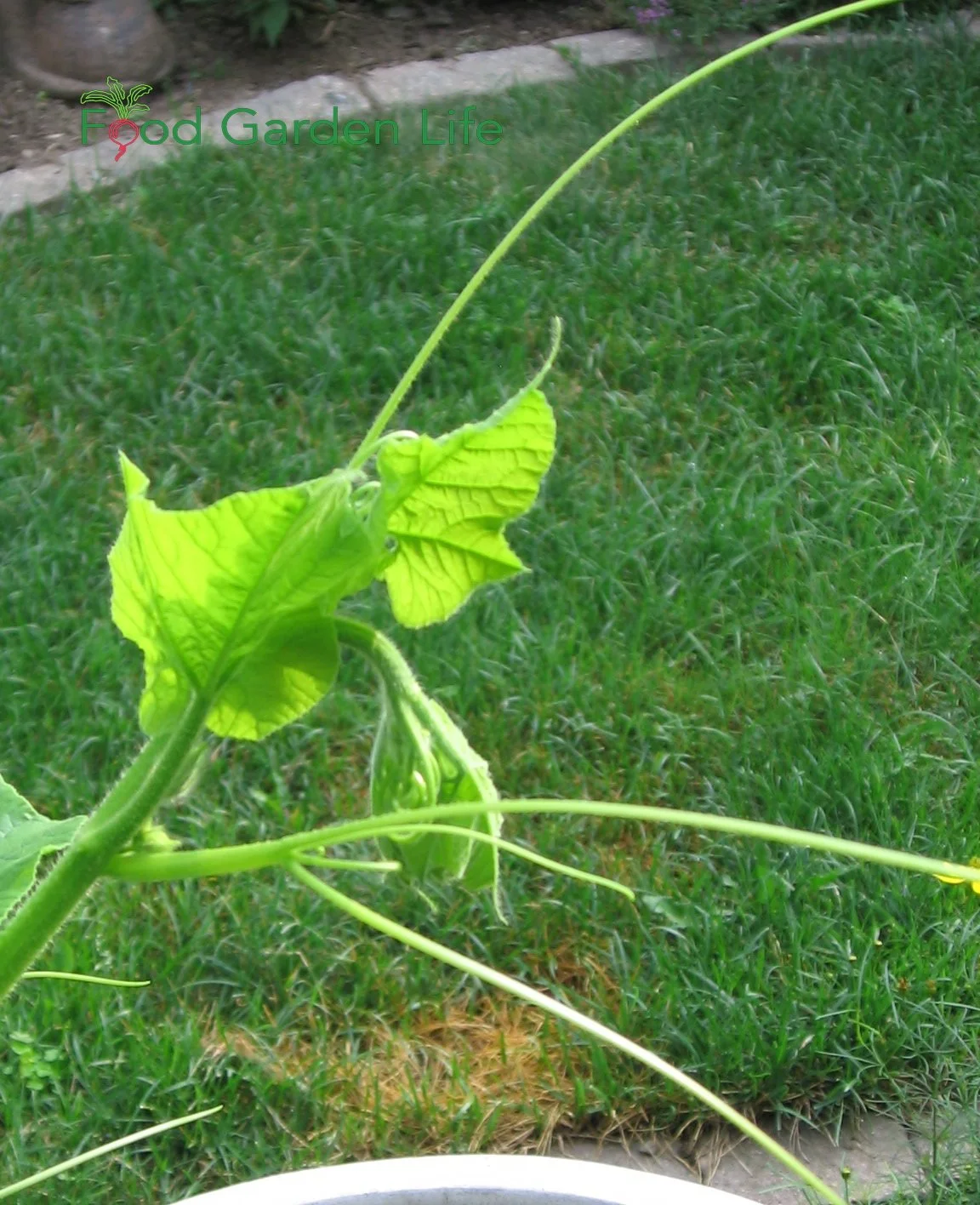
Squash tips and tendrils are edible.
Here’s a crop that doesn’t fit into my list of hot-weather salad greens because we cook it. But I’m including it in this post because it’s a fantastic garnish for a summer salad, and it has great heat tolerance.
Squash Tips
Squash shoot tips, squash tendrils, and squash leaves are all edible.
But…cook them briefly. A quick sauté in olive oil does the trick. That’s because when they’re not cooked, they’re a wee bit prickly. But cooked, they’re transformed.
Squash has many edible parts on the same plant: There's the fruit, the flowers, tender stems, and then the leaves and tips. You can cook larger leaves too, but harvest them before they’re too fibrous.
Find out about other crops with more than one edible part.
Find This Helpful?
Enjoy not being bombarded by annoying ads?
Appreciate the absence of junky affiliate links for products you don’t need?
It’s because we’re reader supported.
If we’ve helped in your food-gardening journey, we’re glad of support. You can high-five us below. Any amount welcome!

More Vegetable Gardening Ideas
Articles
Want to browse our articles and interviews about vegetable gardening? Check out the Vegetable Gardening Home Page
Do you have a shady yard? Here are things you can grow: Crops for Shade
Trying to figure out how to fit as much as possible into your vegetable garden? Try these Vegetable Garden Layout Ideas
Interviews
Courses
Check out our self-paced online courses. The practical information is in bite-size chunks, so you can work through them at your own speed.
Succession Planting: Here's How You Can Harvest Vegetables Season Long
By Steven Biggs
Succession Crops are the Ticket to an Uninterrupted Harvest
"Succession planting" is when we grow more than one crop in the same space over the growing season. We grow a succession of crops.
As one crop finishes, the succession crop takes its place.
Many crops mature before growing season is done, leaving time to plant a second (or even a third) crop. This means we can follow our spring crops with warm season crops and fall crops.
A "succession crop" is just a fancy name for the crop(s) that come after the first crop is done.
Succession planting works in large gardens, small gardens—and even containers!
If you are interested in the idea of a continuous harvest, keep reading: This article explains how you can use the same garden space for more than one crop.
Plan for an Uninterrupted Harvest
As you plan your vegetable garden, there's more than one way to achieve successive harvests. See how you can slot these planting methods into your garden.
Find out more garden planning and layout ideas.
Different Crops - One Follows Another
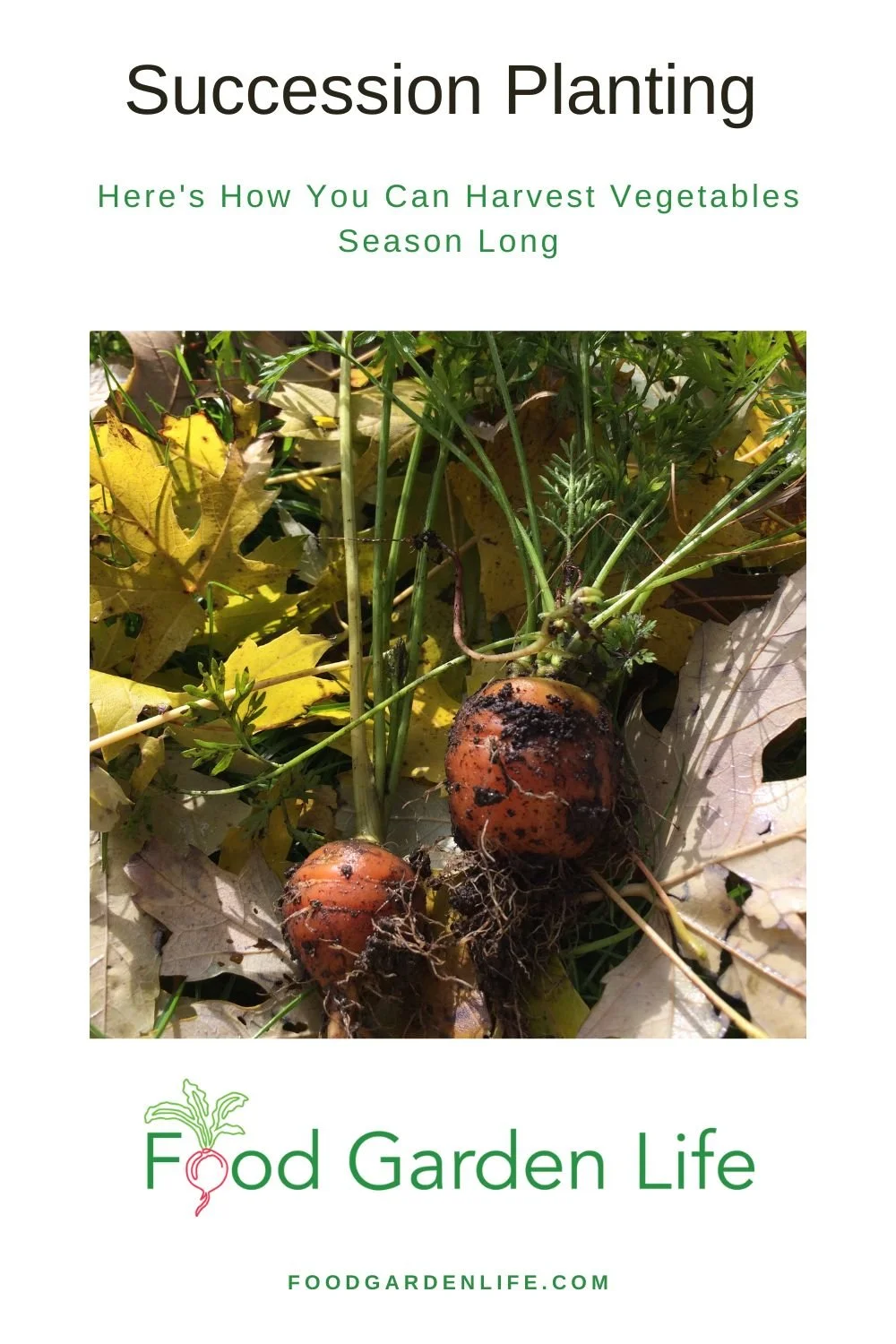
A common succession planting method is follow one crop with another one. For example, when the summer harvest of green beans is finished, a new crop of kale for winter harvest takes its place.
Different Crops - At the Same Time
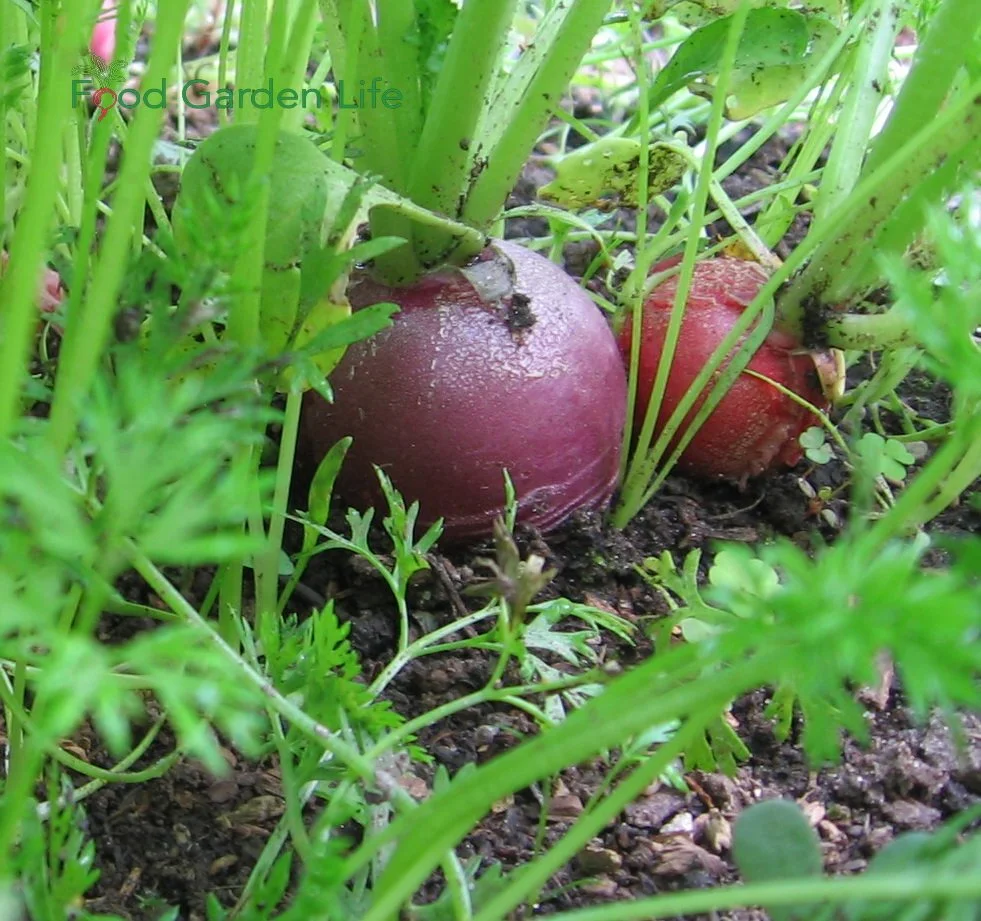
Planting carrots and radish together.
Planting two different crops at the same time is not really succession planting, but it's worth mentioning here because it's a useful idea in garden planning, and can be a good way to get multiple harvests from the same space.
Some people use the term companion planting to describe this idea.
Here are examples:
Fast-growing crops with slower crops: My favourite fast-slow combo is to plant beets in the same space as radish. The radishes grow much more quickly than the beets. So you'll have harvested the radishes by the time your beet seedlings need more space. (And don't forget...beet greens are edible too!)
Sun-lovers with Shade-lovers: Another example of putting two crops together is pairing a tall plant with a shade-loving plant. In this case, summertime lettuce (which lasts longer in shade) under tomatoes.
Grow a Container Vegetable Garden
And get an early harvest of crops that usually take too long!
Same Crop - Staggered Plantings to Spread out the Harvest
Pin this post!
By staggering plantings of a crop you can get a longer harvest window. This is especially helpful if you grow lettuce or other leafy greens that bolt quickly.
Unless you’re a market gardener, you probably don’t need an entire row of lettuce ready at once. So only plant part of the row. Then, a couple of weeks later, plant more of the same. And repeat.
Same Crop - Different Maturity Dates
Days to maturity (DTM) is a measure of how long it takes a crop to be ready to harvest. Get a few varieties of the same crop, each with a different DTM so that you have an ongoing harvest. Look for DTM on the seed packet or catalogue.
(The number of days it takes for a crop to be ready to harvest varies with growing conditions, so use DTM as a guide, not an exact planning tool.)
Find out more about seed shopping and lingo such as DTM.
Succession Crops
Succession crops are crops that don’t take the whole growing season to mature. They only need part of a season.
Here are common succession crops:
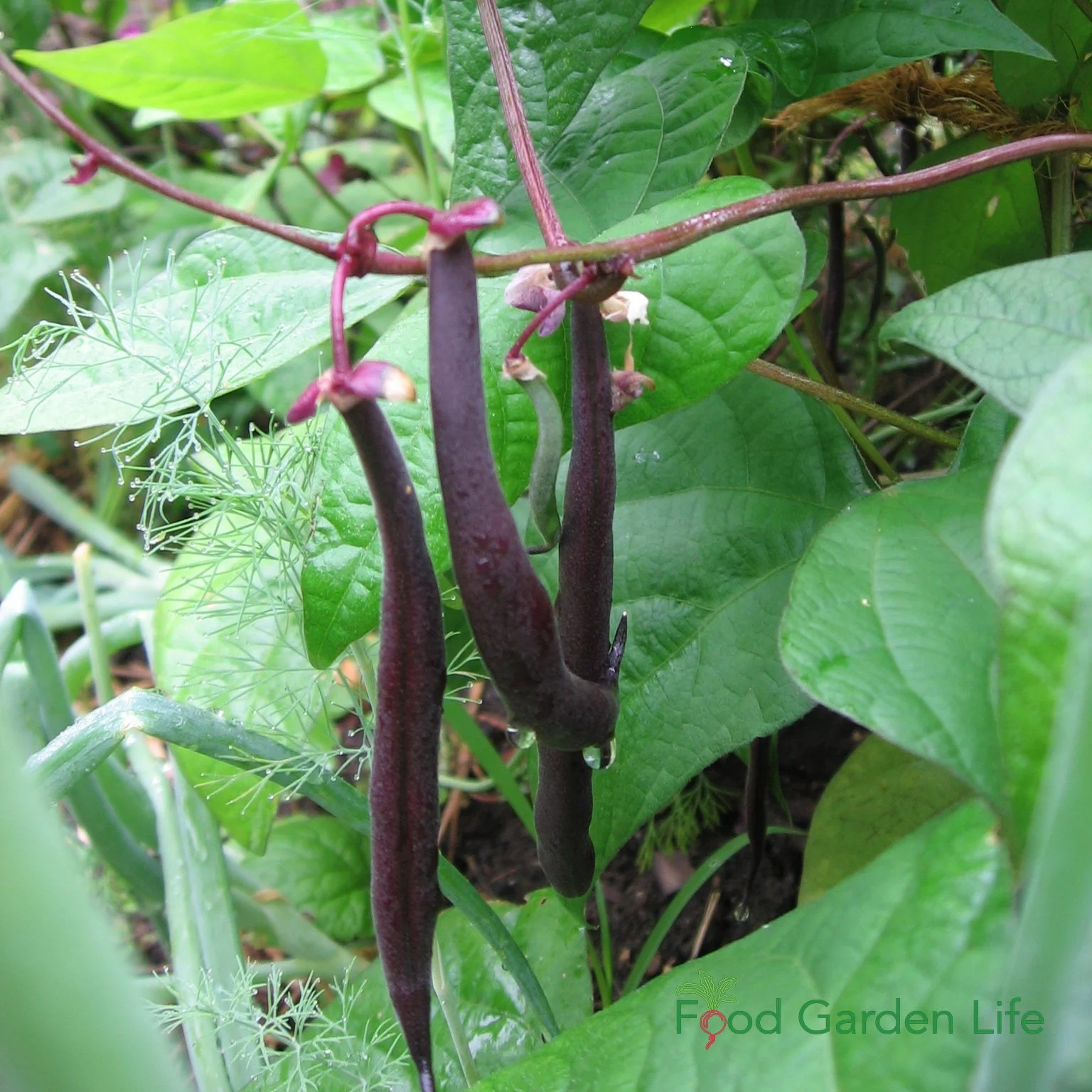
Bush beans are a common succession crop.
Leafy Greens (plan for successive sowings if you want leafy greens during the summer)
Beets (baby beets for pickling are often from a succession crop of beets planted in the summer)
Cabbage
Carrots
Bush beans
Green onions (I keep an extra bag of onion sets in the fridge, ready as a second crop when I need more green onions)
Kohlrabi
Radish and winter radish
Rapini (I like to plant rapini as a mid-summer succession crop when I harvest garlic in July, because it’s fast-growing and does well in the heat of the summer)
Rutabaga
Summer squash (a good second crop where you start off with early spring greens)
Swiss chard (does well in heat without bolting)
Winter squash
Turnip (I like turnip as a late-summer crop…and you can eat the leaves too!)
Find out how to slow down lettuce bolting.
Interested in growing storage crops? Here are 25 storage crops.
Create Your Own Unique Edible Landscape
That fits for your yard, and your style!
Sowing Summer Crops
Hot summer growing conditions are not always suitable for starting seeds directly in the garden.
That’s because:
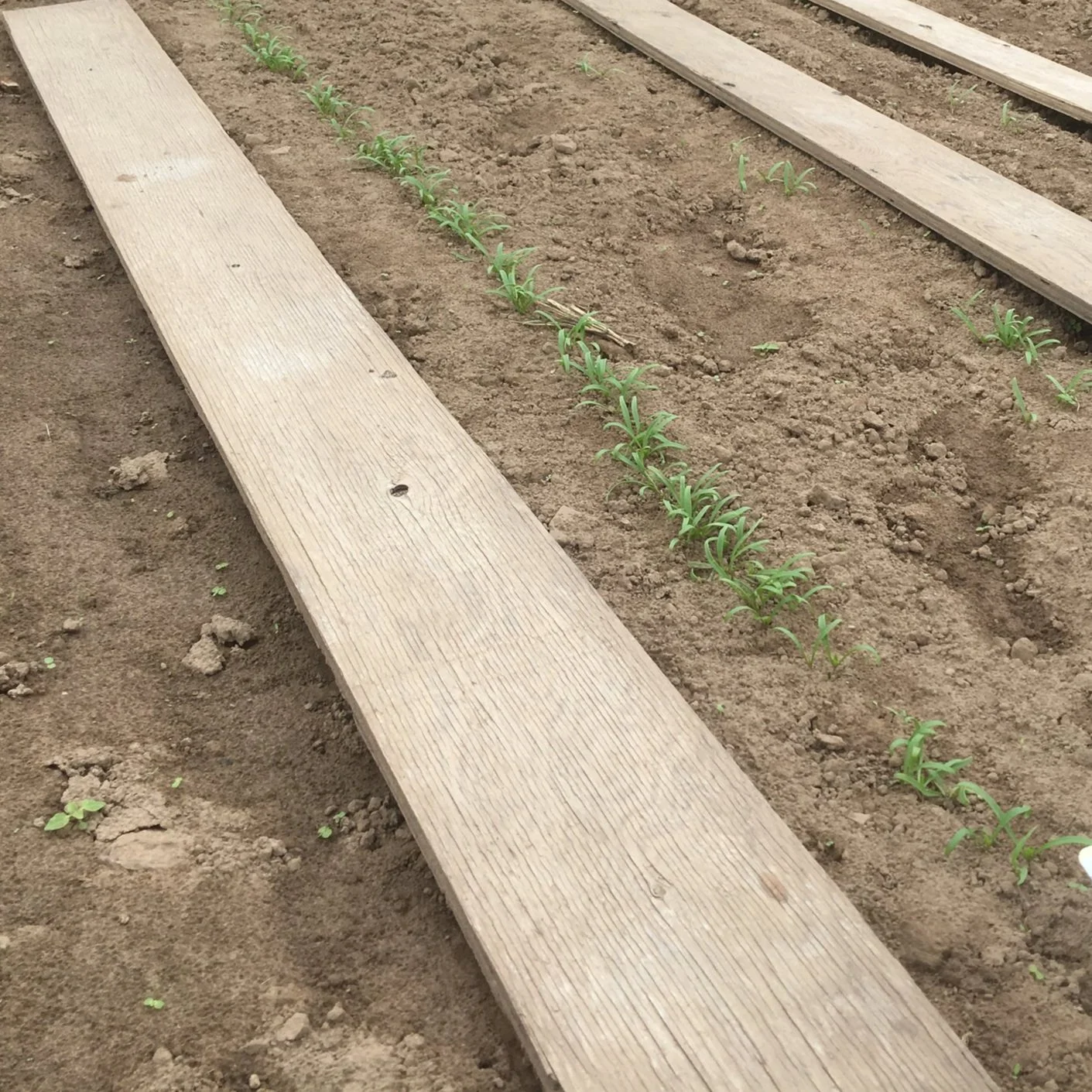
In hot, dry weather, place a board over fine seeds to keep in soil moisture and improve germination.
Hot weather can affect germination.
In hot, dry summer conditions a crust can form on some types of soil.
Pest pressures are higher.
Here are tips to plant crop successions in hot weather:
Start transplant in pots, in protected conditions.
For plants that are best directly sown into the garden (e.g. carrots), place a board over the soil so that conditions are more moist for germination
Water regularly because dry conditions really mess up germination.
Transplanting Succession Crops
Summer conditions can make transplanting difficult because transplanting into the hot sun is a big stress for the plant.
So wait for a rainy or cloudy day if possible. At the least, don't transplant in the heat of the day.
Make shade for your transplants using mini hoop houses covered with shade cloth or a light floating row cover.
Or even easier: Put an inverted web tray over top of your transplant for a few days. (The webbed plastic trays from garden centres.)
And then water transplants regularly until they are established.
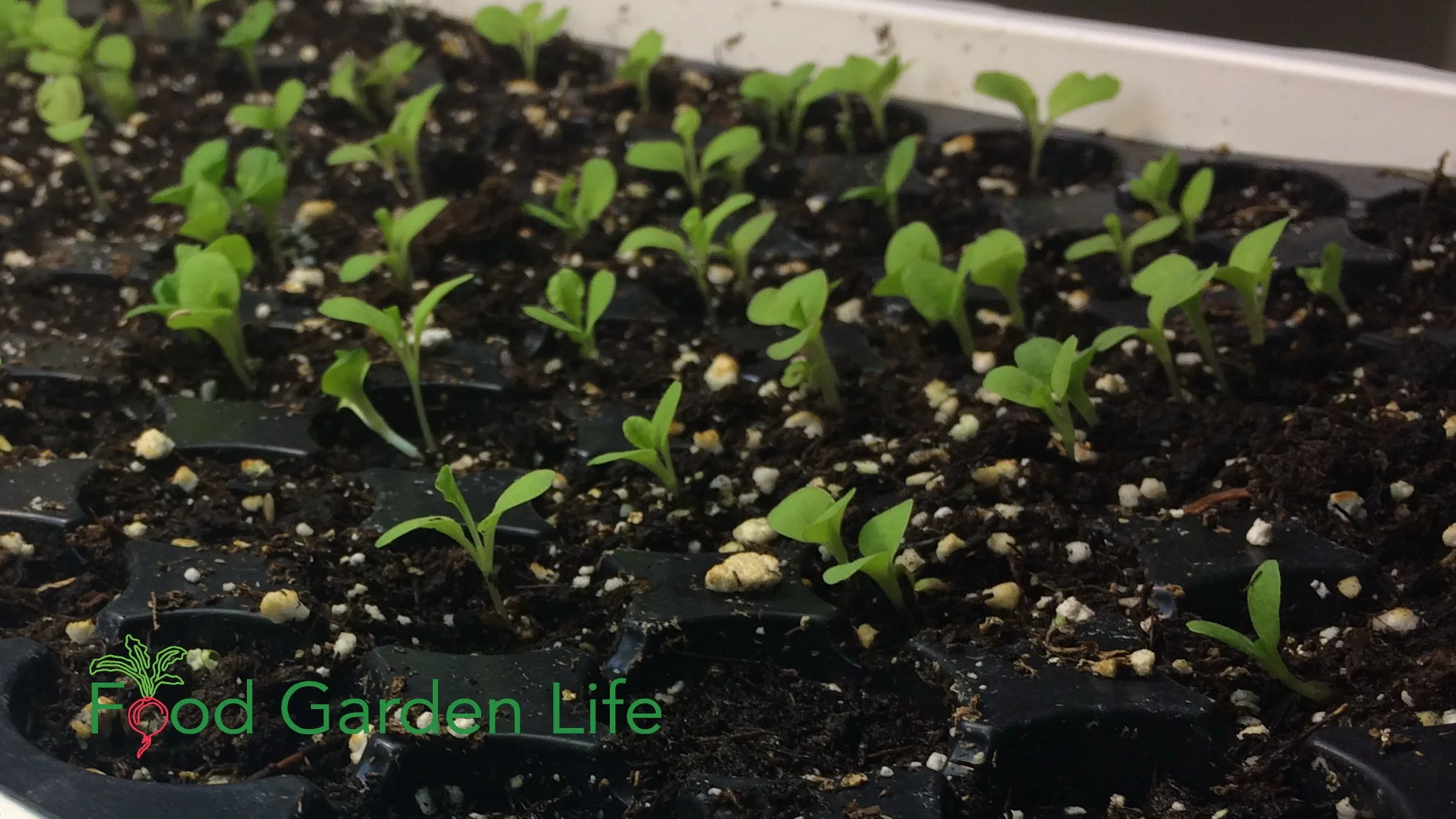
Lettuce transplants for succession cropping.
One Key to Successful Succession Planting
With intensive growing like succession planting, we’re taking more from the soil. That makes it especially important to manage soil fertility. Feed the soil by amending with compost between crops.
Final Succession Cropping Suggestions
Keep extra seed packets on hand for succession planting!
And don’t forget to grow microgreens indoors over the winter.
Find out how to grow our own microgreens indoors.
Find This Helpful?
Enjoy not being bombarded by annoying ads?
Appreciate the absence of junky affiliate links for products you don’t need?
It’s because we’re reader supported.
If we’ve helped in your food-gardening journey, we’re glad of support. You can high-five us below. Any amount welcome!
More Vegetable Gardening Articles
Courses
Prevent Lettuce from Bolting: 5 Ways to Beat the Bitterness
5 Ways to prevent lettuce from bolting as quickly.
By Steven Biggs
Delay Bitterness and Bolting Lettuce
Once day you're looking at a bed of perfect lettuce plants with juicy, tender leaves. Looks like you have enough lettuce for days.
But before you know it the lettuce heads change shape and start to stretch up in the centre. Your lettuce is bolting.
And with the change in shape comes a change in taste. Bitterness comes with bolting.
But there are ways that you can delay lettuce bolting. This article tells you how.
Bolting Lettuce Plants
It's a normal thing for a lettuce plant to bolt. Lettuce plants start out in leaf-making mode. They make leaves, get bigger, store energy.
But as the lettuce plant gets big enough—and as things around it act as triggers—the lettuce plant changes gears and moves into flowering mode. It bolts.
Lettuce plants are annuals, meaning they have a one-year life cycle. In that one year they flower and make seed.
So your bolting lettuce is a normal thing.
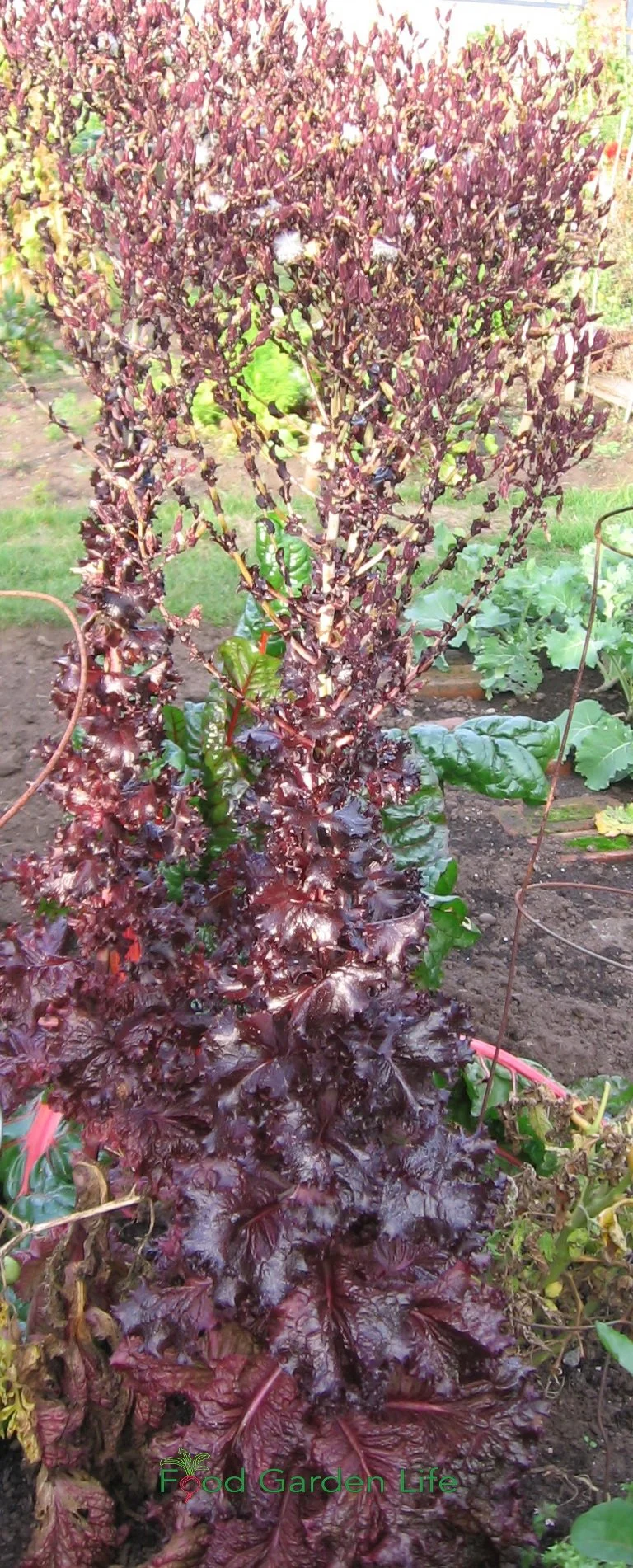
Bolting lettuce plants can get quite tall!
What Bolting Lettuce Looks Like
Bolting lettuce looks a bit like plant yoga as the centre of the leaf rosette begins to stretch upwards. Next, the now-lanky lettuce sends up a flower stalk.
Meanwhile, the leaves become bitter and tough.
What Makes Lettuce Bolt?
Bolting is normal. But lettuce plants don't bolt according to the calendar. A lettuce plant bolts because it's triggered by what's going on around the plant.
Here are triggers:
Heat
Dry conditions
Long days
As you see, lettuce bolts as we get normal summer weather. But you can still enjoy lettuce leaves in the summer using the ideas below.
5 Ways to Delay Lettuce Bolting:
Here are ways to keep growing these cool-season plants during the summer for continuous supply of salad greens:
Choose Slow-to-Bolt Lettuce Varieties
Some lettuce varieties don't bolt as quickly in summer weather. As you're shopping for lettuce seeds, look for a "heat-tolerant" or "bolt-resistant" lettuce variety.
Provide Shade for Summer Lettuce
When conditions are cooler and moister in the spring, lettuce does well in full-sun locations.
But as things heat up, give your lettuce some shade. When it's shadier it's also cooler and there's often more soil moisture.
There are a few ways to grow a shaded lettuce crop in the summer:
Growing lettuce in pots placed in a shady location.
Grow lettuce underneath taller crops that shade it. I grow lettuce underneath staked tomato plants.
Put up a mini hoop tunnel with shade cloth over top of the lettuce.
Grow vining crops such as cucumbers over an A-frame—and grow your lettuce in the shaded space underneath
Grow a Container Vegetable Garden
And get an early harvest of crops that usually take too long!
Mind the Moisture
Well-watered lettuce doesn't bolt as quickly. Water regularly.
If you're growing in rows and can mulch around plants, a generous layer of mulch helps to hold in moisture.
Don't Overcrowd

Prevent lettuce from bolting quickly with heat-resistant varieties, ample moisture, shade, enough space—and a shock treatment!
Stress can cause lettuce to bolt sooner. When lettuce plants are tightly packed into a garden, there's less space for roots, less space for leaves to grow—and less moisture. These stresses can make lettuce plants bolt sooner.
When I sow a bed of lettuce, I seed fairly densely. But as the little lettuce plants grow, I pull out some of the small plants as I harvest. This allows more space between remaining plants.
Shock Treatment
A little shock can temporarily derail the plant's readiness to bolt. Dig up and transplant a few of your perfect heads of lettuce to give yourself a few extra days of lettuce harvest.
A Non-Bolting Lettuce Alternative
Here's another idea for you: Grow a leafy green that won't bolt.
Swiss chard has a two-year life cycle. It's a "biennial."
That means that for the whole first year, the plant makes leaves. It only bolts in its second year.
Create Your Own Unique Edible Landscape
That fits for your yard, and your style!
Let a Few Lettuce Plants Flower
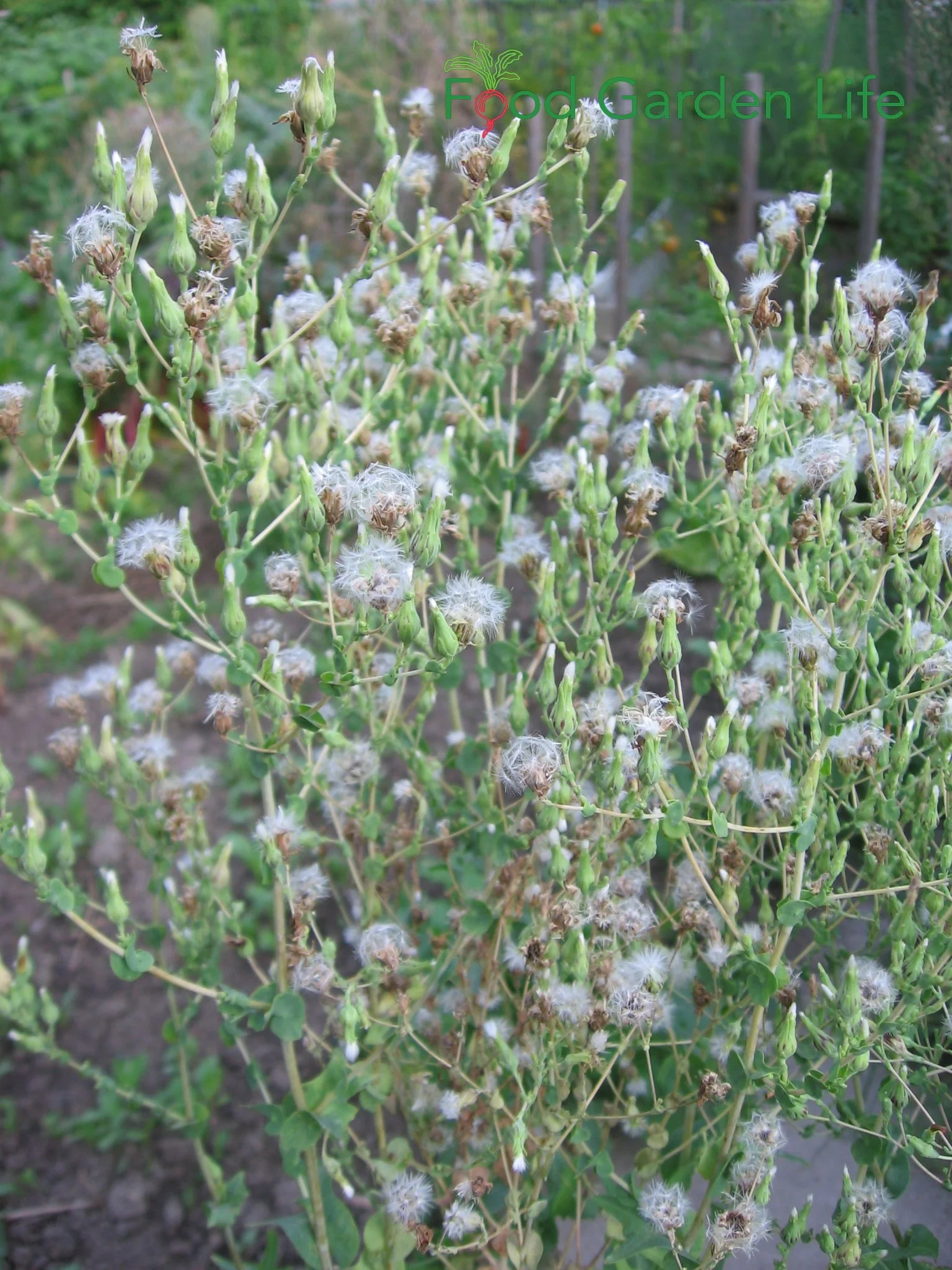
Lettuce producing seeds that float around the garden if left long enough. Grow your own lettuce seed—and attract birds to the garden with lettuce seed.
When the lettuce begins to bolt, I remove most of the plants. But I keep a few.
Here's why to keep a bolting lettuce plant:
Grow your own seeds. You can save the seeds to plant later, or, you can allow the wind to move the floating seeds around your garden.
Attract finches to the garden. I love to watch gold finches swoop in and land on the tall lettuce seed head to dine on the seeds.
FAQ: Bolting Lettuce
Can you eat bolted lettuce?
It's not toxic, but it's hardly palatable. But if you enjoy something that combines bitter and tough, give it a try.
Can you prevent lettuce from going to seed?
Short of killing the plant, you probably can't derail that one-year life cycle that terminates with seed.
But if you follow the steps above, you can delay bolting and seed formation.
What other leafy greens bolt?
Arugula, spinach, cilantro, bok choy, and mustard are common leafy greens that bolt.
Find This Helpful?
Enjoy not being bombarded by annoying ads?
Appreciate the absence of junky affiliate links for products you don’t need?
It’s because we’re reader supported.
If we’ve helped in your food-gardening journey, we’re glad of support. You can high-five us below. Any amount welcome!
More Vegetable Gardening Ideas
Articles
Courses
Ornamental Vegetables for Fall
By Steven Biggs
Vegetable Crops That Look Great in the Fall
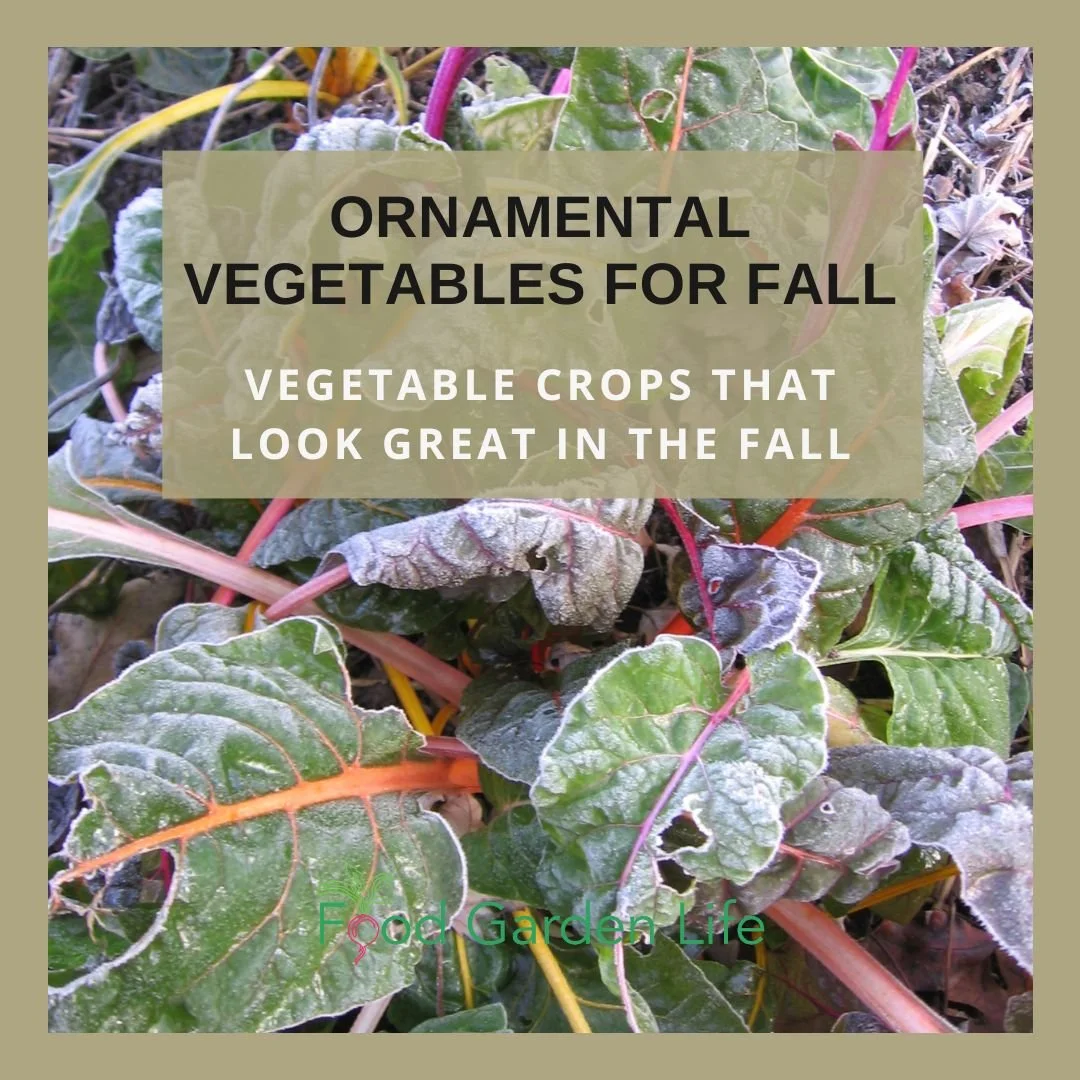
As I write this, it’s spring. But I’m picturing my fall garden.
I was just scouting out the spot where my Swiss chard will go this year.
I always fit in chard close to my kitchen window.
An Ornamental Edible
In the garden outside my kitchen window I weave together the ornamental and the edible. I especially treasure edible plants with ornamental appeal.
And that’s where chard fits in.
Swiss chard paints this part of my garden in yellows, reds, pink, and orange.
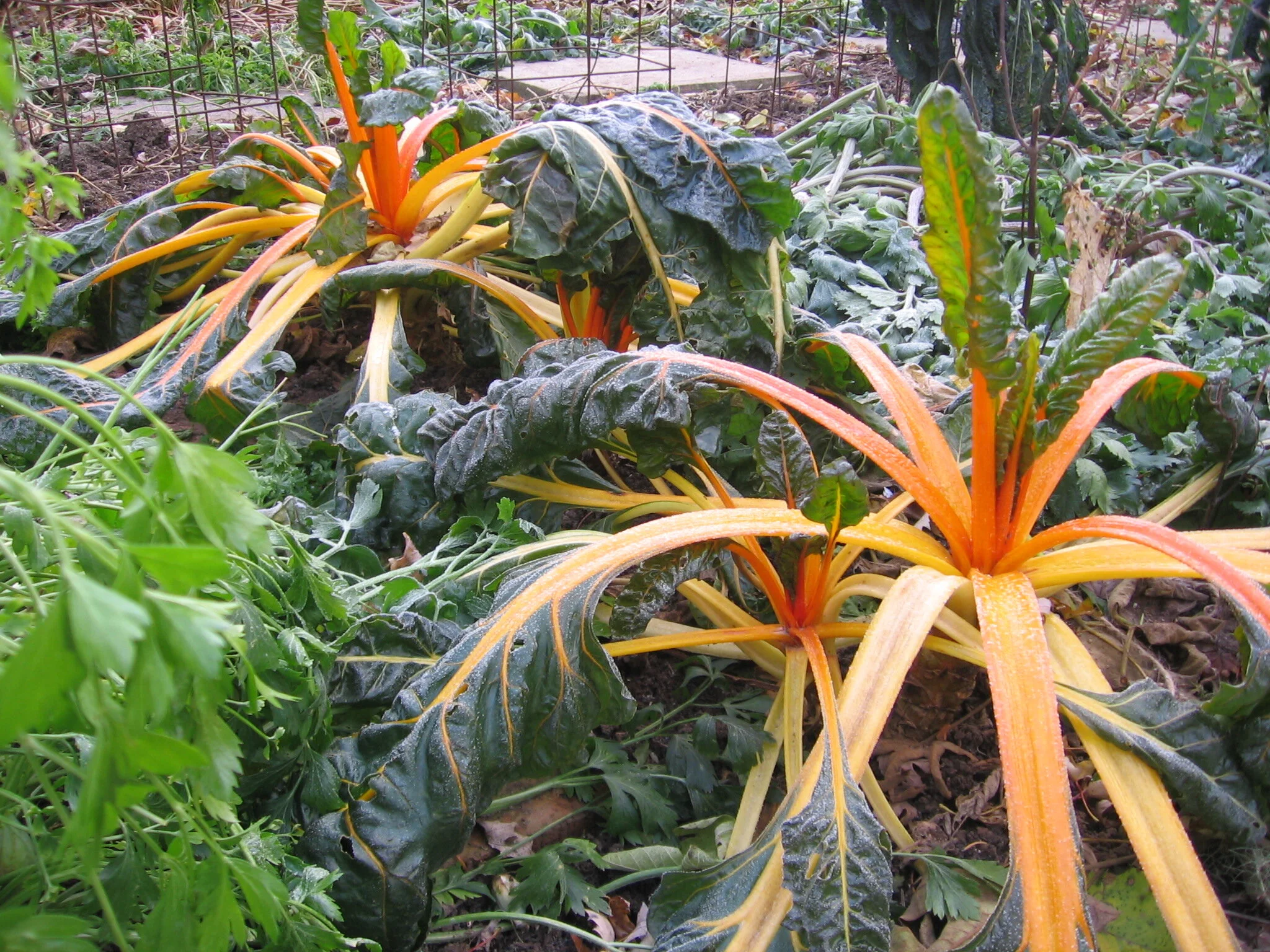
As cool, grey fall weather arrives, Swiss chard is a bright spot in a fading garden.
Summer-Long Production
Leafy greens like lettuce, spinach, and arugula come and go with summer heat.
They bolt
They get leathery
They get bitter
But Swiss chard sails through the heat with a prodigious output of tender leaves.
A Long-Lasting Edible
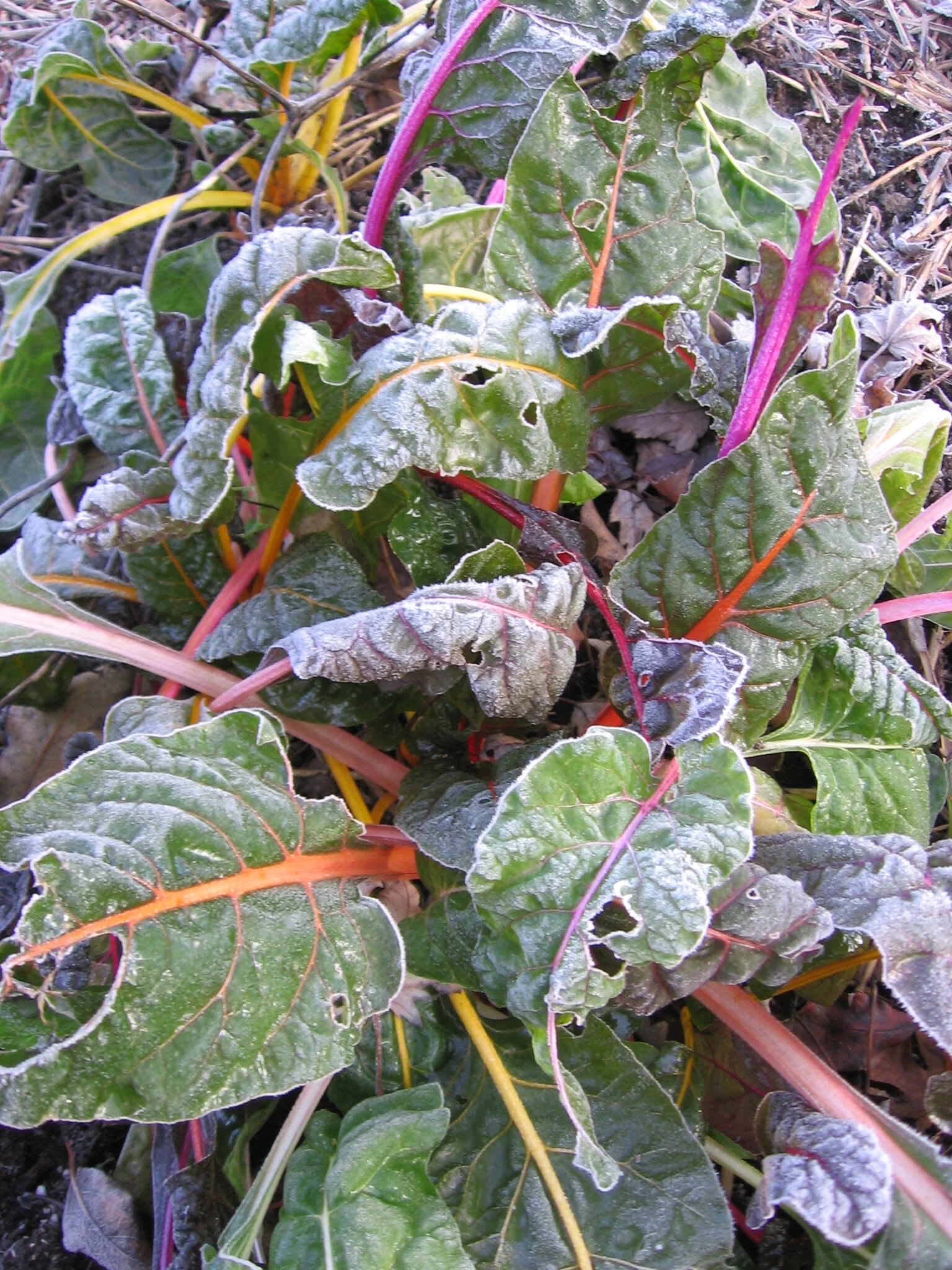
Swiss chard paints this part of my garden in yellows, reds, pink, and orange.
As cool, grey fall weather arrives, Swiss chard is a bright spot in a fading garden.
It shines.
When frost renders swathes of the garden a wilted green-brown, chard still shines. The bright leaves bow to the frost, then spring back up as sunshine warms them.
It perseveres until a hard freeze.
Put Chard Where You Can See it in the Fall
I’m picturing the spot where my chard will go, and making sure it’s somewhere I can enjoy looking at it from my kitchen window through the fall.
More Ornamental Vegetables for the Fall Garden
Cardoon is another ornamental vegetable that looks great in the fall. Find out more about cardoon.
Artichokes hold up nicely in fall weather. Find out how to grow artichoke.
Find This Helpful?
Enjoy not being bombarded by annoying ads?
Appreciate the absence of junky affiliate links for products you don’t need?
It’s because we’re reader supported.
If we’ve helped in your food-gardening journey, we’re glad of support. You can high-five us below. Any amount welcome!

Hi, We’re Steve and Emma!
We help people grow food on balconies, in backyards, and beyond—whether it’s edible landscaping, a vegetable garden, container gardens, or a home orchard.
Courses


Free Food- Garden Guide
Books

Covering everything from lemon varieties, to location and watering, to pruning and shaping, to overwintering, dealing with pests, and more—and including insights from fellow citrus enthusiasts—this book will give you the confidence you need to grow and harvest fresh lemons in cold climates.
Orders may be shipped from Toronto or printed and shipped directly by our printing partner. Available destinations and shipping charges appear at checkout. All prices are in Canadian dollars.
Prefer an ebook? Find the Kindle edition on Amazon.