Beat the Fall Frost: Early Ripening Tomatoes for Northern Gardeners
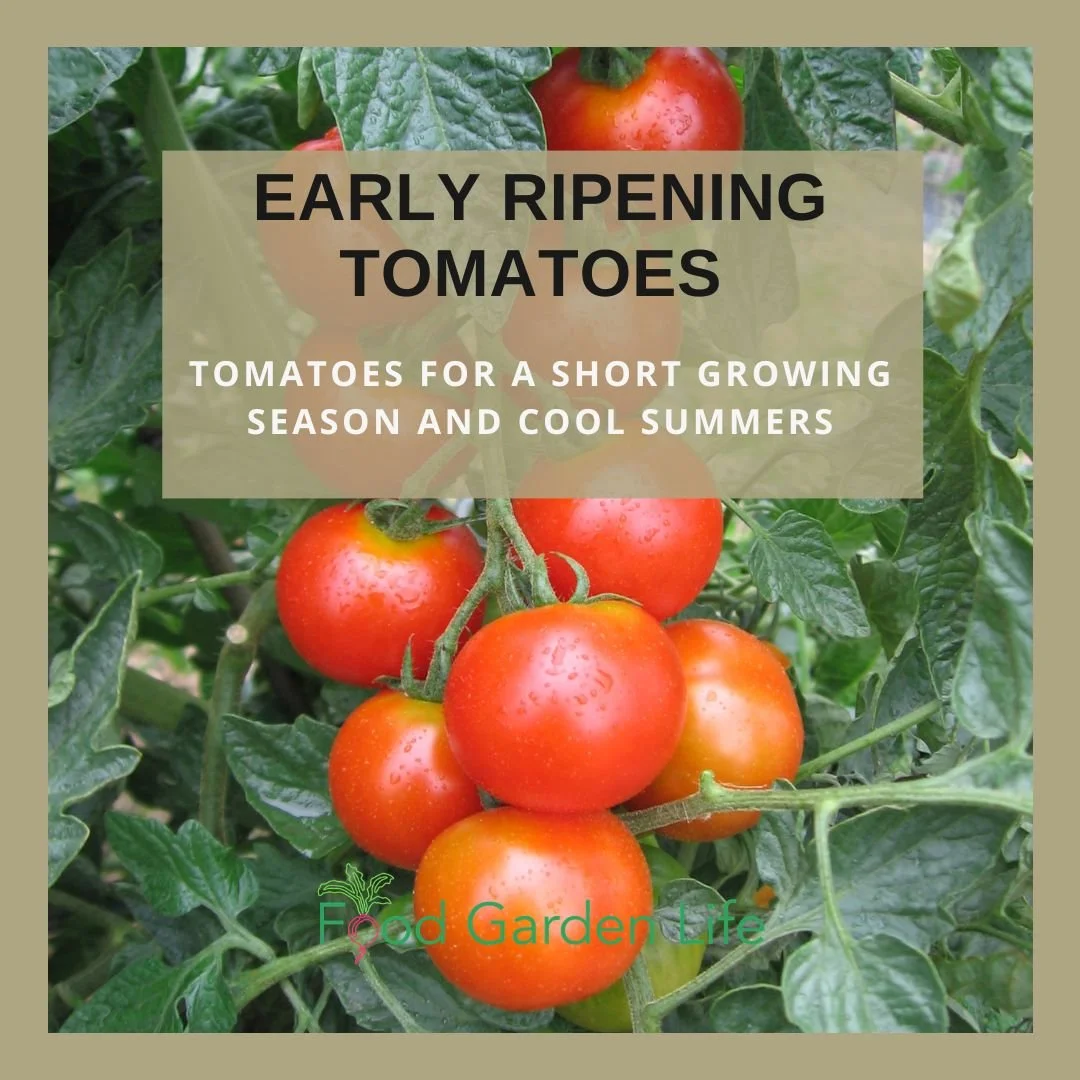
Short-Season Tomatoes
If you garden somewhere with late spring frosts, early fall frosts, or cool summers, you know the struggle: never enough ripe tomatoes before the first fall frost threatens to end tomato season.
The solution? Early-ripening tomato varieties suited to short growing seasons and coolish summers.
Instead of waiting 85–95 days for large beefsteak tomatoes that rarely ripen in time, northern gardeners can harvest ripe tomatoes in as little as 50–65 days — sometimes even earlier with protection.
Here’s the gist of this article:
What “early ripening” and days to maturity (DTM) mean
Top tomato varieties for cold climates (including tomato varieties with a Canadian pedigree)
Tips to boost your harvest in a short season
In my own Toronto garden (Canadian Plant Hardiness Zone 6a) I have a long enough season and the summer heat needed to ripen large, juicy beefsteak tomatoes. But I grow early ripening tomatoes too, as a way to get the earliest possible tomato harvest. One other benefit of early maturing tomatoes is that in years when late blight rears its head I’ve already enjoyed lots or ripe tomatoes!
What Makes a Tomato “Early Ripening”?
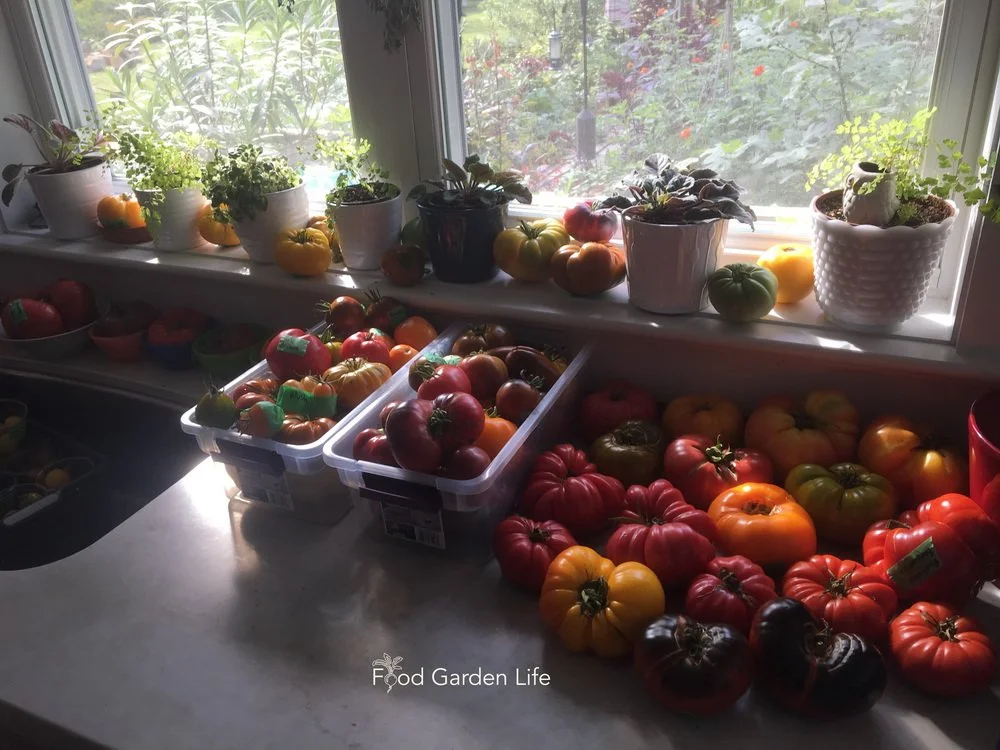
I grow lots of beefsteak and other “late” tomato varieties. But I always grow a few early tomato varieties so that I have ripe tomatoes earlier.
There are a few things to think about when it comes to tomatoes for a short growing season:
Days to maturity
Timing: Early to late
Fruit size
Cool-temperature tolerance
Understanding Days to Maturity
Days to maturity (DTM) is a relative measure that gives you a clue to how long a tomato will take to ripen. Don’t think of DTM as an exact number of days before you have a ripe tomato in your hand: It’s always approximate, because many things (your climate, the weather, growing conditions) affect ripening speed. But DTM is a great tool when comparing one tomato variety with another.
(By the way, for crops that we plant directly in the garden, DTM refers to the number of days from seeding until harvest; while for crops we transplant into the garden (e.g. tomatoes), DTM refers to the number of days from transplanting into the garden until you harvest your first ripe tomato.)
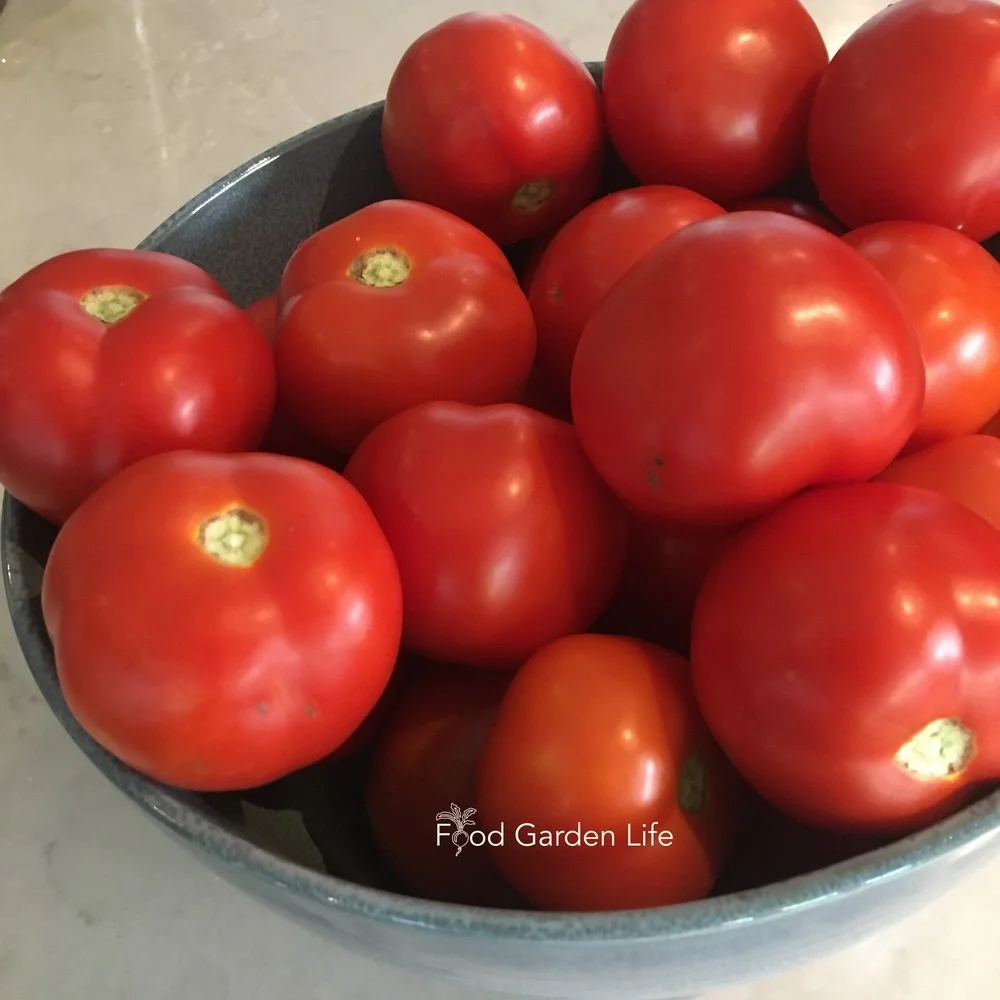
A bowl of early ripening tomatoes.
Timing: Early Maturing Tomato Varieties
As you investigate early maturing tomato varieties, you might notice that some sources give a days-to-maturity rating, while other sources simply categorize tomatoes as ultra early, early, mid-season, and late. So you might wonder how to compare varieties if ripening speed is explained differently.
Use this guide:
Ultra-early: 45–55 days
Early: 55–65 days
Mid-season: 70–80 days
Late: 80+ days
Fruit Size and Plant Type
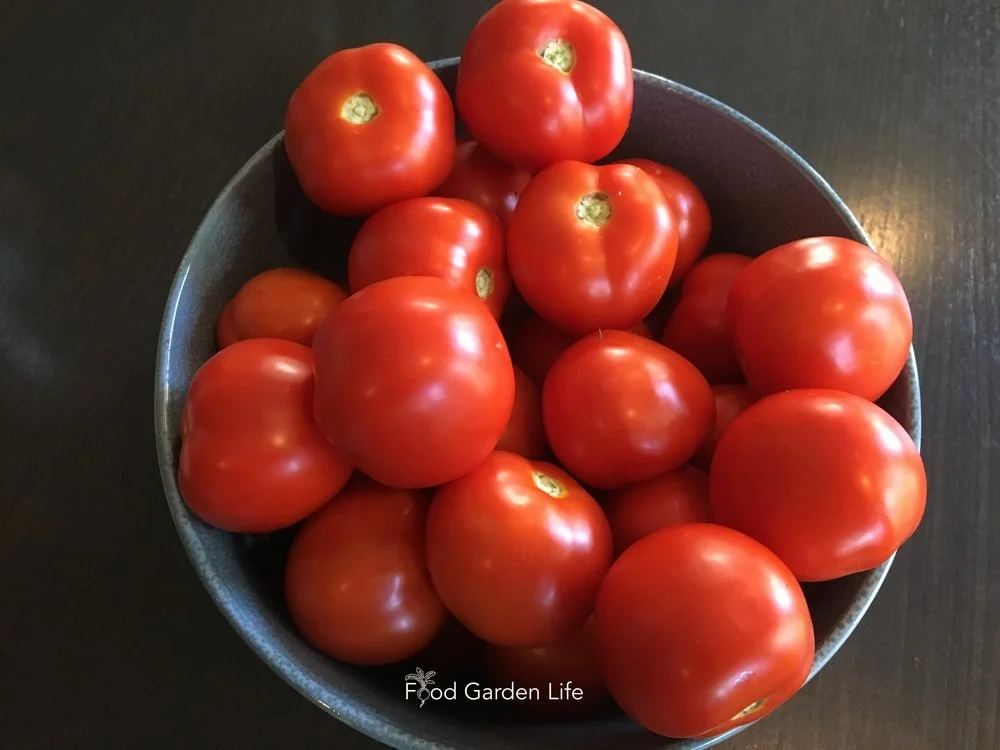
Smaller-fruited tomato varieties often ripen more quickly than large beefsteak types.
Smaller-fruited varieties and determinate varieties (bushier plants that set fruit in a short window of time) very often ripen more quickly. When I teach gardening classes, gardeners in cool coastal climates often tell me they focus on cherry tomatoes and small-fruited tomato varieties.
Cold Temperature Tolerance
When you see a tomato variety described as cold tolerant, it doesn’t mean it will thrive in cold conditions—because tomatoes are a heat-loving crop. It just means that the cold-tolerant tomato varieties can set fruit at temperatures slightly lower than other tomato varieties. It’s not a huge temperature difference, often just a few degrees, but it can be enough to give you tomatoes sooner. And that matters where the growing season is short.
5 Great Early Ripening Tomato Varieties for Cold Climates
These early ripening tomato varieties are proven performers for short growing seasons. They’re also widely available, so they’re a good starting point if you’re new to growing early maturing tomatoes.
1. Glacier
Gives small, red slicing tomatoes. Early and cold-tolerant. 55 days.
2. Stupice
Early, great flavour, and cold-tolerant. Small, red slicing tomatoes. 55–60 days. Great taste. This is my favourite early ripening tomato.
3. Sub Arctic Plenty
I’ve grown this super-early tomato variety for years. Reliably the first tomato in my garden. 45–50 days. Can’t argue with that!
4. Evan’s Extra Early
Good flavour. This mid-sized tomato is from Dr. Ieuan Evans of Alberta, a cold-climate gardener who also released the Evan’s Cherry. 57 days.
5. Early Girl
This is a hybrid tomato that’s been around since the 1970s and is widely available. It’s still around because it’s early, has a good taste, and keeps well. ~57 days.
Early Ripening Tomato Varieties with a Canadian Pedigree
Because of the short growing season in many parts of the country, and the cool, coastal summers in other areas, there are many early maturing tomato varieties from Canada. Sometimes the variety name gives it away—though not always. If this interests you, here’s a list of Canadian early ripening tomato varieties.
Atom
Beaverlodge Slicer
Cabot
Centennial Rocket
Early Alberta
Early Lethbridge
Early Hi-Crimson
Evan’s Extra Early
Glacier
Itabec
Kimberley
Manitoba
Maskabec
Porter’s Early Brookpact
Rocket
Russian Saskatchewan
Scotia
Siberia
Siberian
Sophie’s Choice
Sub-Arctic Cherry
Sub-Arctic Maxi
Sub Arctic Plenty
Summerdawn
Superbec
Usabec
Wentzell
This list is a work in progress. If you like a variety that should be on this list, email me.
Ready to go further?
If this article helped, the next step is the Tomato Overload Masterclass. If you're not ready for a course, grab my 20 Food Garden Hacks guide and I'll send more practical tips by email.
Final Thoughts: Short Season Tomatoes
Pin this post about early ripening tomatoes!
Choosing an early maturing tomato variety is a simple way to harvest more tomatoes in areas with a short growing season or cool summers. It’s also a way gardeners in warmer areas can enjoy an earlier tomato harvest.
FAQ: Short Season Tomatoes
What is the earliest ripening tomato variety?
One of the earliest is Sub Arctic Plenty, clocking in at under 50 days.
Can tomatoes grow in Zone 3?
Yes. Choose early varieties and use season extension techniques in the spring and fall.
Find This Helpful?
Enjoy not being bombarded by annoying ads?
Appreciate the absence of junky affiliate links for products you don’t need?
It’s because we’re reader supported.
If we’ve helped in your food-gardening journey, we’re glad of support. You can high-five us below. Any amount welcome!
More on Vegetable Gardening
Articles and Interviews
Looking for more information about growing vegetables? Drop by the Grow Vegetables home page for articles and interviews.
Course: Tomato Overload Masterclass
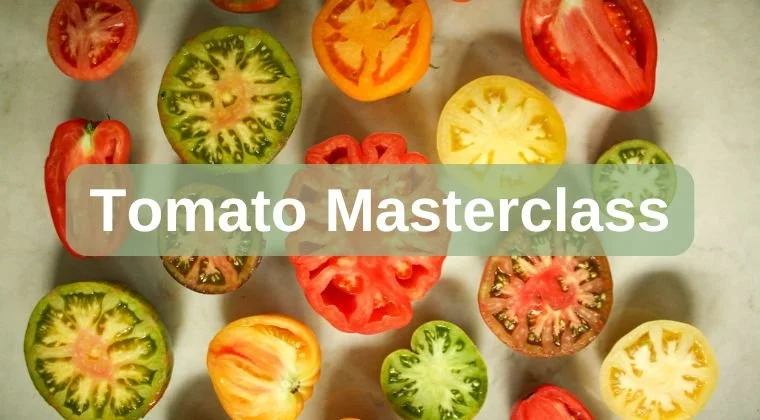
Want to up your game growing tomatoes?
This self-paced course helps you choose great varieties, grow great seedlings, give plants the care they need, and enjoy an abundant harvest.