
Home Food Gardening
Practical food gardening for real life, real seasons, and the space you have
There’s no single blueprint for a home food garden.
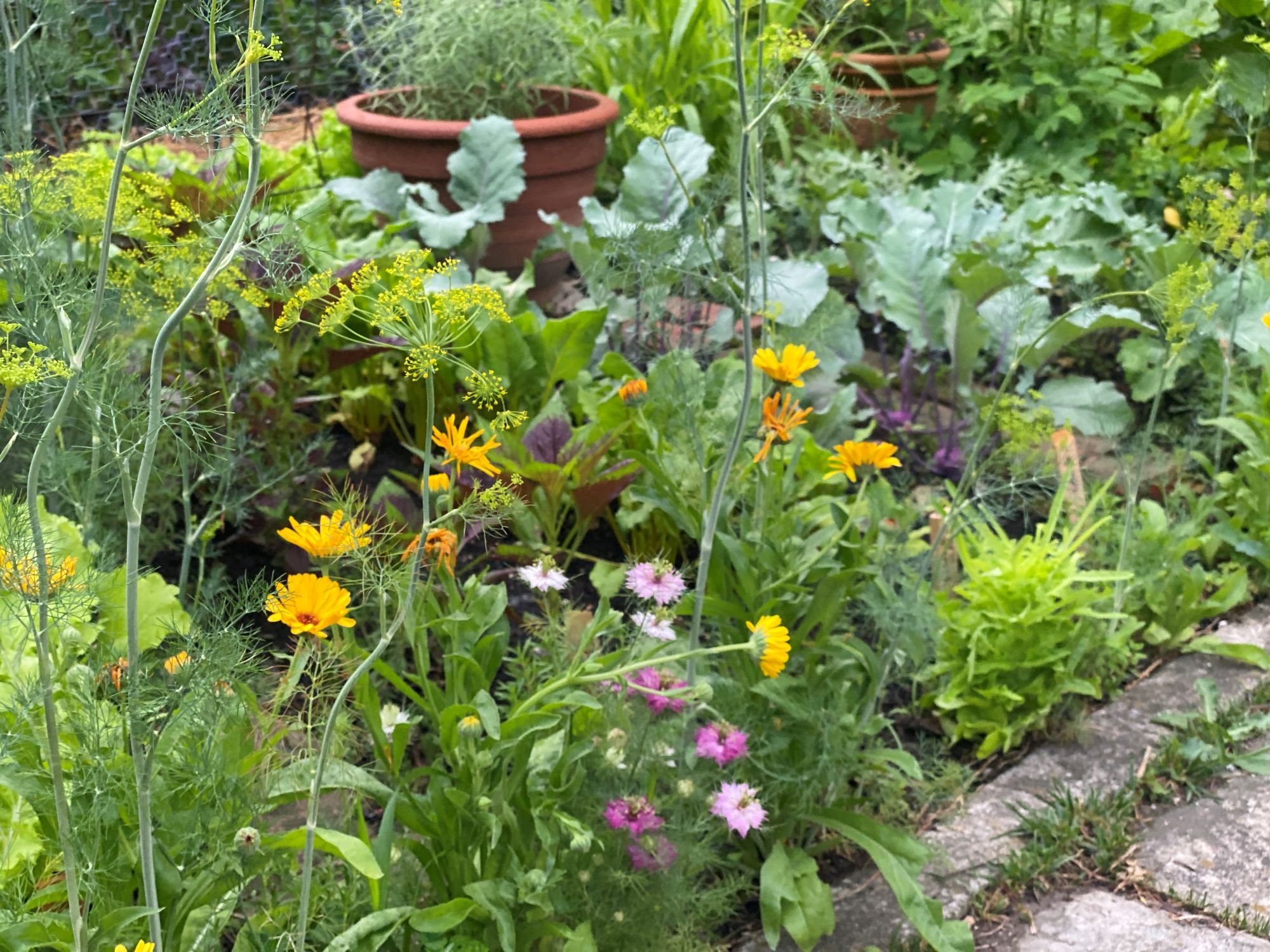
It might be a big rectangular backyard vegetable garden like my grandparents had. It could be herbs outside the kitchen door. Maybe tomatoes on a balcony. Some fruit trees dotted around the landscape. I’ve seen fantastic rooftop gardens. Or a collection of figs and citrus in pots.
The best food garden is one that fits your home, your climate, your available space, what you enjoy eating, and your time and energy.
As home gardeners, we’re not at this full-time the way market gardeners are. Home food gardening is not small-scale farming. We’re juggling jobs, family, and finite energy. So the key is gardening in a way that’s practical in a home-garden setting.
Start with the space you have
You can grow a surprising amount of food in a small space, with less-than-perfect conditions. For many of us, less-than-perfect conditions are simply the conditions we have.
My first food garden was a bunch of black nursery pots on a paved spot my landlord offered me. Not pretty. But quite productive. So if you have visions of an acreage, greenhouse, or a large veg patch, that’s fine. But you don’t need that sort of setup.
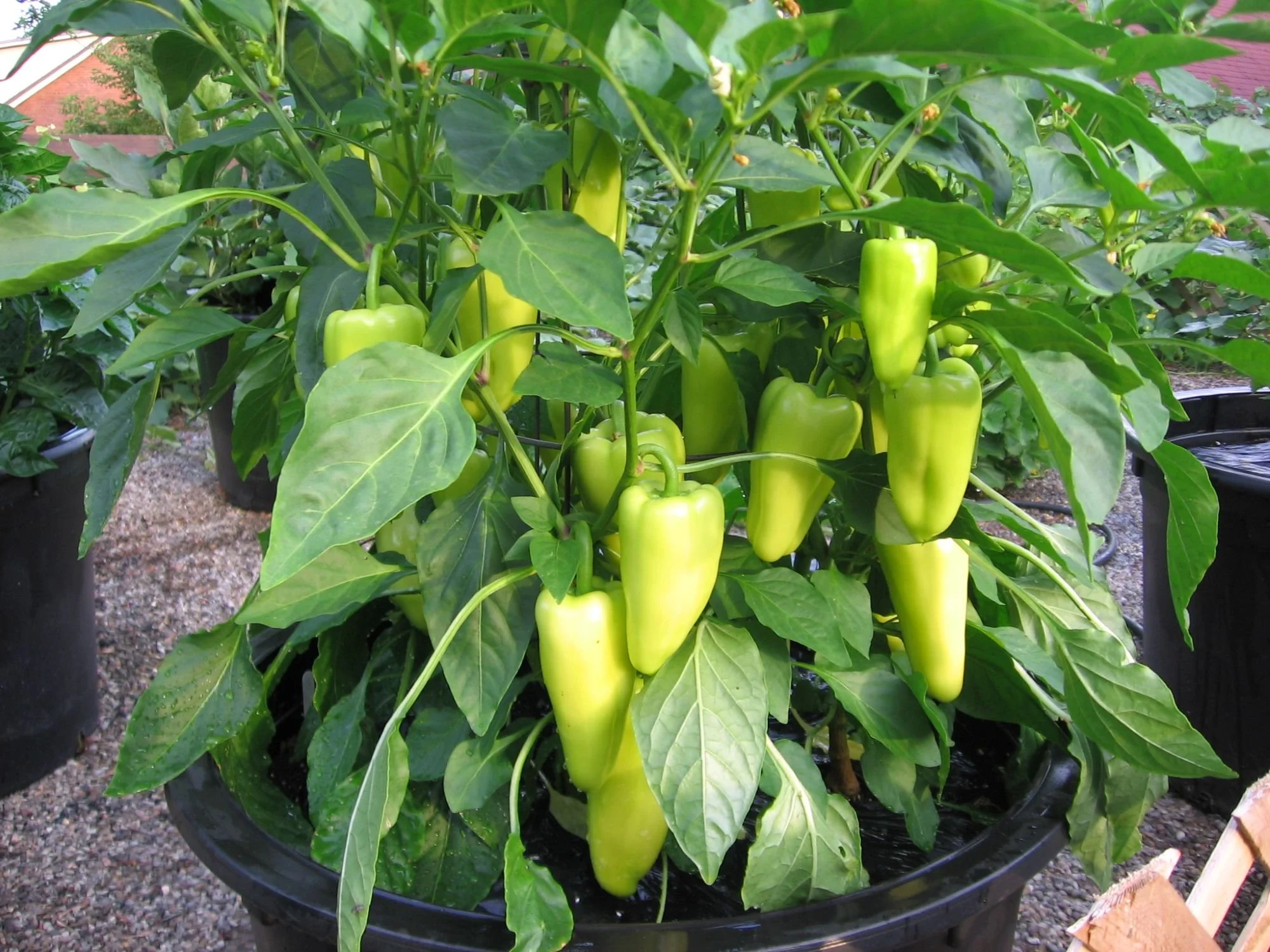
Pepper plants growing in inexpensive black nursery pots.
Your food garden might include:
Backyard
Front yard
Raised beds
Containers and patio planters
Balcony
Driveway
Established ornamental beds
Bigger is not necessarily better. It can mean more watering, more weeding, and more zucchini to foist on your neighbours.
Start with the space you have. Then decide what you most want from it.
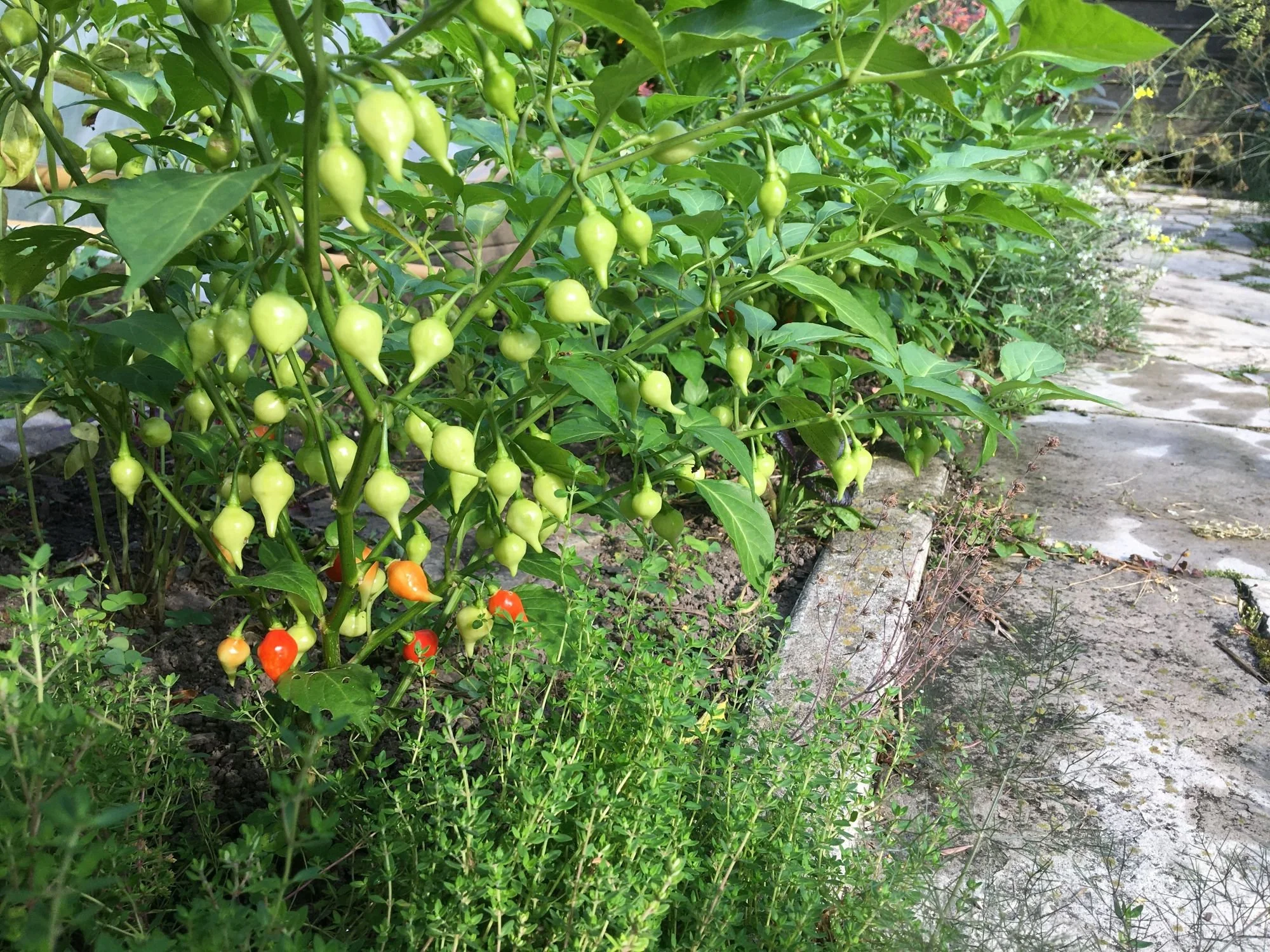
Teardrop-shaped peppers and lemon thyme edge a stone path.
Fit your garden to your lifestyle
A food garden should be enjoyable. Not a drag.
What suits you will depend on how much time you have, how often you travel, what you enjoy eating, and the sorts of gardening activities you find satisfying—or not.
Some people want bushels of tomatoes for preserving: gardening for self-sufficiency. Others want to grow a handful of herbs, salad greens, or berries to use while making supper: gardening for fresh ingredients, what I like to call a grazing garden.
If you’re like me, the goal is good food and a garden that’s manageable. I’m not a commercial market gardener; I have other commitments besides the garden. So my food garden is rarely perfect.
As you tailor your garden to your space and your time, here are ways to keep it manageable:
Grow fewer crops, but go deep on your favourites (my daughter once persuaded us to grow more than 100 tomato varieties, which may not be the finest example of restraint)
Plant perennial edibles that return each year
Use self-watering containers so you can travel
Grow vertically to make better use of a smaller, more manageable space
Replace demanding crops with less finicky ones
Work attractive edible plants into ornamental areas where looks matter
Make the garden fit your life. Not hijack all your time.
Grow vegetables and herbs
Vegetables and herbs are a starting point for many home food gardeners.
Choose from fast-growing options, culinary favourites, or maybe things that hold a place in your family food traditions. I’m a big believer in choosing crops to suit your setup and tastes.
What about the easy crops that are often recommended? OK if you love them. But there’s little glory in nursing baskets full of veg that nobody in the household wants to eat. Been there with radishes!
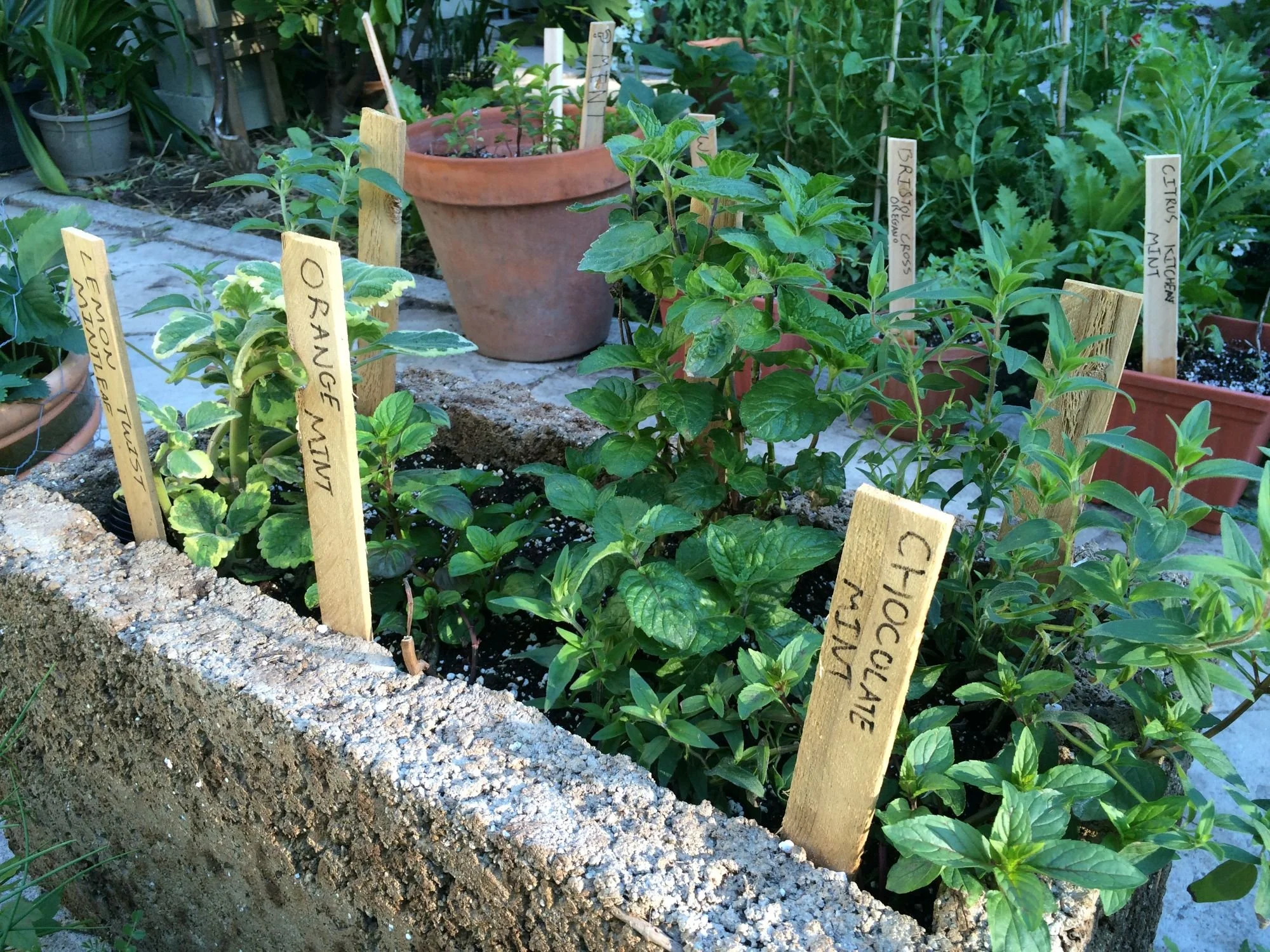
Several mint varieties growing in a small raised planter.
Grow what you like, maybe throw in a few experiments to keep things interesting. And then start to think about things like:
Choosing varieties that are both tasty and easy to grow
Starting your own crops from seed
Growing in containers and raised beds
Making a succession planting plan
Extending the harvest into spring and fall
Want a deeper dive? My live online classes and self-paced courses help home gardeners put these ideas into practice. Explore classes.
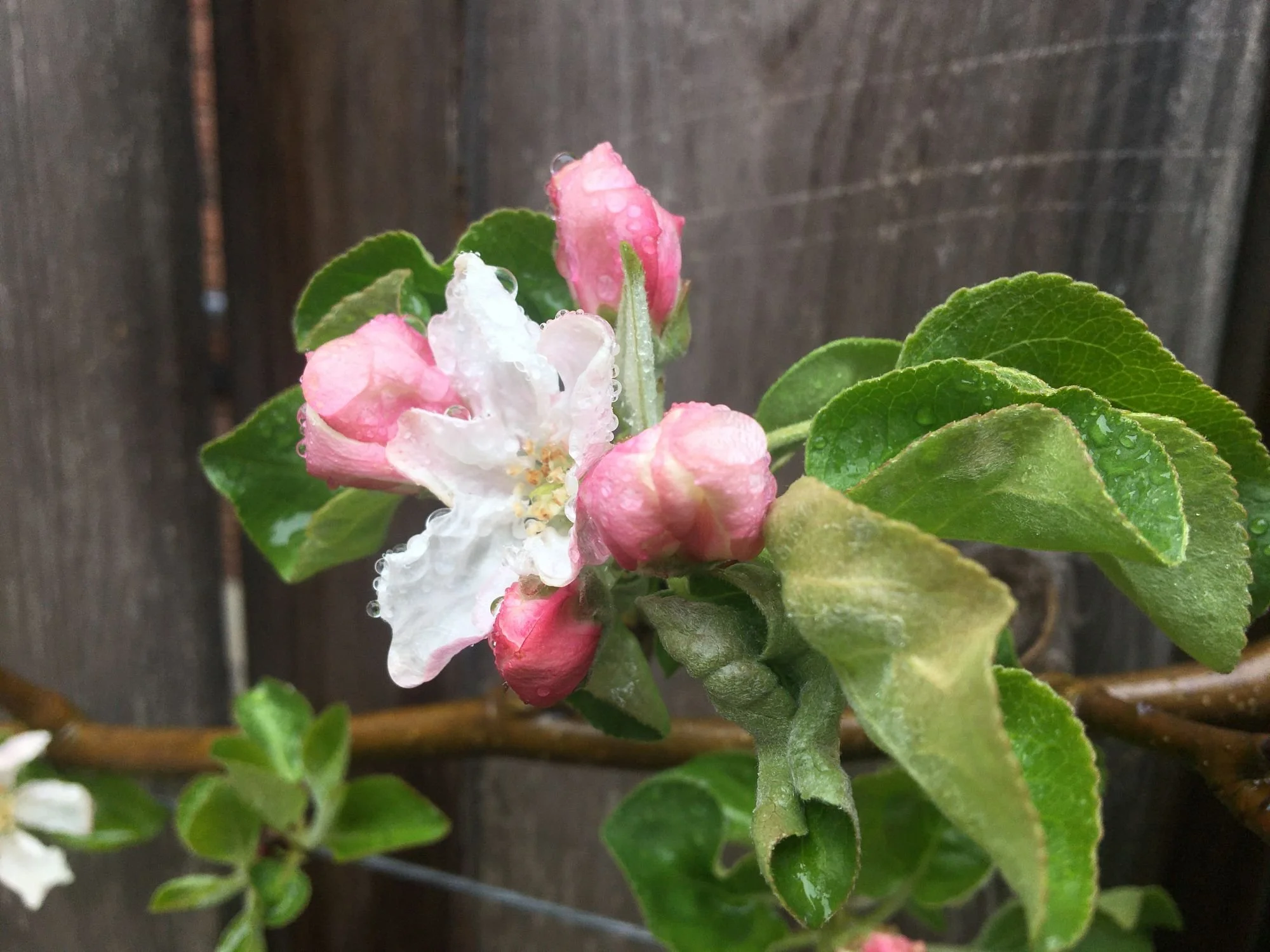
Apple blossoms on one of the espaliered trees along my fence.
Add fruit to your landscape
You don’t need sculpted, orchard-like fruit trees to enjoy homegrown fruit. They’re fine if that’s what appeals, but there are other options too.
Weave fruit trees, bushes, vines, and some perennial edibles into your landscape. Berry bushes can make a hedge. A mix of fruiting plants can become a fruiting hedgerow. A grapevine trained over a patio can create a shady nook. Columnar fruit trees can fit into narrow spaces.
I have a boring bit of board fence between my place and my neighbour’s. I’ve made it into apple espalier alley. Beautiful in the spring when covered with blossoms!
Where food gardening and ornamental gardening meet, some people call it edible landscaping. Or foodscaping. Or edible gardening. We tuck edible crops into those little spaces we have dotted around our yards.
So instead of thinking of a yard in terms of food-growing areas and decorative areas, let plants do more than one job. Look good? Check. Edible? Check.
Choose plants that provide:
Food
Flowers (even better if they’re edible flowers)
Fragrance
Shade
Privacy
Attractive foliage or structure
A productive garden can be a beautiful garden.
Grow beyond the usual crops
Both sets of my grandparents grew tomatoes. They’d compare with neighbours. It was the thing to do. I do the same. But I think home food gardening is especially fun when I go beyond standbys like tomatoes, beans, and zucchini.
I’m especially interested in crops that we’re told we can’t grow: figs in places with cold winters, lemons and yuzu in pots, olives moved indoors for winter, and other edible plants that stretch the usual boundaries. And don’t get me started on the fragrant Charentais melons.
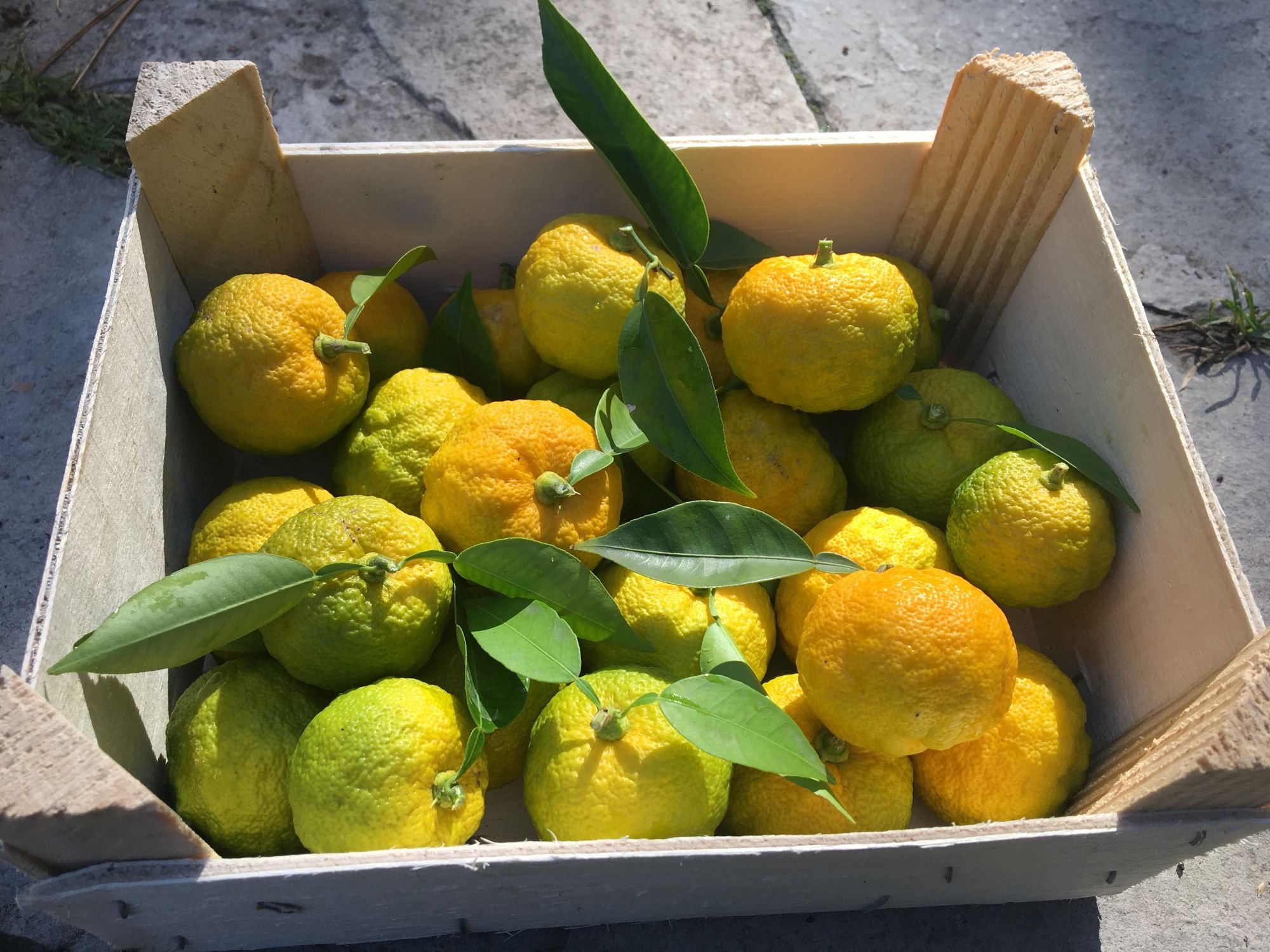
A potted yuzu tree keeps me supplied with exotic citrus fruit.
Growing these plants is not a matter of ignoring my climate. It just means understanding what the plant needs and figuring out how to provide it. It might not make economic sense for a commercial grower, but as a home gardener, I can spend a little extra time on these oddities.
That might involve:
Choosing an early-ripening or cold-tolerant variety
Using containers (the magic trick for eggplant in my garden)
Providing winter protection
Giving a plant a cool dormant period
Taking advantage of a warm wall or sheltered location (I have a south-facing bed reserved for figs!)
Success with these crops comes from observing and experimenting, with some failure along the way.
When someone says you can’t grow something, find out why. Then decide whether you can change the conditions. My okra was always humdrum…until I started growing it on my piping hot garage roof. Okra loves heat. Problem solved.
Make room for creativity
Food gardening can be practical. It can be predictable. But it can be wildly creative, too. And you can be the artist.
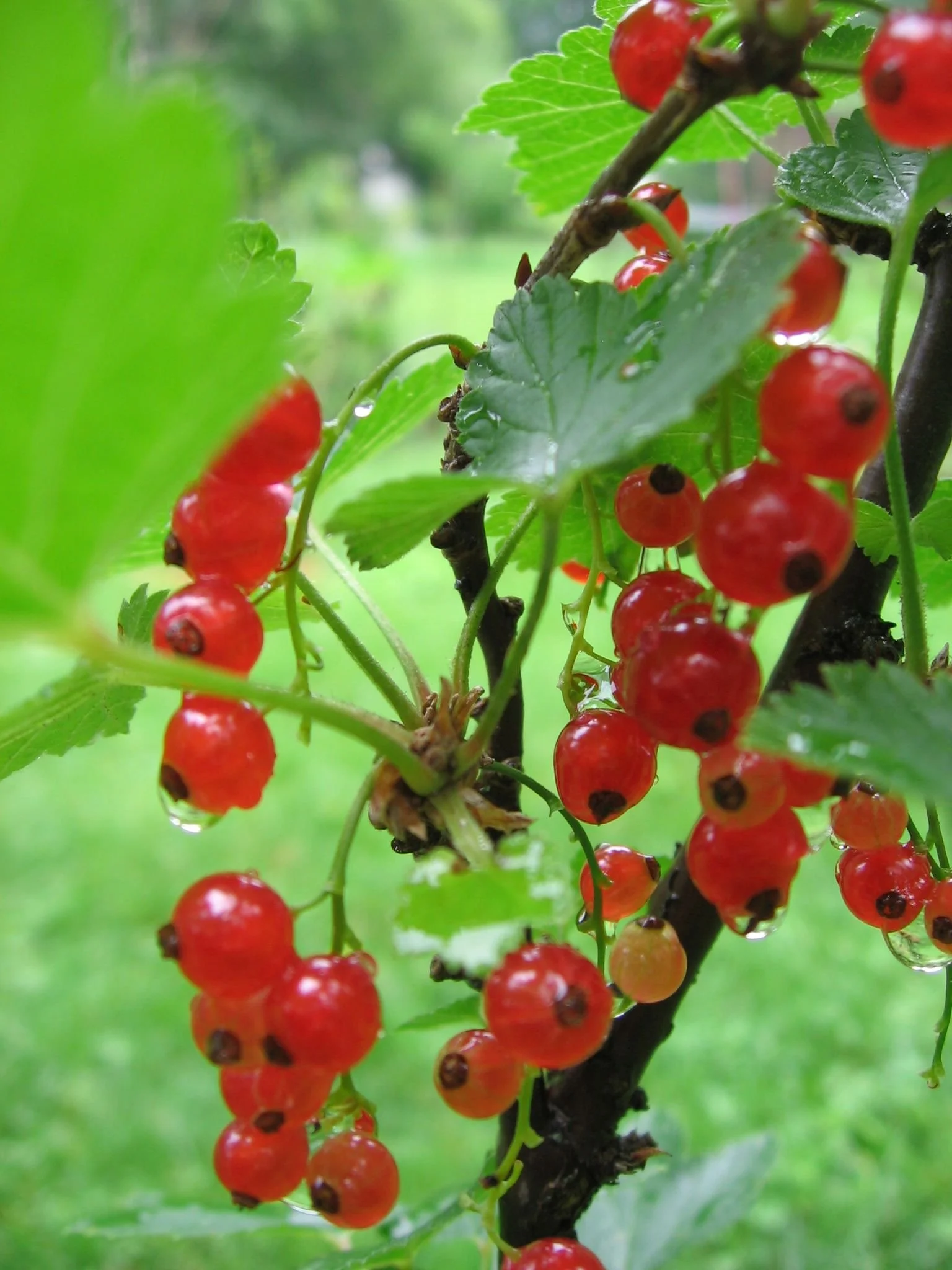
Clusters of red currants dangling like jewels.
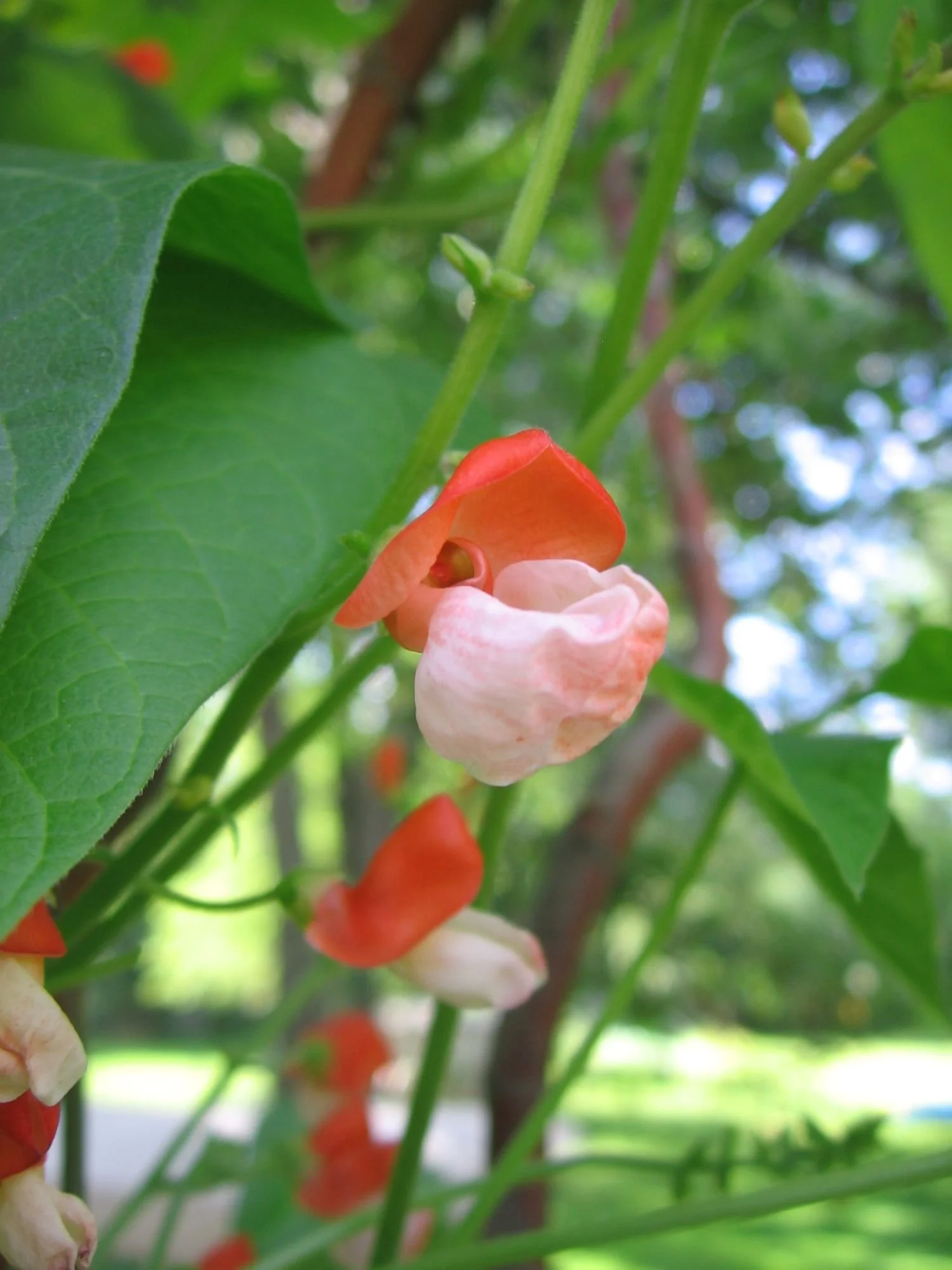
‘Painted Lady’ runner beans climbing into an apple tree.
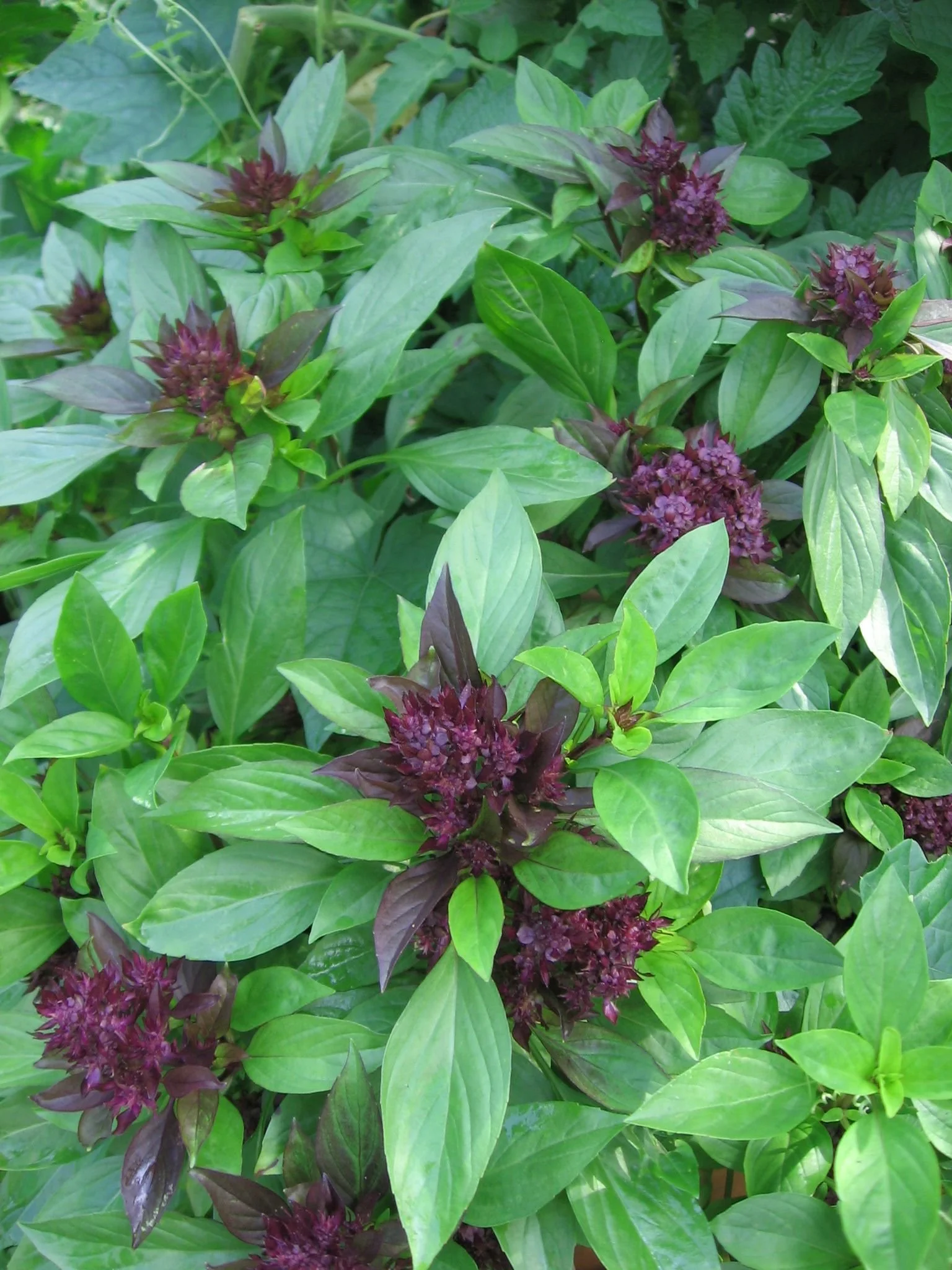
Edging a flower bed with Thai basil.
Being creative can cover a few things:
Mix plants in a new way (I loved it the year my scarlet runner beans grew into my apple tree and painted it red with flowers)
Enjoy form (I’ve made fig trees into fans, currants into espaliers with red fruit dangling like jewels)
Conquer a new space (don’t get me started on our driveway straw-bale garden!)
Use plants usually considered ornamental in the kitchen
Use edible plants ornamentally (I love edging the beds with Thai basil and little teardrop-shaped biquinho peppers)
Some experiments work beautifully. Others can become funny stories. (Valuable for me as a garden writer!)
Principles travel better than planting dates
I garden in Toronto, so I don’t pretend that my planting dates, winter methods, or favourite varieties will work exactly the same way everywhere.
What I try to share are the principles behind them.
Why does a certain crop need an early start? Why does one variety ripen more reliably than another? Why does a warm wall help? Why does a plant survive one winter and not another?
Once you understand what the plant needs, you can adapt the method to your own climate, garden, and season.
That matters because Victoria, Toronto, Winnipeg, and Pittsburgh are all very different places to grow food. Good gardening advice should help you make decisions, not hand you a calendar and hope for the best.
See my garden
Curious how all these ideas come together?
Take a walk through my Toronto garden, where a front lawn became food, a driveway became a vegetable patch, and a garage roof became a garden.
Find the help you need
Choose the kind of help that suits you.
Read
Browse practical articles about vegetables, herbs, fruit, edible landscaping, edible flowers, containers, indoor growing, garden-to-table cooking, figs, citrus, soil, and unusual edible plants. Browse the article library
Listen
The Food Garden Life Show brings together experienced gardeners, growers, researchers, authors, and other people with useful ideas about growing food. Listen to The Food Garden Life Show
The Fig Culture Podcast explores fig growing, fig history, varieties, culture, and the people who are helping figs find homes far beyond their traditional climates. Listen to Fig Culture
Join
Looking for a group of like-minded gardeners? The Food Garden Gang meets monthly for presentations, questions, discussion, and ongoing support about growing food at home. Find out about The Food Garden Gang
Learn
Our online gardening courses provide practical, plain-English instruction about subjects including edible landscaping, container growing, figs, citrus, olives, yuzu, and other home food-gardening topics. See the gardening courses
Books
Our gardening books cover vegetables, family gardening, figs, lemons, olives, and growing food where people often assume it cannot be done. Browse gardening books
Every gardener needs a few trusted mentors. Here are the Canadian gardening books that shaped my thinking. See Canadian gardening books that shaped my thinking
Explore More Food-Gardening Topics
Looking for something more specific? Explore these additional parts of Food Garden Life.
Looking for a particular article? Browse the complete Library of Articles.
Start growing food at home
You do not need to build the whole garden at once.
Start with one container, one bed, one fruit plant—or one corner of the yard. Grow something you genuinely want to eat.
Then build from there.
The best food garden is not the biggest or most perfect one. It is the one that fits your life and keeps feeding you.
Home food gardening is about more than what we harvest. Read what I mean by the food-garden life.
Get 20 Food Garden Hacks
Join Food Garden Life News and get 20 practical ideas for growing more food in the space you have.