
Figs in the Kitchen
A fig tree gives you more to eat than ripe figs. Use fresh and unripe fruit, experiment with fragrant fig leaves, and even save pruned fig wood for smoking food.
Fig leaves have a distinctive flavour that I think of as toasted almond and coconut with a gentle herbaceous note. Once you start using them, the tree becomes a culinary crop long before the first ripe fig.
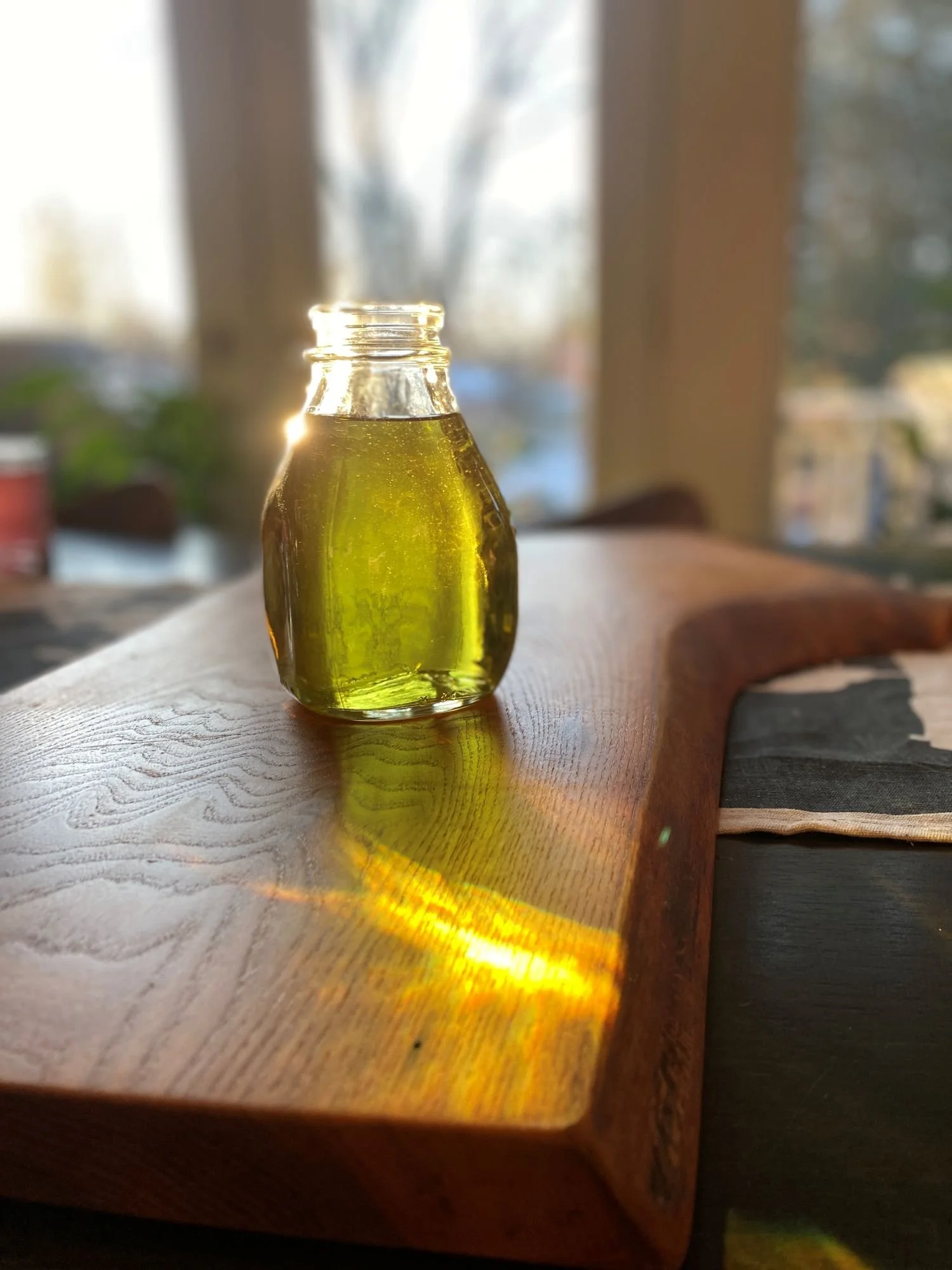
The distinctive fig-leaf flavour shines through in this fig-leaf vodka.
More than ripe figs
Ripe figs
Eat them fresh, bake with them, preserve them, or pair them with savoury foods.
Unripe figs
End-of-season figs don't have to be compost. Some traditional preparations use full-sized but firm unripe figs.
Fig leaves
Use them to infuse oils, dairy, desserts, drinks, and savoury dishes. The sap contains latex and can curdle milk, so preparation matters.
Hear Chef David Salt talk about cooking with fig leaves →
Fig wood
Dry pruned branches and experiment with the sweet smoke for foods such as cheese or tofu.



Ready to go deeper?
Fig Camp & Fig Masterclass
Learn how to grow figs in pots or in the ground, ripen more fruit, and get your plants through winter.
Grow Figs Where You Think You Can’t
My complete guide to growing figs in cold climates and pots, from choosing varieties to conquering winter.
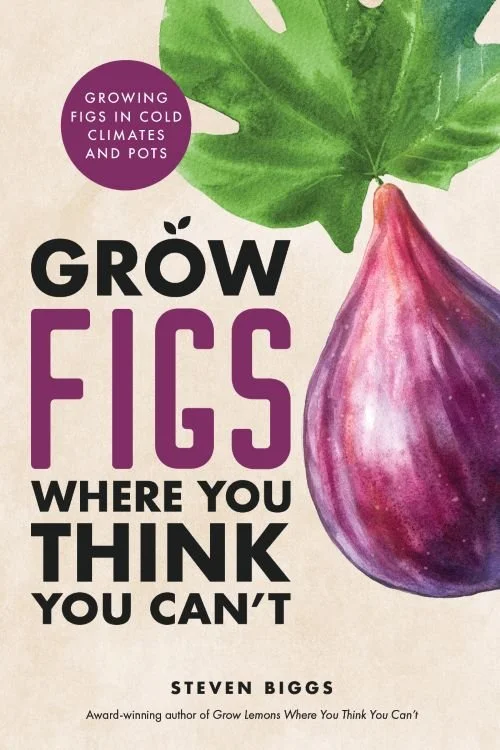
REVISED SOFTCOVER EDITION COMING FALL 2026
The completely revised edition of Grow Figs Where You Think You Can’t has grown from fewer than 100 pages to 320 full-colour pages. It draws on years of growing figs in Toronto and on ideas shared by inventive cold-climate and container fig growers around the world.
If you think figs are only for Mediterranean hillsides and sun-drenched patios, think again.
In Grow Figs Where You Think You Can’t, horticulturist Steven Biggs shows how home gardeners are harvesting bowls of ripe, honey-sweet figs in places where winter routinely reaches freezing temperatures and colder.
This is a practical guide to growing figs in cold climates and small spaces. Whether you’re gardening in Ontario, Idaho, Pennsylvania, or anywhere with real winters, you’ll learn how to make figs work where they shouldn’t.
Along with the key concepts, you’ll get real-world strategies from growers who are doing this successfully.
The original edition of Grow Figs Where You Think You Can’t won a Silver Award of Achievement from the Garden Writers Association, now GardenComm.