
Fig Tree Problems
Figs are forgiving plants, but they still come with pests, diseases, wildlife, and growing problems. Start by identifying whether the trouble is caused by an animal or insect, a disease, or the growing conditions around the plant.
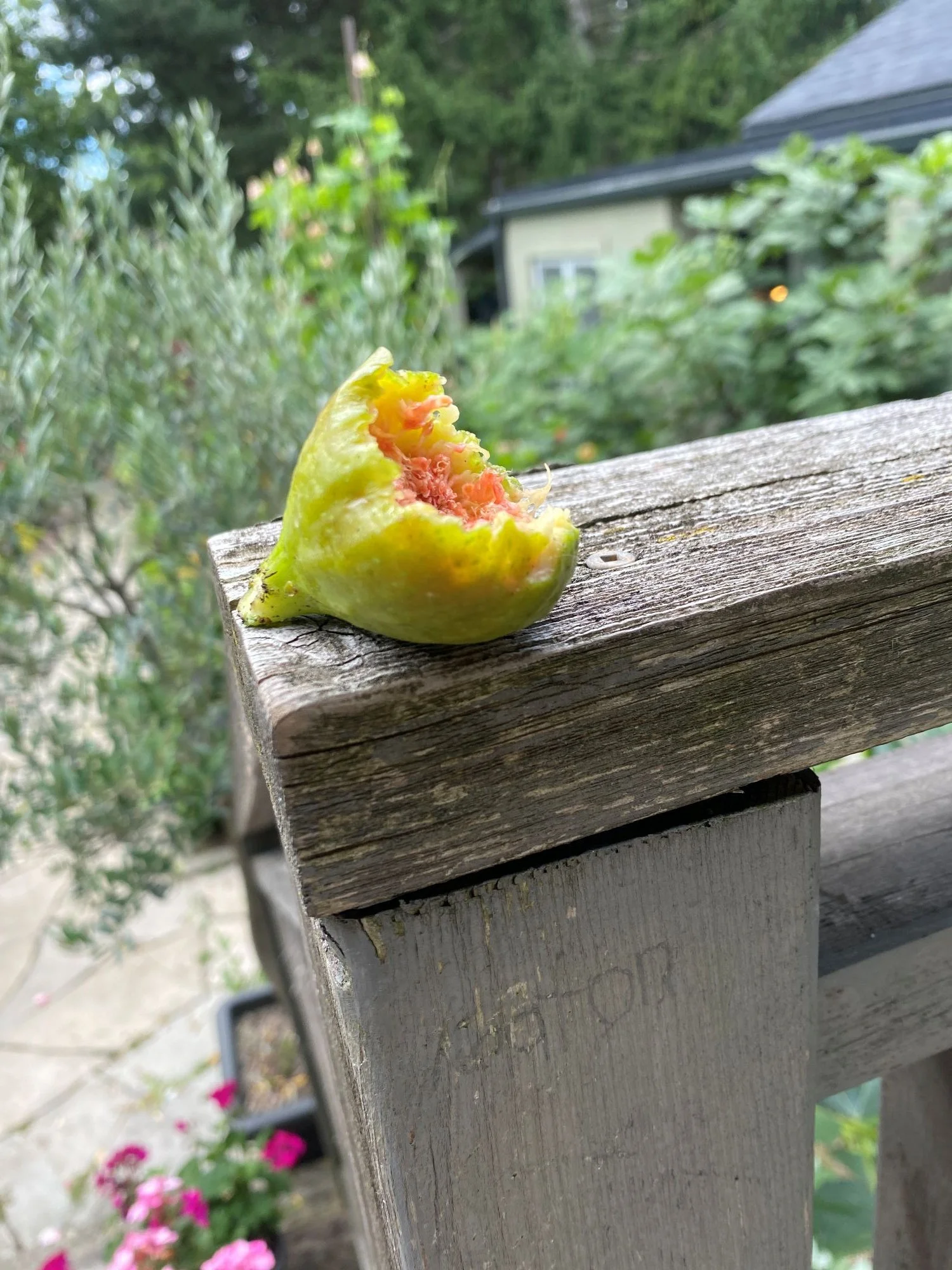
A squirrel beat me to this fig…then left half of it uneaten. Infuriating.
What kind of problem are you seeing?
| What you see | What to investigate first |
|---|---|
| Figs are disappearing or have bites taken out | Squirrels, birds, raccoons, or other wildlife |
| Bark or stems are chewed | Rodents, especially during winter storage |
| Tiny flies hover around pots or cuttings | Fungus gnats and overly moist growing mix |
| Leaves are mottled or distorted | Investigate fig mosaic virus |
| Young figs form, then drop | Water stress, growing conditions, or the type of fig crop |
| Figs split as they ripen | Sudden changes in soil moisture, especially with certain varieties |
Start with growing conditions
Before reaching for a treatment, check the basics: water, drainage, temperature, light, root health, and recent changes. Some fig symptoms are stress responses rather than a pest or disease that needs a product.
Ready to go deeper?
Fig Camp & Fig Masterclass
Learn how to grow figs in pots or in the ground, ripen more fruit, and get your plants through winter.
Grow Figs Where You Think You Can’t
My complete guide to growing figs in cold climates and pots, from choosing varieties to conquering winter.
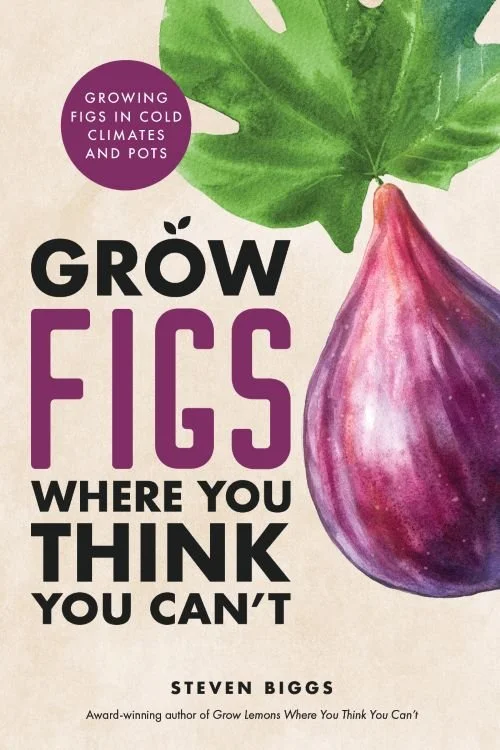
REVISED SOFTCOVER EDITION COMING FALL 2026
The completely revised edition of Grow Figs Where You Think You Can’t has grown from fewer than 100 pages to 320 full-colour pages. It draws on years of growing figs in Toronto and on ideas shared by inventive cold-climate and container fig growers around the world.
If you think figs are only for Mediterranean hillsides and sun-drenched patios, think again.
In Grow Figs Where You Think You Can’t, horticulturist Steven Biggs shows how home gardeners are harvesting bowls of ripe, honey-sweet figs in places where winter routinely reaches freezing temperatures and colder.
This is a practical guide to growing figs in cold climates and small spaces. Whether you’re gardening in Ontario, Idaho, Pennsylvania, or anywhere with real winters, you’ll learn how to make figs work where they shouldn’t.
Along with the key concepts, you’ll get real-world strategies from growers who are doing this successfully.
The original edition of Grow Figs Where You Think You Can’t won a Silver Award of Achievement from the Garden Writers Association, now GardenComm.