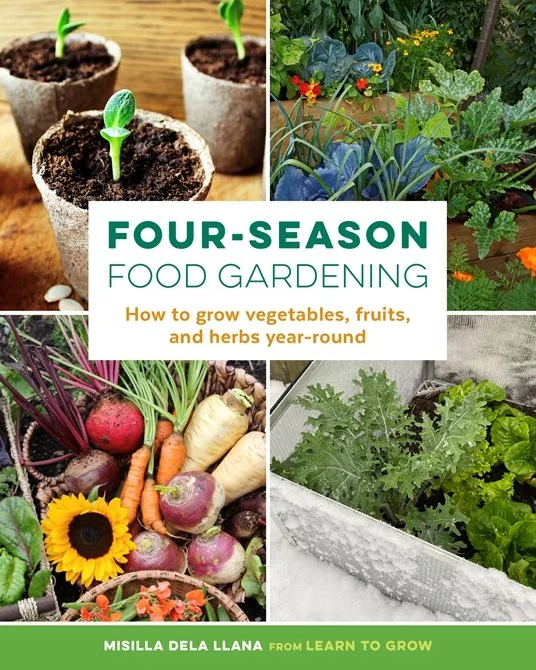
Four-Season Food Gardening
Misilla dela Llana joins us to talk about four-season food gardening.

Misilla dela Llana, author of Four-Season Food Gardening, joins us to talk about growing vegetables year-round.
Year-Round Food Gardening
In this episode we visit Misilla dela Llana in Washington State to talk about growing food year-round.
She is the host of the YouTube channel Learn to Grow, where she shares her passion for growing food.
In this episode we chat about:
Extending the growing season
Crops for season extension
Perennial food crops
Some of her top crops
Her new book is Four-Season Food Gardening: How to grow vegetables, fruits, and herbs year-round.
The Garden Life and Mud Pies
Michel Gauthier and Cheney Creamer talk about living the garden life and The Year of the Garden.

Year of the Garden
2022 is The Year of the Garden here in Canada.
This year of celebration includes lots of ideas to help people weave gardens and gardening into their lives.
We chat with Michel Gauthier and Cheney Creamer about their weekly Year of the Garden invitations that offer people something simple to do in the garden.
Gauthier is the executive director of the Canadian Garden Council. Creamer is the chair of the Canadian Horticultural Therapy Association.
Anything that slows us down has to be good for us.” Michel Gauthier
Live the Garden Life
How do you weave gardening into your life?
Tell them about it by sharing your garden and what you love about gardening, and use the hashtag #yearofthegarden.
No Groceries North of 60
Suzanne Crocker joins us from Dawson City, Yukon to talk about a year eating only locally sourced food, and about gardening in the north.
Eating Locally in Yukon

Crocker and her family ate locally produced food for an entire year. She shares the story in her film First We Eat.
Suzanne Crocker joins us from Dawson City, Yukon to tell us about the year she spent knowing where all the food on her plate came from.
There was no salt, no sugar, and no caffeine. There were three hungry (and sceptical) teenagers, and a reluctant husband. There was no grocery-store food in the house for the entire year.
“I knew where every single ingredient on my plate came from.”
Food Discoveries
Crocker talks about some of the techniques she learned during the year:

Making birch syrup to use as a sweetener
Foraging weeds and spruce tips
Juicing potatoes to make a thickener
Using rhubarb juice as a vinegar substitute
“It was kind of like your taste buds came alive,” she says as she talks about what it was like after getting through the first couple of months with no added salt.
Gardening North of 60
With only a couple of months of frost-free days, the gardening season is short and intense. The intense light causes some cool-weather vegetables such as spinach to bolt.
Crocker talks about crops that do and don’t grow in Dawson — and about gardening with moose!
From Medicine to Film
Crocker was a rural family doctor before becoming a filmmaker. She captured the year of her family eating locally in her new film, First We Eat.
This isn’t the first time she’s turned the lens on her family. Her first feature documentary, All The Time In The World, shared her family’s experience leaving home to live in the remote Yukon wilderness for 9 months.
Links and Resources
Rent the film (online streaming available in only Canada until fall 2022, when it becomes available worldwide)

Cold-Hardy Fruit and Nuts, Gardens for Native Pollinators
In this episode: Cold-hardy fruit with Allyson Levy and Scott Serrano and gardening for native pollinators with Sheila Colla and Lorraine Johnson.
Talking about cold-hardy fruits and nuts and native pollinators.
Cold-Hardy Fruit and Nuts
In the first part of the show, we chat with veteran fruit growers Allyson Levy and Scott Serrano, founders of Hortus Arboretum and Botanical Gardens.
Their focus is cold-hardy fruit and nuts with good disease resistance and minimal pest problems — plants suited to home gardens and landscapes.
They tell us about:
Medlar
Mulberry
Himalayan Chocolate Berry
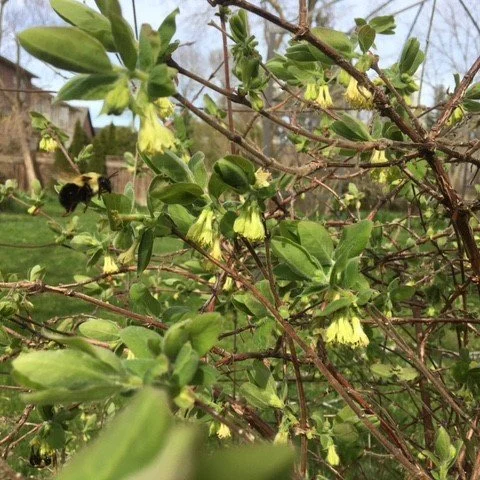
Honeyberry (a.k.a. Haskap)
Hazelnut
Their new book is Cold-Hardy Fruits and Nuts: 50 Easy-to-Grow Plants for the Organic Home Garden or Landscape.

Creating Habitat for Native Pollinators
In the second part of the show we talk about native bees and how we can support them in our gardens, with bumblebee researcher Sheila Colla and native plant expert Lorraine Johnson.
They tell us about:
Gardening as a way to support native bee species
How honeybees can impact native bee populations
The disappearance of the rusty patched bumblebee in Ontario
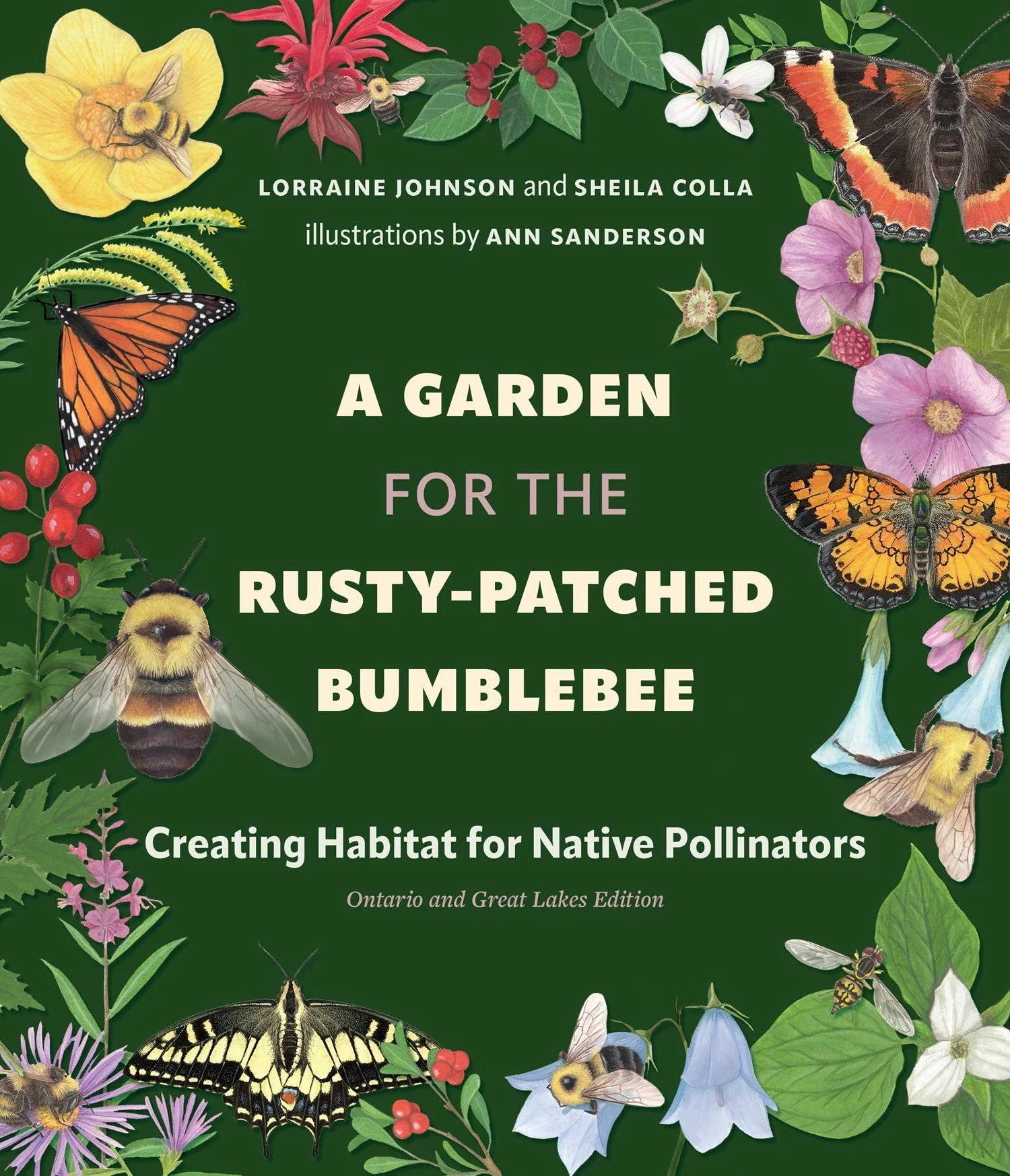
Their new book is A Garden for the Rusty-Patched Bumblebee: Creating Habitat for Native Pollinators.
Food, Flowers, and Fun for Urban Gardens
Growing food and beauty in the city with Kathy Jentz and Teri Speight.

Urban gardeners Teri Speight and Kathy Jentz talk about creating gardens that are functional, productive, and beautiful.
Today we hang out with 2 urban gardeners who brainstormed 101 ways we can grow food and beauty in urban gardens.
Teri Speight and Kathy Jentz talk about creative ways that city dwellers can make productive, functional, and beautiful gardens.
Jentz is a journalist, editor, and frequent radio and TV guest. She is also the editor and publisher of Washington Gardener magazine.
Speight is a speaker, writer, and podcaster. She’s the former head gardener of the City of Fredericksburg, founding farmer of a CSA, and an estate gardener.
Grow in Containers
Deeper window boxes
Planting pockets
Succulents in a frame
Grow bags
Berries in containers
Make Gardens Fun and Beautiful
Fragrance freeway
Patchwork pavers
Make small spaces feel big through design
New Book: The Urban Garden
Jentz and Speight are authors of the new book, The Urban Garden: 101 Ways to Grow Food and Beauty in the City.

Raised Bed Gardening
CaliKim shares tips about growing vegetables in raised beds.
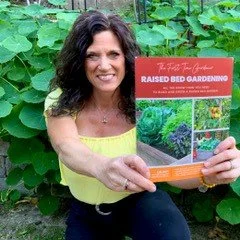
CaliKim joins us to talk about growing vegetables in raised beds.
Gardener and author CaliKim joins us from southern California to talk about growing vegetables in raised beds.
Grow Vegetables in Raised Beds
Raised beds can have a number of advantages:
Soil warms more quickly in spring
Less back and knee strain
A solution for locations with less-than-ideal soil
How to Make Raised Bed Gardens
CaliKim says that raised bed gardens don’t have to be a box or a square. “Think outside the box,” she advises.
A raised bed garden can be tailored to the yard and to the gardener. That could mean:
A shape suited to the location
Choosing materials that tie in to the style of the garden
A mobile unit to be place wherever there is available sunlight
“You have to make it fit your situation.”
Top Tip
CaliKim says would-be gardeners sometimes feel overwhelmed at the thought of making a garden.
Her top tip? Start small, but get started. “Just get started,” she says.
New Book
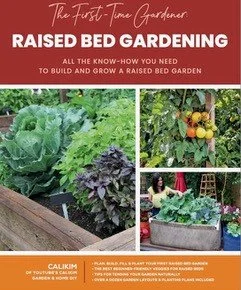
Her new book is Raised Bed Gardening: All the Know-How you Need to Build and Grow a Raised Bed Garden.
Gardening with Chickens, Grow Fruit Trees
In this episode: Chickens in the garden with Lisa Steele, and growing fruit trees with Susan Poizner.
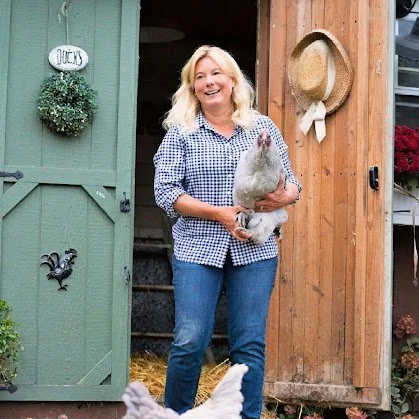
Author and chicken expert Lisa Steele talks about chickens in the garden.
Gardening with Chickens
In the first part of the show, we chat with chicken expert and author Lisa Steele.
Steele is a Maine Master Gardener and 5th generation chicken keeper.
In this episode, she tells us about:
Integrating chickens into the garden
What to grow for chickens
What to avoid growing
The pecking order, and how to deal with it
Using chicken manure in the garden
Using eggshells and cycling them back into the garden
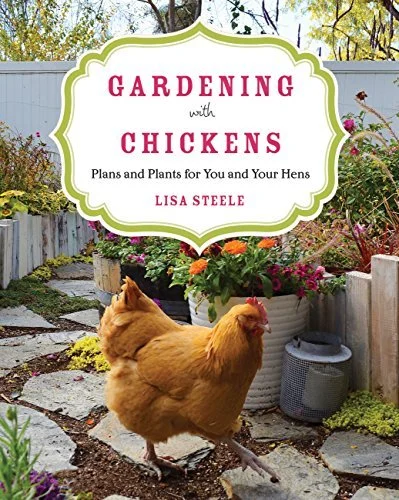
Lisa Steele’s book Gardening with Chickens.
Grow Fruit Trees Fast
In the second half of the show, we chat with fruit tree expert Susan Poizner, founder of Orchard People.
Poizner is the host of The Urban Forestry Radio Show, a college instructor, and the author of the award-winning book Growing Urban Orchards.
In this episode, she tells us about:
What to do with fruit trees in the spring
Shopping for fruit trees
Pruning fruit trees
Common problems first-time fruit tree growers often face
The community orchard she helped found in Toronto
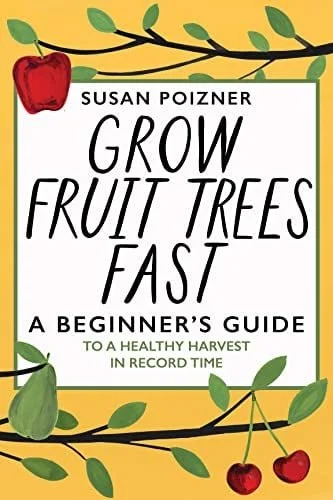
Looking for more tips about growing fruit trees? Poizner’s latest book is Grow Fruit Trees Fast.
A Passion for Heirloom Vegetable Seeds
Jere Gettle from Baker Creek Heirloom Seeds talks about heirloom vegetable seeds.
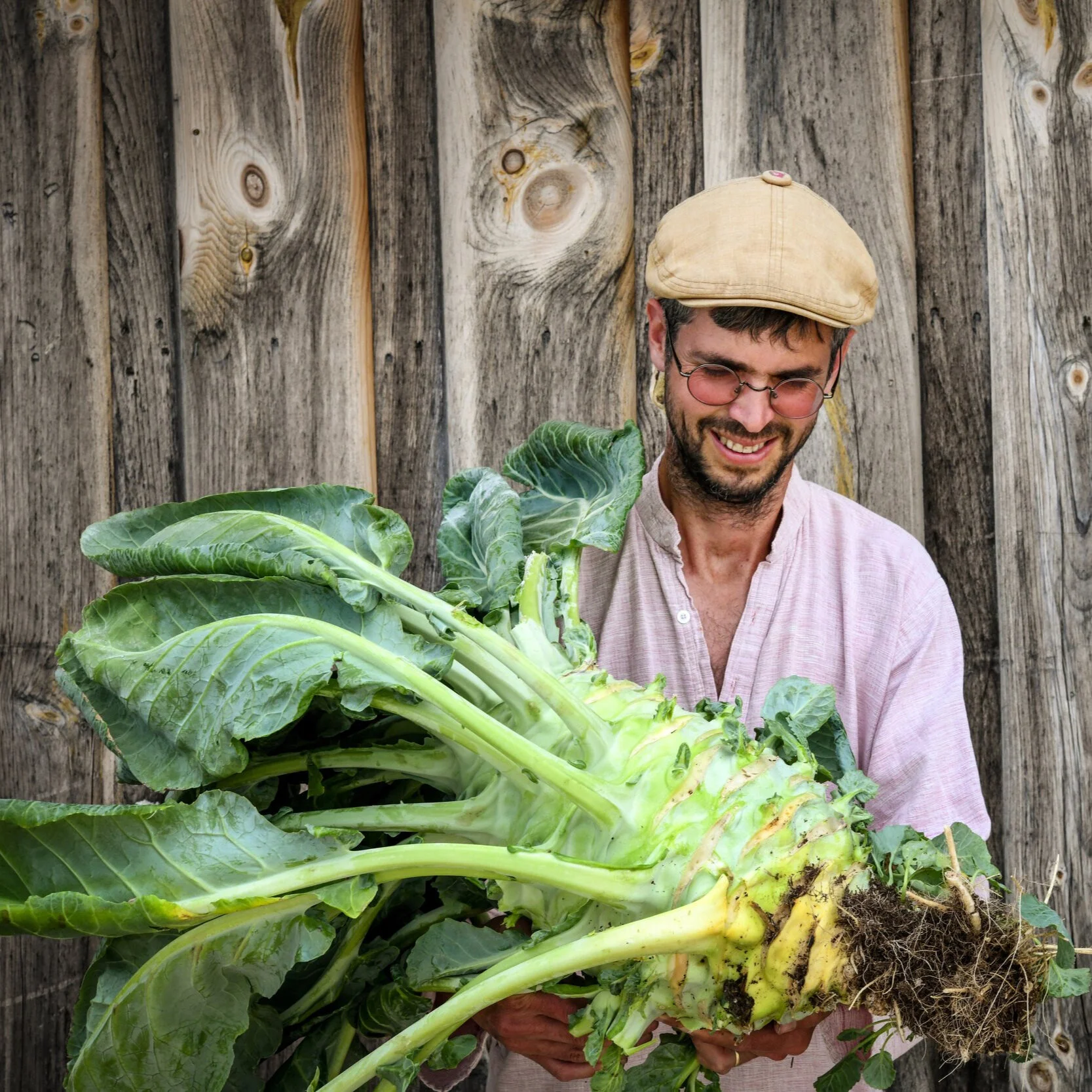
Jere Gettle from Baker Creek Heirloom Seeds talks about heirloom vegetable seeds.
Heirloom Vegetable Seeds
Jere Gettle from Baker Creek Heirloom Seeds joins us to talk seeds, seed saving, and seed collecting.
He loves meeting gardeners, chefs, and farmers who share old seed varieties and the stories behind them.
Lifelong Passion for Heirloom Seeds
Gettle started his seed business as a teenager, with a 12-page photocopied price list.
Today, the seed company tests over 4,000 heirloom seed varieties each year.
Gettle says that for a variety to make the cut for the catalogue, he’s looking for 3 things:
It’s beautiful
It tastes great
It grows well
Connect
Baker Creek Heirloom Seed: rareseeds.com
If this episode piqued your interest in seeds, tune in to the November 2020 episode entitled Creating New Tomato Varieties. Emma chats with heirloom seed saver and tomato expert Linda Crago about breeding tomato varieties.
How to Raise Baby Chicks
Dr Scott Gillingham on how to raise chicks, the first 7 days.

Dr. Scott Gillingham talks about how to successfully raise chicks.
What do you Need to Raise Chicks?
We’ve talked about backyard poultry here on the show before, but we’ve never explored raising chicks.
Our guest today is Dr. Scott Gillingham from Guelph, Ontario. He’s a poultry veterinarian who works with big flocks. But he’s also a homesteader with his own small flock.
Commercial scale and homestead scale agriculture are often in different silos. His passion is bridging the silos.
We’ll hear about:
Crop fill
Brooding chambers
Preventative medicine
Comfort zones
Giving chicks the right temperature
Suitable feed for chicks
“You become the hen and you have to understand the attributes of a hen and how to provide for and nourish that chick.”
Observation is Very Important
We’ll also talk about something that is very useful tool when raising chicks: A 5-gallon bucket.
Gillingham explains how he uses a simple bucket to sit on and observe what’s up. It works in big commercial barns; it works with small home flocks.
He says that when chicks have everything they need you’ll see them eating, drinking, sleeping, and playing. If not — you’ll see huddling for warmth or with wings up trying to cool themselves.
Book about How to Raise Chicks
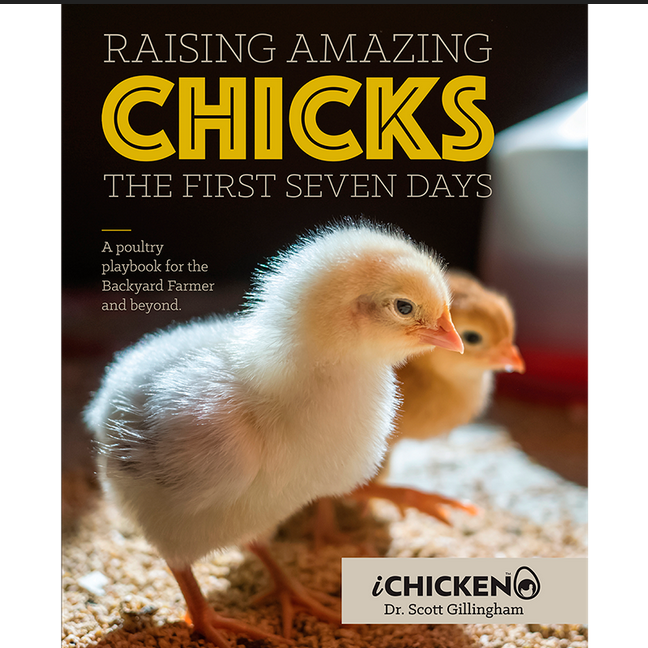
Gillingham’s book is Raising Amazing Chicks: The First Seven Days.
Connect
Scott Gillingham’s Website: www.ichicken.ca
Press Seed and Nut Oils at Home
Bevin Cohen talks about how to press your own seed and nut oils.
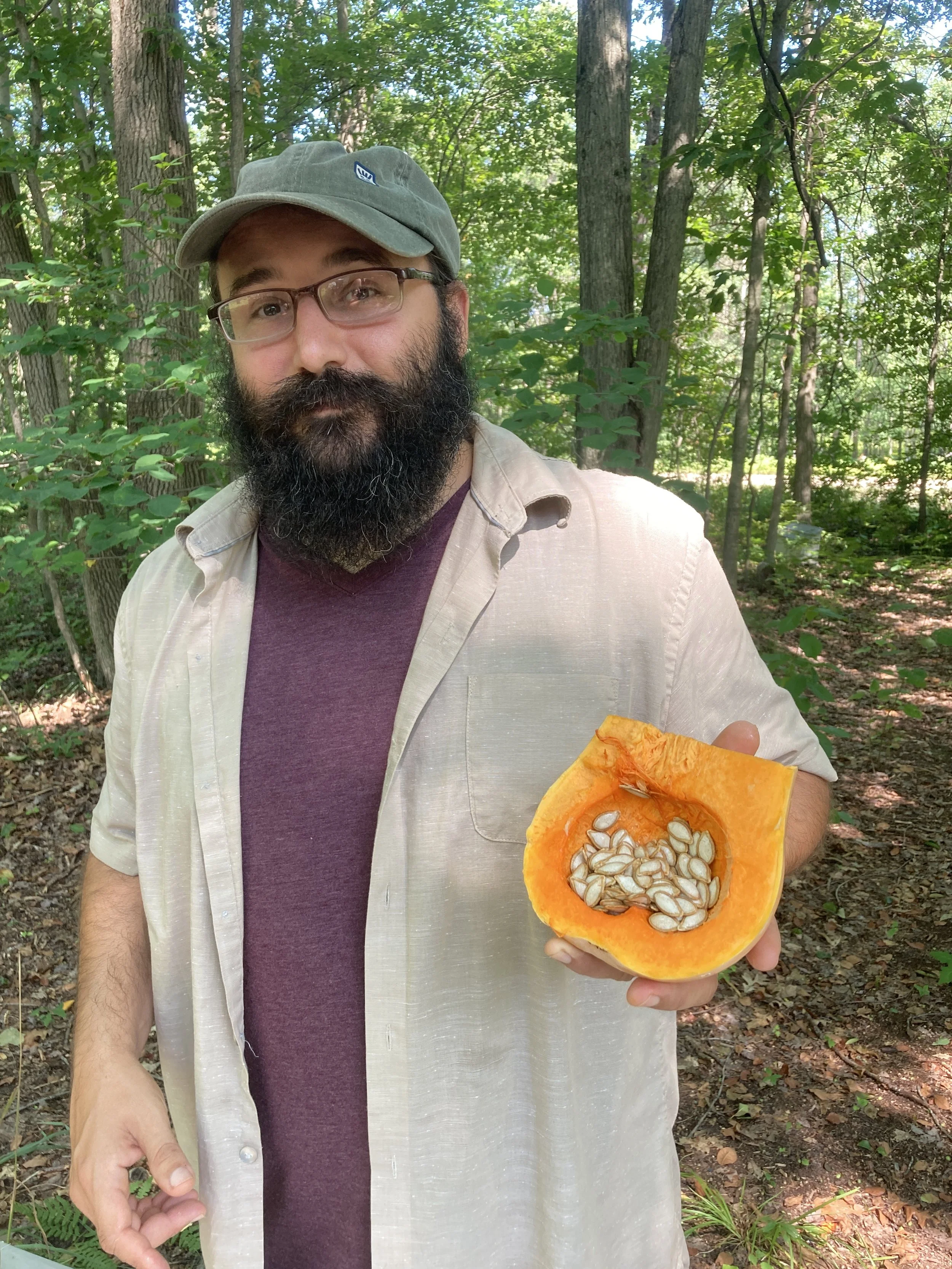
Bevin Cohen from Small House Farm talks about how to make your own seed and nut oils.
Make Seed and Nut Oils at Home
Our guest today makes oils from a wide range of nuts and seeds.
Bevin Cohen runs Small House Farm in Michigan, where he specializes in oils, seeds, and cosmetics.
Home Oil Pressing
Cohen says home oil pressing gives fresh oil with superior flavour to oils that are mass produced.
He explains how to press small batches of oil at home.
Oil Seeds for Northern Gardeners
In this episode, Cohen talks about how to press oil from:
Flax
Hemp
Walnut
Pumpkin
Black currant
Borage
Watermelon
The Whole Nut or Seed
Leftovers from oil production of some seeds provides “seed cake” that can be used for cooking. Examples are pumpkin seed cake and walnut seed cake.
Shelling Tip
Trying to sort black walnut shell from nut pieces? Put them in water.
Shell fragments float, while the nut meat sinks.
Book about Seed and Nut Oils
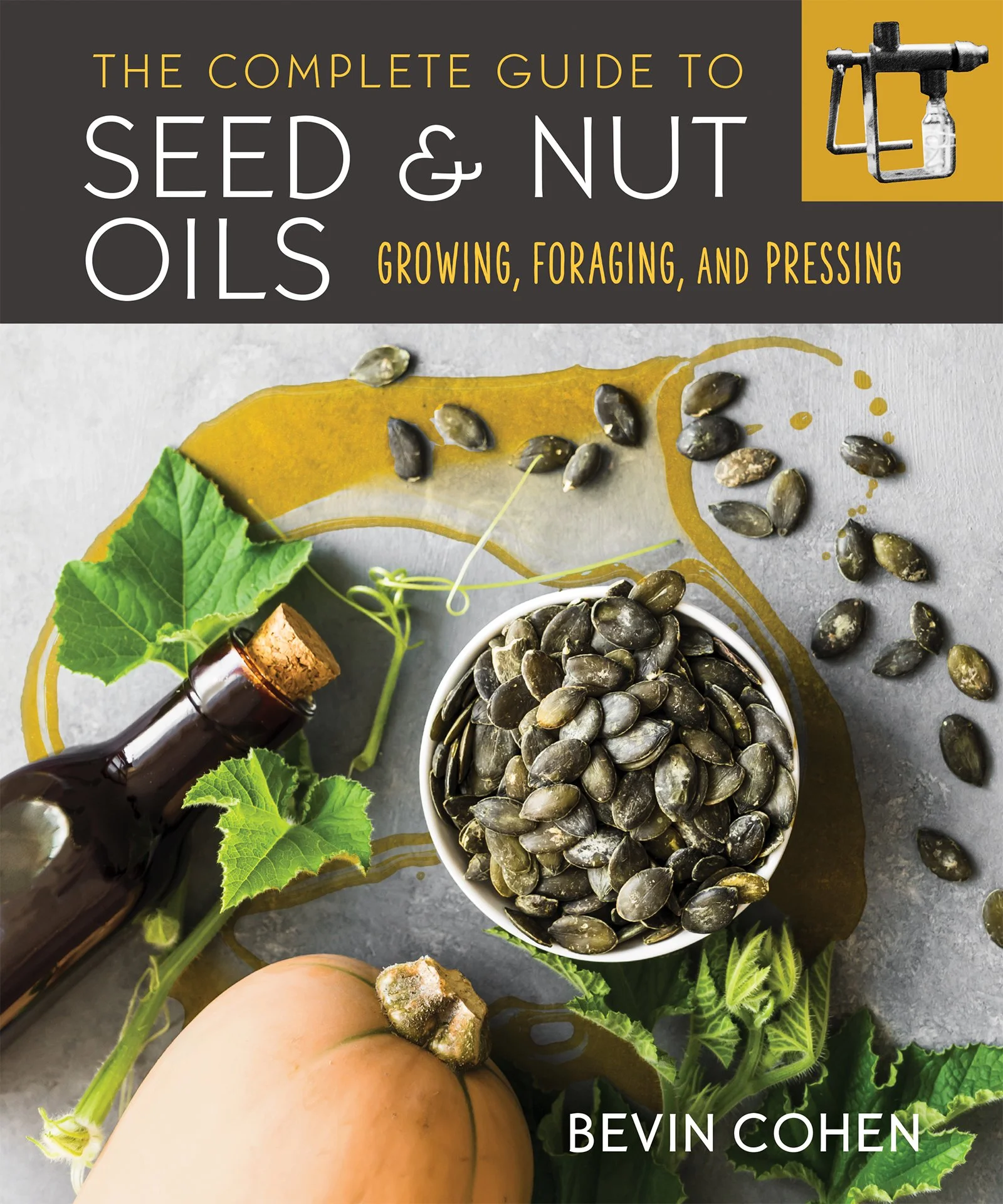
Bevin Cohen’s new book, The Complete Guide to Seed & Nut Oils.
Toronto Microfarm, Compost Tea, Honey, and Bees
In this episode: Composting and a compost-tea CSA with Sean Smith; and native and honeybees with Charlotte Wiggins.

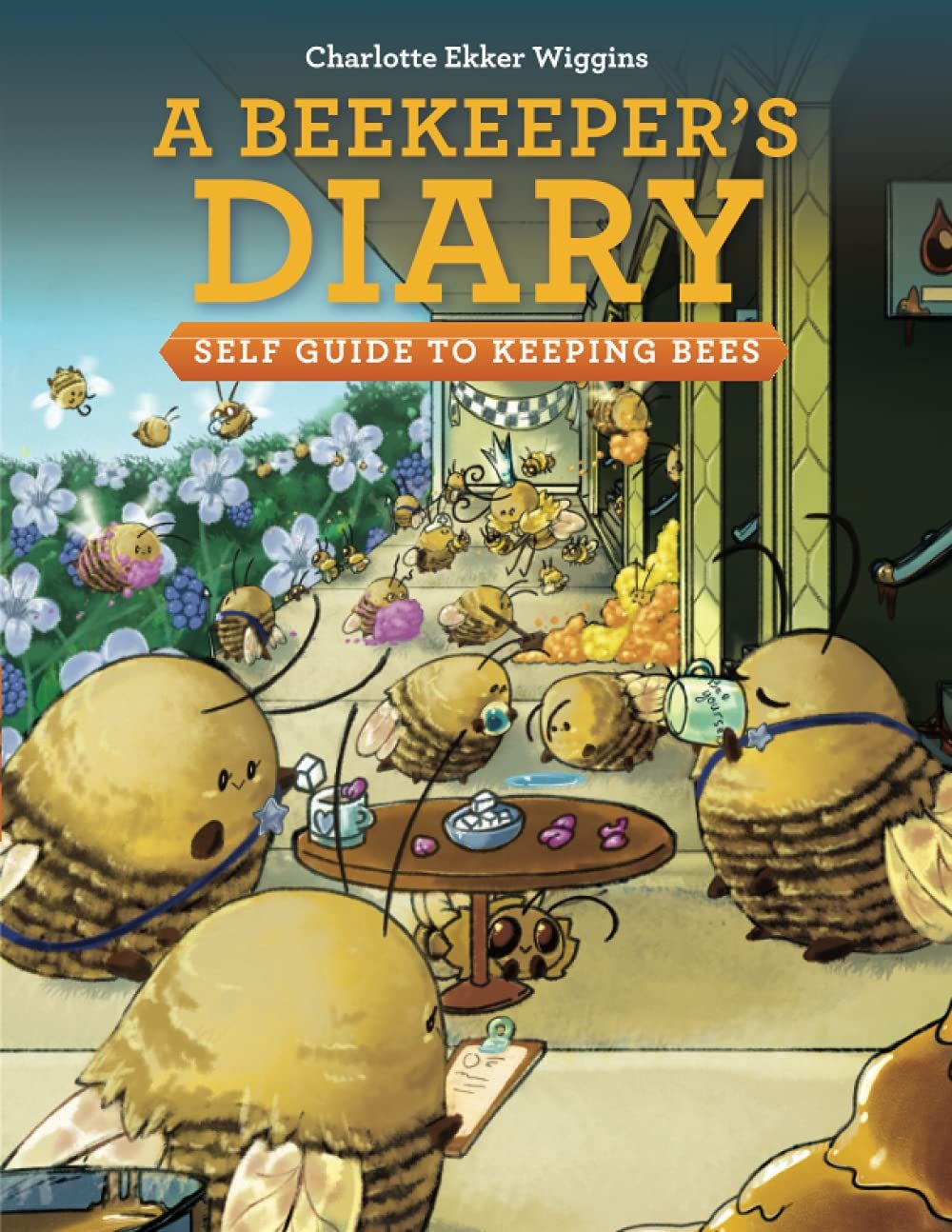
Sean Smith talks about Crooked Farmz, a Toronto microfarm with a compost-tea CSA; and beekeeper and Charlotte Wiggins, author of A Beekeeper’s Diary, Self-Guide to Beekeeping, talks about native bees and honeybees.
Crooked Farmz
In the first part of the show, we chat with Sean Smith from Crooked Farmz in Toronto.
Smith talks about his journey into growing food, learning about soil and composting, and the beginnings of his Toronto microfarm.
Compost Tea by Subscription
He calls himself the “brewer” at the farm. The brew? It’s compost tea.
Along with selling at farmers markets, Smith has taken another route to selling the compost tea: by subscription.
Home Composting Tips
Some of Smith’s top composting tips:
Understand what “brown” and “green” ingredients are, and have some of each
Make sure there is enough air
Make sure there is enough water

Compost tea by subscription, from Crooked Farmz
Honey Bees and Native Bees
In the second half of the show, we chat with Missouri beekeeping expert, author, and TEDx speaker Charlotte Wiggins.
Wiggins talks about attracting native bees to gardens, gardening for both native and honey bees, and shares tips and ideas for people thinking about getting into beekeeping.
Tips for People Interested in Keeping Bees
Learn beekeeping lingo
Join a beekeeping club, make beekeeping friends
Take a class about beekeeping
Volunteer with local beekeepers
Don’t rush getting your own hives, get the hang of things first
Looking for more beekeeping guidance? Wiggins’ latest book is the award-winning A Beekeeper’s Diary: Self-Guide to Keeping Bees.
Cricket Frass as Fertilizer and Crickets as Food
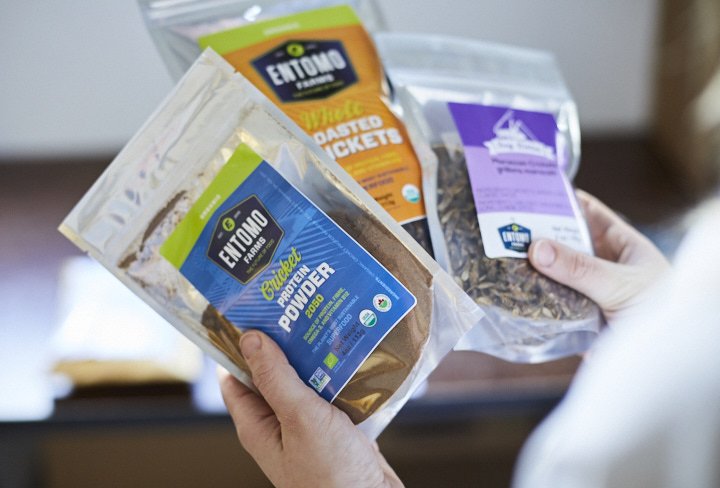
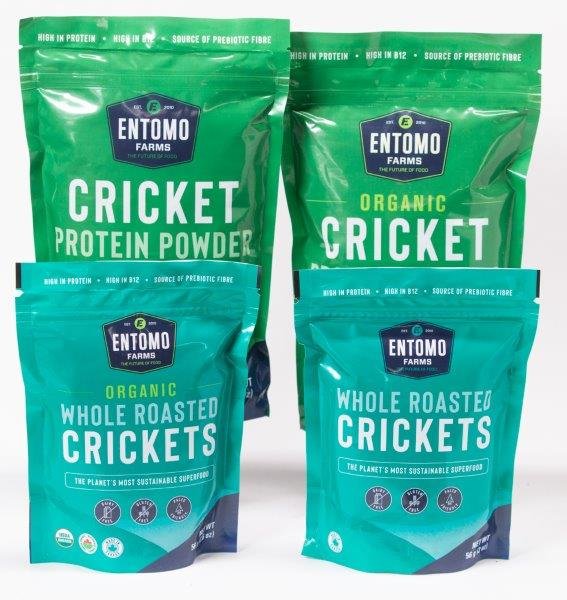
Jarrod Goldin from Entomo Farms talks about cricket frass as a fertilizer and about producing food-grade crickets.
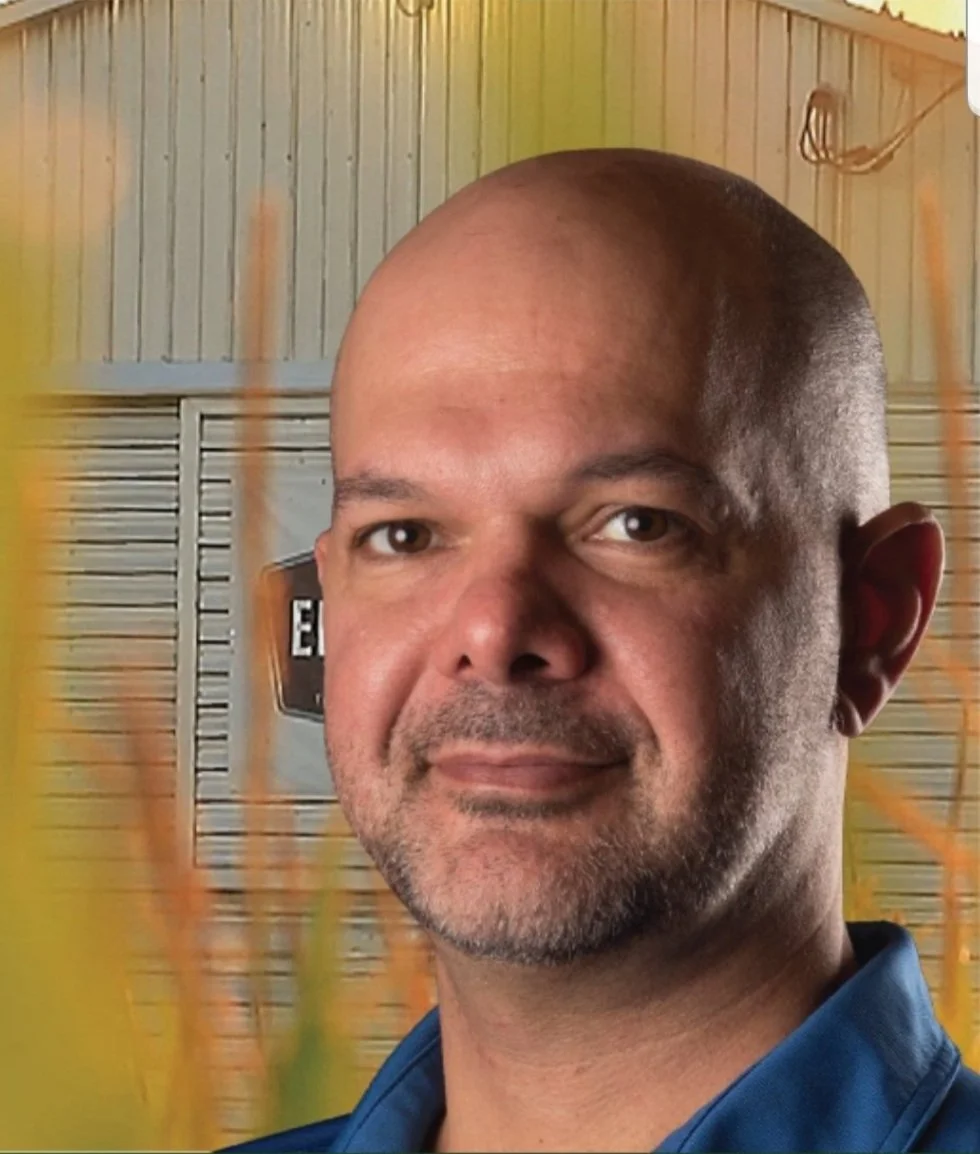
Jarrod Goldin from Entomo Farms talks about cricket frass as fertilizer and about crickets as food.
105 Million Head of Livestock
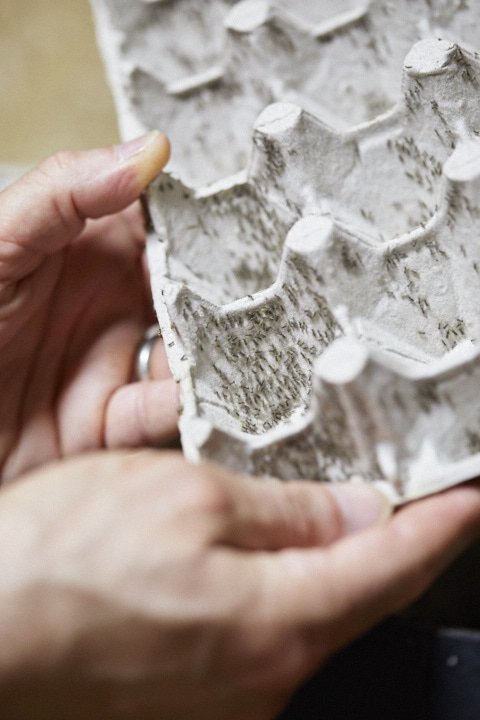
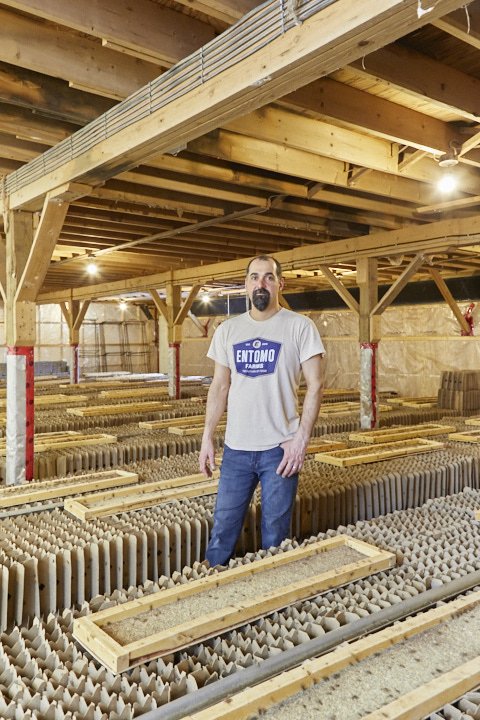
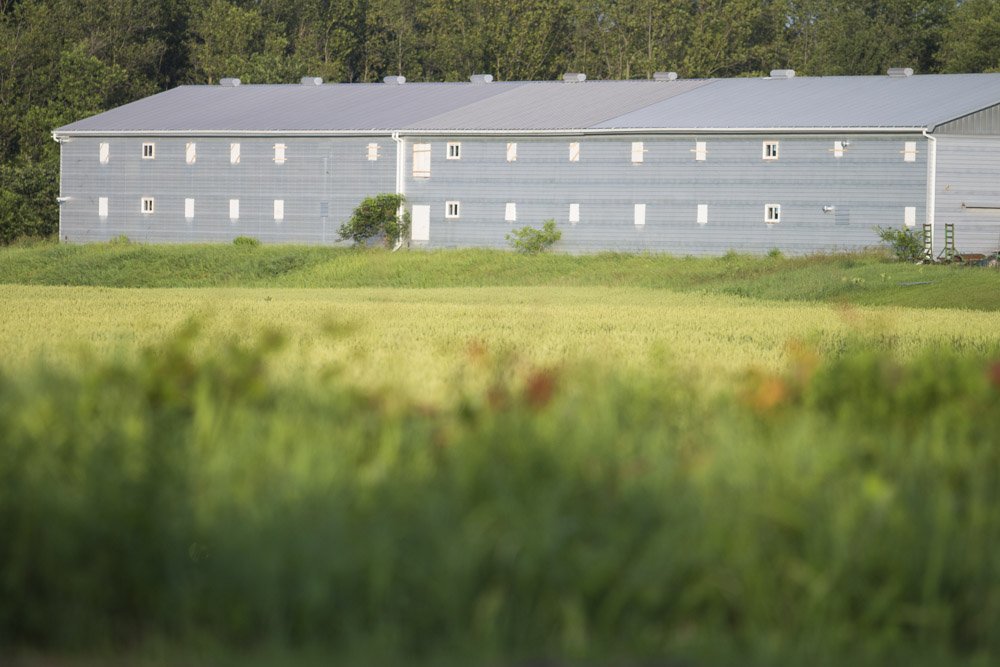
Jarrod Goldin, one of the founders of Entomo Farms, talks about how he and his brothers got into the business of raising food-grade crickets, the use and benefits of crickets as a food source — and about using cricket frass as a fertilizer.
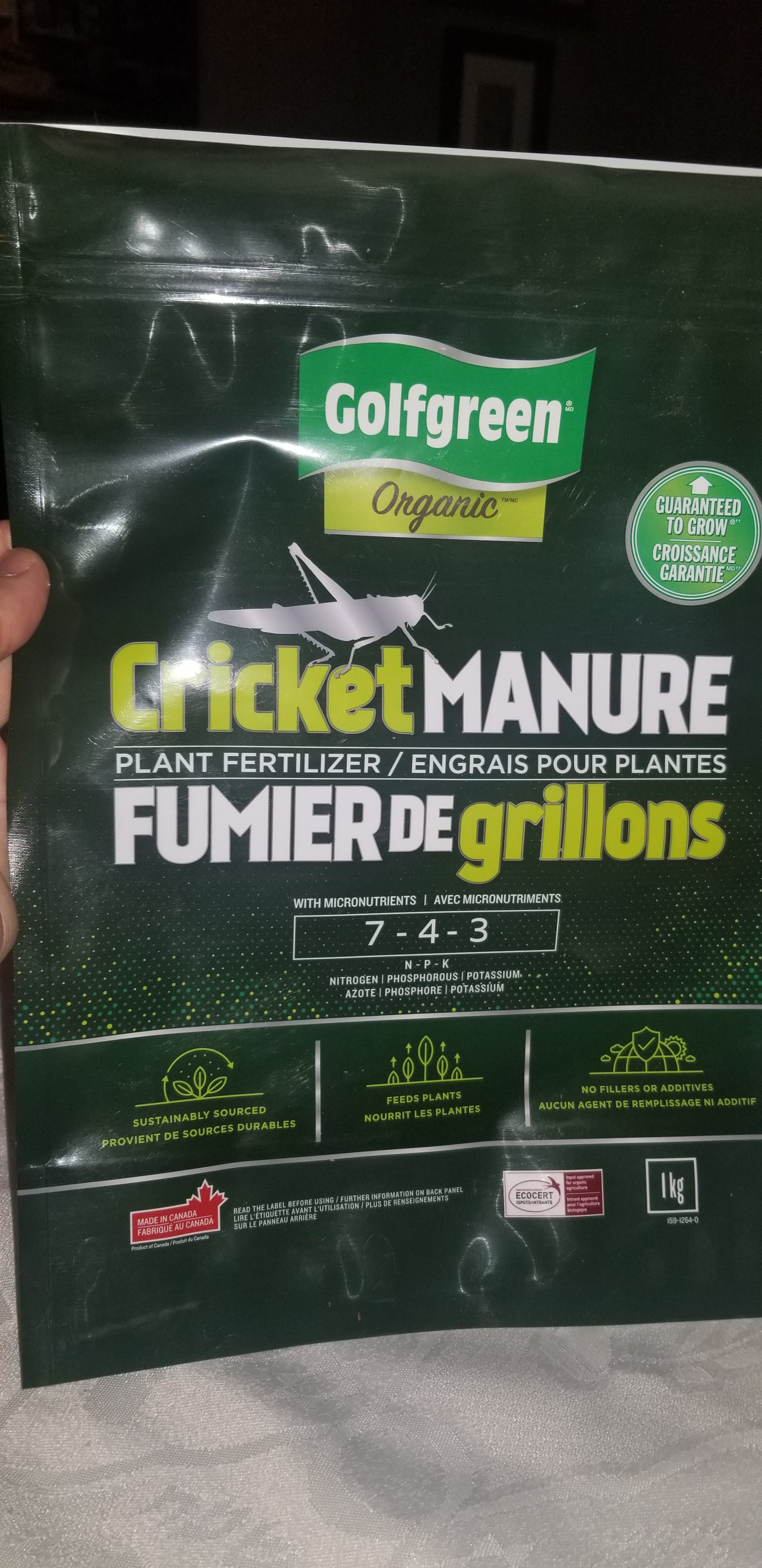
Cricket Frass Fertilizer
Frass: It’s the word for insect excrement. If you’re wondering what cricket frass looks like, Goldin describes it a sand-like in texture and light coloured.
Entomo Farms initially treated it as a waste product. They gave some away, and stored some on the farm.
After seeing how well vegetation grew where they had piled the frass, and after hearing anecdotally about its use as a plant feed, Entomo Farms began to study the use of the frass as a fertilizer.
Initial trials on fields of hay have shown surprisingly large yield increases, along with longer-term residual effect.
Entomo Farms cricket frass is now available commercially.
Connect
Entomo Farms: entomofarms.com
Finding a Home for Extra Harvest
Susan Antler talks about the Plant • Grow • Share a Row program that helps people and groups grow extra veg for food banks.

Susan Antler talks about sharing the harvest with food banks and the Plant • Grow • Share a Row program.
Sharing with Community
Susan Antler joins us to talk about the Plant • Grow • Share a Row program.
This program helps groups and individuals to grow extra vegetables to share with nearby food banks and soup kitchens.
First Step
As a first step, Antler suggests connecting with a local food agency to find out what is needed, and also find out details such as delivery days and times.
Another way to get started is to connect with a group of like-minded people in the community who want to grow to share.
Plant • Grow • Share a Row Program
The goals of the program include:
Helping people plant extra vegetables to share at harvest time
Providing seeds to participants
Sharing gardening knowledge
Connect
Antler is the executive director of The Compost Council of Canada. Along with the Plant • Grow • Share a Row program, she and her team organize Soupalicious, a fall soup-tasting and harvest celebration.
Plant • Grow • Share a Row: growarow.org
Soupalicious: soupalicious.ca
Compost Council of Canada: compost.org
Winter Vegetable Gardening with Wolfgang Palme
Wolfgang Palme talks about growing vegetables year-round and ways to grow vegetables through the winter.
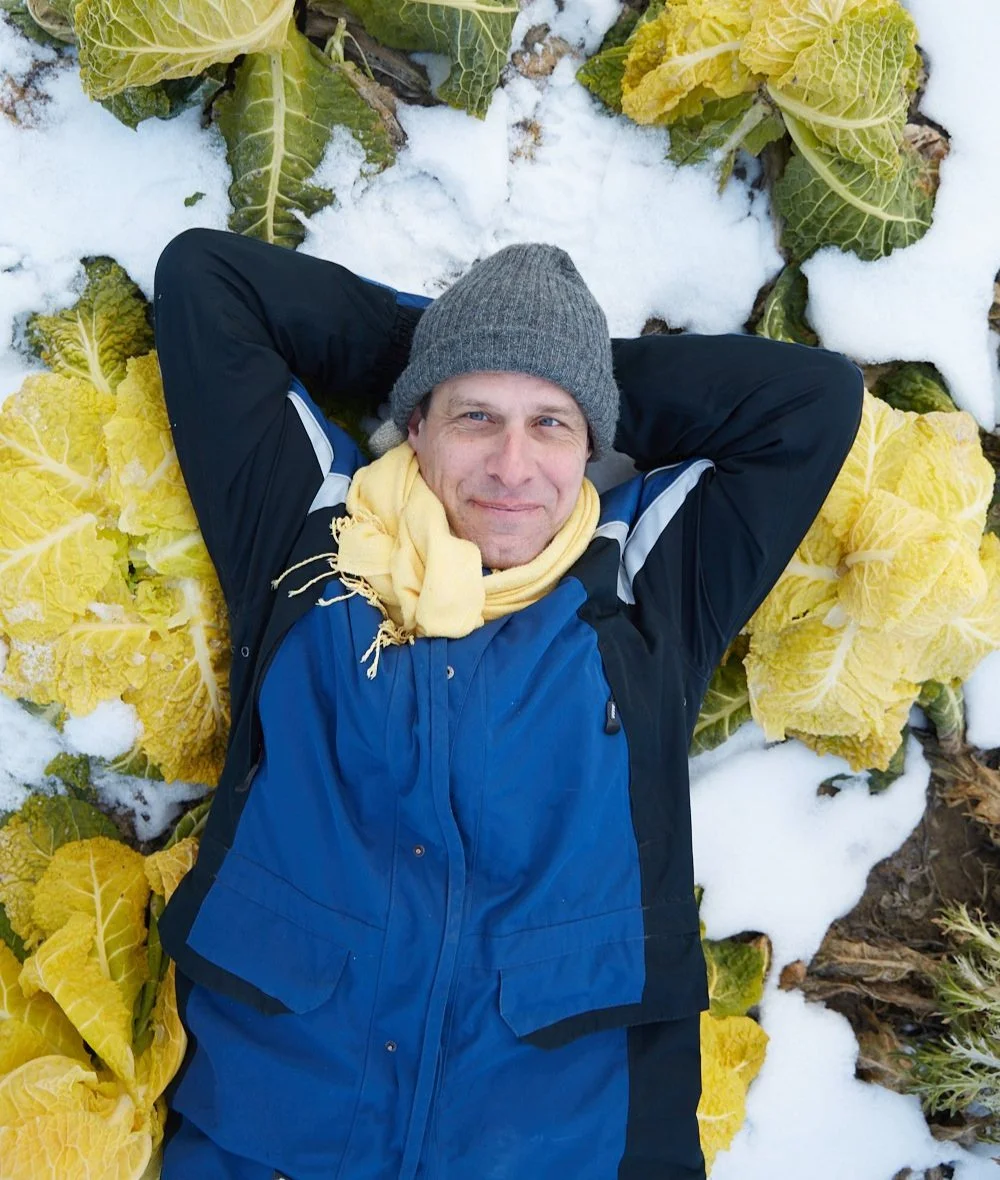
Wolfgang Palme talks about winter-hardy vegetables and year-round growing. Photo Johannes Hloch.
Winter-Hardy Vegetables
Wolfgang Palme joins us to talk about winter-hardy vegetables and year-round growing. He is an agronomist, and head of the Research Institute of Horticulture in Austria.
Accidental Discovery
Palme’s journey into winter vegetable growing started by accident one year when autumn weather was unusually cold. Some of the test plots that he had not yet harvested survived, much to his surprise.
So he started to investigate cold-hardy crops.
He was surprised to find that that published frost hardiness recommendations are often incorrect.
Not New
Palme points out that growing cold-tolerant crops and using simple protective measures is nothing new. This knowledge has simply faded with the advent of large-scale, high-tech growing.
Low-tech, low-input approaches are often well suited to small farms and home gardeners. As well as costing less, there is a smaller environmental footprint.
“Keep it as simple as possible.”
Surviving Winter
Palme explains that frost is not the main challenge for overwintering greens: It’s moisture and disease.
A covering such as a hoop house, tunnel, or cold frame can keep leaves dry and reduce susceptibility to disease. In combination with a covering, good ventilation is important, to let humid air escape.
“We always think about the frost when we think about the winter season. But that’s not the main challenge for the plants.”
Book

Connect
Vienna City Farm: www.cityfarm.wien
From Ornamental Landscapes to Pretty Tasty Gardens
Lindsay Stuijfzand from Pretty Tasty Gardens talks about how she weaves her passion for growing food into her work as a landscaper.
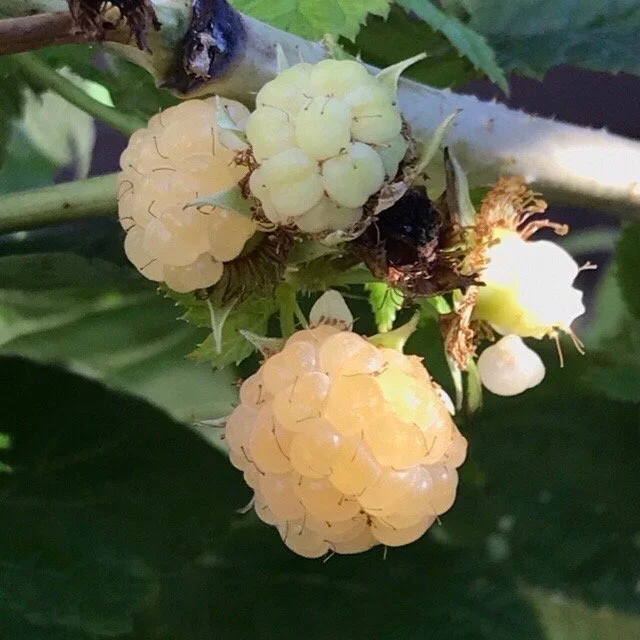
Lindsay Stuijfzand from Pretty Tasty Gardens talks about how she weaves her passion for growing food into her work as a landscaper.
Edible Landscapes
Lindsay Stuijfzand talks about how she weaves her passion for growing food into her work as a landscaper.
Pretty Tasty Gardens
Stuijfzand is a horticulturist who runs Pretty Tasty Gardens, an edible-landscape garden company in Toronto.
Roots in Landscaping
When she first got into the industry, she worked in conventional landscaping — with a focus on ornamental plants and hardscaping.
As her interest in edible plants grew, she branched off into edible landscaping. It’s a path that makes her a bit of an outlier—or trailblazer—in the landscape industry.
Grow Food Indoors + Regenerative Gardening
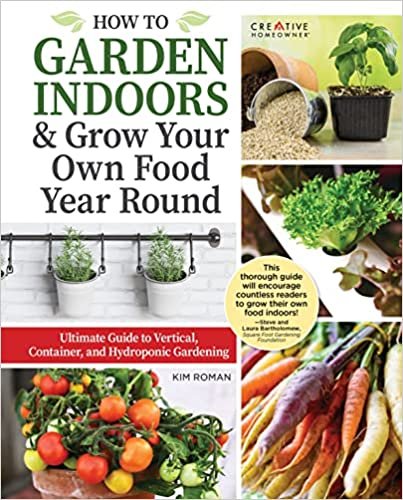
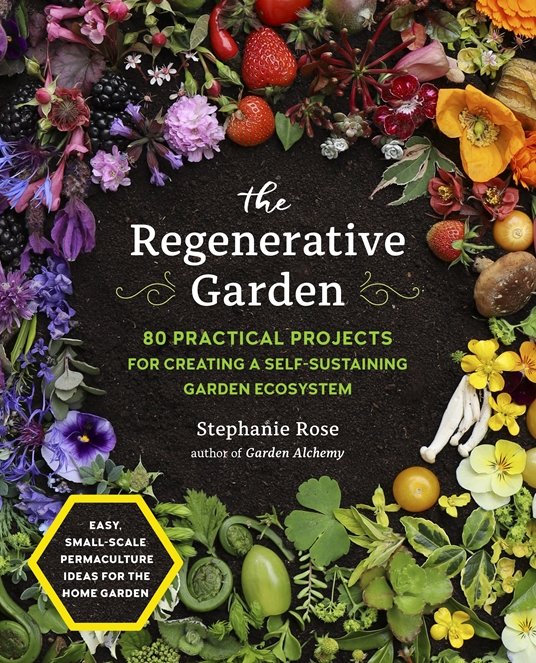
In this episode: Growing food indoors with Kim Roman, author of How to Garden Indoors & Grow Your Own Food Year Round; and regenerative gardening with Stephanie Rose, author of The Regenerative Garden.
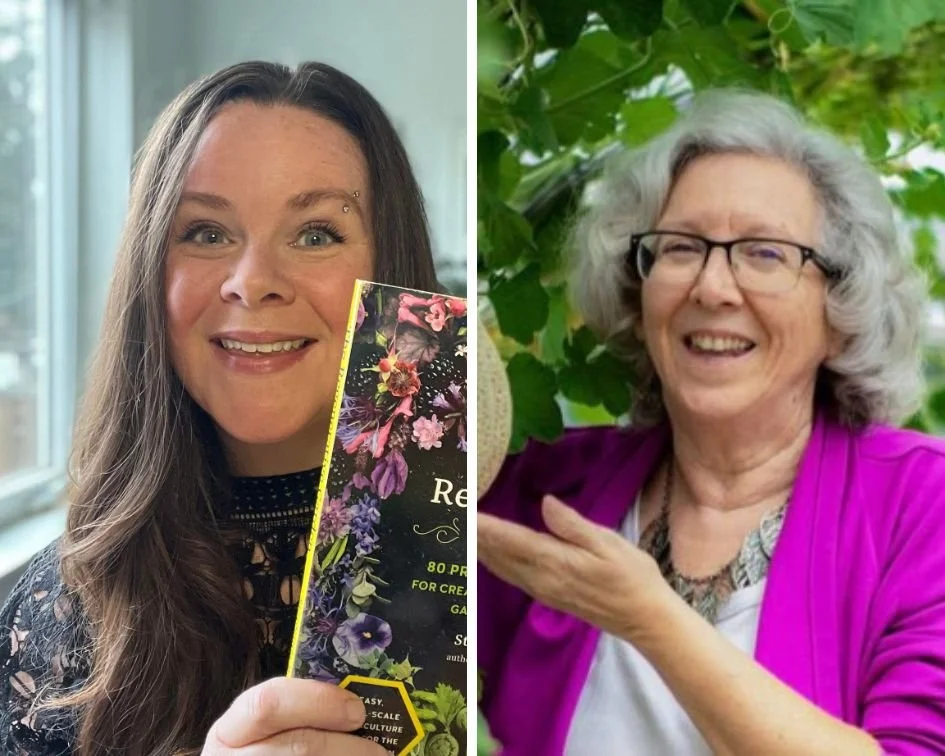
Stephanie Rose talks about regenerative gardening and Kim Roman talks about growing food indoors.
Grow Food Indoors
In the first part of this episode we chat about growing food indoors with Kim Roman, a garden educator and square-foot-gardening instructor.
Her new book is How to Garden Indoors & Grow Your Own Food Year Round.
Regenerative Gardening
In the second part of this episode we find out about regenerative gardening from Stephanie Rose. She is a permaculture designer and herbalist.
Her new book is The Regenerative Garden.
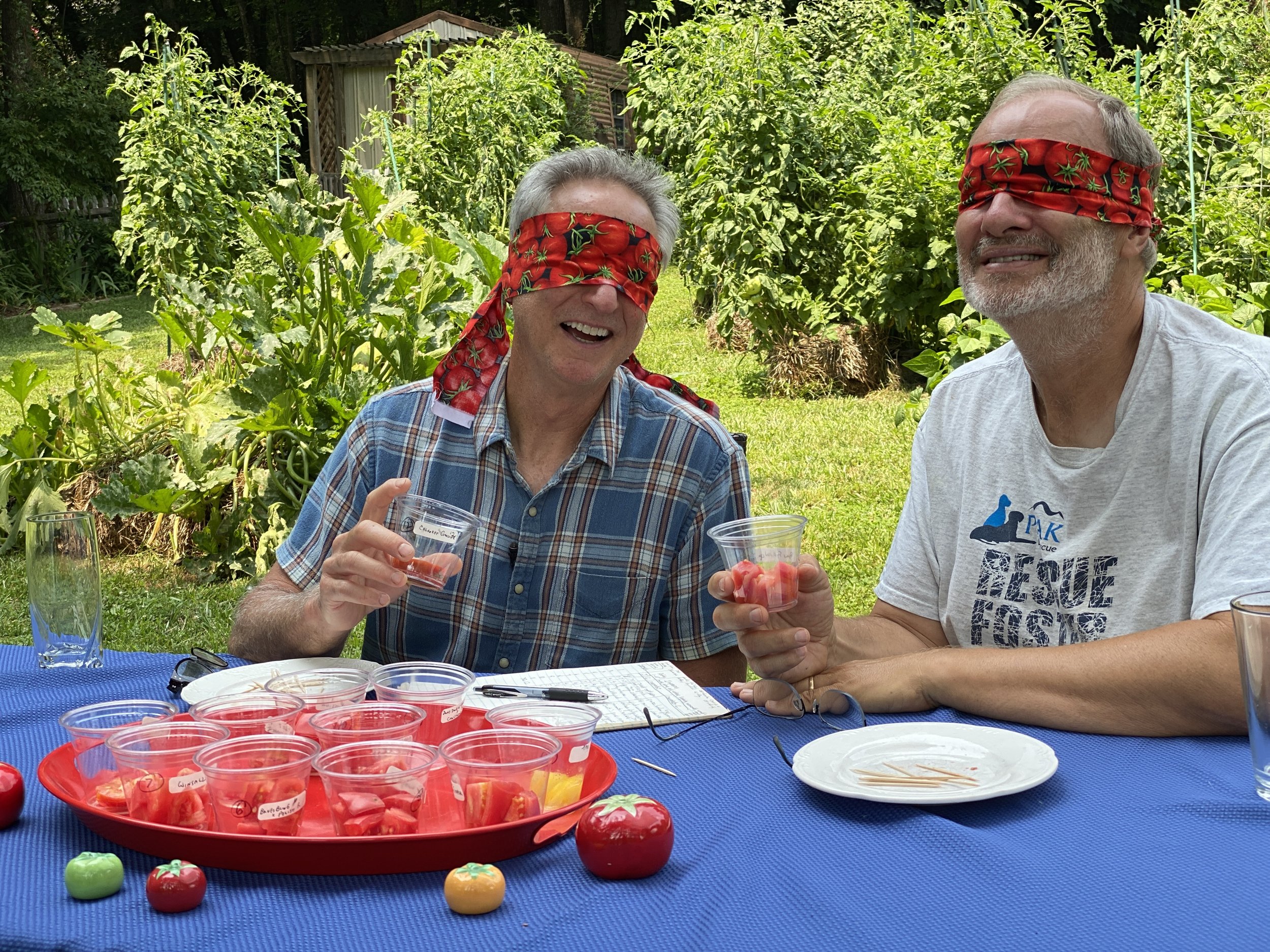
Grow Epic Tomatoes, with Joe Lamp'l and Craig LeHoullier
Joe Lamp’l and Craig LeHoullier talk about different ways to grow tomatoes, and share tips for a better harvest,

Joe Lamp’l and Craig LeHoullier talk about how to grow tomatoes, and their new course, Growing Epic Tomatoes.
The Best Way to Grow Tomatoes
There’s more than one way to slice a tomato; there’s more than one way to grow a tomato.
Growing tomatoes is like many things in life…there are lots of ways you can tackle it.
Do you have a favourite way? Or a tomato-growing tip handed down in your family?
Different Strokes, Different Folks
In this episode, we take a deep-dive into growing tomatoes with two experts who have very different approaches to growing tomatoes.
Garden expert, author, and broadcaster Joe Lamp’l loves growing tomatoes. He’s met lots of gardeners using a wide range of tomato-growing techniques through his work as the host and producer of the Growing a Greener World television series, and through his podcast, The joe gardener Show.
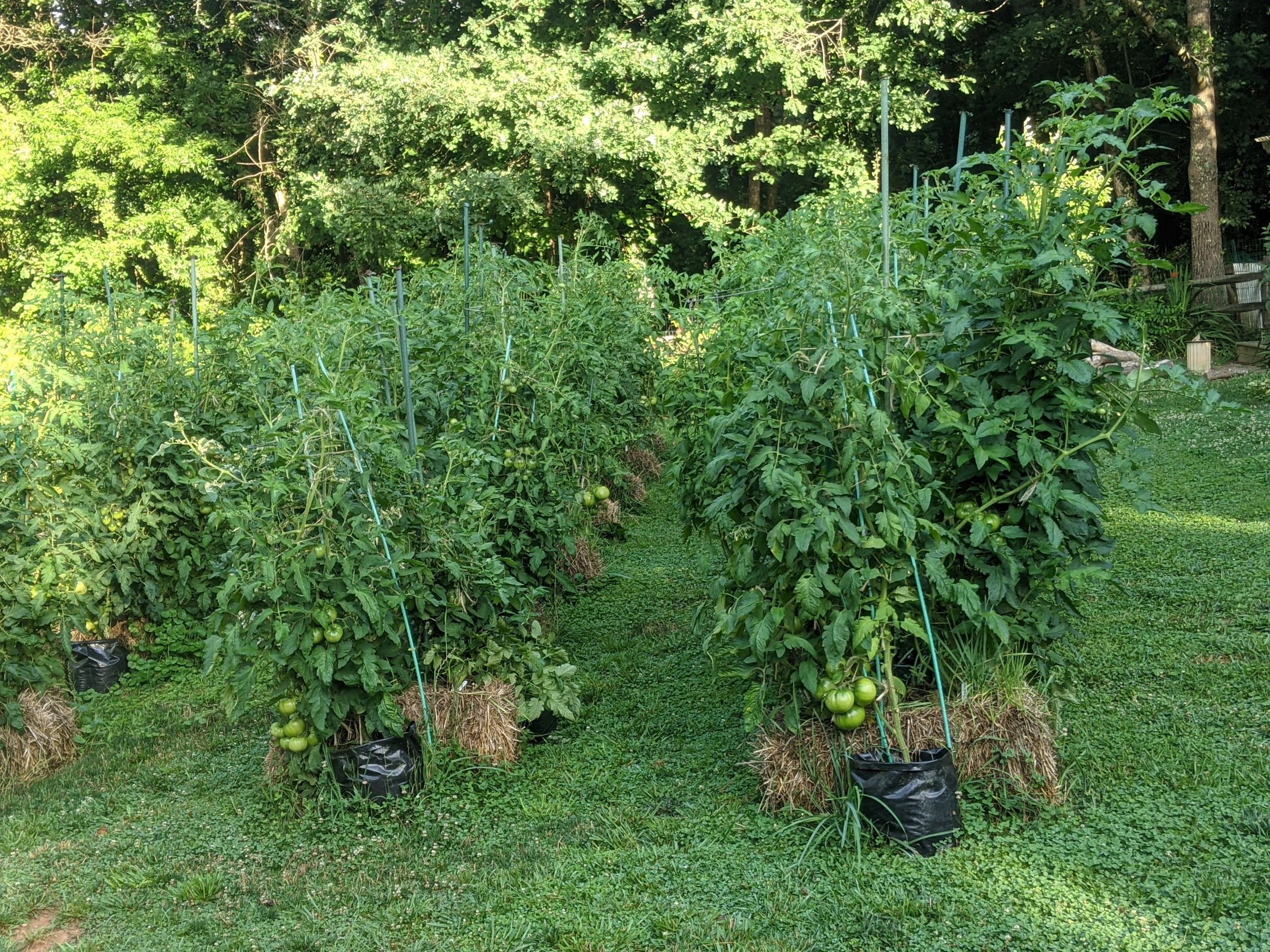
World-renowned tomato grower Craig LeHoullier co-leads the Dwarf Tomato Breeding project, has named and popularized many well-known tomato varieties such as ‘Cherokee Purple,’ and is an expert on straw-bale gardening. He’s the author of the book Epic Tomatoes.
Tomato Talk
Lamp’l and LeHoullier talk about:
The tomato-growing methods they use in their own gardens
How their gardens differ
Tomato-growing ideas they’ve learned from each other
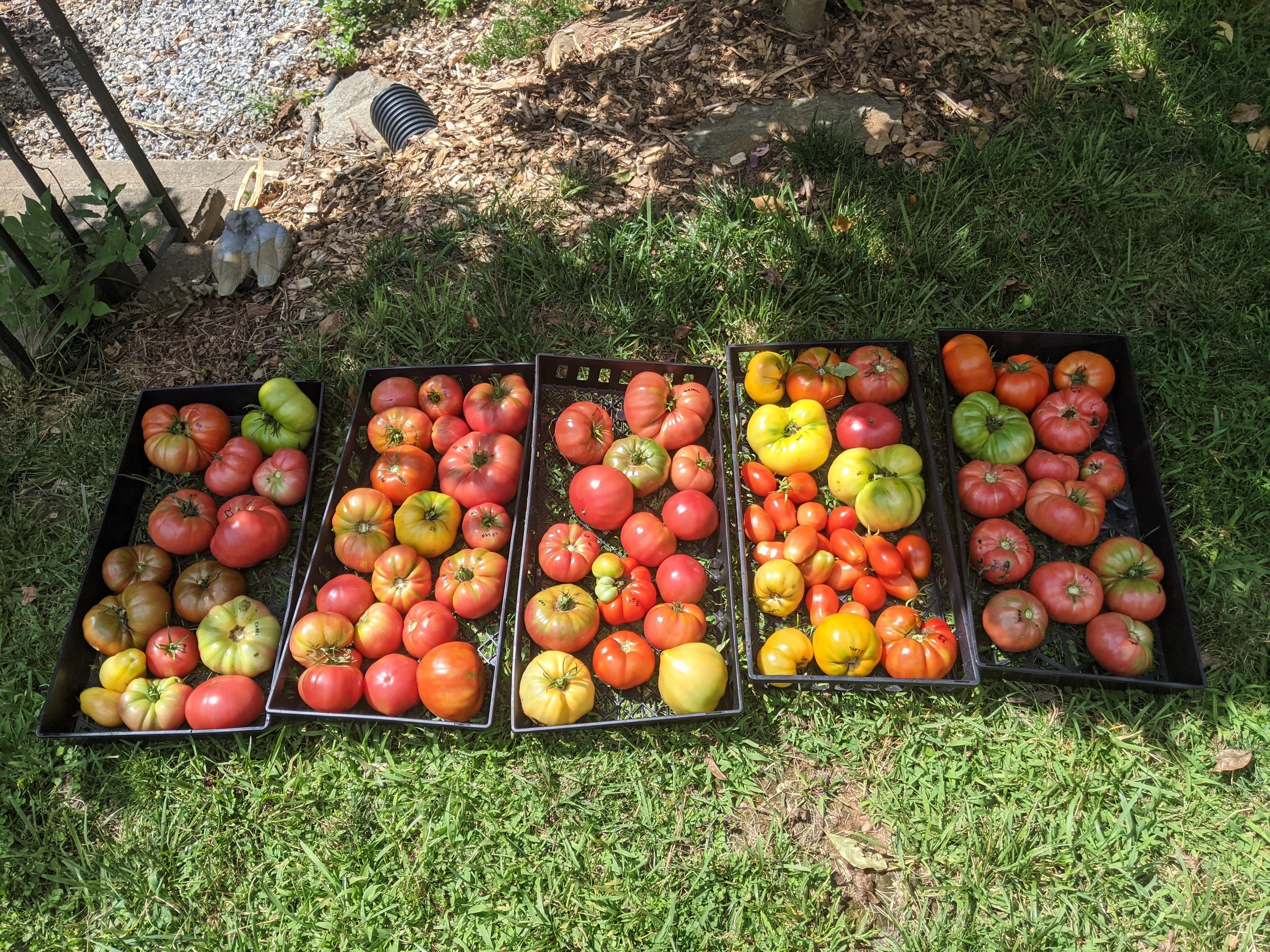
Favourite tomato varieties
Tomato-growing techniques they’ve seen in other gardens
They also share tips for new gardeners. “Don’t get hung up on the destination, but learn to love the journey,” says LeHoullier.
“Don’t get hung up on the destination, but learn to love the journey.”
More on Tomatoes
If this episode piqued your interest in tomatoes, tune in to the December 2020 episode entitled Tasty Tomatoes for Small Spaces: The Dwarf Tomato Breeding Project. In the episode, LeHoullier tells us about this citizen-science initiative to breed dwarf tomato varieties.
Co-operative Growing
Daniel Brisebois from La Ferme Cooperative Tourne-Sol talks about co-operative farming.

Daniel Brisebois joins us from La Ferme Cooperative Tourne-Sol near Montreal.
One Farm, Many Farmers
Daniel Brisebois joins us from La Ferme Cooperative Tourne-Sol near Montreal.
The farm operates as a workers co-operative, where farm owners are the workers.
When the farm started in 2005, sales were through both farmers markets and CSA baskets. Today, sales are entirely through CSA baskets.
Work-Life Balance
There is a focus on work-life balance. Vacation and parental leave — challenges for many farmers — are possible under the co-operative model.
“It’s always been important to us that we don’t burn people out.”
Seeds and Breeding
Seed sales have always been part of the farm business, but were a small portion in the beginning — $700 in the first year.
Today, the farm sells more seeds than vegetables, with an online seed store and seed racks in over 150 retail locations.
Spreadsheet Maniac
Brisebois believes in the importance of making business decisions based on data.
He uses spreadsheets to collect and understand farm data. He shares his passion for spreadsheets through his Farmer Spreadsheet Academy.

Daniel Brisebois’ book, the book he would have liked to have had when he was a new farmer.
Attract Beneficial Bugs to Your Garden
Attracting beneficial insects to your garden with Jessica Walliser.

Jessica Walliser, author of Attracting Beneficial Bugs to Your Garden, talks about creating a healthy, balanced, and diverse garden that supports beneficial insects.
Beneficial Insects
If you’ve heard the terms beneficial insects, beneficial bugs, or biological control, these all relate to this ideas of letting some bugs help us deal with the challenges that other bugs cause for us.
In commercial horticultural production, beneficial bugs are big business. They’re used for some field crops, in greenhouses, in nurseries.
In Gardens
Beneficial bugs can help to control infestations of insect pests in gardens too. The gardener just needs to know where to look…and how to garden in a way that’s friendly to these beneficial bugs.
Pittsburgh-based horticulturist and award-winning author Jessica Walliser joins us to talk about attracting beneficial insects to gardens.
“Stop thinking of your garden as only a place to please you.”

The new second edition of Jessica Walliser’s book Attracting Beneficial Bugs to Your Garden.
Ornamental Edibles, Hort Therapy, Kids Gardening
Talking about gardening in wind, horticultural therapy, ornamental edibles, and gardening with children with Charlie Dobbin and Perla Sofia Curbelo.

Charlie Dobbin and Perla Sofia Curbelo join us to talk about ornamental edibles, gardening in wind, horticultural therapy, and gardening with kids.
Today we talk about wind tunnels, horticultural therapy, landscaping with edibles, and gardening with kids.
Our guests today are professional garden educators who have an infectious love of gardening.
We start in Prince Edward County in Ontario, chatting with consultant and horticulturist Charlie Dobbin about using edible plants in ornamental gardens, gardening in windy areas, and birds in the garden.
Then we head to Puerto Rico to chat with Perla Sofia Curbelo about horticultural therapy, gardening and wellness – and about gardening with kids!

Hi, We’re Steve and Emma!
We help people grow food on balconies, in backyards, and beyond—whether it’s edible landscaping, a vegetable garden, container gardens, or a home orchard.