Ways Gardeners Share
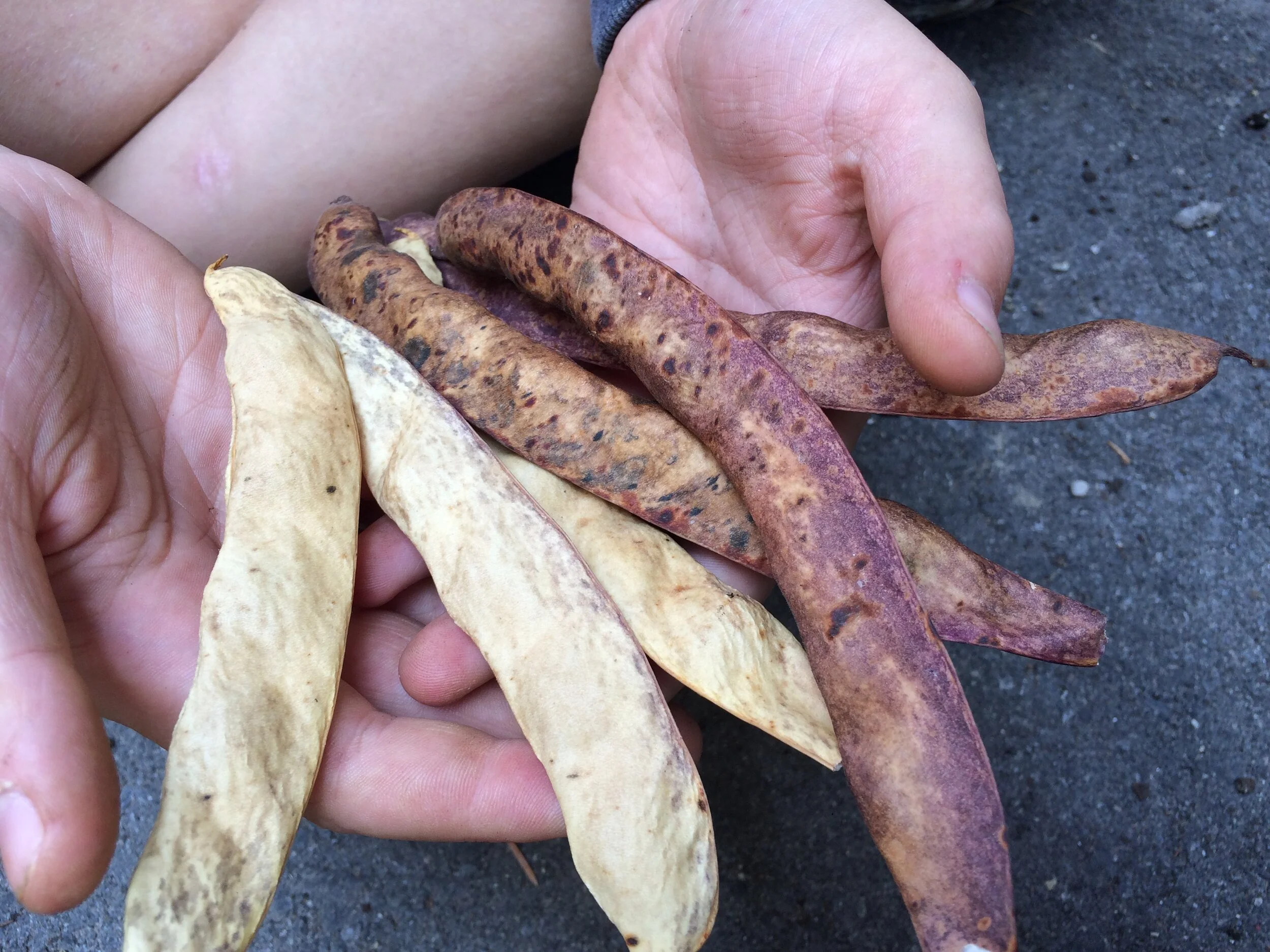
Bean seeds from our neighbour Joe
We’ve been talking a lot about our neighbor Joe over the past couple of days.
Joe and his wife, Maria, are amazing neighbours. They always stop to chat. They share their garden harvest. And they send cookies for the kids.
But the reason we’ve been talking about Joe these past couple of days is that Joe is an amazing gardener. We learn something new every time we drop by to visit. AND Joe shares with all the neighbourhood gardeners.
Bean Walls
There’s very little lawn in Joe and Maria’s back yard. It’s row up on row of tomato plants. (And Joe’s tomato seedlings are always miles ahead of ours in the spring.)
The yard is surrounded by a wall of pole beans. Joe shared his favourite bean seeds with us for our garden.
Steven posted about Joe’s beans the other day on social media as he explored how gardeners share, for an event called Garden Days.
Garden Days
In past years, Garden Days has been a celebration of gardens and gardening—letting people know about public gardens and organizations. There were garden-related events too.
This year, with COVID, the focus of Garden Days is celebrating the joys of gardens and gardening.
Start a Summer Vegetable Garden

not too Late to Grow Vegetables
We chat with Carol Michel and Dee Nash about starting a summer vegetable garden.
Michel and Nash are vegetable gardeners Indiana and Oklahoma who joined forces to produce The Gardenangelists podcast and share their love of gardening.
“I’m in zone 7, and she’s zone 5.”
Michel and Nash talk about how they got into vegetable gardening, and then share their tips for starting a vegetable garden in the summer. It’s not too late!
“It is not too late. There are plenty of vegetables that you can sow seeds for right now.”
Weave Habitat Restoration into Food Gardens

Botanist Ryan Godfrey
Not Mutually Exclusive
Ever wondered if growing food and and growing native plants are mutually exclusive?
Our guest Ryan Godfrey talks about his sixth-floor balcony garden where he weaves together edible and native plants—all in containers.
Habitat-Themed Containers
Godfrey’s balcony container garden includes habitat-themed containers:
Alvar container garden
Riverside container garden
Boulder container garden
Woodland container garden
Edible plants include woodland strawberries, Jerusalem artichoke, sweet grass, and Virginia mountain mint.
Godfrey also has an allotment garden plot where he grows both food and native plants. He says that his plot draws a lot of pollinators.
It Started with Acorns
In a journey that started with vacuuming acorns as a child, Ryan went on to study biology and evolutionary biology. He says this makes him a “plant nerd,” a gardener who learned about plants outside of a garden context. It colours his approach to gardening.
“Failure is a huge part of gardening. I encourage folks to document and learn from your failures.” Ryan Godfrey
Godfrey currently works with World Wildlife Fund Canada on a project called In The Zone, an initiative to build Carolinean habitat in Canada.
Grow a Food Garden You Love

Emily Murphy, Author of Grow What You Love
Emily Murphy finds daily inspiration in her garden in Northern California. She describes her passion for gardening as, “A love affair.”
Early Start
Emily got an early start in gardening. “If you were around in the 70’s, I was the kid down the road whose family was growing potatoes in her front yard instead of a lawn,” she says.
Teaching Gardening
Emily is a garden designer, educator, and author who weaves together her studies in botany, ethnobotany, environmental science, and ecology.
In her teaching she brings together gardening and living.
“Our gardens are one of our most immediate touch points with nature.”

Grow What You Love, by Emily Murphy
Emily is the author of the book Grow What You Love, 12 Food Plant Families to Change Your Life, an inspiring guide to planning, making, and growing a garden.
An Urban Hot Pepper Container Garden
We chat with pepper expert Claus Nader, owner of East York Chile Peppers in Toronto, Ontario.

Claus Nader, East York Chile Peppers
Claus tells us about his urban hot-pepper container garden.
He grows specialty peppers, saves seeds, and makes hot sauces, pickled peppers, jams, salsas, and dehydrated peppers.
Claus shares his approach to making hot pepper sauce: he thinks hot and sweet go well together.
“It’s a really nice community, and we inspire each other, which is great.”
Gardening Your Front Yard

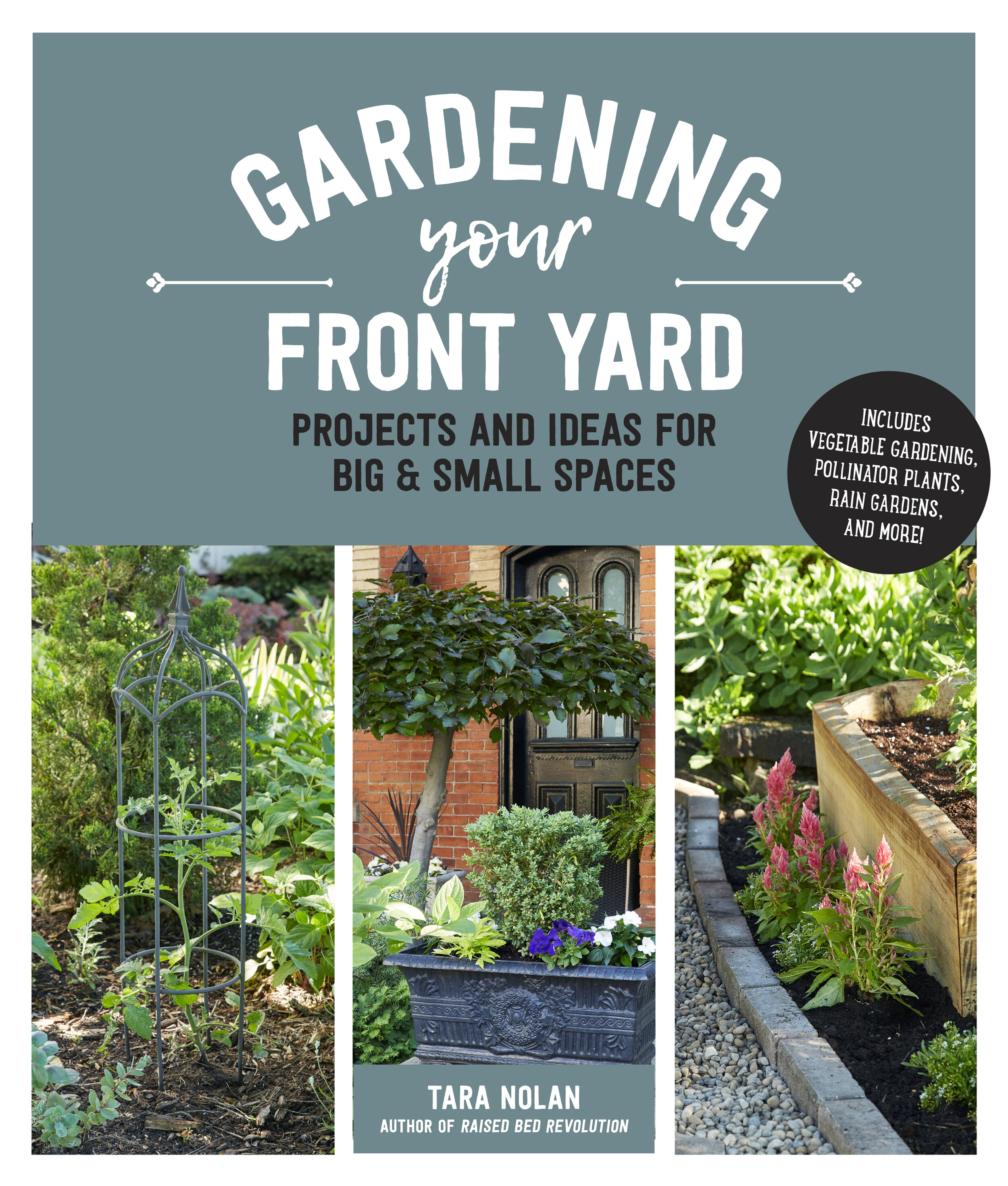
Tara Nolan, Author of Gardening Your Front Yard: Projects and Ideas for Big and Small Spaces.
Author and gardening expert Tara Nolan joins us to talk about front yard gardens and share ideas from her new book, Gardening Your Front Yard: Projects and Ideas for Big and Small Spaces.
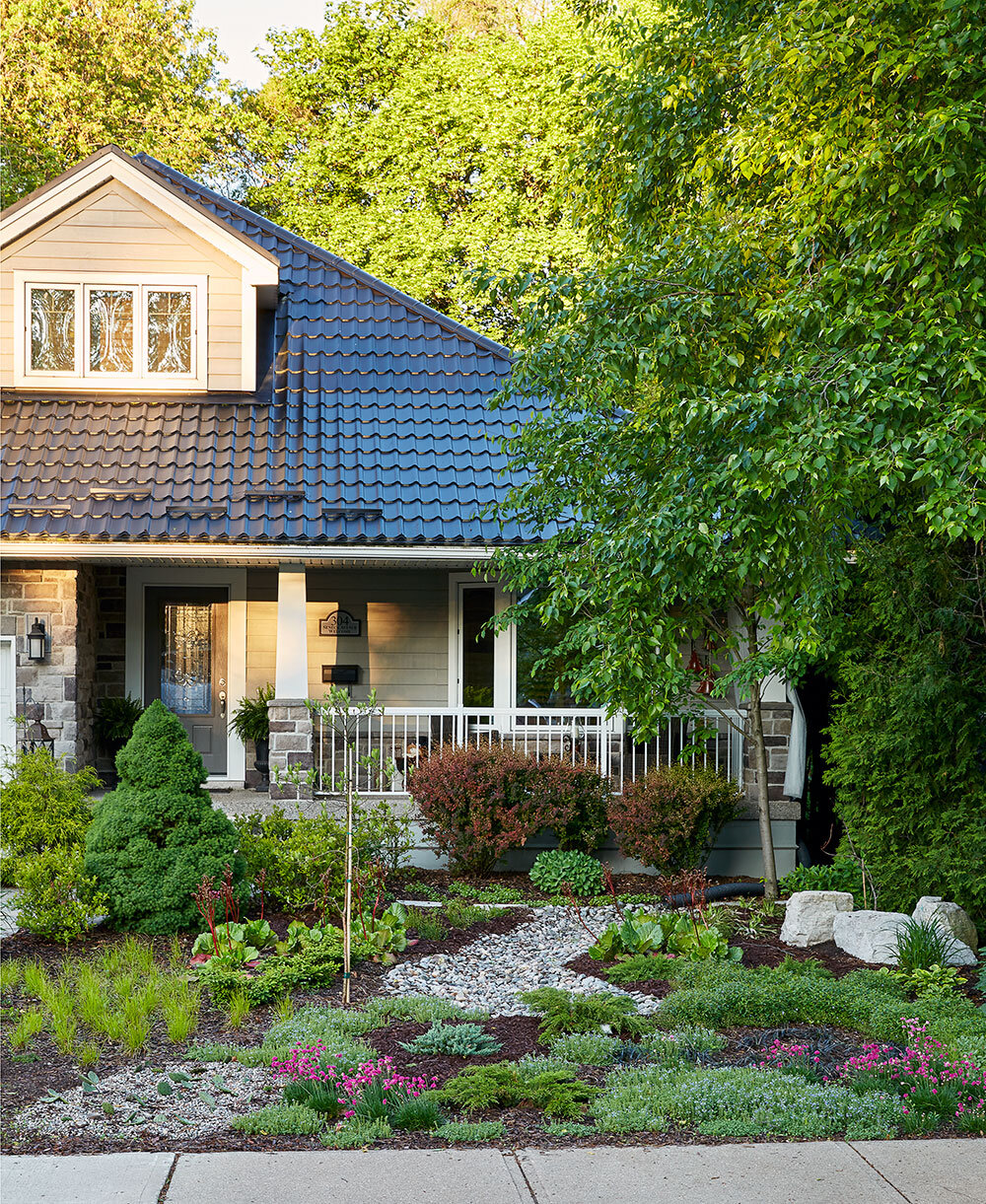
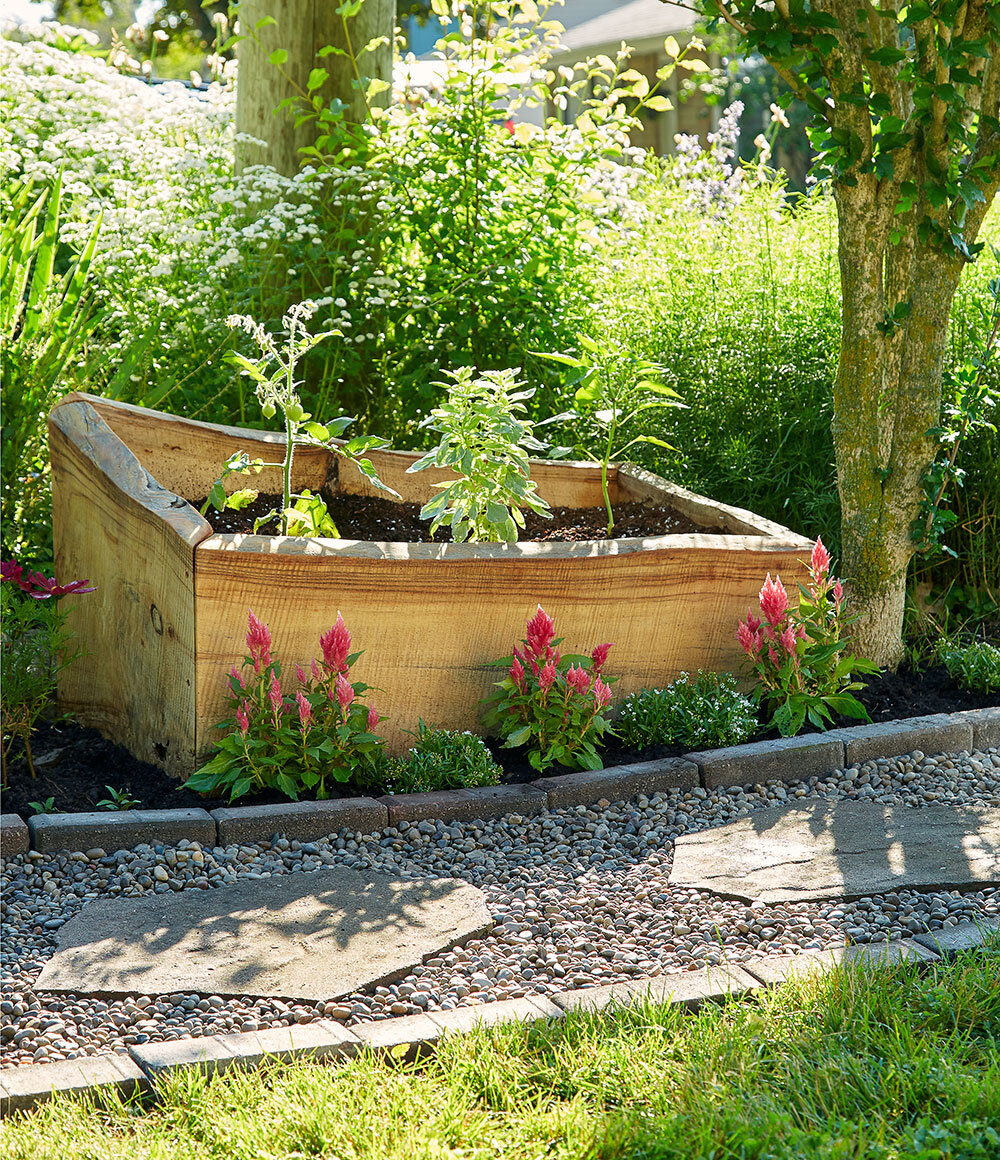
Front yard veggie gardens
Rain and pollinator gardens
Salad side table
Tips for making a new garden
Her front-yard pollinator palace

Tom Ashley and Trish Crapo of Dancing Bear Farm
Tomato-Talk Segment
Emma chats with Trish Crapo and Tom Ashely at Dancing Bear Farm in MA.
Trish and Tom joined us on the show in April 2019 to talk about figs…but they are tomato-crazy too!
Biggs-on-Figs Segment
Steven chates with Bill Lauris from Off the Beaten Path Nursery in Lancaster, Pennsylvania.
Bill is a chemistry teacher by day who spends his spare time educating people and challenging them to grow unusual fruit.
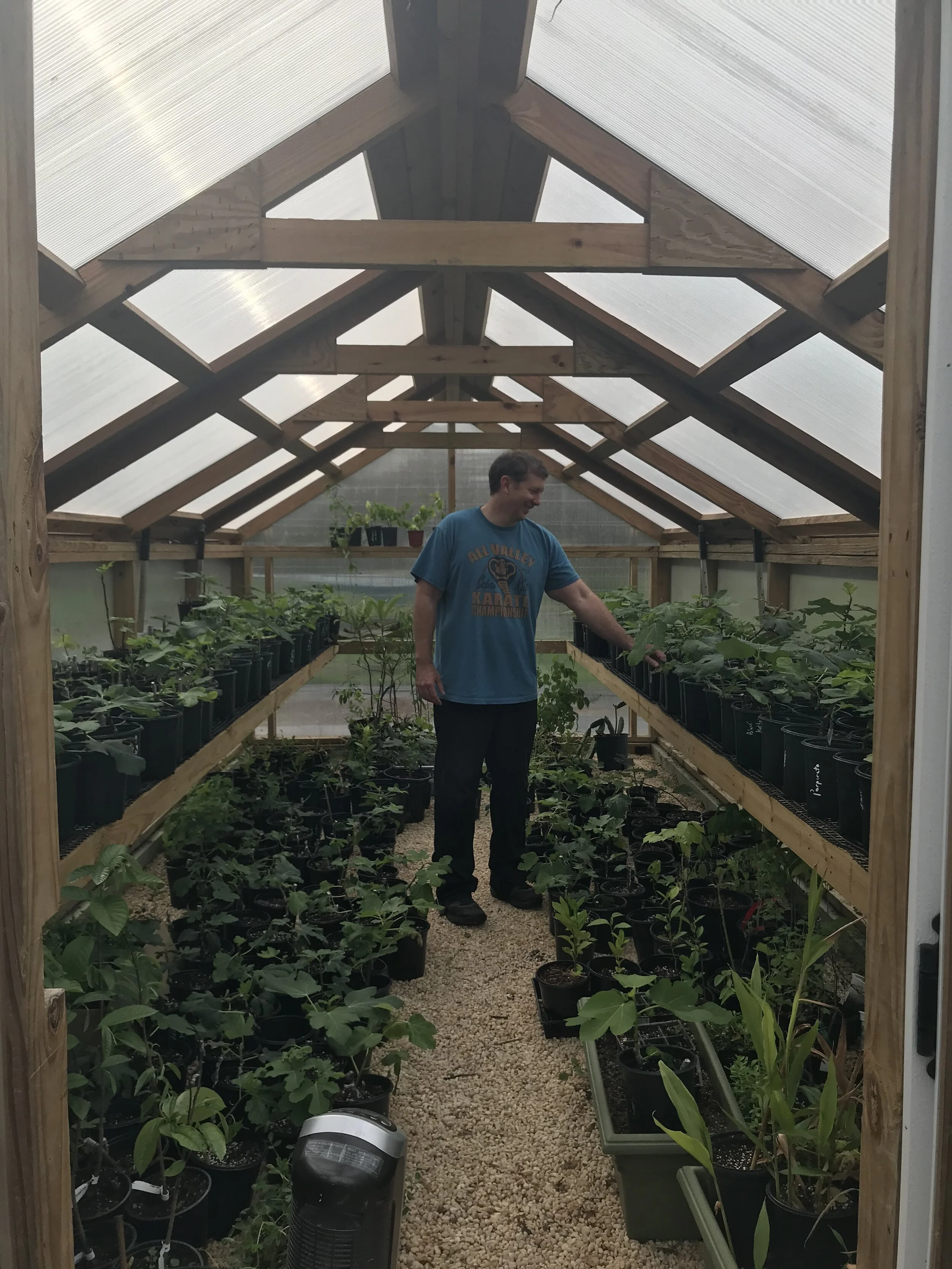
Bill Lauris of Off the Beaten Path Nursery
Urban Farming, Liberating Lawns, Building Community

Cheyenne Sundance at her farm, Sundance Harvest
Cheyenne Sundance talks about how she started her urban farm, Sundance Harvest, when she didn’t see urban farms representing the diversity she felt they should.
A believer that independence is growing food, Cheyenne teaches and mentors youth, sharing her passion for growing food.
Liberating Lawns
An initiative that she started in the spring of 2020 is Liberating Lawns, a neighbourhood-centric, yard-sharing program she hopes will help people reconnect with land and food.
Grow Food Toronto Facebook Group
Cheyenne helps to run a new Facebook group called Grow Food Toronto, which focuses on growing food and food security.
Create a “Food Street” with Food Up Front

Kassie Miedema and Mark Stewart
Mark Stewart and Kassie Miedema join us to talk about a grassroots program encouraging people to grow food in front yards.
The idea is to produce more food locally—and to connect people around food.
Participants in the program can also put up a sign in the garden to raise awareness of the idea—and to stir up conversation.
What does success look like? A food street, with many neighbours growing up front.
Food Up Front is an initiative of Transition Toronto, a chapter of a global movement for change.
“The goal being to create a food street.”
Mark Stewart
Growing a Chinese-Style Kitchen Garden

Wendy Kiang-Spray, author of The Chinese Kitchen Garden. (Photo by Sarah Culver)
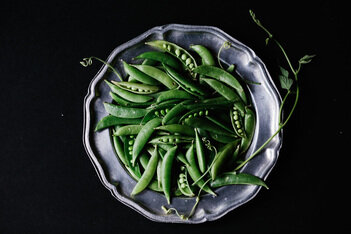
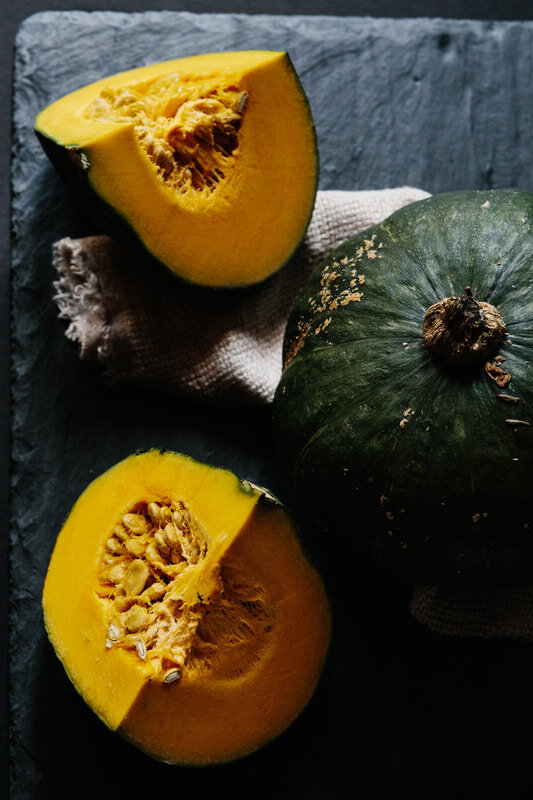
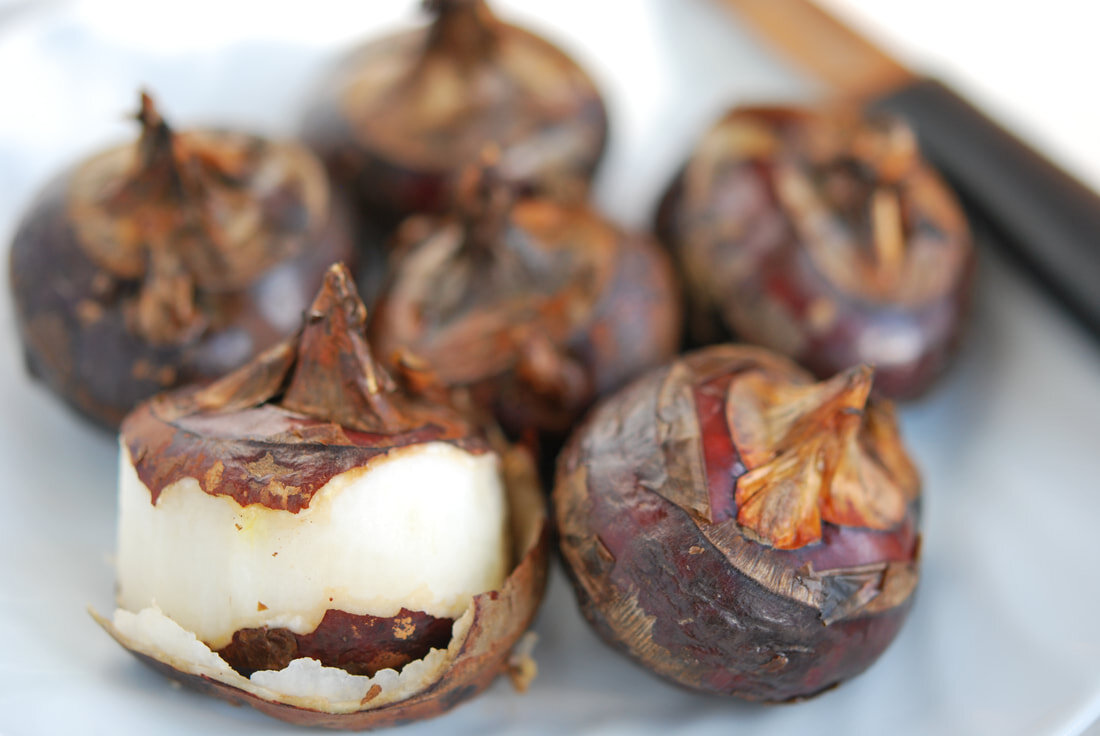
Wendy Kiang-Spray, author of The Chinese Kitchen Garden, joins us to talk about about vegetable crops used in Chinese cuisine, Chinese intensive gardening, and her family’s gardening journey.
Her book weaves together stories and photos from three generations of her family.
While she started gardening as an adult when one of her own daughters asked to grow a garden, Wendy grew up immersed in gardening, in a household where gardening and cooking fresh garden produce was normal. Her father is an avid gardener, and both he and her mother love to cook.
The book includes many of her parents’ recipes for traditional Chinese dishes.
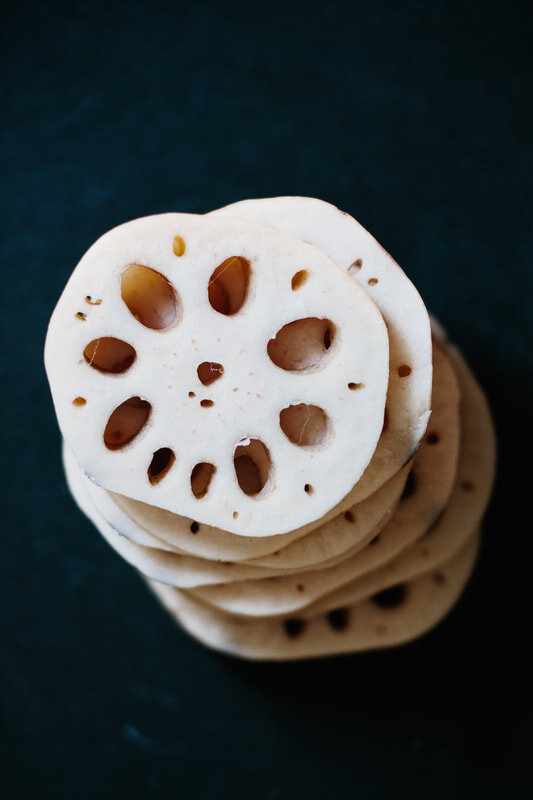
Photos from The Chinese Kitchen Garden
New and Favourite Food-Garden Crops with Niki Jabbour

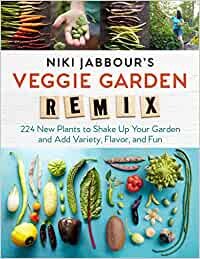
Niki Jabbour, author of Veggie Garden Remix
We check in with vegetable gardening expert Niki Jabbour in Nova Scotia to find out what’s new in her garden for 2020, and to see what favourites she is growing.
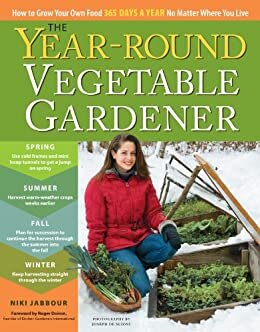
Niki is the author of Veggie Garden Remix, Groundbreaking Food Gardens, and The Year-Round Vegetable Gardener, and the host of The Weekend Gardener radio show.
We find out more about some of the crops in Veggie Garden Remix—and find out some of her other garden favourites.
Ever heard of hodge-podge? It’s an East Coast specialty that sounds delicious!
Saving Seeds and the Stories Behind Them

Seed saver, author, and educator Ben Cohen
Ben Cohen, the author of Saving Our Seeds, joins us to talk about seed-saving, seed libraries, and the importance of community seed-sharing programs.
An author, herbalist, gardener, and educator, Ben farms with his family in Michigan.
They started Small House Farm when they realized that they wanted to to slow down and live a more simple life.
Ben is the founder of the Michigan Seed Library, a seed sharing initiative that has helped set up 70 seed library programs.
No-Dig, No-Weed, No-Bend Gardening

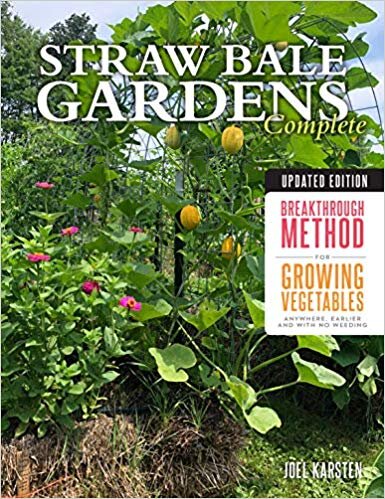
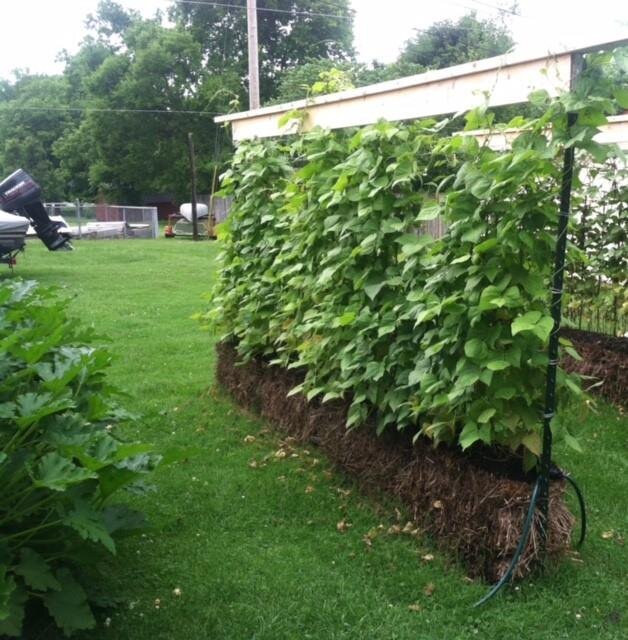
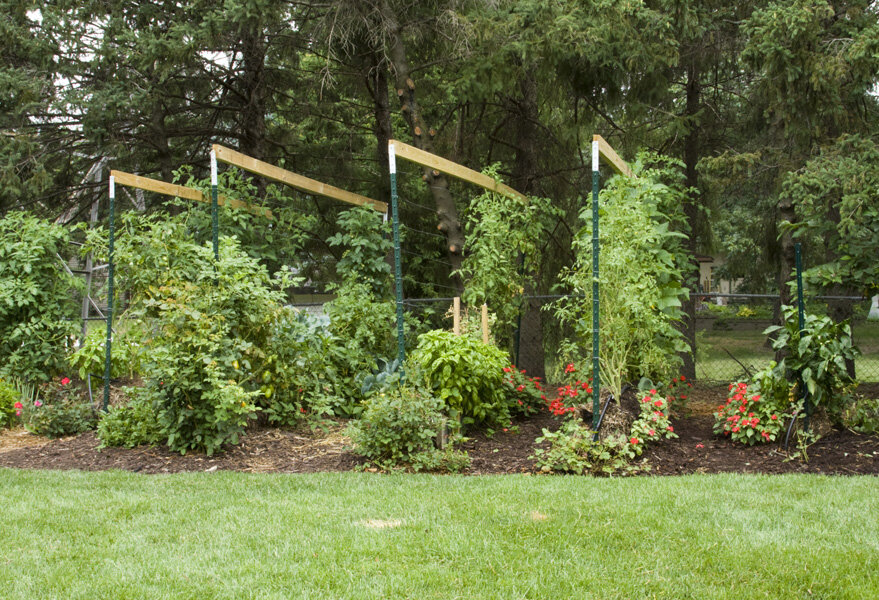
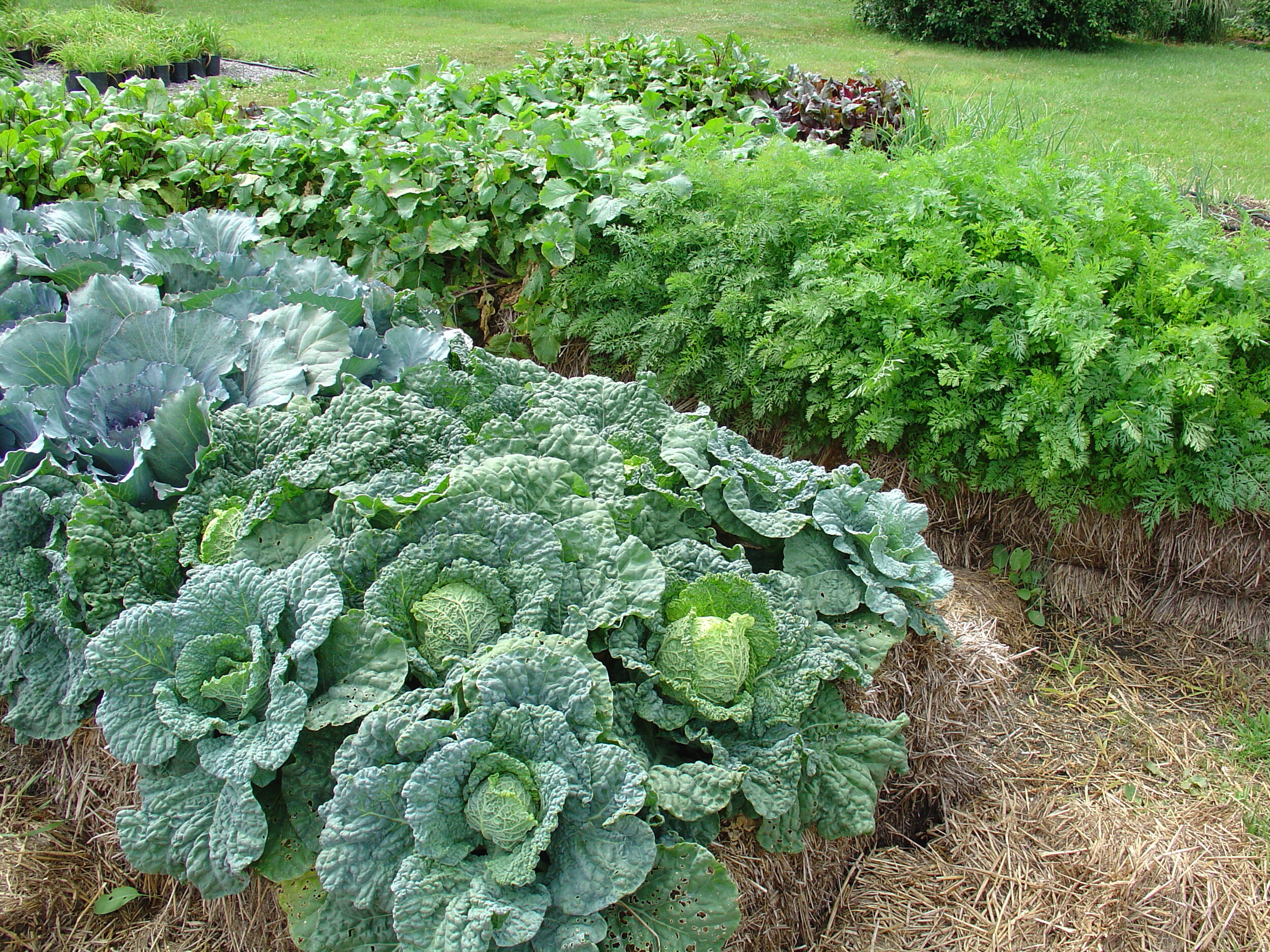
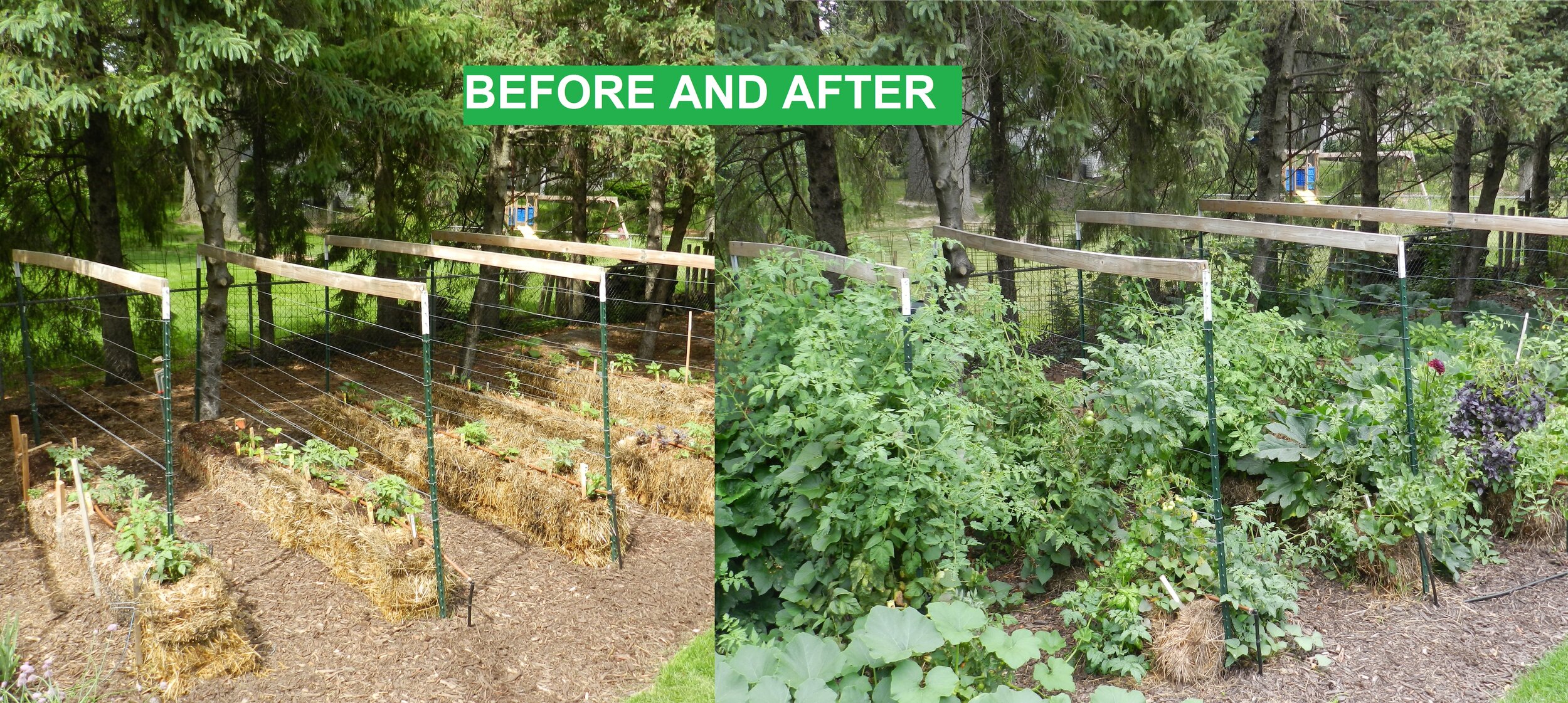
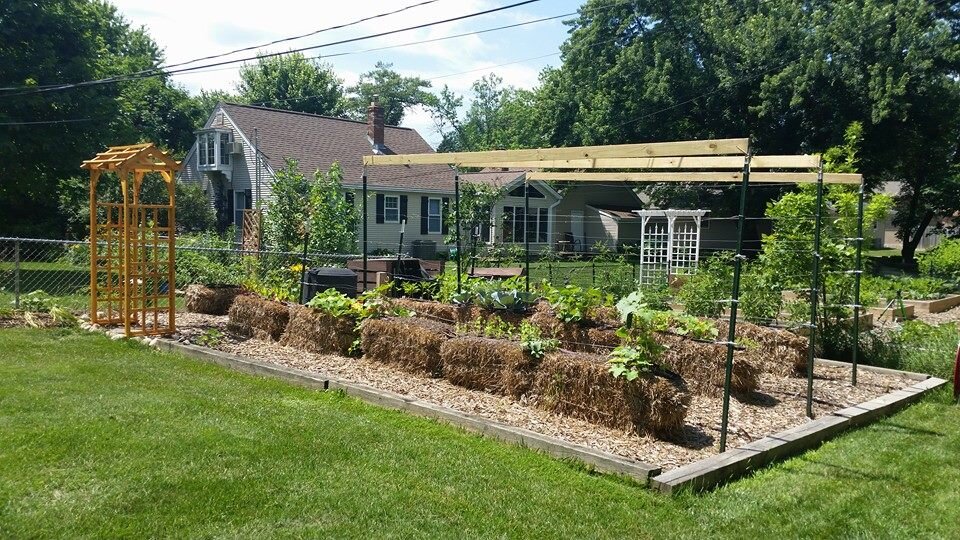
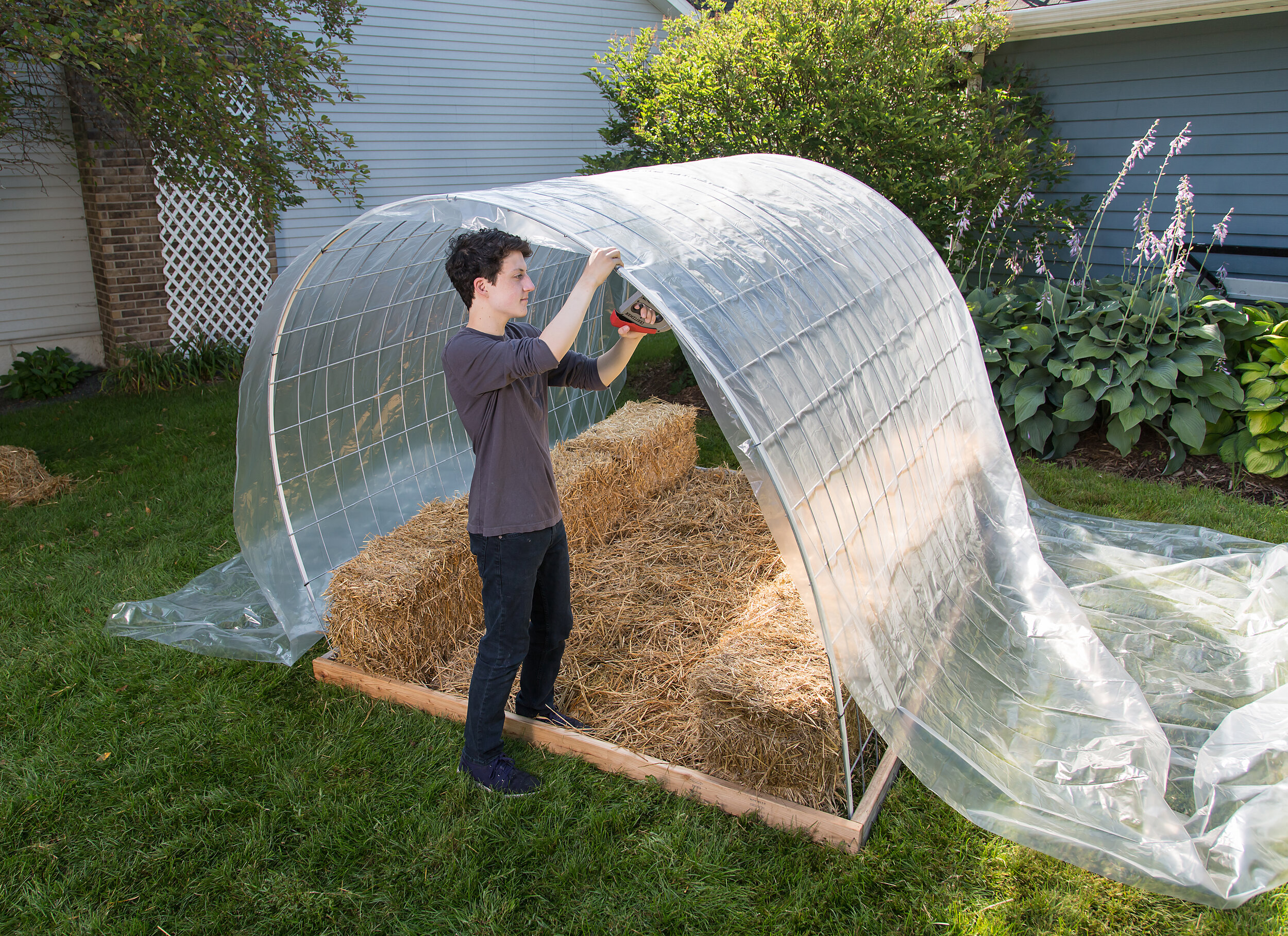
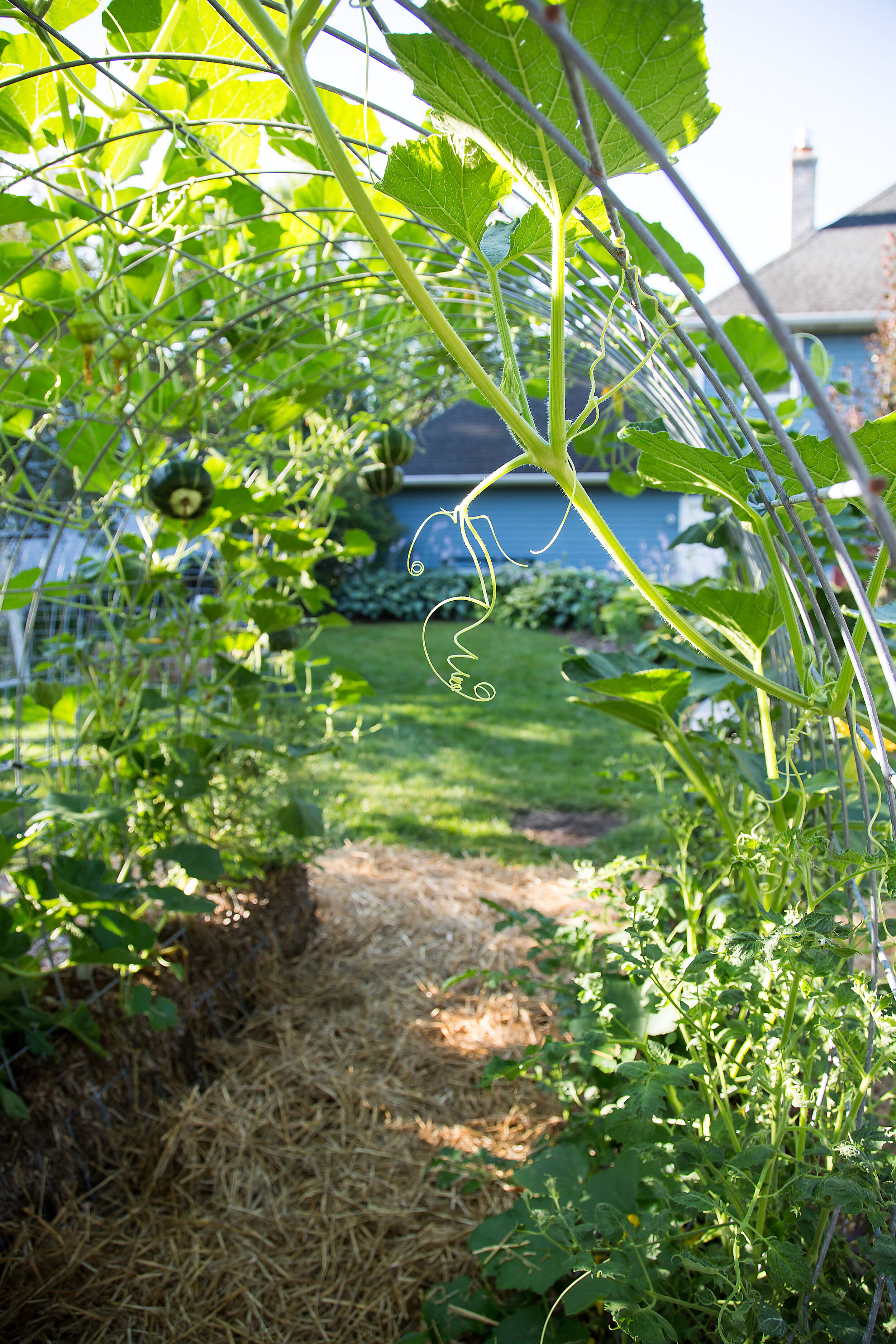
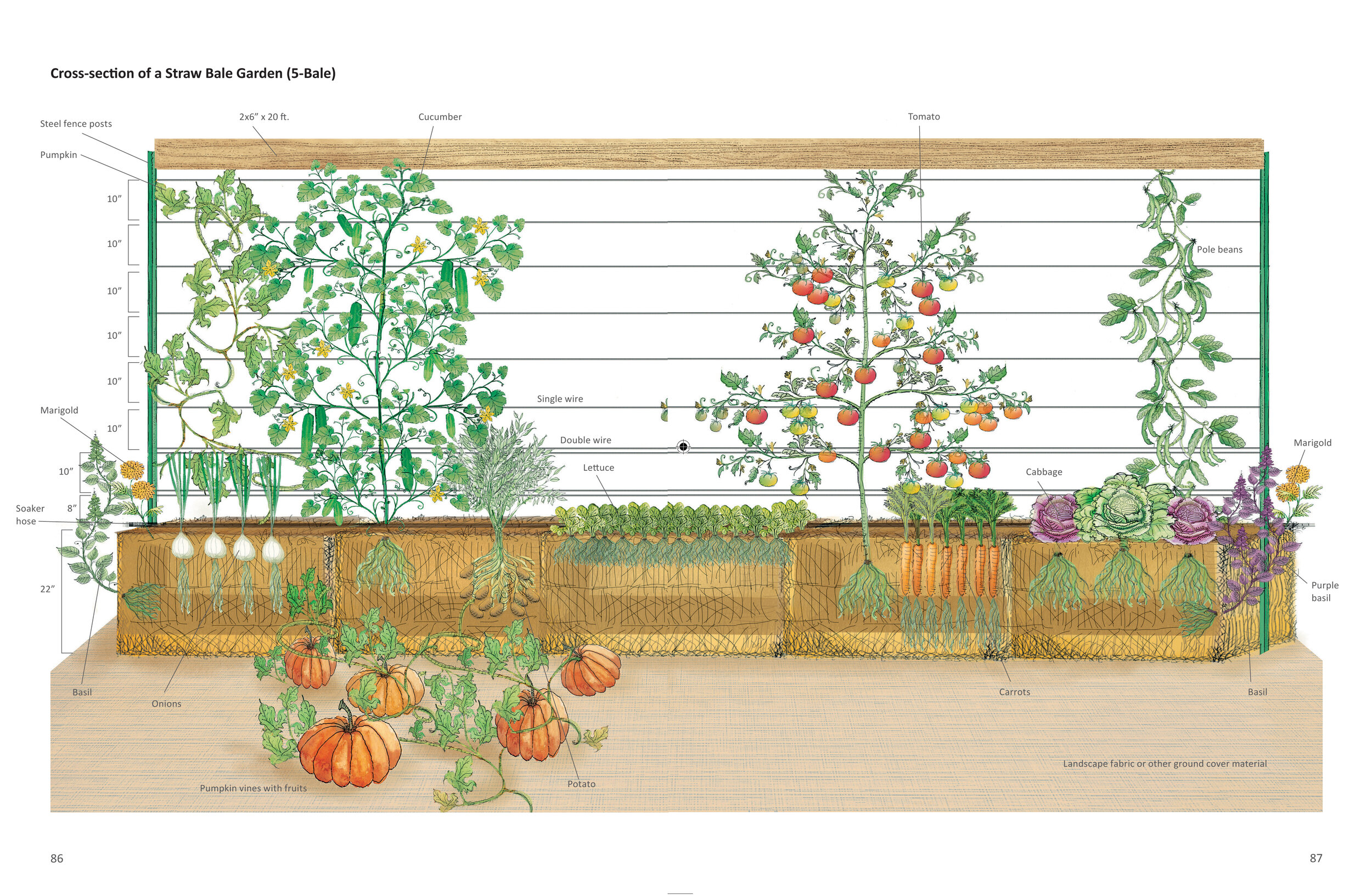
Straw-Bale Gardening
Ever thought it would be nice to find a gardening technique that would eliminate the need for weeding, digging, and bending?

Straw-bale gardening tips from Joel Karsten
Or make it possible to grow vegetables where it is otherwise difficult?
Horticulturist Joel Karsten, a pioneer of the straw-bale gardening technique, talks about the concept of straw-bale gardening. He explains how it works, where it can be used, and how to make it work well.
Karsten, who grows vegetables in a 24-bale garden on his small residential property in Minnesota, grew up on a farm seeing healthy weeds growing in old, broken straw bales. When he bought his first house and decided to make a vegetable garden, he couldn’t—there was too little soil.
That’s when Karsten recalled the bales he had seen growing up on the farm. He began to experiment.
How to Grow in Straw Bales
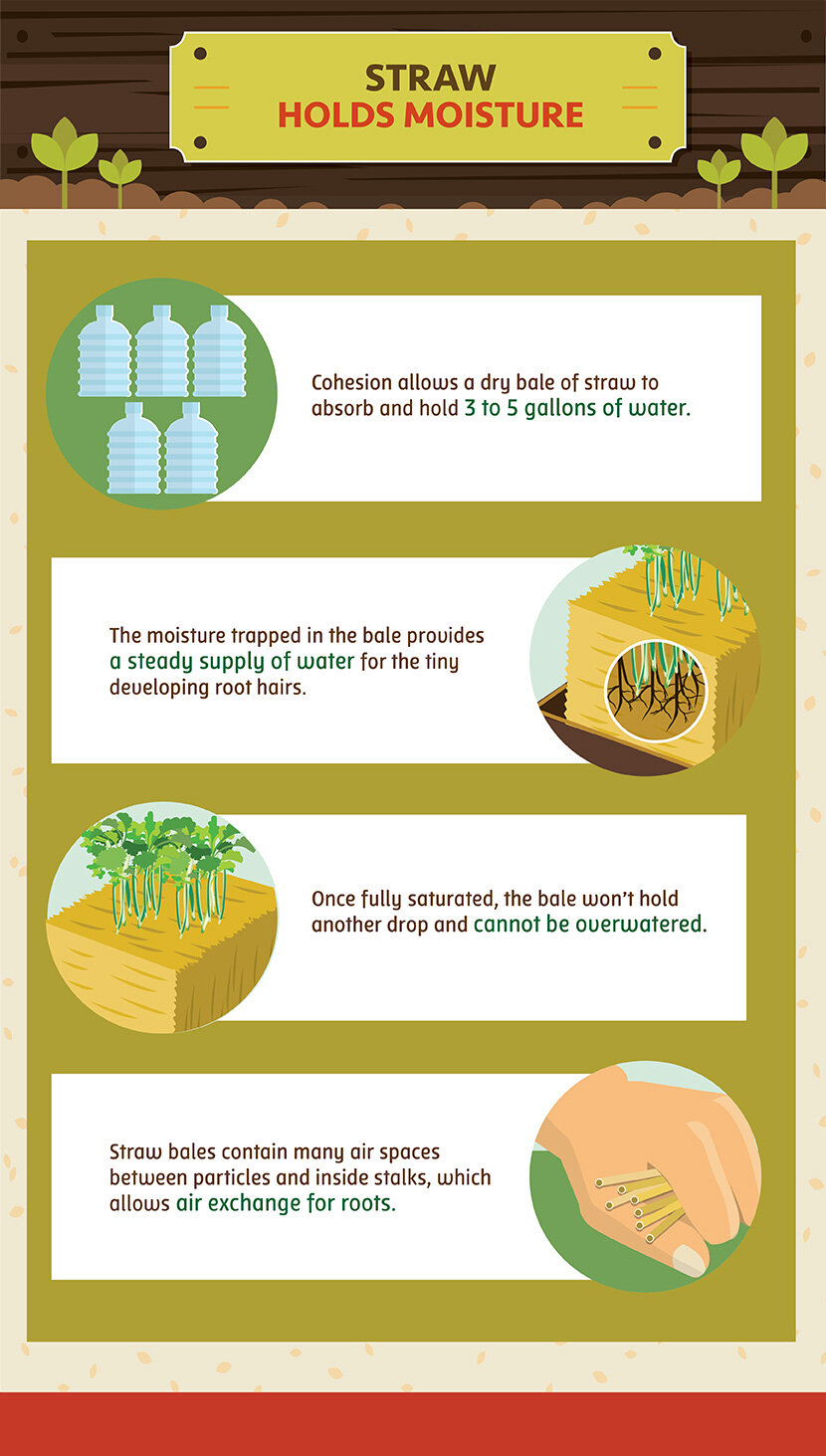
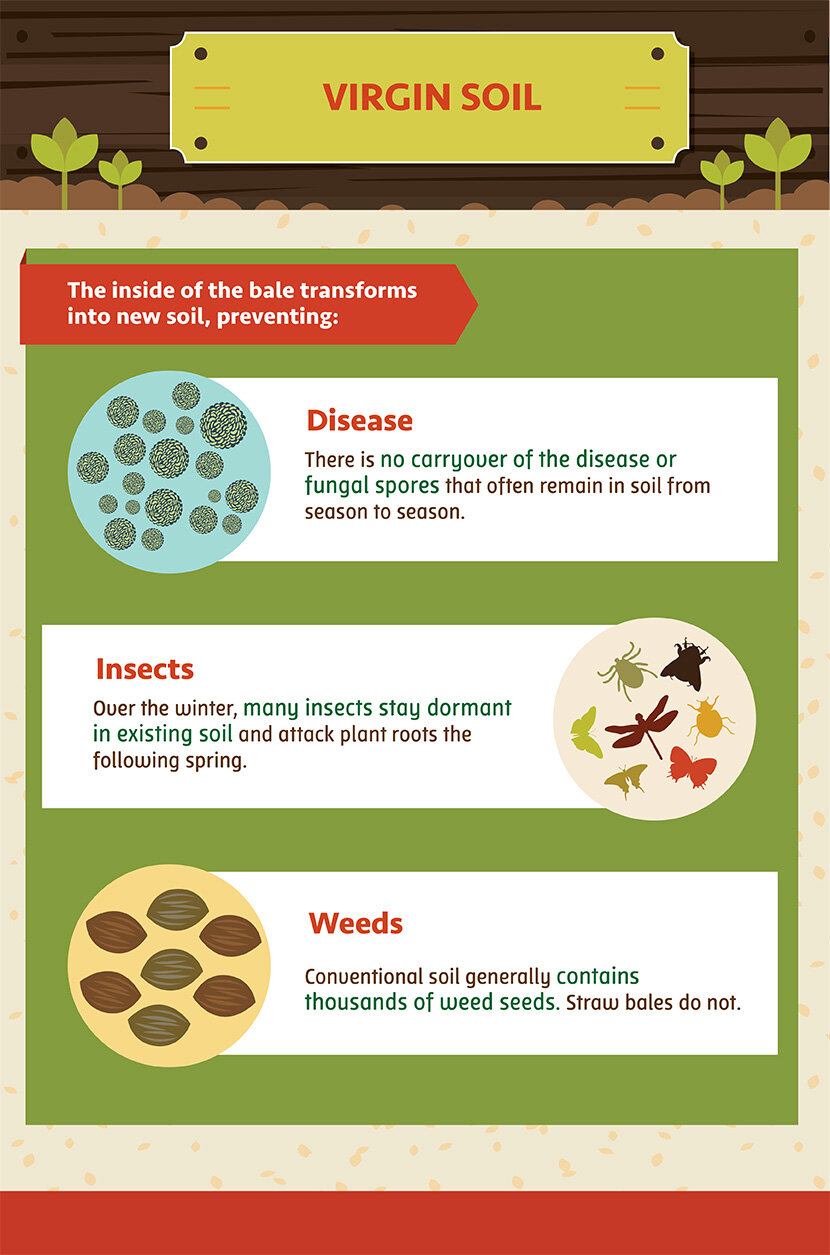
Joel Karsten’s TEDx Talk About Straw-Bale Gardening
Farm the City, Garden with Grains



Farm the City: A Toolkit for Setting up a Successful Urban Farm, by Michael Abelman
Farm the City
Our first guest is farmer, author, and food system activist Micheal Abelman.
Michael is a visionary of the urban farming movement. In addition to his family farm on Salt Spring Island in British Columbia, he’s the co-founder and director of Sole Food Street Farms in Vancouver, an urban agriculture business that provides employment to people managing poverty and addiction. The farm covers 4 acres of land, producing 25 tons of food annually.
The author of many books, his most recent book is Farm The City: A Toolkit for Setting up a Successful Urban Farm.
The book, a tool kit for food activists, shares ideas about setting up and operating an urban farm including finding land, choosing crops, marketing and fundraising, and community engagement.
Gardening with Grains
In the second half of the show, we chat with horticulturist and foodscaping expert Brie Arthur about her new book, Gardening with Grains.

Brie is an advocate of including food plants in the landscape, and a proponent of planting edibles within traditional ornamental landscapes.
Brie gives advice for growing grains from planting to harvest. Ever thought of growing barley? It gives a whole new meaning to the term “beer garden!”
Brie previously joined us on the show to talk about her book The Foodscape Revolution.
Hens, Hay, and How to Cook Cardoon
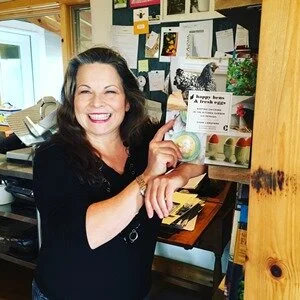
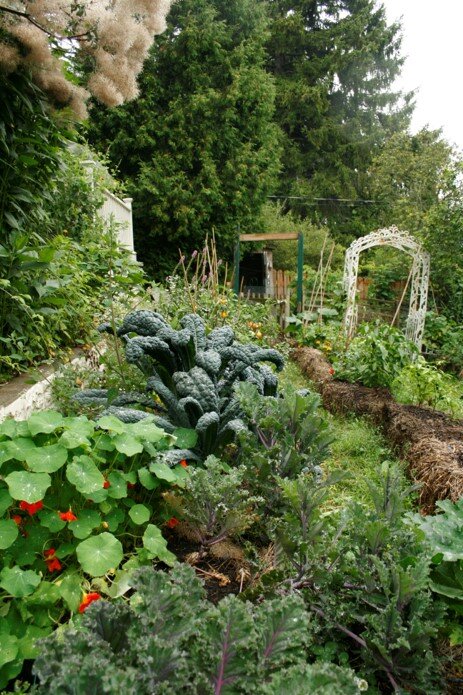
Signe Langford talks about her food garden in Port Hope, Ontario
Food writer Signe Langford joins us from Port Hope, Ontario to talk about her passion for growing food, her food garden, cooking, and how her garden connects her with her community.
Hay
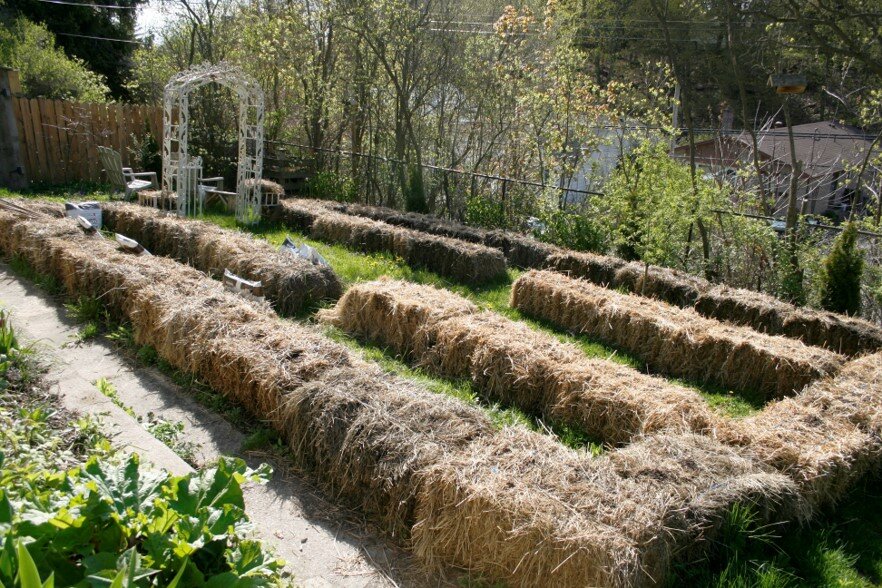
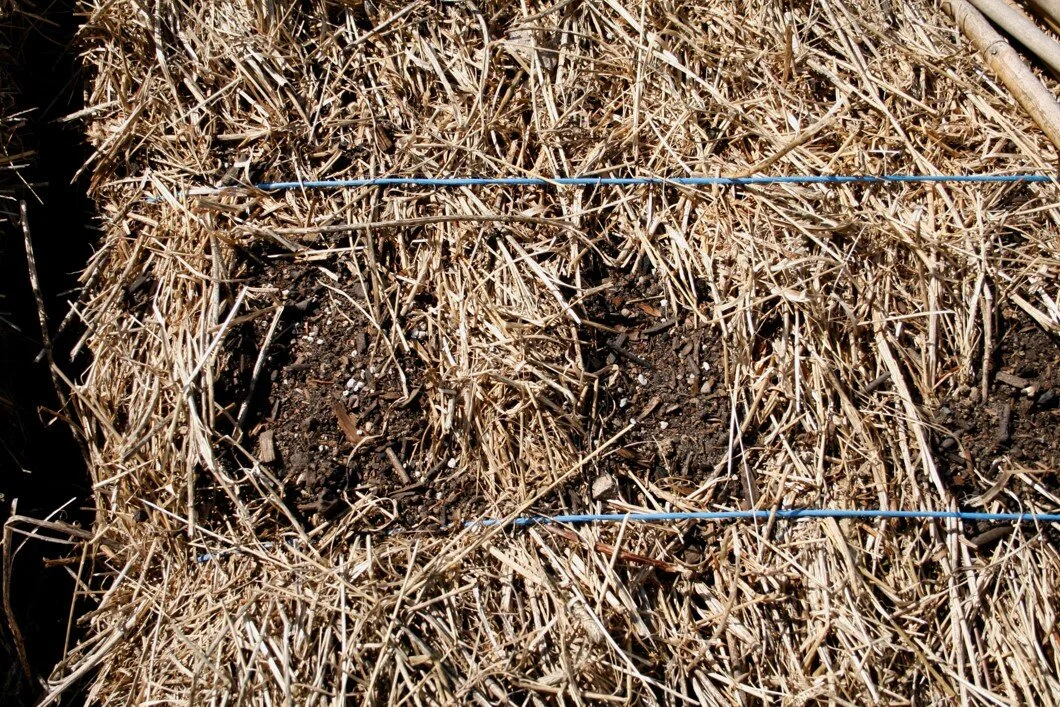
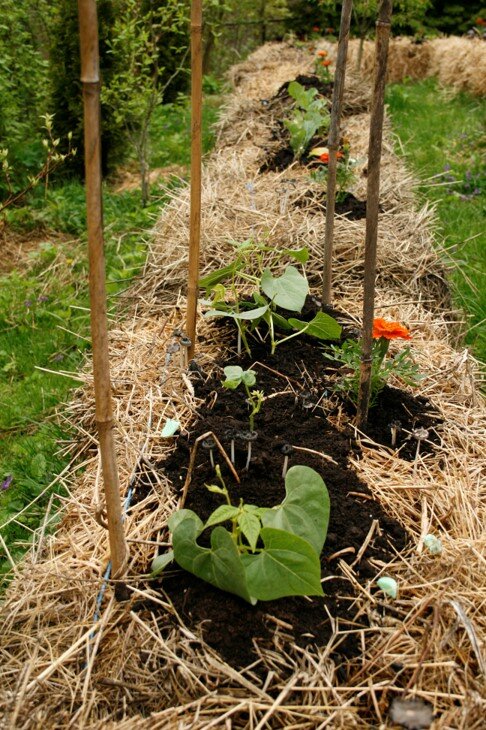
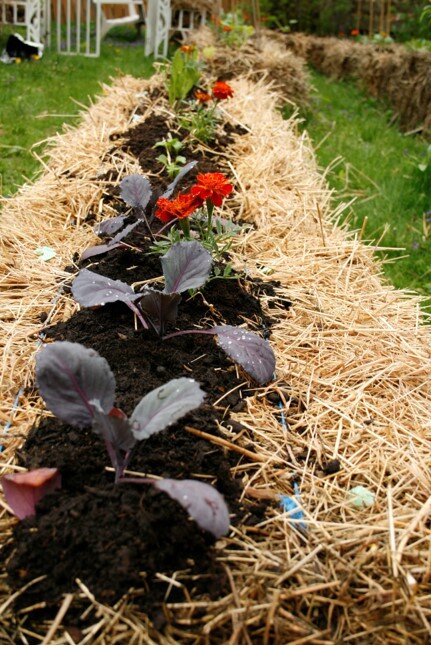
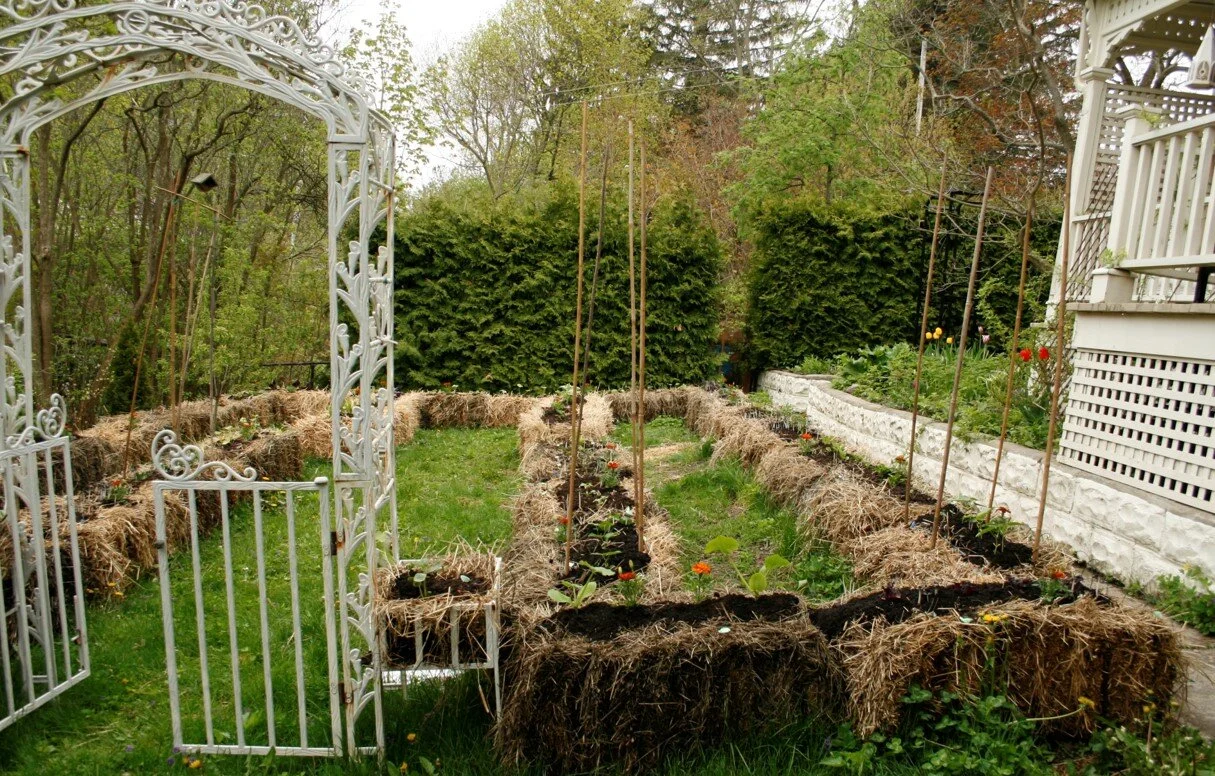
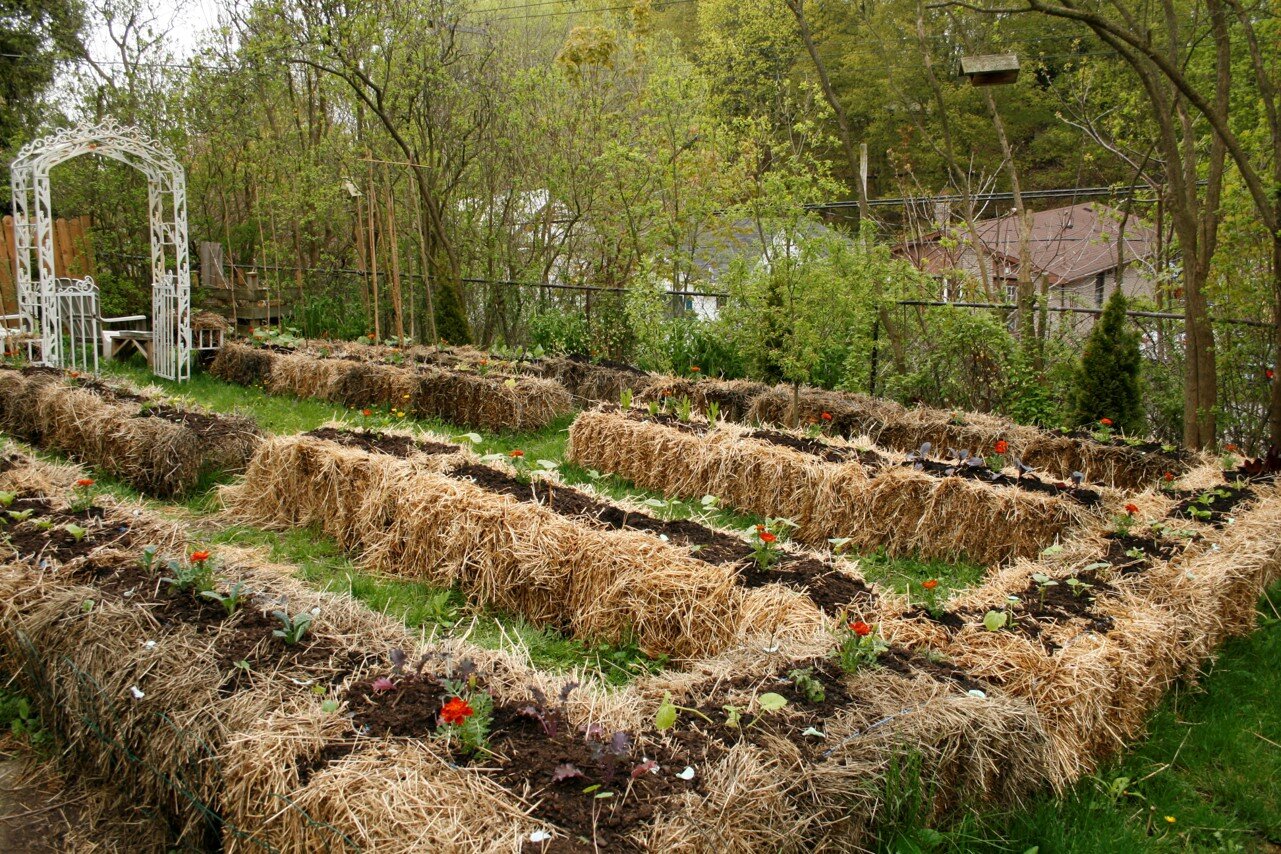
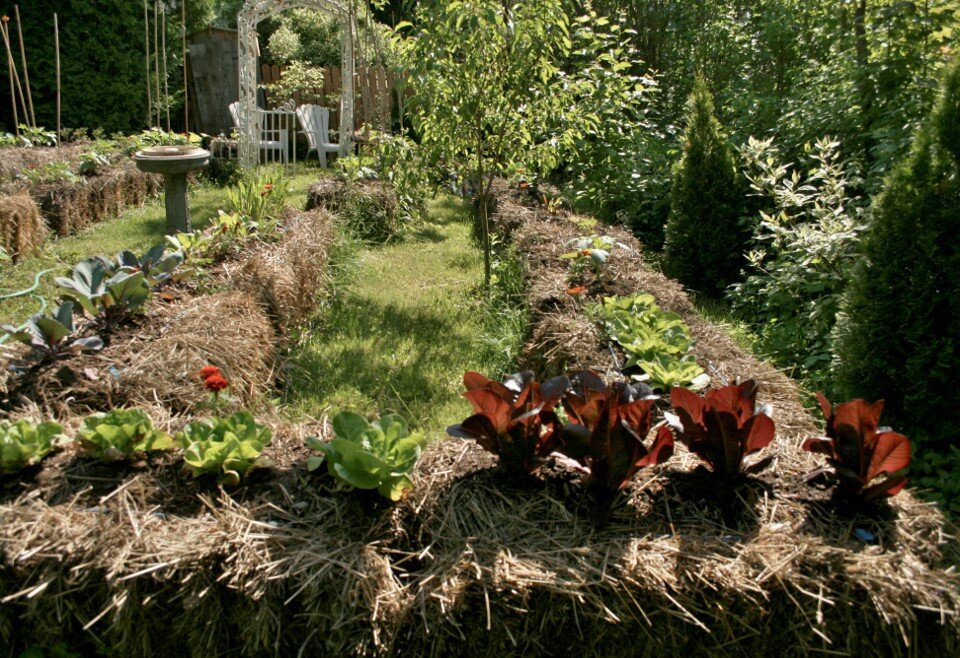
A fan of straw-bale gardening, Signe talks about how she experimented last year using bales of alfalfa hay instead of straw bales. Hay is normally NOT recommended for the straw-bale technique because all of the grass seeds within can make a bale look like a big chia pet. Signe tells us how that went. She was pleased with the results.
Hens

Signe is the author of Happy Hens & Fresh Eggs: Keeping Chickens in the Kitchen Garden.
The author of the book Happy Hens and Fresh Eggs: Keeping Chickens in the Kitchen Garden, Signe considers chickens to be, “a symbiotic member of the garden.”
She talks about common myths such as noise and smell that she often hears.
Cooking
Signe talks about edible weeds and edible native plants—and her love of the dandelion.
Signe also helps Steven with cooking advice for cardoon, explaining how to make Cardoon Gratin.
Choose The Right Tomato Varieties
Choose the right tomato variety for your garden

With more than 10, 000 known varieties, how do you choose which tomato to grow? Host Emma Biggs talks about things to consider when choosing tomato varieties for your garden.
Emma talks about:
Days to maturity (DTM)
Growth habit
Fruit Type
Flavour
Appearance
Disease resistance
Seed type
Did you know that Micro dwarf varieties are about 6-12 inches tall, while dwarf varieties stay between about 2-4 feet?
If you’re interested in reading more about things to consider when choosing a tomato variety, visit Emma’s blog post, which talks about DTM, growth habit, fruit type, flavour, appearance, disease, and seed type.
More on Tomatoes
Sandy Soil and a Greenhouse on Vancouver Island
Gardening on Sand on Vancouver Island
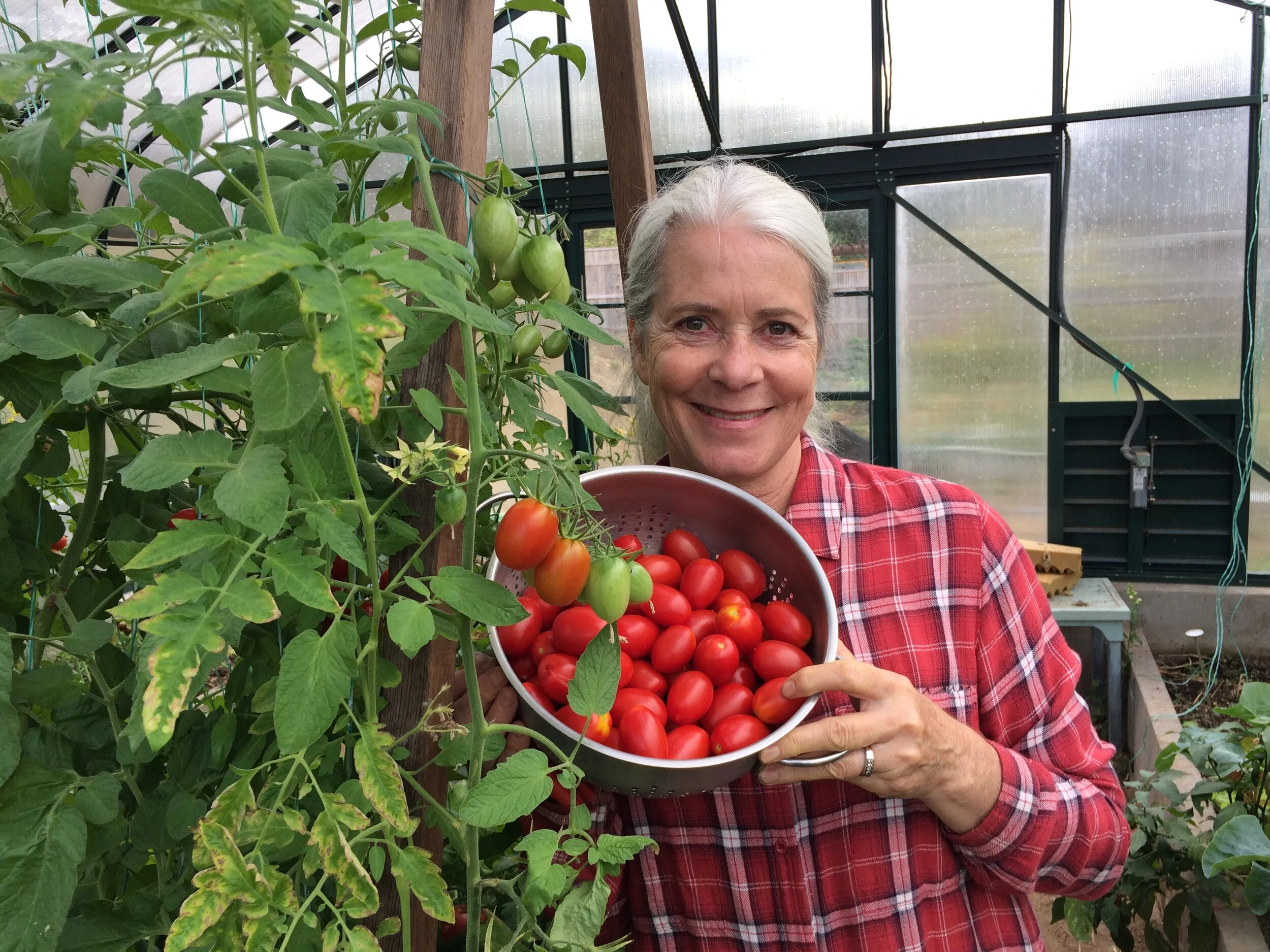
Donna Balzer gardens on Vancouver Island, Canada.
Meet Donna Balzer, a Vancouver Island food gardener.
Donna tells us about gardening on her very sandy soil, talks about how she uses a greenhouse to harvest year-round, and shares some of her favourite crops.
As well as being an avid gardener, Donna is a horticulturist, garden journalist, and broadcaster. She co-authored No Guff Vegetable Gardening with Steven in 2011.
Donna has a passion for soil and soil biology, and loves teaching other people about it.
Get more food gardening tips from Donna on her blog and podcast, at DonnaBalzer.com.

Artistic Front-Yard Garden, Anti-Inflammatory Food, Grow Luffa
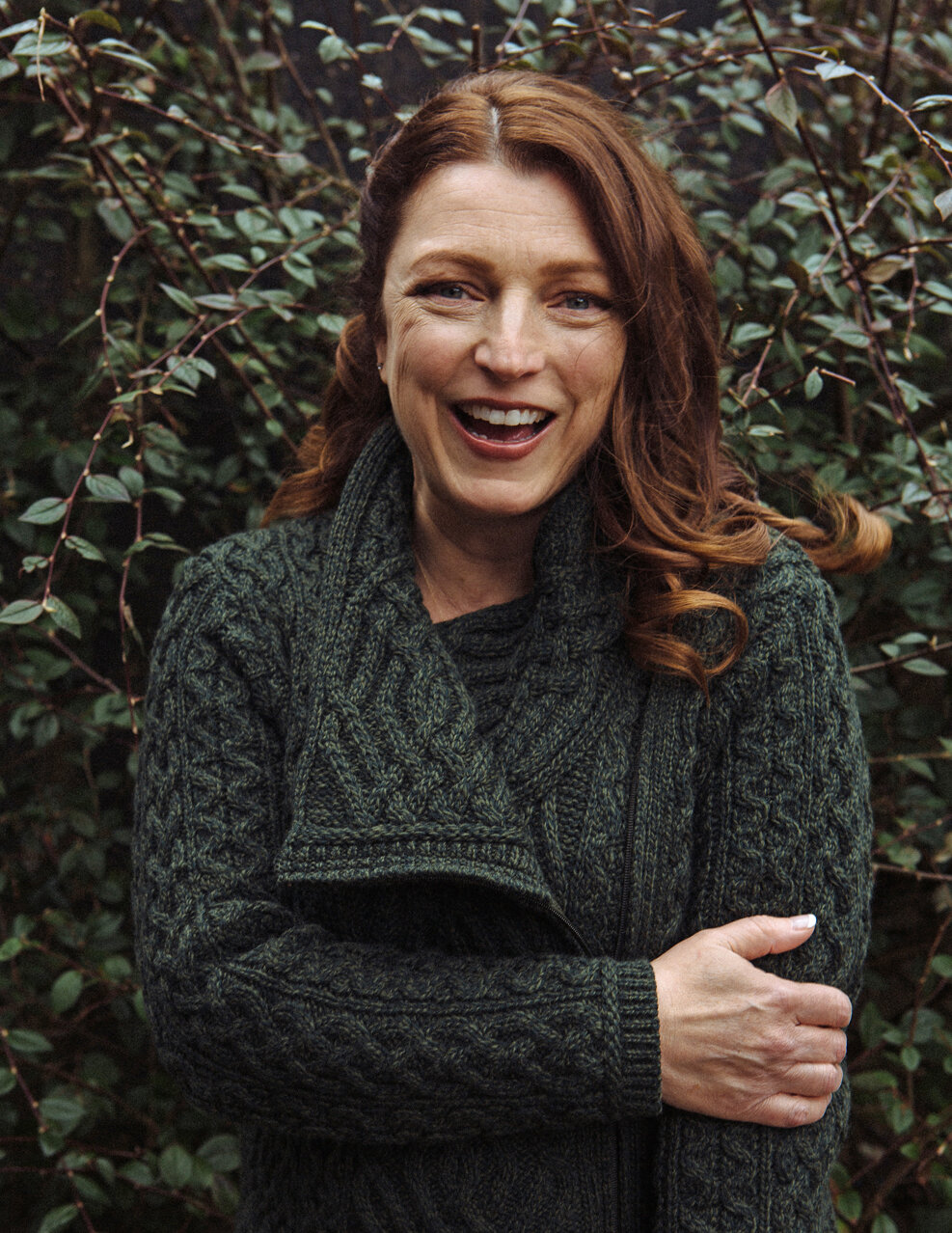
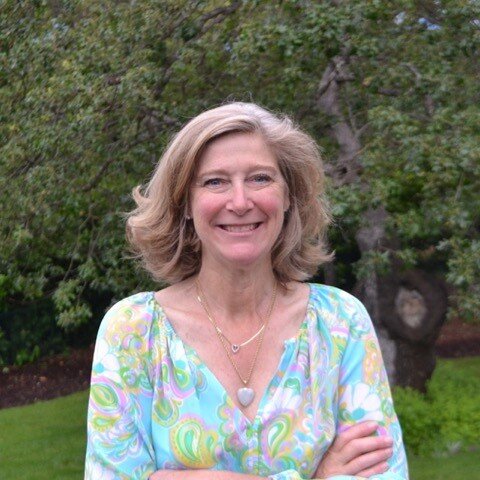

Shawna Coronado’s front-yard vegetable garden
Food Garden Life is a show about pushing garden boundaries. If you’ve tuned in before, you might notice the change in the show name. With this episode we celebrate 2 years on the air. WHY THE NAME CHANGE? As we looked through past interviews, we realized that we invite mostly people who grow food and edible plants. To celebrate that focus, we’re calling the show Food Garden Life.
Artistic Front-Yard Veg + Anti-Inflammatory Food
Our first guest is garden and wellness expert Shawna Coronado from Arizona. Shawna is a garden expert and the author of 8 books. She brings together gardening and healthy eating. Shawna talks about getting community buy-in for her front-yard vegetable garden—and about making that garden a work of art.
Her most recent book, Stacked with Flavor: An Anti-Inflammatory Cookbook with Dairy-Free, Grain-Free & Low-Sugar Recipes, was inspired by her struggle with severe degenerative osteoarthritis. When Shawna found herself crippled by the condition, yet not satisfied with the idea of living the rest of her life on pain killers, she tried changing her diet as a last-ditch effort. This book shares that journey along with practical, flavourful cooking ideas. Shawna gives a practical look at how to undertake an anti-inflammatory diet.

Beautiful Luffa: A Guide and Workbook for Growing, Using, and Enjoying Sponge Gourds
Grow Luffa
In the second part of the show, we chat with natural beauty products expert Janice Cox about growing luffa (a.k.a. loofah). Hear about using luffa for personal care, as a natural sponge, to hold water in flower pots, for arranging flowers—and to eat! Janice talks about 3 key things to give your luffa plants: sun, support, and pollinators.
Janice found that when she gave talks about natural beauty products, she always had a lot of questions about luffa—so she wrote a book about it, called, “Beautiful Luffa: A Guide and Workbook for Growing, Using, and Enjoying Sponge Gourds.”
Luffa aegyptiaca is the type of luffa most often offered for sale at seed companies; it is quite fibrous, making it suitable for a strong scrubbing sponge (it is also known as Egyptian cucumber.) Luffa acutangula is the best bet for eating.
In Emma’s Tomato-Talk segment she chats with Hanna Jacobs from Matchbox Garden & Seed Company in southern Ontario about some of Hanna’s favourite tomatoes.
In the Biggs-on-Figs segment, Steven chats with Will Pananes from south-central Pennsylvania about his innovative use of a heat column to overwinter fig trees. Look at the 2015 blog post titled, “Making a Heat Column for In-Ground Fig Plants.” There will be more photos to come from Will in fall 2020…stay tuned to the blog!
“You have to be a little crazy!”
Will Pananes talking about finding ways to grow figs in cold climates
Garden Financial Literacy, Rooftop Edible Gardens, Tomatoes with Stories
Gardening and Financial Literacy
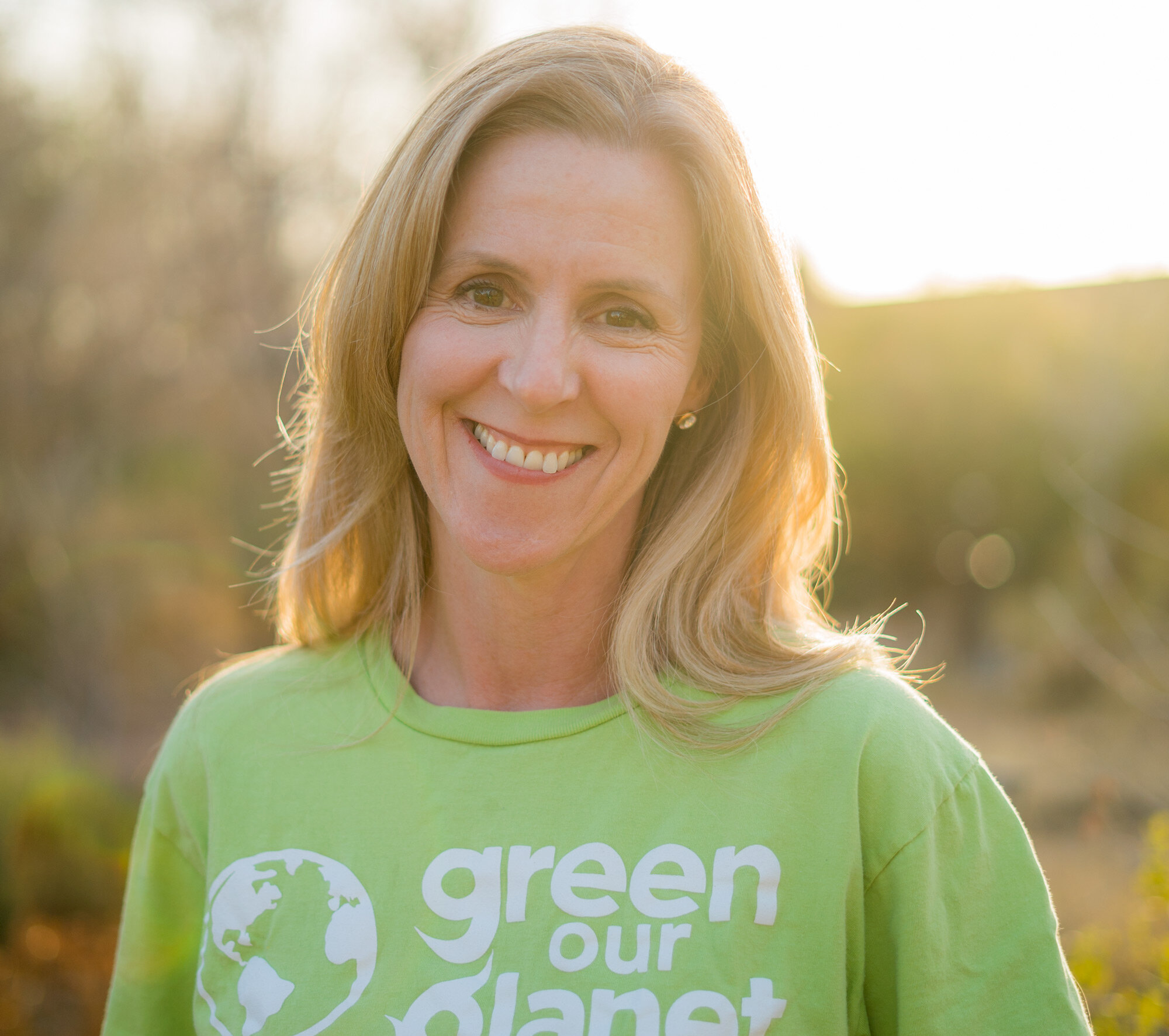
Our first guest is Ciara Byrne from Nevada. She tells us how the organization Green Our Planet is training a generation of student “farmpreneurs.” Students operate farmers markets at schools—and, twice a year—there is a giant market with students from many schools setting up in one location. The next market will have over 700 fifth-grade students selling fruit and veg from school gardens.
Ever thought that financial literary could be taught alongside gardening? Green Our Planet uses markets as an opportunity to teach more than gardening: they are an opportunity to discuss customer service, negotiating skills, and marketing.
Ciara is a documentary film maker who, in 2013, found herself working in Nevada. Green Our Planet was set up to use filmmaking as a crowdfunding platform for green projects. When Green our Planet successful funded a school garden project, Ciara saw the opportunity to help many more schools.
Green Our Planet has helped develop Nevada’s first STEM garden curriculum for schools (science, technology, engineering and mathematics). Green Our Planet is now growing gardeners and entrepreneurs beyond Nevada. Ciara’s work was recently honoured by the Obama foundation.
“Making school fun is critical.”
Rooftop Food Gardens
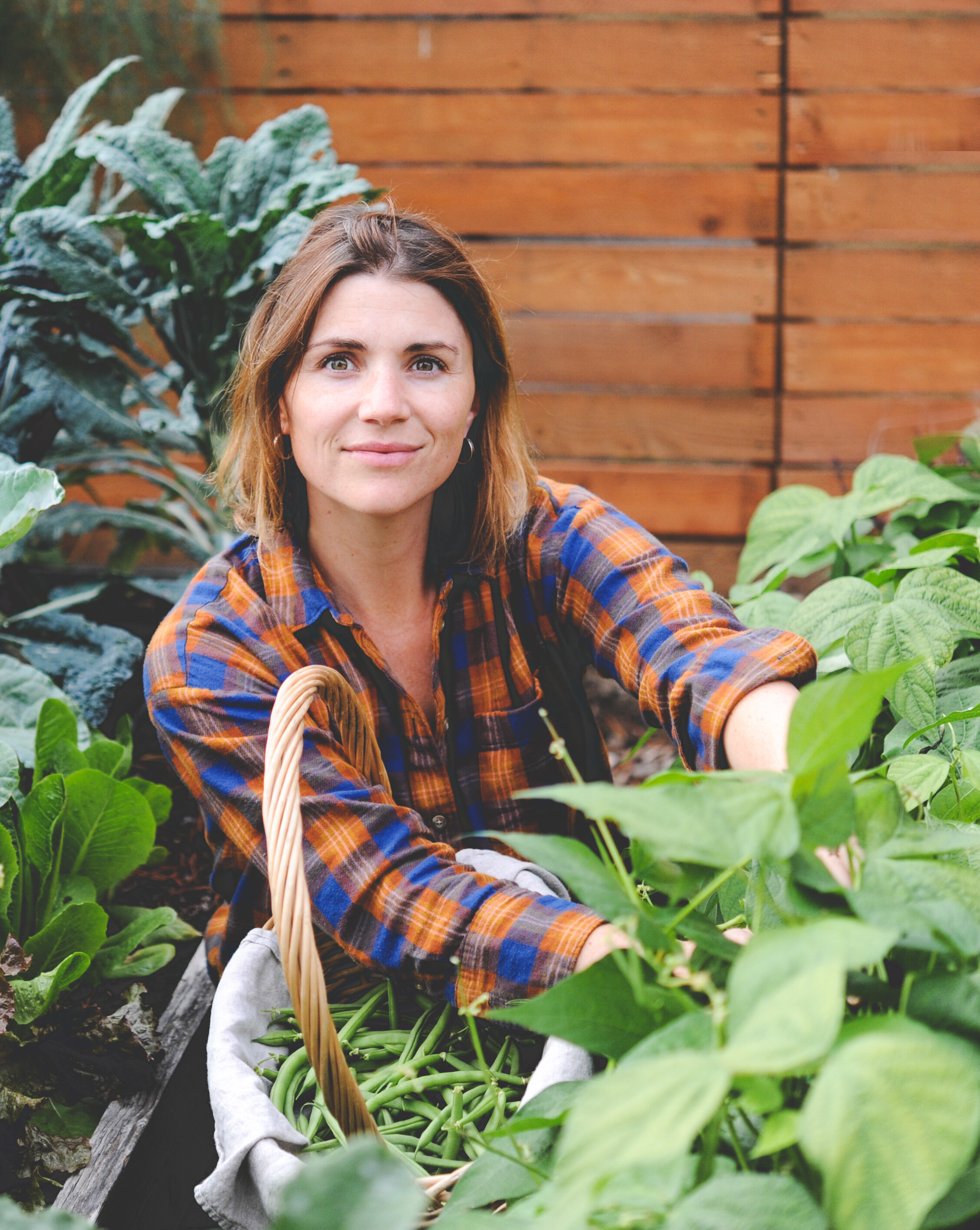
In the second half of the show, we chat with Hilary Dahl from the Seattle Urban Farm Company. She combines a background in landscape architecture and urban planning with her passion for creating edible gardens.
Hilary has recently been involved in some inspiring rooftop garden projects in the Seattle area. One of these is the Amazon campus, where a collaboration with a not-for-profit organization means that food harvested from the rooftop garden is used for culinary training for community members.
Hilary explains that the building of many new multifamily dwellings in Seattle has given her the opportunity to be involved in a number of edible rooftop garden projects. She talks about rooftop challenges, and also considerations such as weight and irrigation.
Hilary shares another interest with us: broadcasting. She hosts a fantastic podcast about edible gardening called Encylopedia Botanica.
“Every design I did had some sort of food element.”
Visit the Seattle Urban Farm Company website for more information.
Tomato Talk Segment
In the Tomato-Talk segment, Emma chats with Colette Murphy from Urban Harvest seeds about tomato varieties with a story.
Urban Farming to Build Community
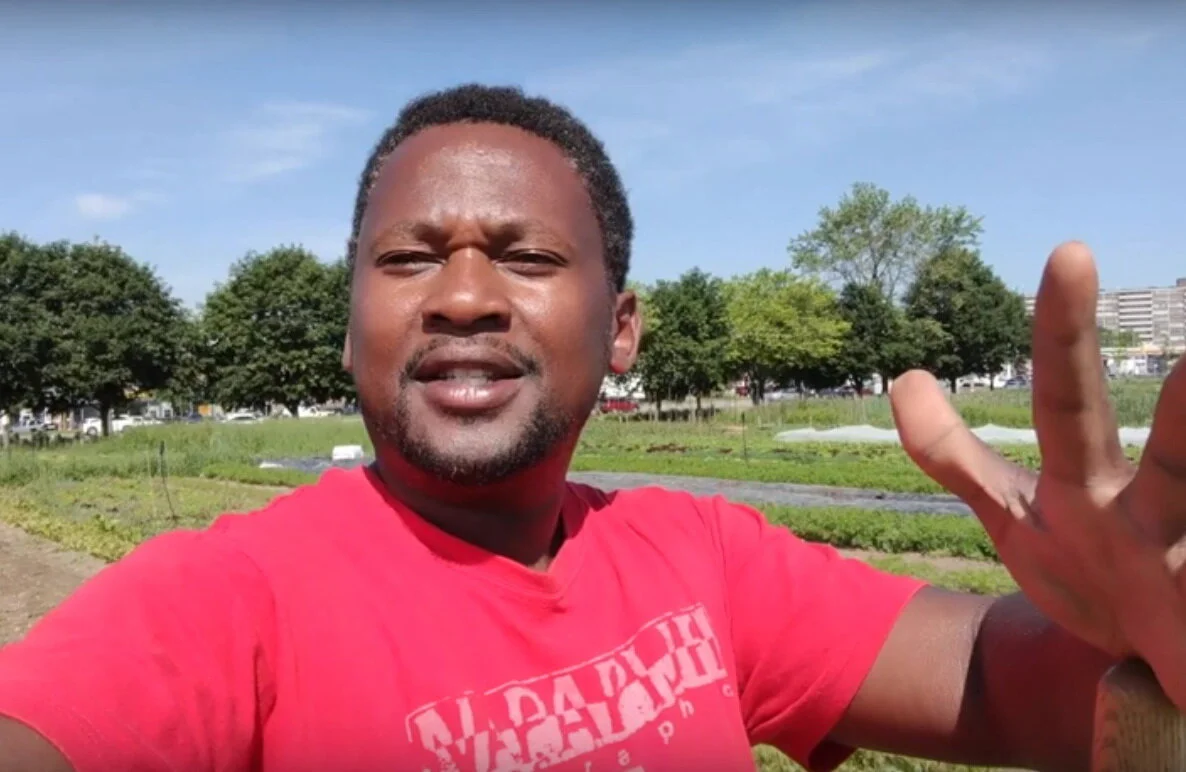
Zawadi Farm
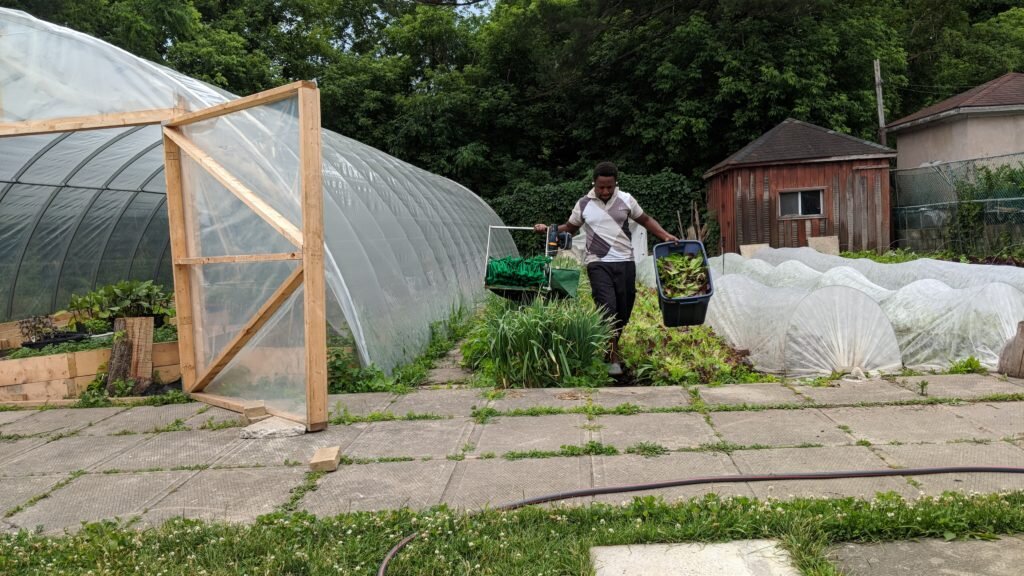
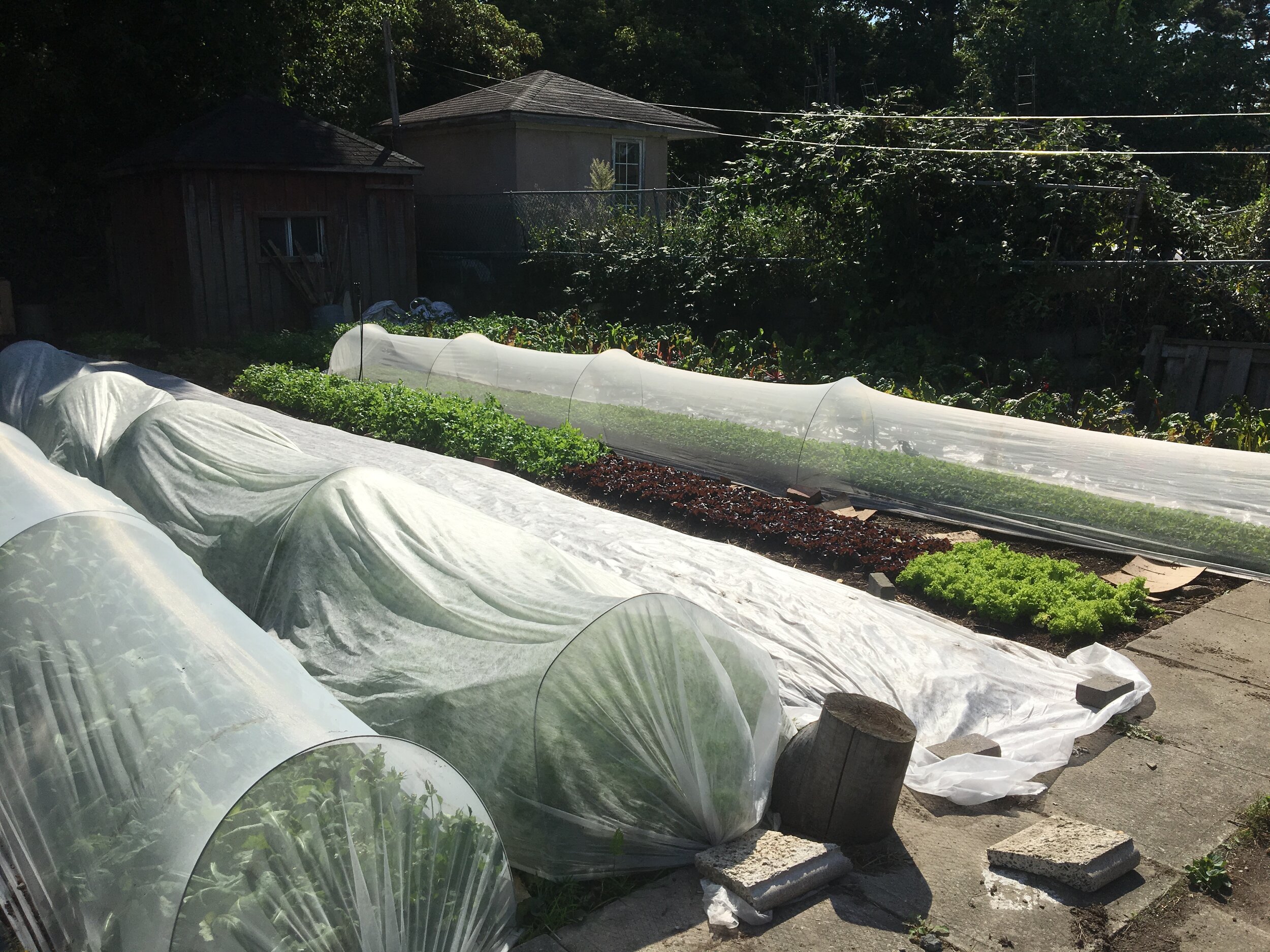
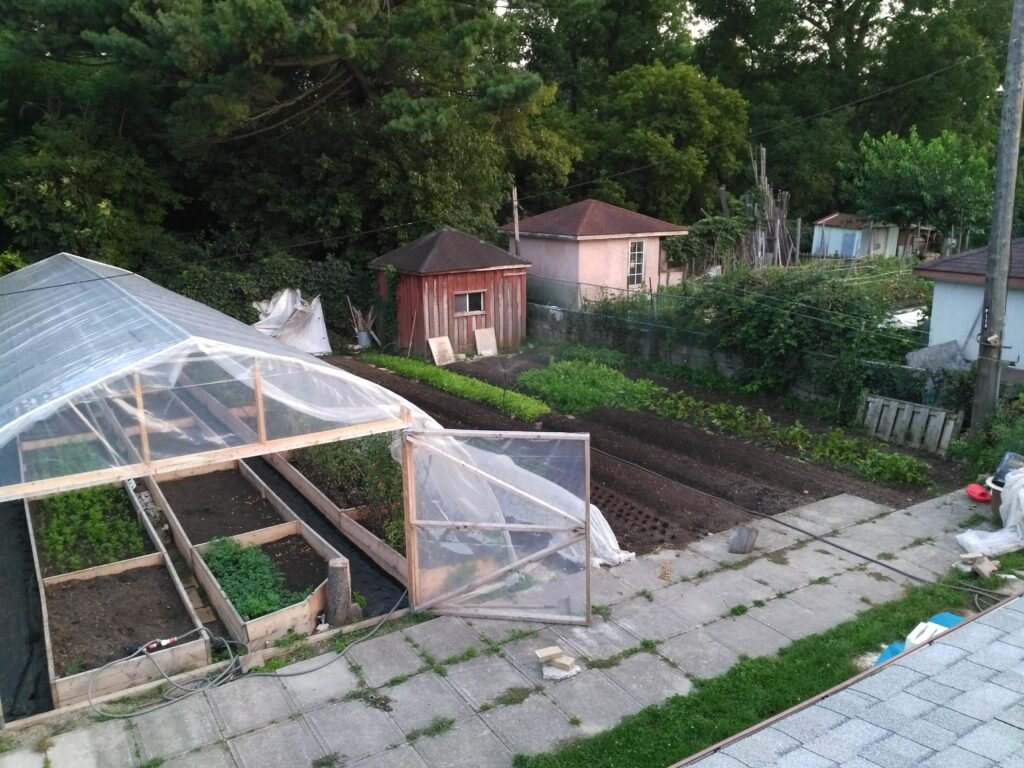
Our in-studio guest is Jessey Njau, who left a corporate job to farm his Toronto backyard. Originally from Kenya, Jessey explains that the name of his farm, Zawadi, means “gift” in Swahili.
His motivation to change careers stemmed from a desire to refocus on family and community. He talks about the relationships he has grown and the generosity he has encountered. Jessey sees food production as a powerful opportunity for social change. “The regenerative context means a lot to me,” he says.
“I love it! My blood boils if I’m not in the land”
As Jessey enters his fourth year of growing, his operation has grown to include more yards, as neighbours see what he is doing and offer him their yards.
“I’m close to having about a quarter acre collectively of backyards”
But it hasn’t all been easy. When first selling at a local market, many people said, “I can find this produce cheaper.” Not sure how to handle the price objection, Jessey remembered the advice of a friend, who told him that to succeed in business, “you need to be crazy.” He decided to be crazy—to break the rules—and sent shoppers home with free vegetables, saying, “Talk to me when you come back next time.” When those shoppers came back, they didn’t talk about price any more. “Once they tasted it, they flew,” he says.
“He was rejuvenating a city by growing food”
Jessey Njau talking about inspiration he felt after Michael Abelman’s book, Street Farm: Growing Food, Jobs, and Hope on the Urban Frontier
Tomato Talk Segment
In Emma’s Tomato-Talk segment, she describes some of her favourite tomato varieties that she has written about in her Harrowsmith Magazine blog.
”It looks like a brain…or a whole bunch of cherry tomatoes fused together.”
Broadfork Dance
Do you use the broadfork? Check out Jessey’s video below…maybe you can help with his project.

Hi, We’re Steve and Emma!
We help people grow food on balconies, in backyards, and beyond—whether it’s edible landscaping, a vegetable garden, container gardens, or a home orchard.