Figs: A Taste of Home in a Country of Immigrants

We chat with Montreal fig enthusiast—and fig tourist—Michal Hacio.
Hacio says that his passion for growing figs and meeting other fig growers started when he spent time living in Vancouver, where an Italian neighbour introduced him to fig growing.
A Taste of Home
Hacio says that in a country of immigrants such as Canada, people often bring something to connect them with their home country.
For many people, that something is a fig plant.
A Way to Connect
He finds that a shared interest in figs is a good way to connect with other people.
Hacio recounts the time he spotted a fig tree growing in the Westmount neighbourhhod of Montreal. He got chatting with the gardener…and by the time he was finished, he had heard the gardeners whole life story, including how the fig tree had been given to him by someone who was originally from Greece.
Overwintering Figs
Hacio has overwintered figs many different ways in Montreal. His key message for would-be growers is that there is more than one solution to overwintering figs in a cold climate. “Be creative,” he advises.
He’s met people who cart them into the basement, people who put the plants into a heated garage, and people who bury them.
“If you want to reap the reward of these fruits you have to be creative.”
Fig Books for Northern Gardeners


A Zone-4 Garden in St. Paul, Minnesota

Minnesota gardener Mary Schier
We head to Minnesota to chat with Mary Schier, the editor of Minnesota State Horticultural Society’s magazine, Northern Gardener—a magazine dedicated to gardening in USDA Zones 3 and 4.
Schier is a Minnesota gardener and the author of The Northern Gardener, From Apples to Zinnias, 150 Years of Garden Wisdom.
She gardens in St. Paul, where she crams as many plants as possible into her urban lot. Schier says that St. Paul is an urban heat island, so creative gardeners often try to push zone 4 limits.
Her new podcast, called Grow it, Minnesota, features interviews with northern gardening experts.
Tips for Cold Climates
Schier says that when it comes to growing fruit, it’s very important to take the time to research varieties well suited to cold zones.
For example, the Evans Cherry does very well in Minnesota. Sweet cherries do not. (CLICK HERE to tune into our chat with Dr. Ieuan Evans, in a previous episode, where he talks about finding this cherry.)
Another important tip in cold zones is not to start seeds indoors too early. Schier only plants out her tomato transplants on June 1—so she works back from that date and starts her transplants later than gardeners in warmer zones.
Weaving History into Horticulture

Schier’s book, The Northern Gardener, From Apples to Zinnias, 150 Years of Garden Wisdom weaves together gardening tips and historical snippets for cold-climate gardeners.
The historical tidbits are gleaned from the pages of the journals and magazines of the 150-year-old Minnesota State Horticultural Society.
Schier explains that there is a strong tradition of horticultural research in Minnesota. In the early days, many “trial stations” were set up (often, these stations were home gardens with gardeners who were willing to make observations and record what they saw for the State Horticultural Society.)
Grow Exotic Edibles in Cold Climates

Dave Hanson, garden educator, co-host of The Grow Guide Podcast, and founder of Sage Garden Greenhouses in Winnipeg, MB
We chat with Winnipeg-based garden educator Dave Hanson, co-host of The Grow Guide Podcast, and founder of Sage Garden Greenhouses.
Hanson, who spent time in his youth in a tropical climate, has been growing herbs and spices since his childhood, eventually working at a herb nursery as a teenager.
He loves growing exotic edible plants.
His Winnipeg climate means that frost-sensitive plants can come out June 1, and be back under cover in time for the first fall frost in late September. That doesn’t stop him.
Hanson gives his tips for growing:
guava
yacon
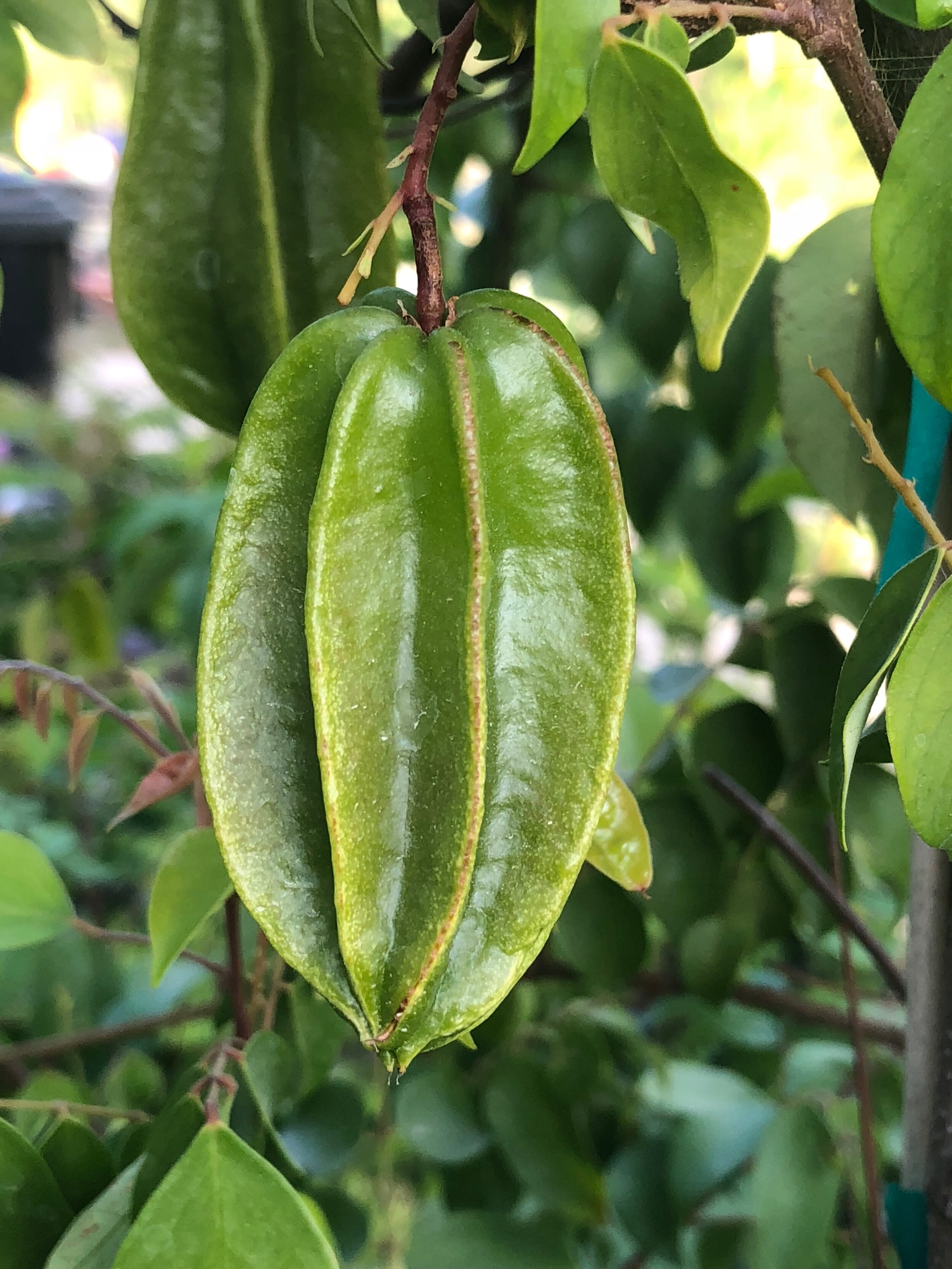
starfruit
cinnamon
curry leaf
black pepper

Get 5 Harvests by Growing Your Own Garlic
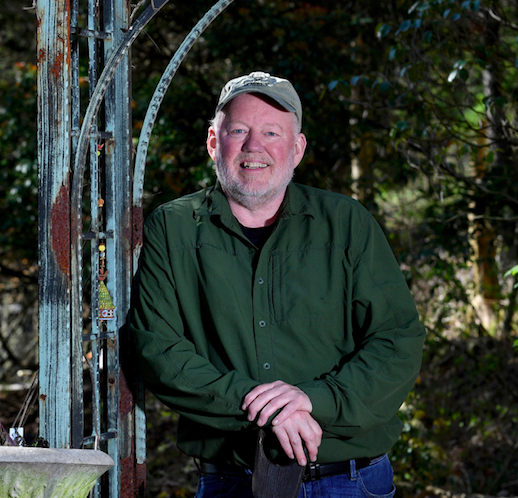
Pittsburgh garden expert Doug Oster joins us to talk about growing garlic, getting 5 harvests—and the recipes from his Garlic is Love presentation
Ever thought you could get five garlic harvests from your garden?
Today on the podcast, garden expert Doug Oster joins us from Pittsburgh, PA to talk about growing and cooking with garlic.
Oster, who loves growing and cooking with garlic, shares his love of garlic by taking seed garlic to friends…earning him the nickname “Dougy Garlic Seed.”
Oster recently gave two presentations about garlic at the Virtual Tomato and Garlic Days hosted by Phipps Conservatory:
How to Get Five Harvests from Growing Your Own Garlic
Garlic is Love
5 Garlic Harvests
Oster explains that there are 5 possible harvests when growing garlic.
Garlic greens in the spring (he says that his family is alerted to their arrival because they can smell it on his breath when he comes in from the garden)
Garlic scapes, which grow on hardneck garlic varieties (these are removed so that the plant directs energy to the bulb—and make a great pesto)
The small bulbils, which grow at the end of the scapes (Oster doesn’t leave the scapes on the plant; he explains that scapes that are picked and left continue to grow the bulbils…so he leaves a few in the garden and snacks on bulbils while working in the garden)
Uncured fresh garlic, which he harvests before the papery husk is fully developed
The main garlic harvest
Garlic is Love
In his Garlic is Love presentation, Oster prepared two recipes—in which he used 100 cloves of garlic!
Garlic Elixir, which has 50 cloves of garlic, lemon juice, and chopped olives
Ultimate Garlic Linguine, which has 25 roasted garlic cloves, 25 sauteed garlic cloves, olive oil, and herbs
Doug Oster’s Tips for Growing Garlic
Start with the right garlic: either seed garlic or garlic from a local farm (not store-bought garlic, which might be a variety better suited to another area—or might be treated with something to inhibit growth)
Plant at the right time for your area (if planted too soon, it might sprout too early)
Amend soil with a generous amount of compost
Cover with a thick layer of straw in the fall to prevent sprouting
Create a Lifestyle: Starting a Regenerative Farm and Homestead

Ryan Cullen, co-owner of City of Greens farm
We chat with Ryan Cullen, co-owner of City of Greens in Bowmanville, Ontario, about starting a regenerative farm and homestead.
Cullen, who joined us for the last episode to talk about the food-forest garden at Durham College, is in the process of turning a 10-acre property into a regenerative farm and homestead, and is creating a market-garden business as part of that plan.
The Market Garden
The market garden currently has four 50’x50’ plots. The goal is to expand to ten 50’x50’ plots.
There are 12 beds per plot; each bed is 30” wide. Cullen explains that they chose these dimensions because they are suited to standard equipment.
The crop focus is high-yield, high-value crops that are quick to mature. This includes a lot of salad mixes containing arugula, mustard, baby kale, spinach, and lettuce.
Farm Infrastructure
Instead of spending money pouring foundations and building barns, they bought used shipping containers. In addition to costing less, the shipping containers are mobile.
Cullen says that by using shipping containers, the two key pieces of infrastructure that will be the heart of the operation—the cold storage unit and the wash-sort-pack unit—cost them less than $10,000 and were simple to modify and set up.
Marketing and Selling
Cullen says that the goal is to sell directly to consumers.
He finds that Facebook is proving an effective way to connect with customers because it is suited to two-way communication.
The website allows customers to build a customized basket of produce, and then select a pickup location. They have partnered with a few local businesses, allowing them to offer multiple pick-up locations, at predetermined times and locations.
Cullen says that having pre-scheduled pickups means that they are not standing all day at a farmers market waiting to see how much they sell; instead, they know what their sales are before they go.
Top Tip for Would-Be Farmers
“Start small, but start.”
Grow a Food Forest

Ryan Cullen, field supervisor at Durham College, talks about the new food forest at Durham College.
Make a Food Forest
We chat with Ryan Cullen, the field supervisor at Durham College, about the newly planted food-forest garden at the college’s Whitby campus.
Cullen oversees a diverse market garden that includes tree fruit, small fruit, cut flowers, field vegetables, greenhouse vegetables, and microgreens. He previously joined us on the show in Aug 2019. Click here to tune in to that episode.
Food-Forest Garden
Cullen explains that the idea behind the food forest is to grow a mix of food-producing species, layered in the same way that a forest is. There’s a herbaceous layer at ground level, a shrub layer, and a canopy layer of trees above.
With time, the food forest becomes self-maintaining and, with the appropriate mix of plant species, can have self-renewing fertility.
The top layer of the food-forest garden is the “canopy” layer. Cullen says that they planted this layer with fruiting tree species including cherries, plums, persimmon—and even a hawthorn.
The lower herbaceous and shrub layers, which are still being developed, will be a polyculture—a mix of different plants. Along with edible properties, plants in the lower layers might make available soil nutrients (deep-rooted plants bring up nutrients,) supply nutrients (pea shrubs capture nitrogen from the air,) and attract pollinator species.
Lower-layer plants include bee balm, chamomile, rosa rugosa (for rose hips), strawberreis, and blueberries. Cullen says that this list will grow, as there is still a lot of planting to do in this layer.
Food and Farming Program
The on-campus market garden is part of Durham College’s Food and Farming program, which focuses on urban and small-scale agriculture.
The program has a field-to-fork philosophy. Located on a former industrial site, the market garden produces a variety of vegetables and fruits to supply the on-campus restaurant, Bistro 67.
In addition to supplying the restaurant, the harvest also goes into a community-shared agriculture program (CSA) and farmers market.
Green Roofs for Healthy Cities

Steven Peck, president of Green Roofs for Healthy Cities
We chat with Steven Peck, president of Green Roofs for Healthy Cities, the Toronto-based industry association that supports the North American green roof and green wall industries. He talks about about what goes into a green roof, what’s new in green roofs, and how home owners can find out more about green roofs.
Why Green Roofs
The need for green roofs goes beyond creating more space to garden. Peck talks about the urban heat island effect, which can make urban areas up to 10°C warmer than rural areas.
He explains that the effect is the result of the removal of vegetation—which is replaced by surfaces that radiate heat.
“It’s sort of an outdoor air conditioning, all that vegetation.”
He says that vegetation is like a natural form of air conditioning—and green roofs keep buildings—and the city—cooler.
What’s New in Green Roofs
A lot has changed since Green Roof for Healthy Cities was founded in 1998. At that time, the green roof industry had yet to be developed and policy developed to permit and encourage green roofs.
Peck says that there have been many recent developments in the industry:
There are more companies producing media for green roofs than in the past. Peck explains that green roofs are not made with soil; rather, they use an engineered growing medium, which is designed to drain, be non-compressive, and support plant life.
Modular systems that include a number of components such as the growing medium, a membrane, and edging are becoming widely available.
Some plants used for green roofs are now available in rolls…and can be unrolled much like a roll of sod.
Green Roofs and GROWING FOOD
Peck explains that broadly speaking there are two types of green roof:
extensive green roofs are quite thin, and cover a large area (these are often made with very hardy plants such as sedum)
intensive green roofs have a thicker layer of growing medium and are more like rooftop gardens (these are the sorts of green roofs likely to be used in rooftop food production)
He is seeing more large-scale rooftop food growing operations such as the rooftop garden at Ryerson University in Toronto, and the Brooklin Grange in New York.
“Now we’re seeing a proliferation of rooftop farms.”
For homeowners interested in finding out more about green roofs, Pecks says a first step is usually a structural assessment, to determine what weight a roof can bear.
Some municipalities have incentive programs. For example, Toronto has the Eco-Roof Incentive Program.
Peck says to look for service providers with a Green Roof Professional (GRP) designation. These professionals can be found on the association website.
Growing and Sharing Figs in a Community Fig Orchard

Jack Spruill at the Spruill Farm Community Fig Orchard
In this interview that first broadcast live on the Food Garden Life Radio Show in 2018, we chat with Jack Spruill in North Carolina about the community fig orchard on his family farm and about his work developing a conservation project to protect the farm from future development.
Community Fig Orchard
Spruill explains that the farm grows very good figs. They were an important crop for his grandparents, who bought the farm in 1914.
But by the time his father took over the farm, things were starting to change. The figs still grew well…but they were no longer a money-making crop.
So his father started to let people come to pick figs for free. Along with fresh eating, there is a local tradition of making fresh figs into fig conserve.
The fig orchard was a community fig orchard even before he started to call it such.
Spruill says that these days, some people come to pick a few figs for fresh eating—and some still come for figs to make fig conserve.
Want More Information About Growing Figs?
Grow Melons, Grow Heirloom Tomatoes: An Interview with Amy Goldman
Amy Goldman, author of The Melon
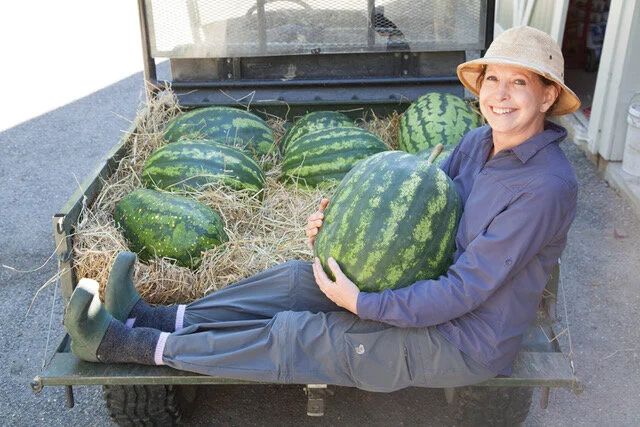
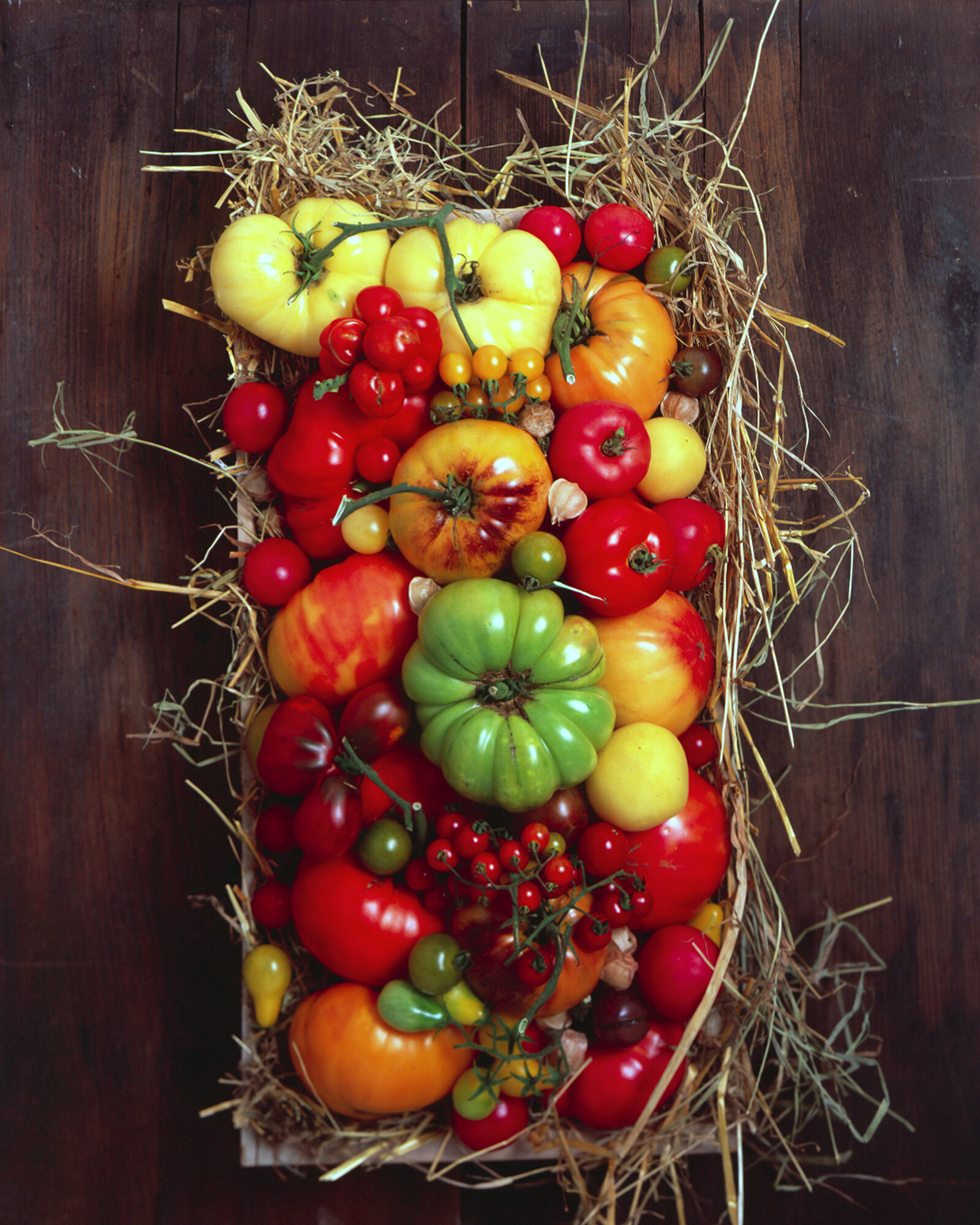
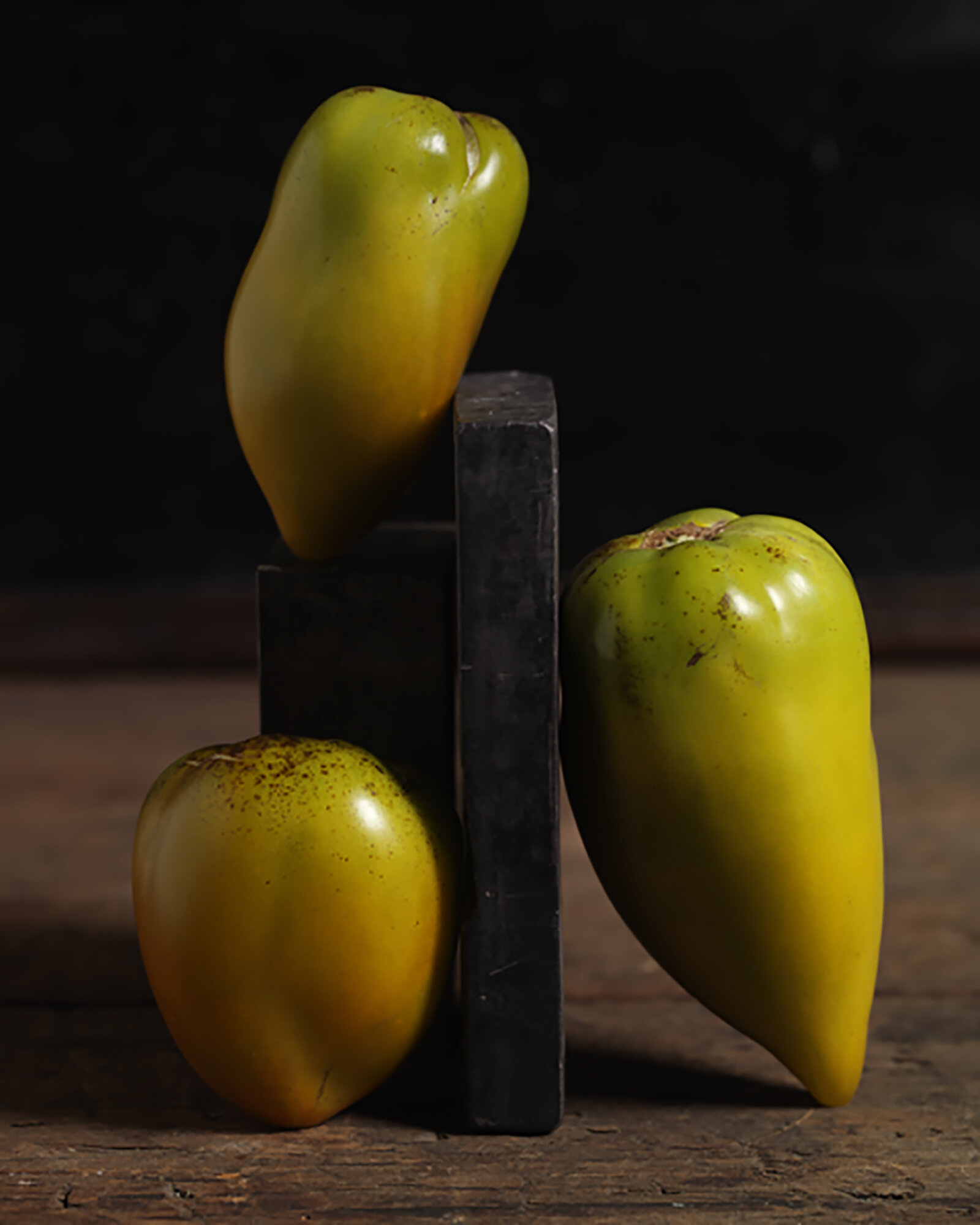
In a broadcast that originally aired on The Food Garden Life Radio Show, we chat with author Amy Goldman about growing melons, growing tomatoes, her passion for seed-saving, and about her research when writing her books The Melon and The Heirloom Tomato: From Garden to Table. Recipes, portraits, and history of the world's most beautiful fruit.
The Melon
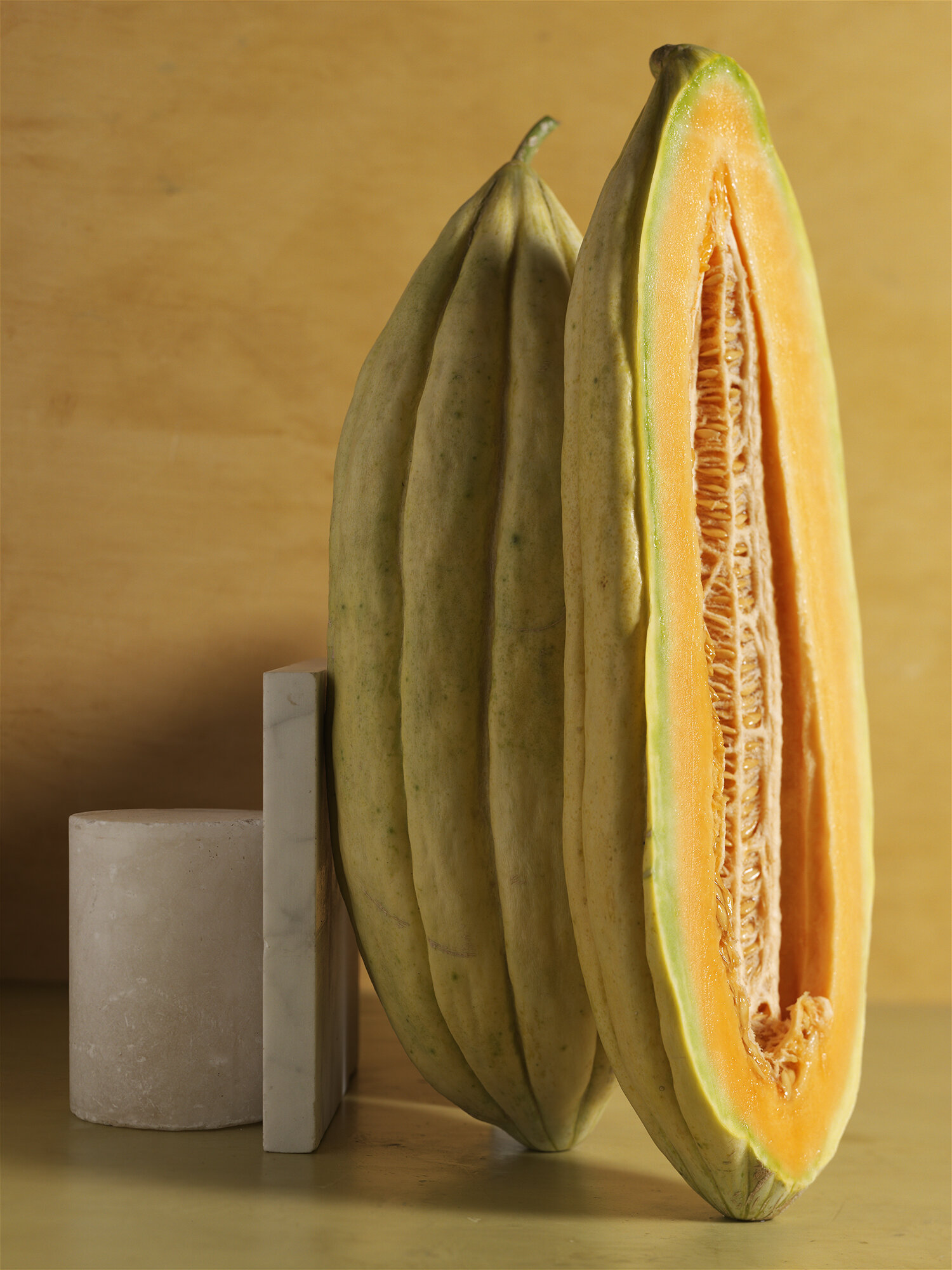
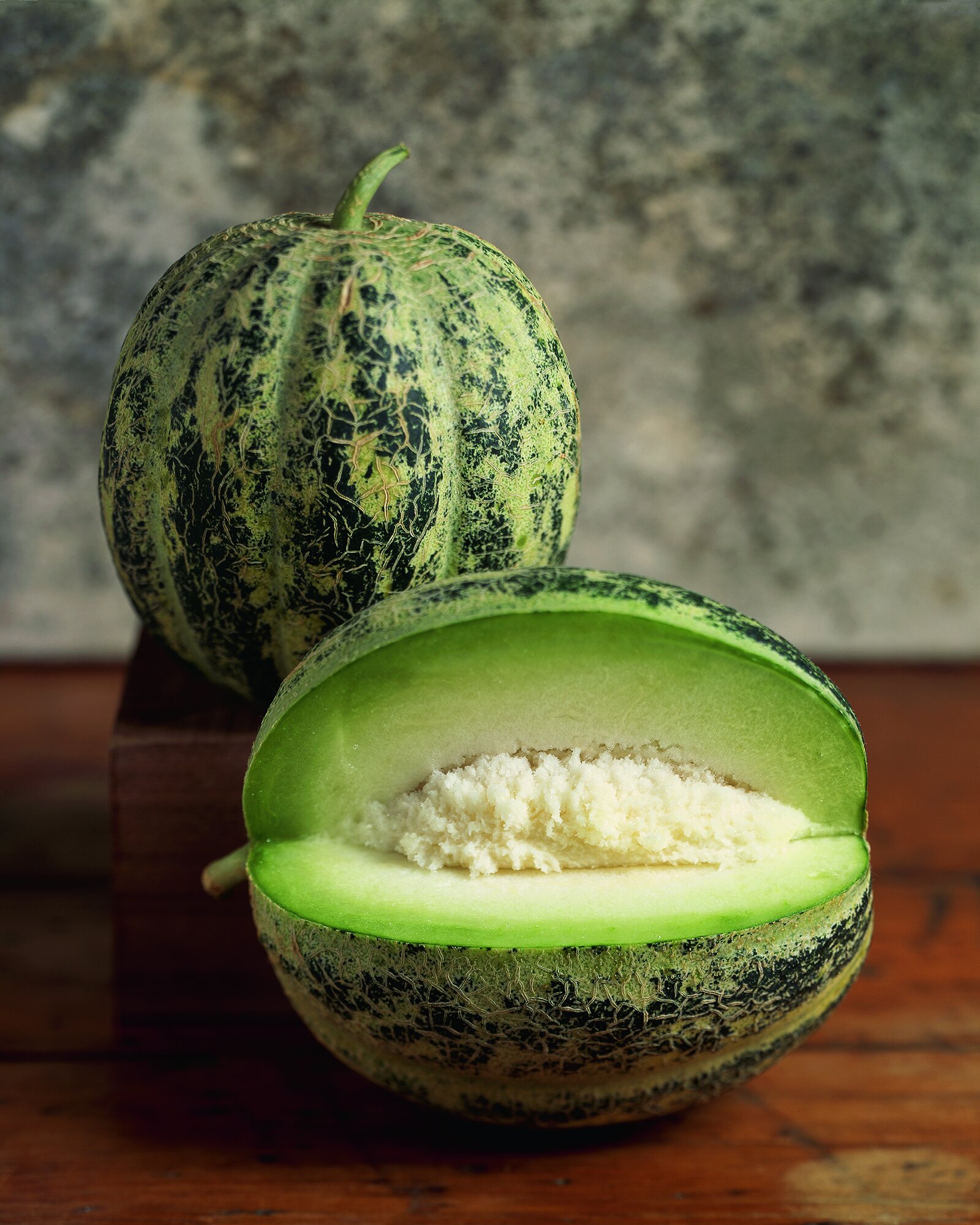
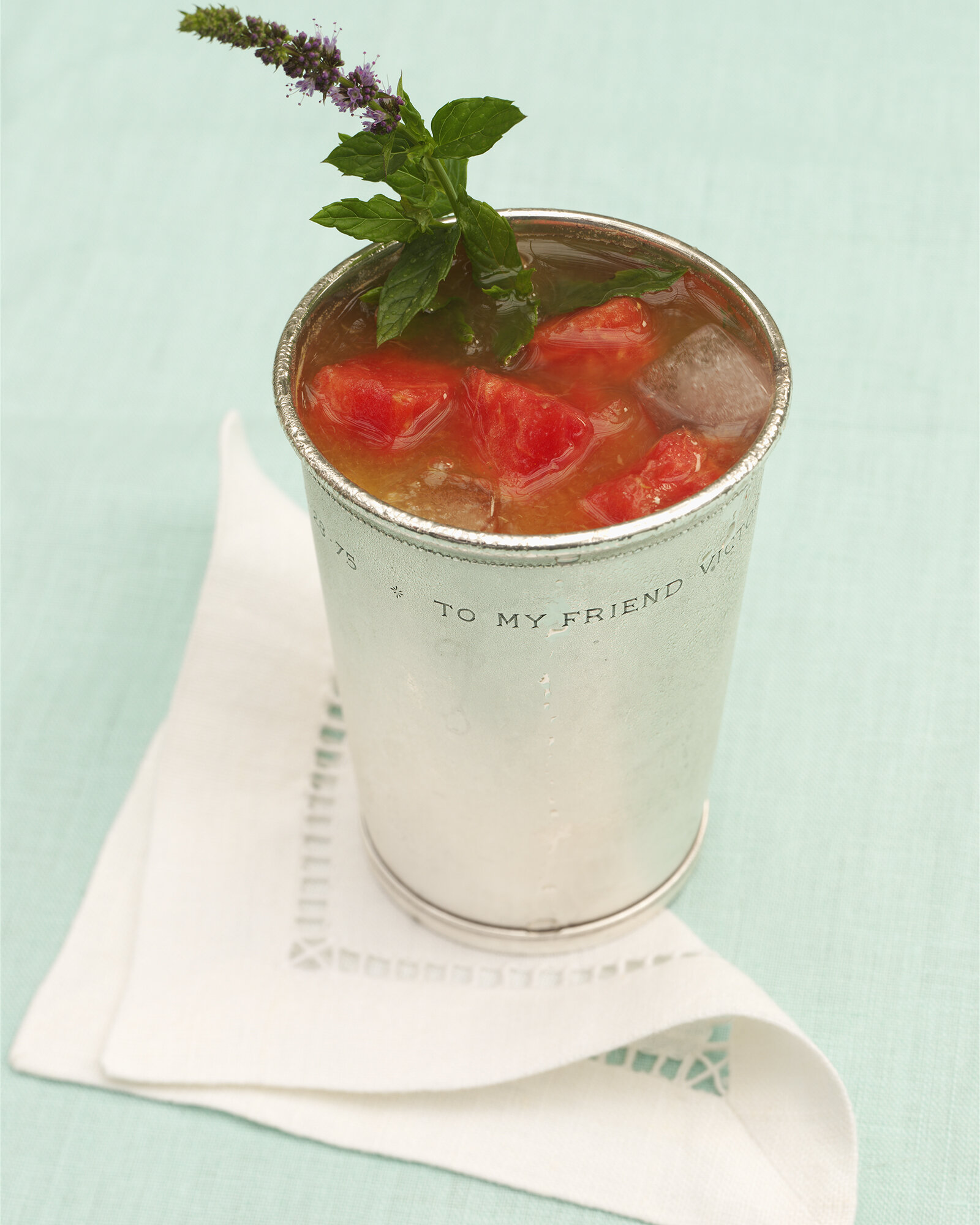
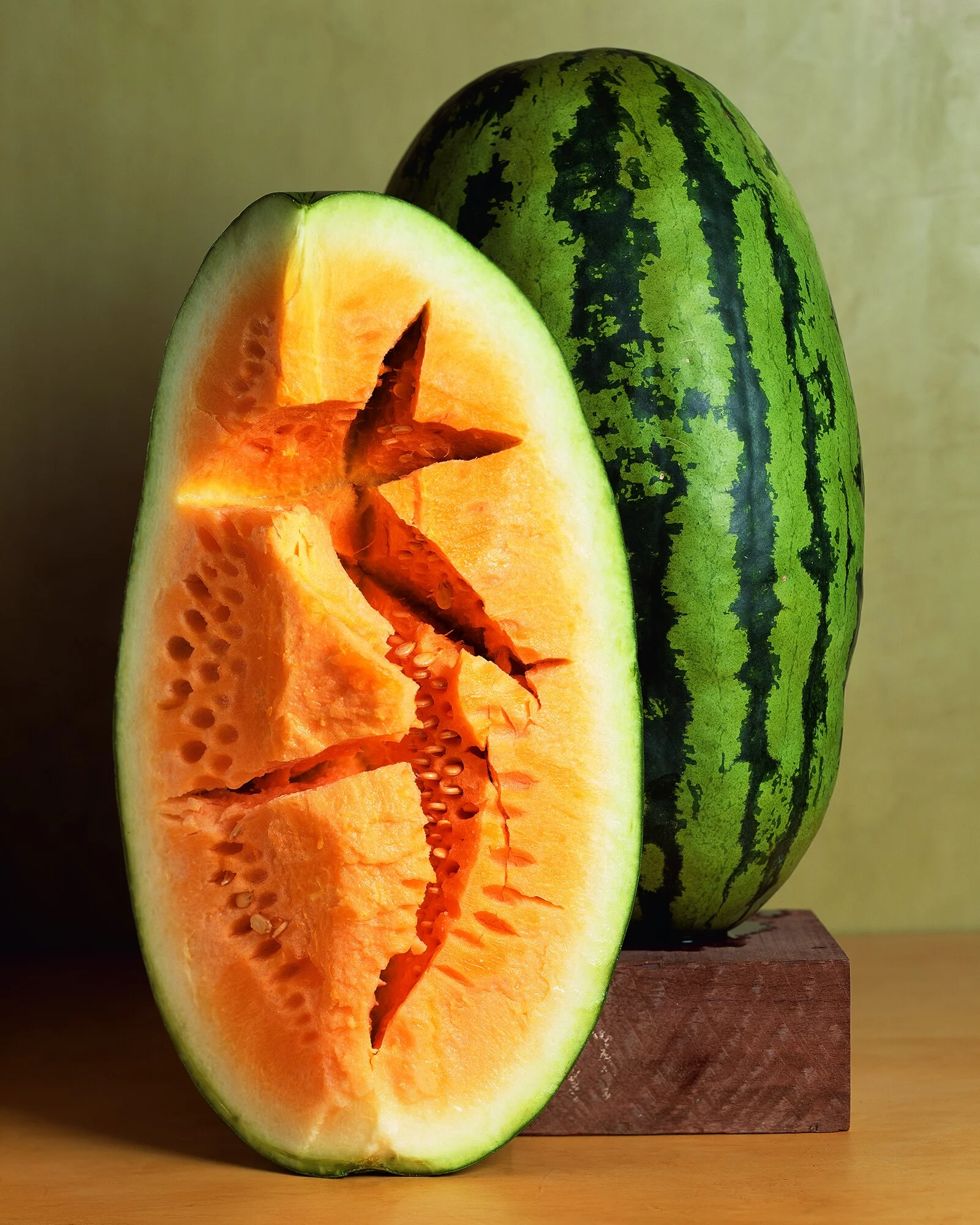
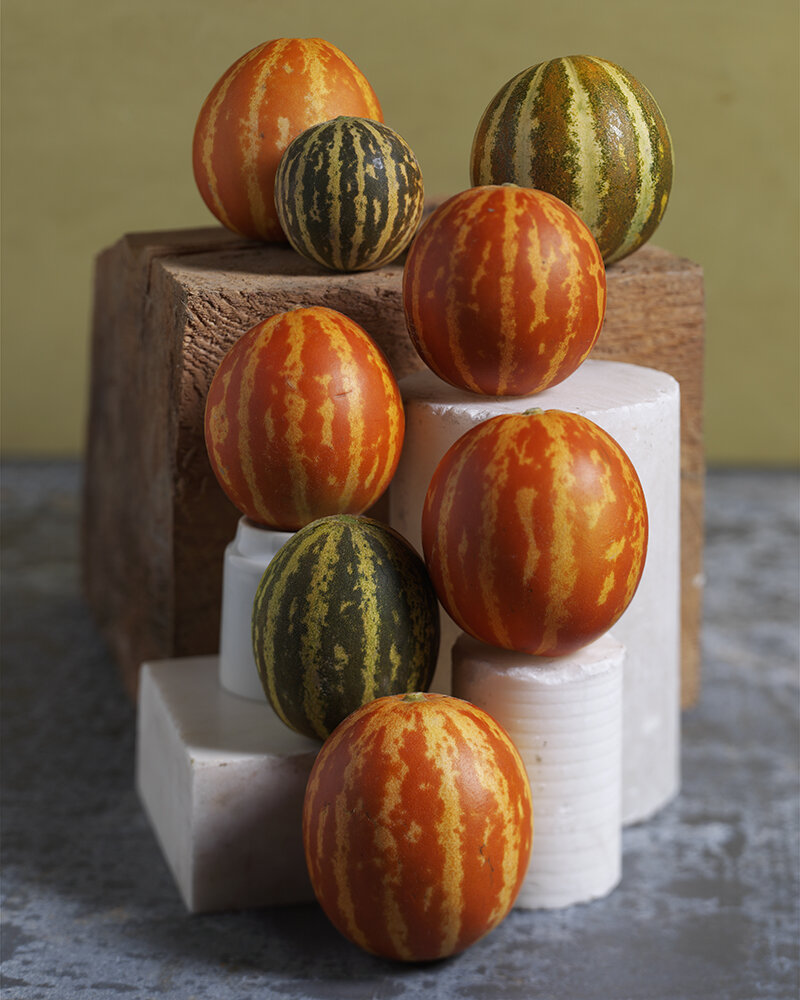
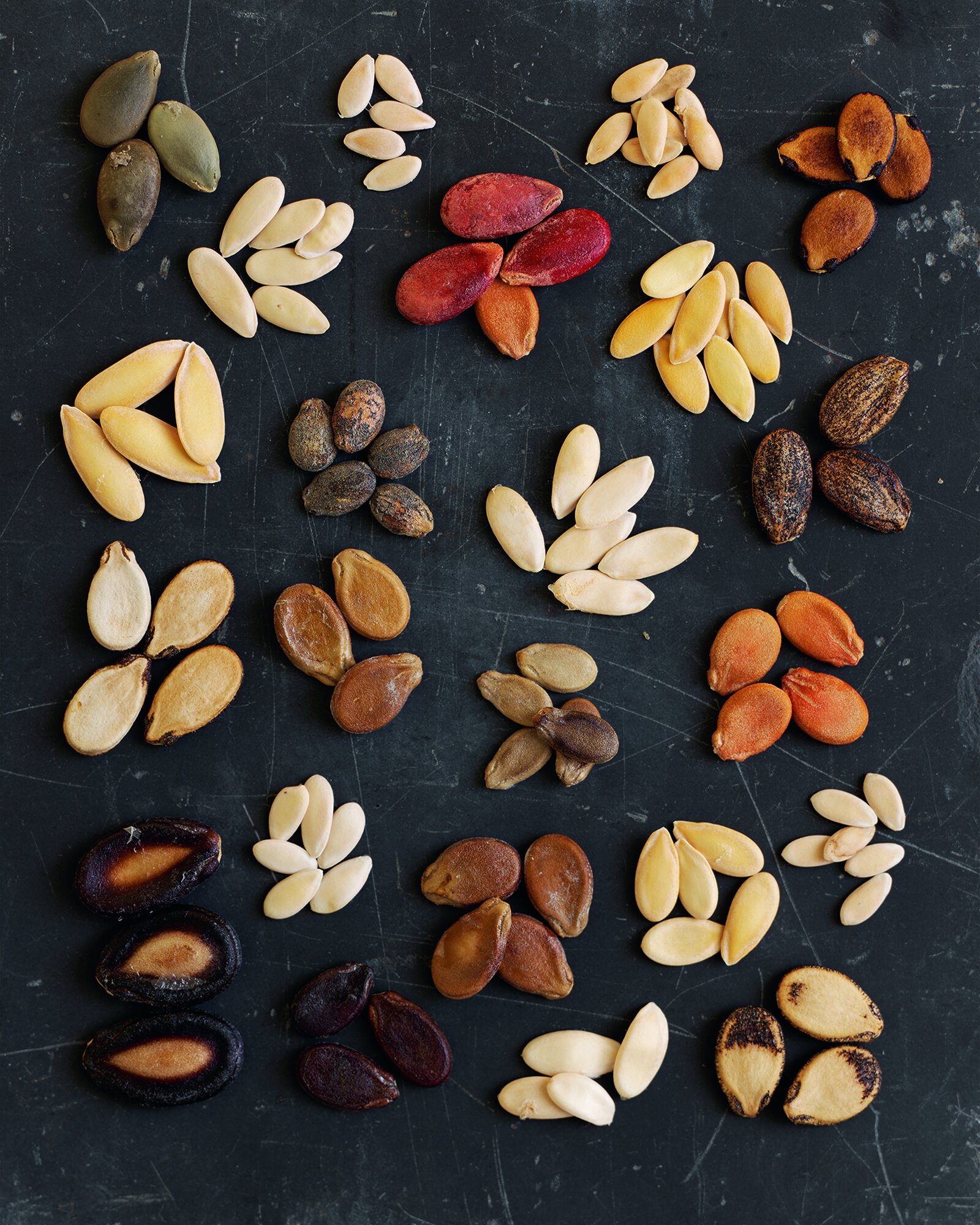
Goldman took nine years to write this tribute to melons that is filled with mouth-watering pictures and information about selecting varieties, growing, seed-saving, and melon recipes.
She explains that when writing the book, she would set aside the best specimens for photographs—and she and photographer Victor Schrager would then enjoy eating them after the photo shoot.
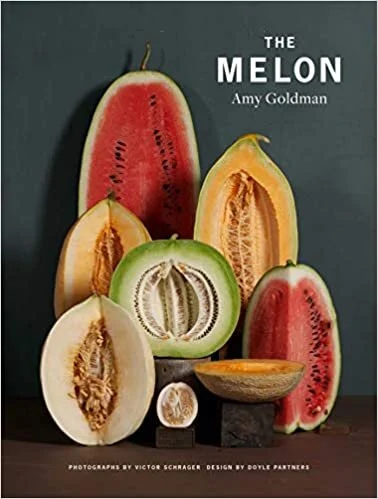
“When we were doing the melon book we would photograph the specimens and then have a feast afterwards.”
Did you know that charentais melons are the true cantaloupes; and that they’re different from the American muskmelons that we mistakenly call cantaloupes?
Goldman says that she babies her melon plants by starting the seedlings indoors, using a black plastic mulch over the soil, covers young melon plants with row covers, and waters judiciously.
Her advice on eating melons? “They’re meant to be shared.”
Images from The Melon
Heirloom Tomatoes
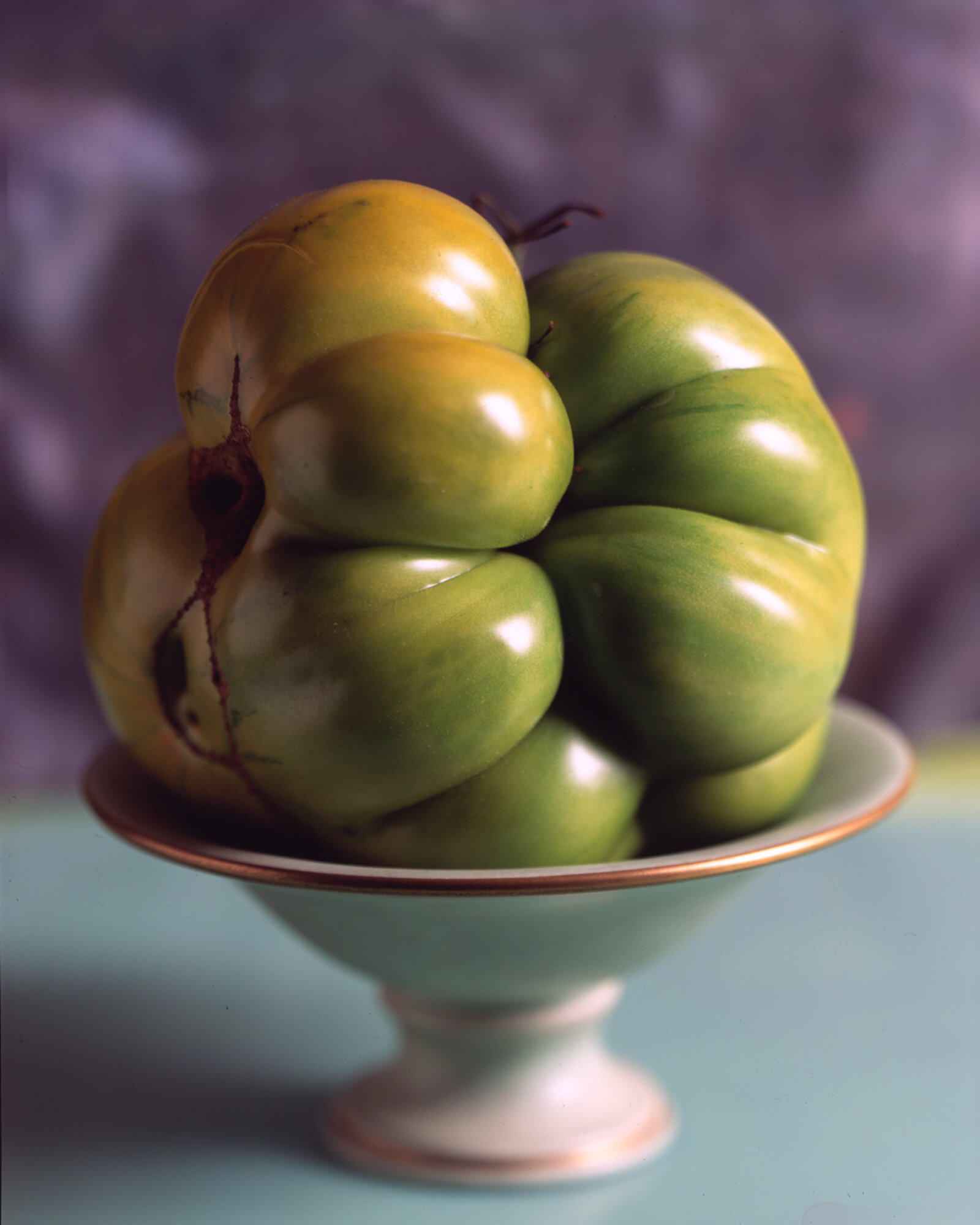
Was the original Brandywine tomato pink-fleshed with a potato-like leaf or red-fleshed with regular leaves? “This is something that only a gardening nerd would care about,” says Goldman. (Incidentally, it’s the latter.)
“Doing the detective work was half the fun of that book!”
“There’s nothing in the world like a homegrown tomato ripened in the full sun. There’s nothing like it,” she says.
Images from The Heirloom Tomato: From Garden to Table


Seed Saving
Goldman is passionate about seed-saving and sharing and perpetuating heirloom varieties. For gardeners new to seed saving, she recommends a book called The Seed Garden, from The Seed Savers Exchange.
“It’s the bible of seed saving.”
Biggs-on Figs Segment
Pennsylvania fig grower Ross Raddi joins us in the Biggs-on-Figs segment to talk about three fig varieties he recommends for gardeners who are growing figs for the first time.
Celeste
Violette de Bordeaux
Hardy Chicago
More on Tomatoes
Community Compost Exchange Program Makes Food Accessible

Paige Lockett from PACT talks about garden-based experiential learning.
We chat with Paige Lockett, the director of operations for The PACT Urban Peace Program in Toronto about garden-based experiential learning for at-risk you and about a Community Compost Exchange Program.
Garden-Based Experiential Learning
Through its Grow to Learn partnership with the Toronto District School Board, PACT provides experiential garden-based learning at three gardens and one orchard located on school properties.
The gardens are used to teach subjects as diverse as English as a second language to carbon sequestration. Lockett says that the vermicomposting program is especially popular.
Community Compost Exchange Program
The community compost exchange program provides participants with bags in which they can contribute home kitchen waste for composting. In exchange, they are given “PACT dollars” that can be used to purchase fresh produce at the PACT produce market.
REWIND: Growing Giant Pumpkins and Giant Tomatoes
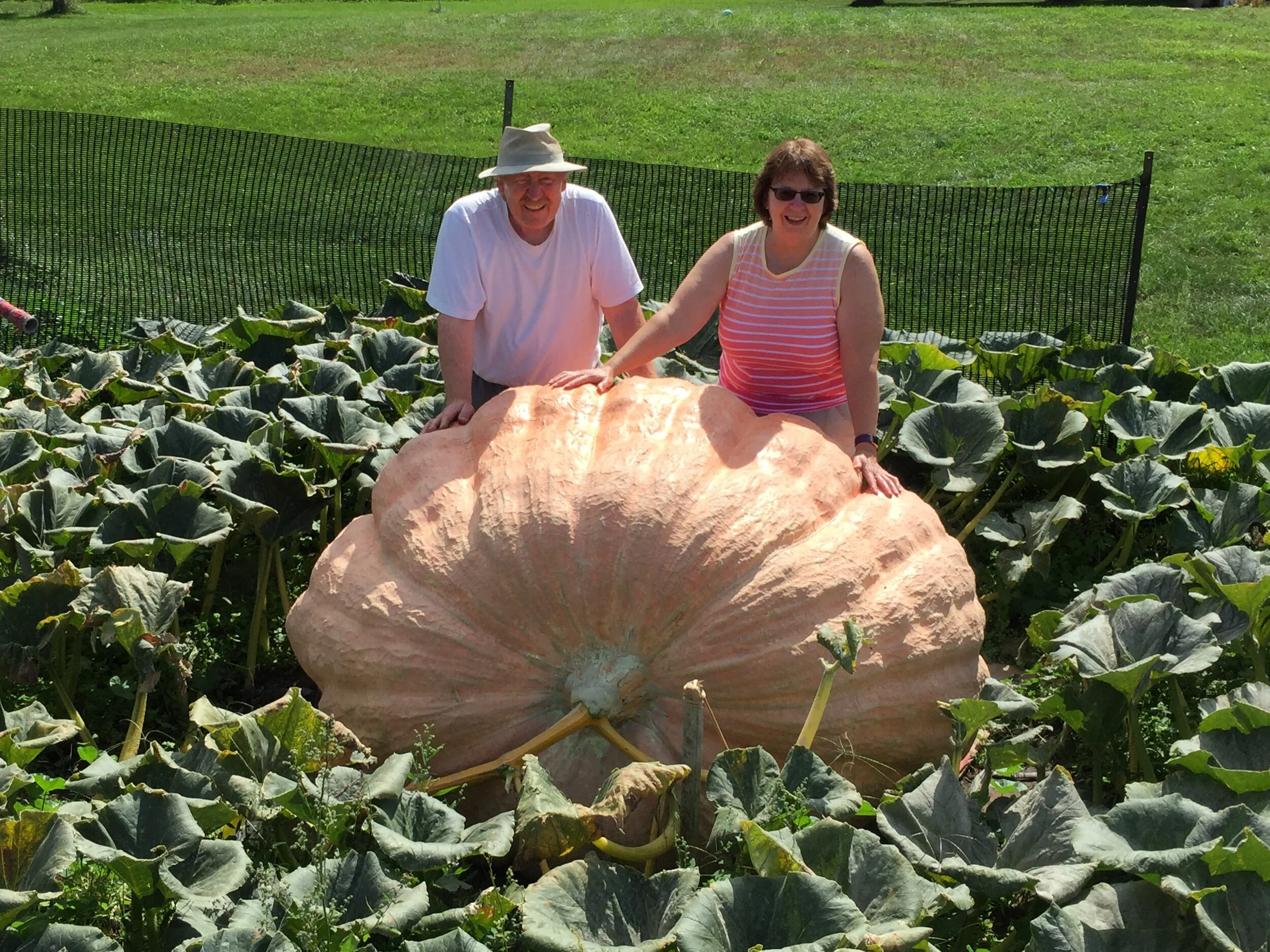
Phil and Jane Hunt
In this interview that first broadcast live on the radio show in 2018, we chat with Phil Hunt from the Giant Vegetable Growers of Ontario (GVGO) about growing giant pumpkins and giant tomatoes.
Hunt and his wife, Jane, grow giant vegetables near Lindsay, Ontario.
We first spoke with them when they shared giant-pumpkin-growing tips for our book Gardening with Emma. After seeing them on the news in 2018—for growing a record-breaking giant pumpkin—we invited them onto the show to share tips.
After showing their giant pumpkins at competitions, they collect seeds from them, and then put them on display on their front lawn when neighbours can see them. Hunt says they carve the pumpkins for Halloween—and there are local children who have come years after year to see their carved giant pumpkins.
Grow Giant Pumpkins and Tomatoes
Hunt says that the first thing to think about is getting the right seeds. He recommends joining a club.
The Hunts’ pumpkin plants start off outdoors in tunnels, with ground heated by heating cables.
In the heat of summer, plants can require 75-100 gallons of water per day!
They hand-pollinate the flowers, covering flowers to prevent insects from pollinating.
“Every pumpkin we do is hand pollinated.”
Phil Hunt’s Top 2 Tips for New Giant Vegetable Growers
Get seeds with good genetics
Speak with giant vegetable growers who can give you guidance
“There’s no stupid questions.”
More on Tomatoes
A Community Pulls Together to Save a Garden

Nathan Larson, Director, Cultivate Health Initiative
We chat with Nathan Larson, Director of the Cultivate Health Initiative in Madison, Wisconsin.
A Community Space
When we visited Madison in summer 2019 to attend the National Children and Youth Gardening Symposium, Larson gave us a tour of a wonderful community garden—the Troy Community Garden.
There are currently about 100 families growing food there…although at one point it looked as if the land on which the garden stands would be sold off for a housing development.
“It was a much-loved open space.”
Larson talks about how people and groups pulled together to find a way to save the space.
“It’s one of those inspirational stories of a group of neighbours that got together.”
The plot of land was reimagined to include:
community garden plots
an urban farm with a CSA
a kids garden
some housing
a tall-grass prairie restoration project
a food forest
Garden-Based Learning for Children
When we visited the Troy Community Garden, we were struck by signs for a “worm city” and the “mud pie kitchen.” Larson is passionate about garden-based education.
The garden now includes a pizza oven that is used for weekly nights, along with music.
He is the author of Teaching in Nature's Classroom: Principles of Garden-Based Education and serves on the advisory council for the School Garden Support Organization Network, along with the Wellness Advisory Council for the local school district.
Cultivate Health Initiative
The Cultivate Health Initiative is a joint public-health project of Rooted and the Environmental Design Lab at UW-Madison to grow and sustain the school garden network and movement in Wisconsin.
A Garden Space Built for Sharing

Sarah Dobec is the Carrot Green Roof Coordinator
We check in with Sarah Dobec, the co-ordinator of the Carrot Green Roof, an inspiring rooftop garden that we visited for the first time earlier this year.
Dobec explains that this unique community space was originally imagined by architects and landscapers—and also by artists and community members.
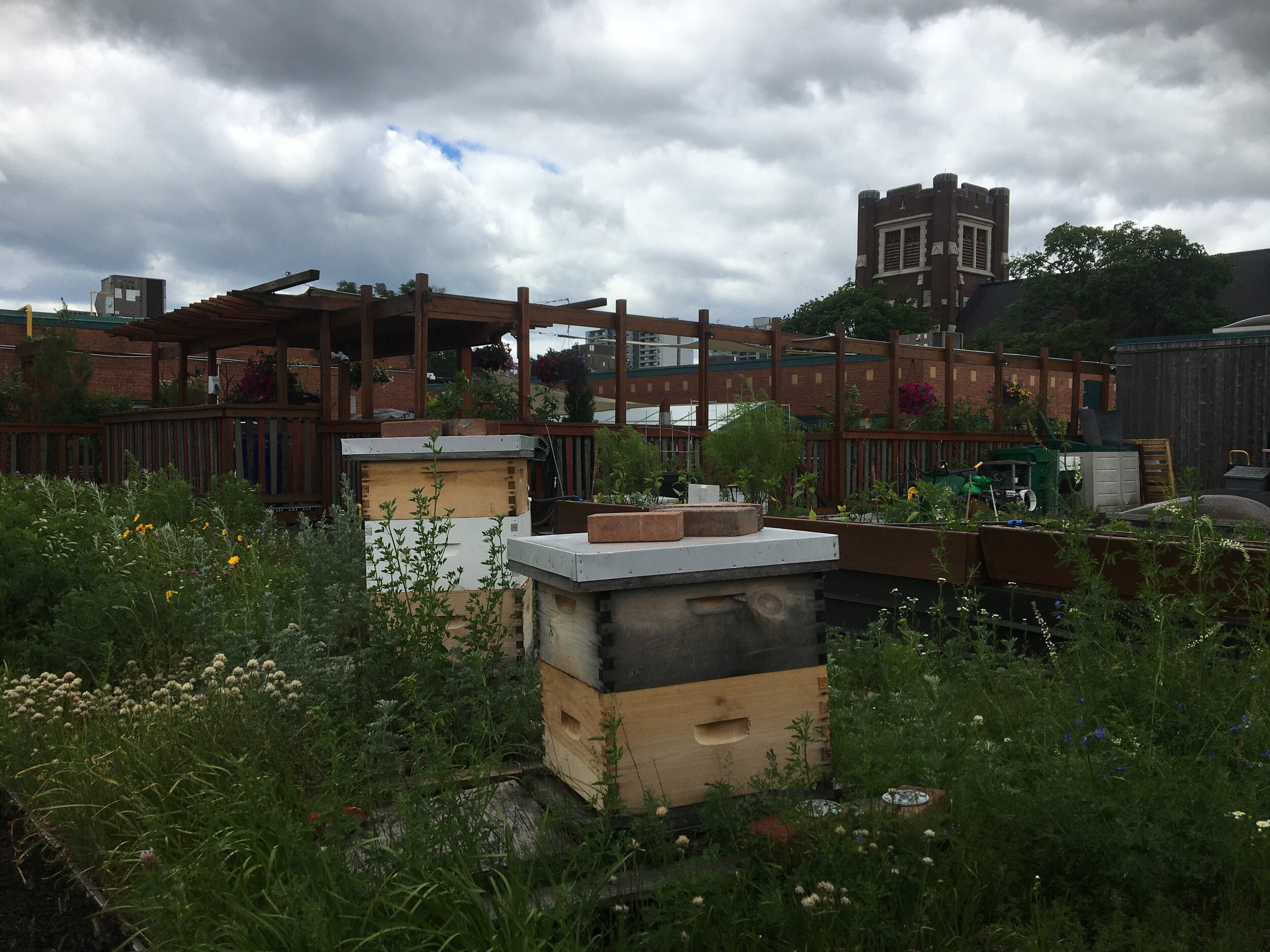
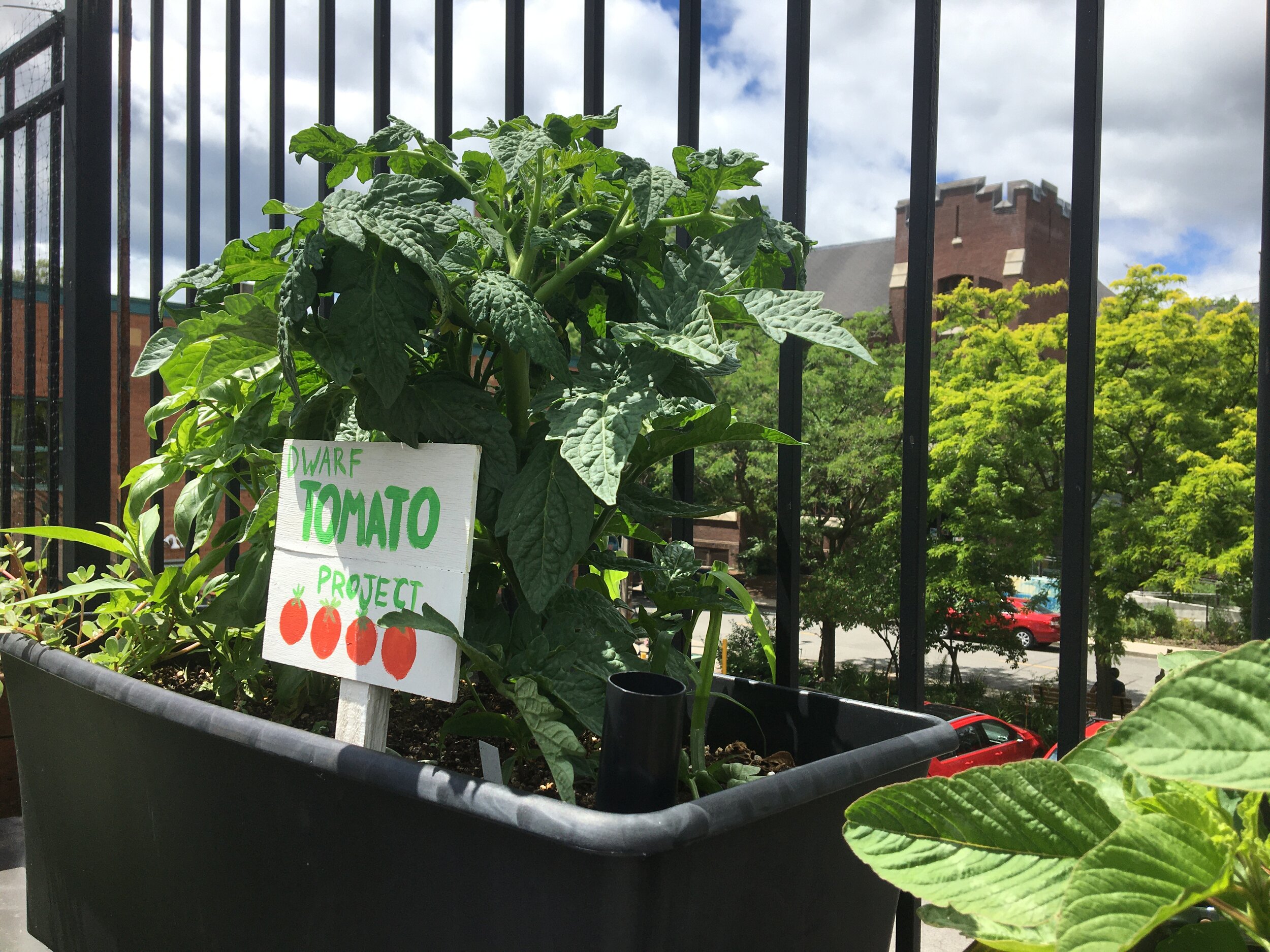
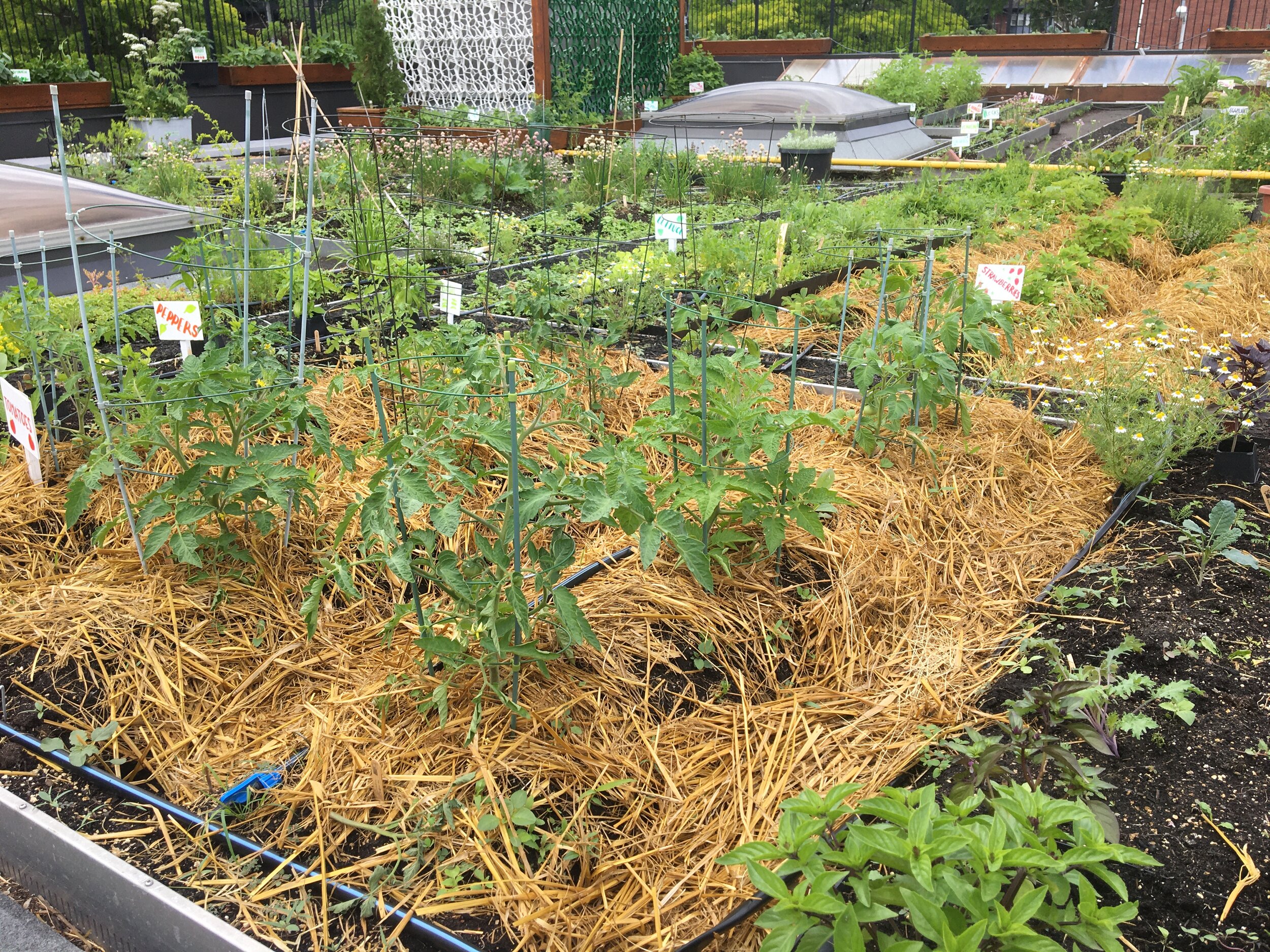
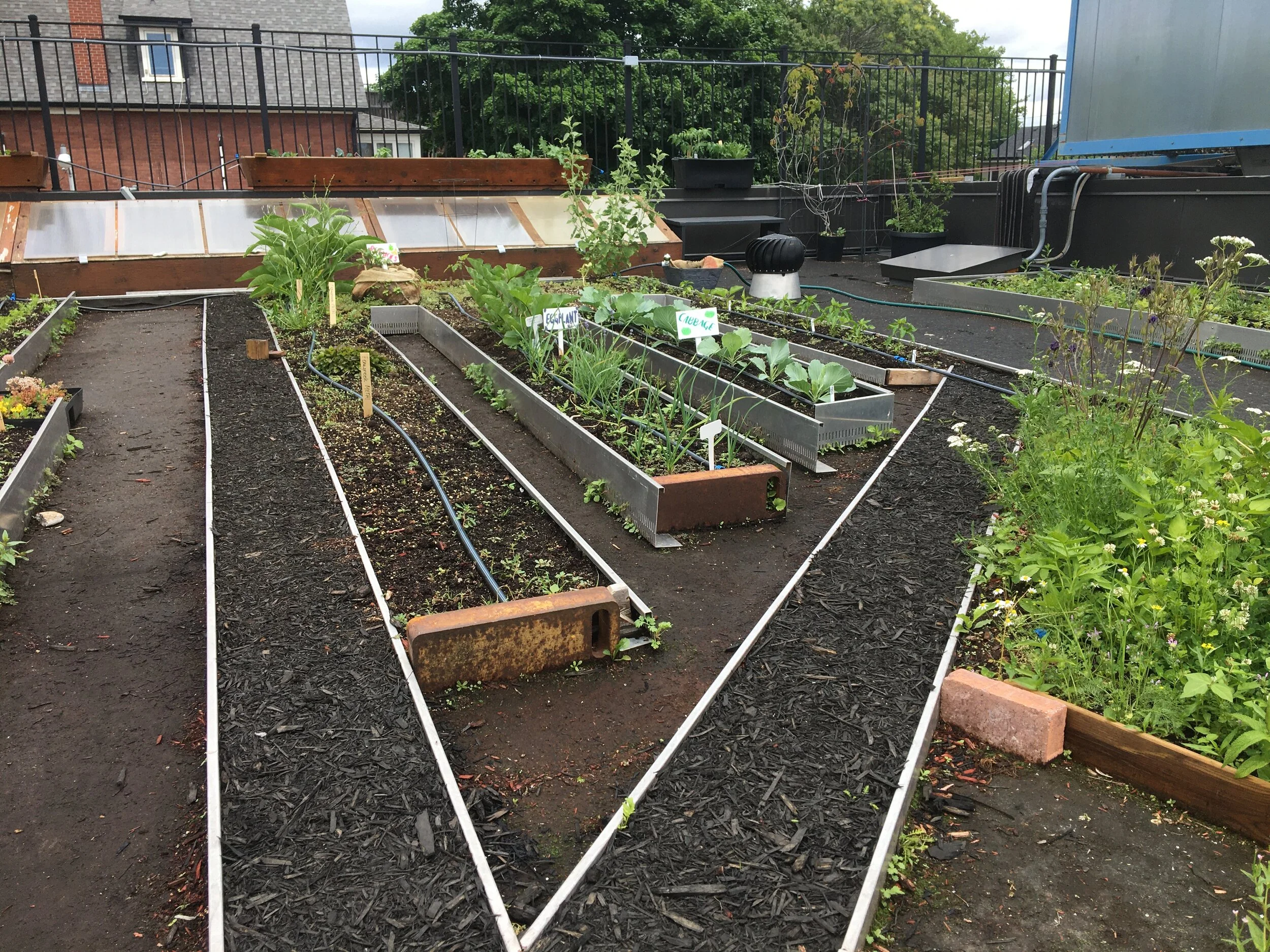
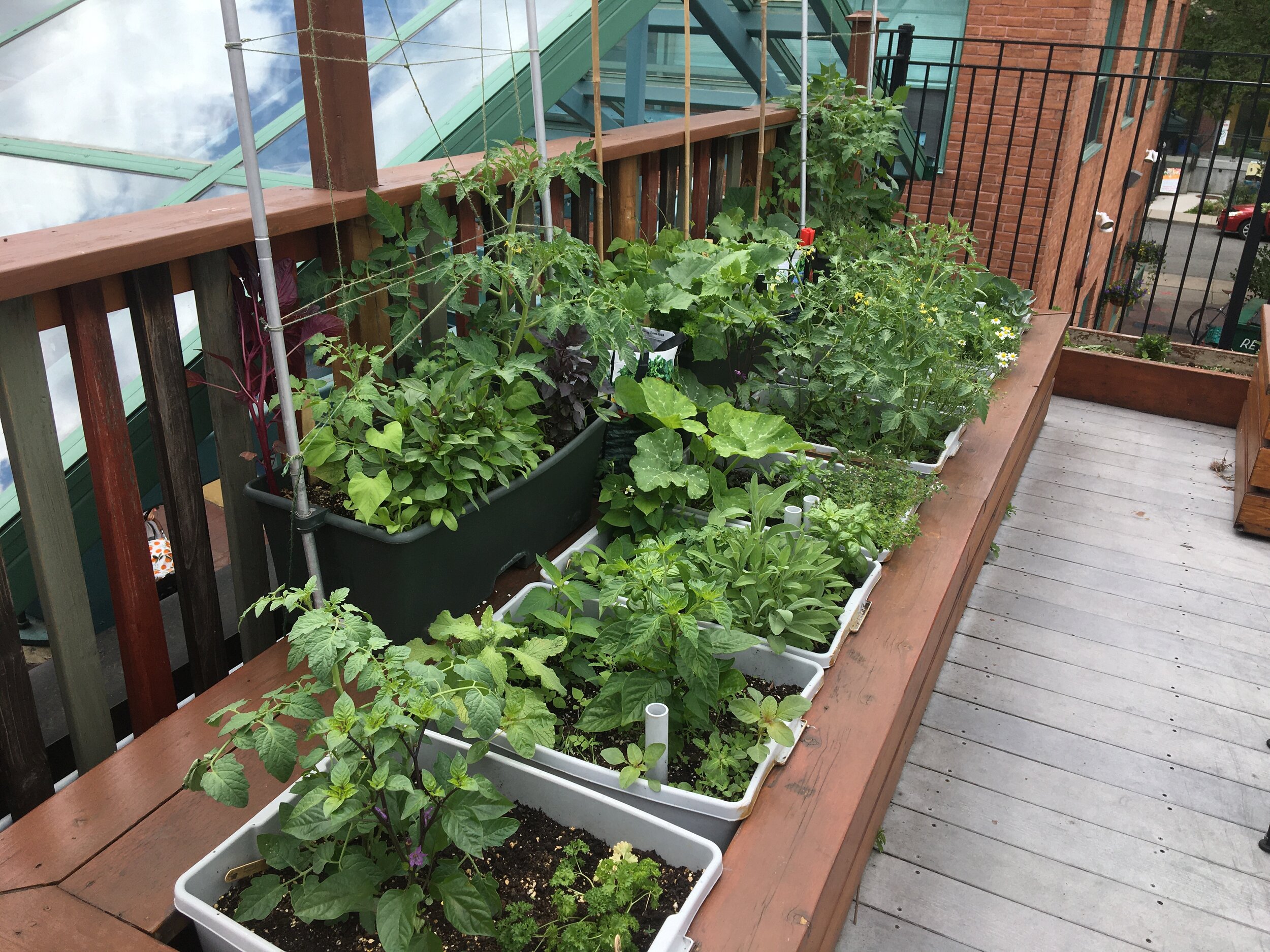
Of the approximately 8,000 square feet on the rooftop, approximately 2,000 square feet is used to grow food. There is also a meadow garden, bee hives, and a low-growing area with sedums.
This year, because of the pandemic, more space is devoted to growing food.
A Community Space
The community space on the roof, which includes tables, chairs, and a food preparation area, is used to bring people together. Dobec says that the space is rented out for private functions—and is provided for free for those sharing knowledge that fits in with the values of the Carrot Green Roof.
“The space was built to bring people together.”
The programming in the community space is different every year. Dobec recalls one year when a group performed a play on the roof, using the garden space all around the community space in which to perform.
“They used the whole garden space to have a play.”
Connecting Food and Community
“This past Friday we harvested 34 pounds of food.”
The 34 pounds of food harvest this past Friday went to a nearby market.
The Carrot Green Roof has partnered with Building Roots, a social venture with a focus on providing access to fresh food.
Building Roots sells the harvest in pay-what-you-can baskets at Toronto’s Moss Park Market. “Everything that we harvest off our roof goes to them,” she says.
Challenges of Rooftop Growing
Weight is an important consideration for a rooftop garden. Because of that, many parts of the garden have only 4” of soil.
Dobec says that she didn’t hold out much hope this spring for the cabbages, planted in a mere 6” of soil. But they’ve done extremely well.
Tantalizing Tomato Harvest Recipes

Gardener and chef Signe Langford shares tips for cooking homegrown tomatoes.
We get an update from gardener, chef, and author Signe Langford on her hay-bale garden, and then talk about tips for using fresh tomatoes in the kitchen.
Langford, the author of the book Happy Hens & Fresh Eggs: Keeping Chickens in the Kitchen Garden, has joined us on previous episodes to talk about keeping chickens and growing vegetables in hay bales.
Cook Homegrown Tomatoes
Langford suggests using fat to soften the acidity of fresh tomatoes. She likes mayonnaise, olive oil, or butter.
Some people use sugar to soften the acidity…but she prefers fat—and says her favourite fat to use with tomatoes is with butter.
“It’s a lovely way to soften the acidic bite of a tomato sauce.”
For a quick, easy tomato sauce, Langford suggests mashing fresh tomatoes, adding basil, and butter (a “generous knob” of butter). Add salt and pepper, and then heat and serve.
“Fresh tomato sauce is a wonder.”

Langford suggests rubbing the fresh tomato against grilled bread to capture the tomato flavour in the bread.
Using Bread with Tomatoes
Bread, she says, is part of the “Holy Trinity” of enjoying tomatoes. The other two ingredients are cheese and the tomato itself.
Langford’s bruscetta tip: For the best bruschetta, use fresh basil—and fry the bread in olive oil.
Soggy Sandwich? Langford says a common failing in a tomato sandwich is that the bread gets soggy from the liquid in the tomato. The simple solution is…more butter. The butter (or mayo) she explains, is a barrier that keeps the bread from absorbing the juice and prevents a sandwich from becoming a soggy mess.
Slices of grilled bread are perfect for serving tomato. Rub tomato against the grilled bread before topping it because the bread acts like a microplane, capturing tomato flavour as the tomato rubs against it.
More on Tomatoes
A Passion for Growing Food in Philadelphia
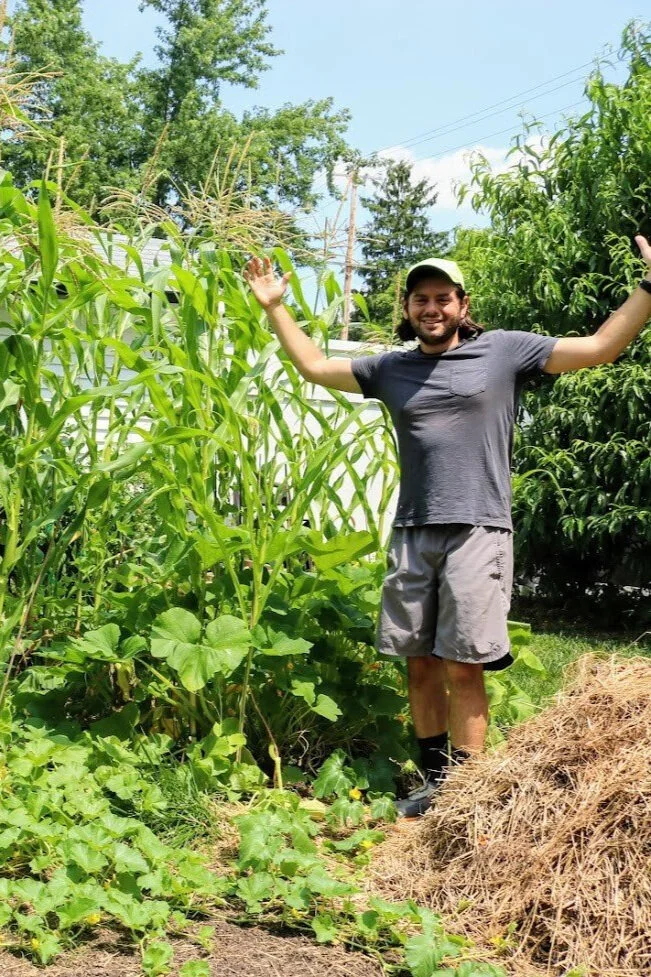
We chat with Millennial gardener Ross Raddi in Philadelphia. He balances a very intensive approach to food gardening with the need to share the yard with his family—who want grass.
Raddi has previously joined us on the Food Garden Life Show to talk about his passion for growing fruit, and about his passion for growing figs. He goes by the nickname “Fig Boss.”
Intensive Suburban Food Garden
Raddi finds that vertical gardening is an important part of maximizing his use of space. “Grow everything vertically if you can,” he advises new gardeners.
He grows one tomato plant per square foot—and trains them upwards, pinching back to a single main stem.
“I think there’s a big misconception out there that you need a big yard to have a lot of food.”
He believes that a food garden can be attractive too. His favourite ornamental-edible combination is blueberries, persimmon, and strawberries. He says that together they creates a bed that is “stunning.”
“Those are some of the most ornamental plants that fruit!”
The Garden in 2020
Raddi says his garden got off to a slow start in 2020, but it caught up and is now ahead of where it would normally be.
This year he’s growing patty pan summer squash as a substitute for bell peppers. He would normally use bell peppers in the kitchen for stuffing—but the summer squash work well for stuffing—and give a much larger yield.
“They gave me so much more food than a pepper would.”
He is trying lots of new crops in the his fall garden, which he has now started to plant.
“When I first started, it [a garden to harvest in the fall] was a foreign concept.”
Tomato Patch
Raddi and Emma trade tomato recommendations.
Looking Ahead
Next year Raddi plants to grow at a local community garden as well as his own yard.
He will be one of the younger gardeners: The mothers of two close friends garden at the community garden. He says his friends laugh when he tells them, “Guys, I’m going to garden with your moms.”
Luay's Urban Farm and Kitchen
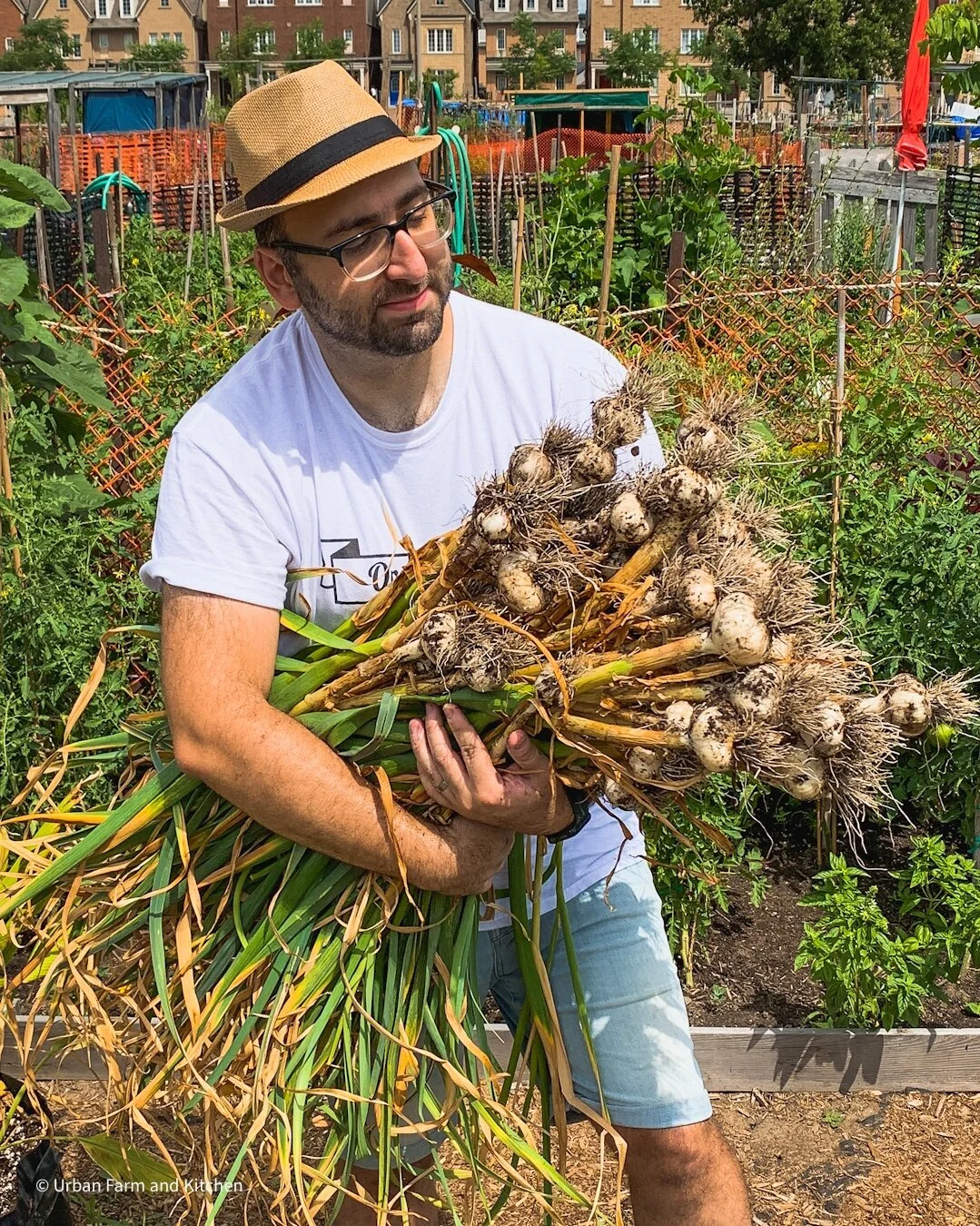
Luay loves cooking. A food garden was a natural next step to his passion for cooking.
We talk with Luay, from Urban Farm and Kitchen in Toronto, about how he started growing food, his gardens, some favourite recipes, failure, and tips for new gardeners.
His day job in the engineering industry is hectic and includes lots of travel. Gardening and cooking are his way of unwinding.
Getting into Food Gardening
Luay currently grows in his backyard and at a municipal allotment garden.
But he didn’t grow up gardening. His interest in gardening was piqued by unusual vegetables he got through a CSA subscription.
Once his interest had been piqued, he started small—with a tomato plant on his balcony.
“Gardening is a hobby that turned into a passion.”
His interest in gardening grew into a passion. He now shares that passion on social media and his website.
His backyard includes raised beds, fruit trees, and an area to eat and entertain…but he admits that potted edible plants make their way into all parts of the yard.
“I’m trying to maximize every square inch possible.”
In the Kitchen
Luay loves to cook with what’s in season. As we talk, it’s fresh tomatoes.
The kitchen is his place to unwind.
“It’s also kind of cathartic, because it’s relaxing when you’re in the kitchen and you’re just spending time on cooking and everything else fades away.”
Failure in the Garden
Luay tells new gardeners that failure is part of being a gardener.
He aims to have backup options in case something doesn’t grow in his garden. One way to do that is to keep a few extra seedlings on hand in case things don’t go as planned.
“Failure is part of being a gardener.”
Having a succession of crops to plant throughout the year is another way that he rolls with the season, the growing conditions, and the challenges of a particular year.
“Every year is different; you roll with the punches.”
Tips for New Gardeners
He tells new gardeners to start small. He finds that herbs are a great way to start small.
“It’s important to pace yourself.”
Many new gardeners, he says, feel the need to grow everything from seed. He suggests buying transplants to start.
Growing Food and Urban Gardening with Kevin Espiritu

Kevin Espiritu, author of Field Guide to Urban Gardening and founder of Epic Gardening
In this episode that originally aired live on The Food Garden Life Radio Show, we talk with urban gardener, author, podcaster, and YouTuber Kevin Espiritu from California.
Espiritu, who did not grow up gardening, explains how, after studying business, he discovered gardening.
He made the garden—and teaching people to garden—his vocation. Espiritu is the founder of Epic Gardening.
Front Yard Garden
Espiritu converted his San Diego front yard into a garden. The 15 x 30 foot space is the only sunny location he has to garden. He thinks that the garden, with its 14 raised beds, has inspired neighbours to grow.
He’s in the process of moving…and is building a garden at his new, 1/3-acre property.
Gardening and Failure
Espiritu, who considers gardening to be an ongoing learning process, says failure is normal.
But he says that with gardening, it’s often necessary to wait for a year before trying again after a failure—so he documents his failures so that he can remember them and learn from them.
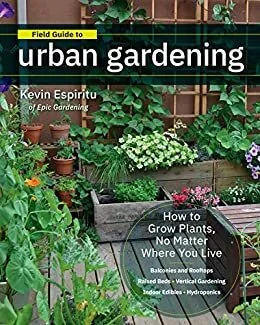
Field Guide to Urban Gardening: How to Grow Plants, No Matter Where You Live, by Kevin Espiritu
Field Guide to Urban Gardening
He says that he wrote his book, Field Guide to Urban Gardening, in a way to help people who have never gardened before.
Rather than telling people how to garden, he guides them through what to consider as they create a garden.
Tomato Talk Segment
In the Tomato-Talk segment, Emma talks about the harvest at Zawadi Farm, along with challenges and top varieties in her own test garden.

Jeff Quattrone grew up in South Philly where he says most yards had a fig tree.
Biggs-on-Figs Segment
Jeff Quattrone from New Jersey tells us about growing up in a family with a fig tree in south Philadelphia, where he says about 90% of the yards had a fig tree.
“My family tree is literally a fig tree.”
Jeff previously joined us on the podcast in June, 2020 to talk about his work in seed saving. Click here to hear that episode.
In Quattrone’s own family, his cousin Gregorio grew a fig tree that was brought from the family’s home town in Calabria.
“We always had figs.”
REWIND: Grow Fruit in Cold Climates, PART 2

In part 2 of a program first broadcast live on the radio show in 2018, we continue our chat about growing fruit in cold climates with Dr. Ieuan Evans, a forensic plant pathologist and a former Provincial Plant Pathologist for Alberta Agriculture.
Along with his work in plant pathology, Evans is passionate about growing fruit in cold climates.
In this segment, he talks about edible mountain ash, plums, pears, apples, damsons, and apricots. And we talk about how he grows figs in Edmonton.
“Growing fruit on the prairies is not a problem at all—you just have to take a new angle.”
Fruit Varieties for Cold Climates
Evans says there are many cold-adapted and delicious varieties of plums, apples, pears, and apricots suited to his zone.
But because he does not live in a fruit-producing region, it’s up to amateur growers to promote and share the varieties.
“I could take you to gardens here where the plums are superior to anything you could buy in the store.”
He notes that many people think sour cherries are inferior to the less cold-hardy sweet cherries. To that he says:
“ A sour cherry’s got all the flavour…It’s like comparing water to wine.”
Edible Mountain Ash
While mountain ash is normally grown as an ornamental tree, Evans has found and shared a columnar variety of mountain ash with sweet, edible fruit.
Grow Figs
Evans talks about his fig plants, which he grows indoors under a skylight over the winter.
Greenhouse
In addition to growing cold-adapted fruit varieties outdoors, Evans grows more tender crops, such as his ‘Red Haven’ peaches, in pots in his greenhouse.
Urban Farming to Grow Social Change

Jessey Njau and Misha Shodjaee of Zawadi Farm
Toronto urban farmers Jessey Njau and Misha Shodjaee join us to talk about their journey into growing food and using food and farming as a tool for social change.
Zawadi Farm
Their farm, Zawadi Farm, began on land provided by a local garden centre.
They now farm Njau’s yard, other yards in their neighbourhood, as well as space at Toronto’s Downsview Park, which has land dedicated to urban agriculture.
(This year, Emma is helping manage the Zawadi Farm tomato crop at Downsview Park. Follow Emma on Instagram to see harvest pictures.)
The Path to Growing
Njau explains that he was deeply inspired by Vancouver urban farmer Michael Abelman, who uses urban farming as a way to build community and effect social change.
Looking Ahead
Success for Shodjaee and Njau is growing an interest in food production—not growing the amount of space they cultivate.
“We want to be able to grow farmers.”
Broken Crayons Still Colour
Njau explains the significance of the phrase on their sweaters, “Broken Crayons Still Colour.”
“Soil doesn’t ask you questions … I don’t care if you had a broken past.”
Summer Vegetable-Garden Check-in with Niki Jabbour

Niki Jabbour, author of The Year-Round Vegetable Gardener, Groundbreaking Food Gardens, Veggie Garden Remix—and her latest book, Growing Under Cover (available for pre-order now)
We chat with garden expert and author Niki Jabbour in Halifax, Nova Scotia to find out what’s new in her vegetable garden this summer, how things are growing, and for tips for new gardeners.
Her top advice for people who want to start growing food but haven’t started this year:
“There’s lots of things you can still plant, even in the coming weeks—so don’t think that you’ve missed the boat!”
Greenhouse versus Garden
Her greenhouse tomato plants are a good two weeks ahead—and far bigger than those growing in the garden
Straw-Bale Update
Niki grows in straw bales every year. They are doing well this year…the challenge in this hot summer is keeping them well watered
Fun Crops
Ever heard of ‘Itachi’ cucumber or ‘Black Kat’ pumpkin?
Succession Planting
Niki has lots of ideas for succession planting from this point onwards, including carrots, beets, and winter radishes

Growing Under Cover by Niki Jabbour
New Book
Niki’s new book, Growing Under Cover: Techniques for a More Productive, Weather-Resistant, Pest-Free Vegetable Garden, comes out in December 2020—and is available for pre-order now!

Hi, We’re Steve and Emma!
We help people grow food on balconies, in backyards, and beyond—whether it’s edible landscaping, a vegetable garden, container gardens, or a home orchard.