REWIND: Practical Ways to Grow Fruit in Cold Climates, PART 1

In this portion of a program first broadcast live on the radio show in 2018, we chat about growing fruit in cold climates with Dr. Ieuan Evans, a forensic plant pathologist and a former Provincial Plant Pathologist for Alberta Agriculture.
Along with his work in plant pathology, Evans is passionate about growing fruit in cold climates.
He talks about some of his favourite pear and apple varieties for cold climates—varieties that he says taste much better than store-bought apples or the apples from trees sold in local nurseries.
The Evans Cherry
When Evans first moved to Edmonton, Alberta, he was told that nothing would grow there.
Yet he found an incredibly fruitful cherry growing on a derelict property near town.
He propagated and shared that cherry widely. It’s known now as the Evan’s Cherry.
Challenging Conventional Wisdom
Evans says that to successfully grow fruit in a cold climate, it’s necessary to change the rules a bit.
He suggests:
grow in a bush instead of a tree form
graft at ground level instead of above ground
don’t plant on south-facing slope; instead, plant on north-west facing slopes
pay attention to rootstock (for example, he grafts pears onto cotoneaster)
Grafting Made Simple
Evans shares his tips to make grafting simple.
He says that grafting wax is unnecessary…and a sharp utility knife will work just fine.
A Passion for Slow Food Grows into a Rooftop Garden

Laura Luciano talks to us about food, the Slow Food movement, and her own rooftop garden.
We chat with Laura Luciano, a graphic designer from Long Island. She loves to find the stories behind locally produced food and the people who grow it.
Her passion for local food grew into her own blog, a column in Edible Long Island, and, eventually her involvement in the Slow Food movement.
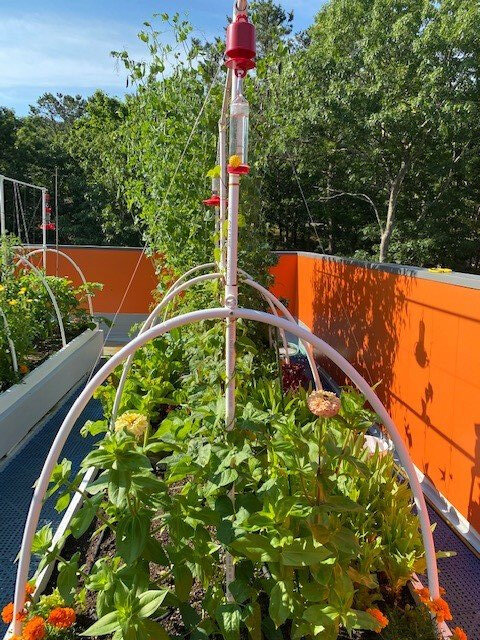
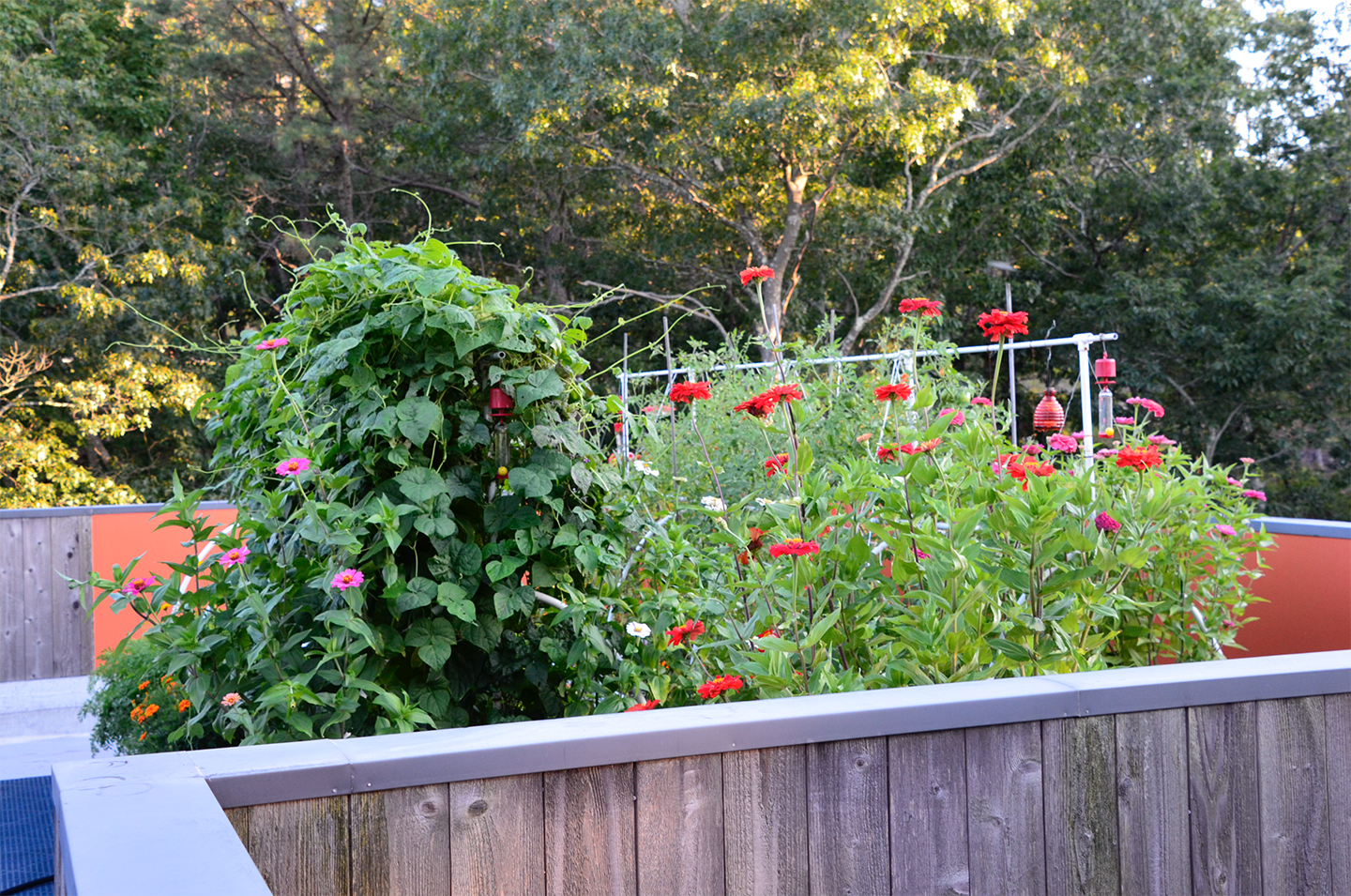
Then it grew into an interest in growing her own food. So she created a rooftop garden.
Stories Behind Food
Luciano loves the stories behind the food she cooks.
“Food has a story and it’s supposed to be cherished and told.”
Along with the stories of food, she loves the seasonality of food—and enjoys cooking according to the what’s in season.
Slow Food
She talks about the Slow Food Ark of Taste, explaining that it’s, “A living catalogue of delicious and distinctive foods that are facing extinction.” A local example of a food that’s part of the Ark of Taste is the Long Island Cheese Pumpkin.
“It’s the opposite of fast food.”
Luciano is a Slow Food Governor for New York, and a board member for Slow Food USA.
A Rooftop Garden
“When I got started I did not have a green thumb at all.”
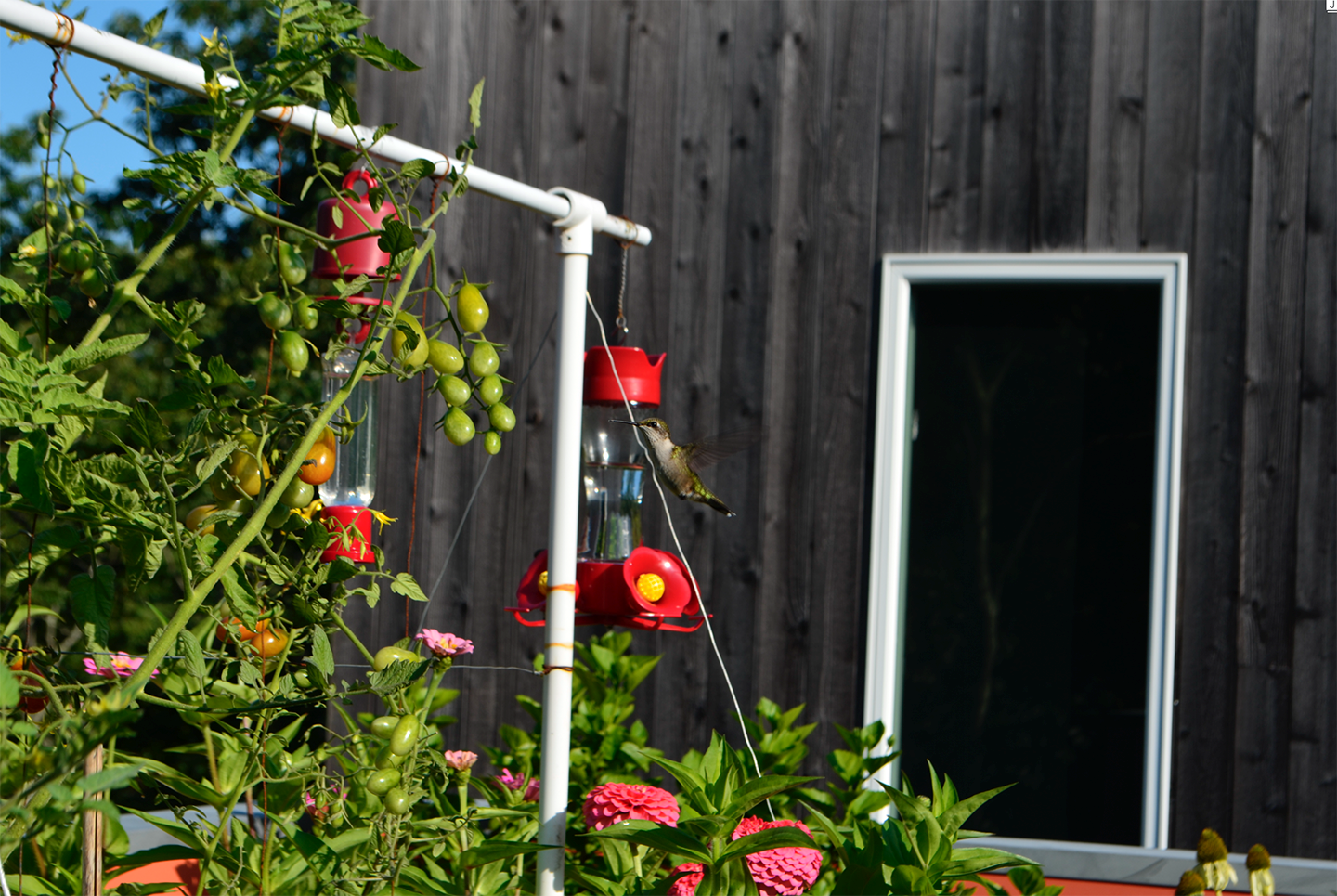
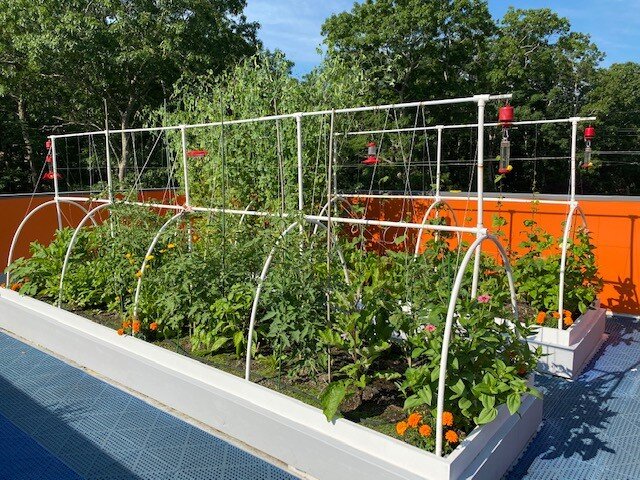
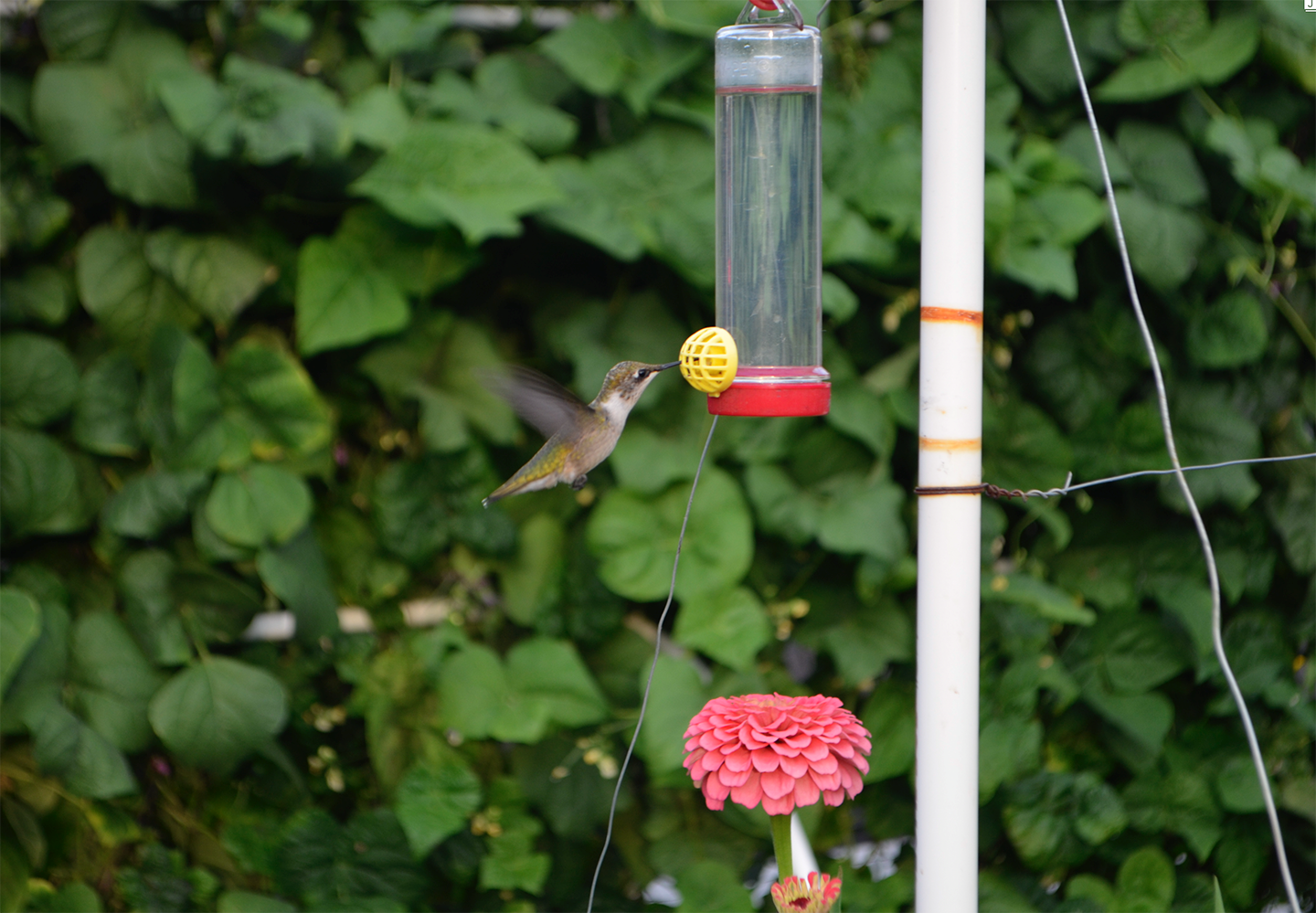
Luciano, who is new to gardening, is in her fifth year of growing. While her property is big enough for an in-ground garden, she is in a rural area with deer—so she decided to create a rooftop garden.
She says that she accepts failure, learns, and tries again.
Tips for other rooftop gardeners? She finds that the rooftop garden is extremely hot, so she creates shade by making plantings that include different plants with different heights.
“Every year I fail at something.”
What's New in the Garden, Q+A, Figs

In our mid-July garden check-in, we talk about what’s new in our garden.
Currants
The currant and gooseberry harvest
How to use currants
Did you know that red and black currants are pruned differently?
Rhubarb
Looking for a delicious rhubarb recipe? Emma shares her favourite
Carrots
Sharing our failures…we stressed out one of our carrot patches so badly that the carrot plants went to seed. Oops. Carrots have a 2-year life cycle—when they go to seed in the first year, that’s a sign they could use a bit more TLC
Beefsteak Tomato Harvest
The tomato harvest is coming along nicely, after some worry about blossom end rot
Fig Q+A
Why are my fig leaves drooping?
What’s going on with my fig leaves?
How do I make my fig into a bush?
Teaching Life Skills in a Garden Classroom

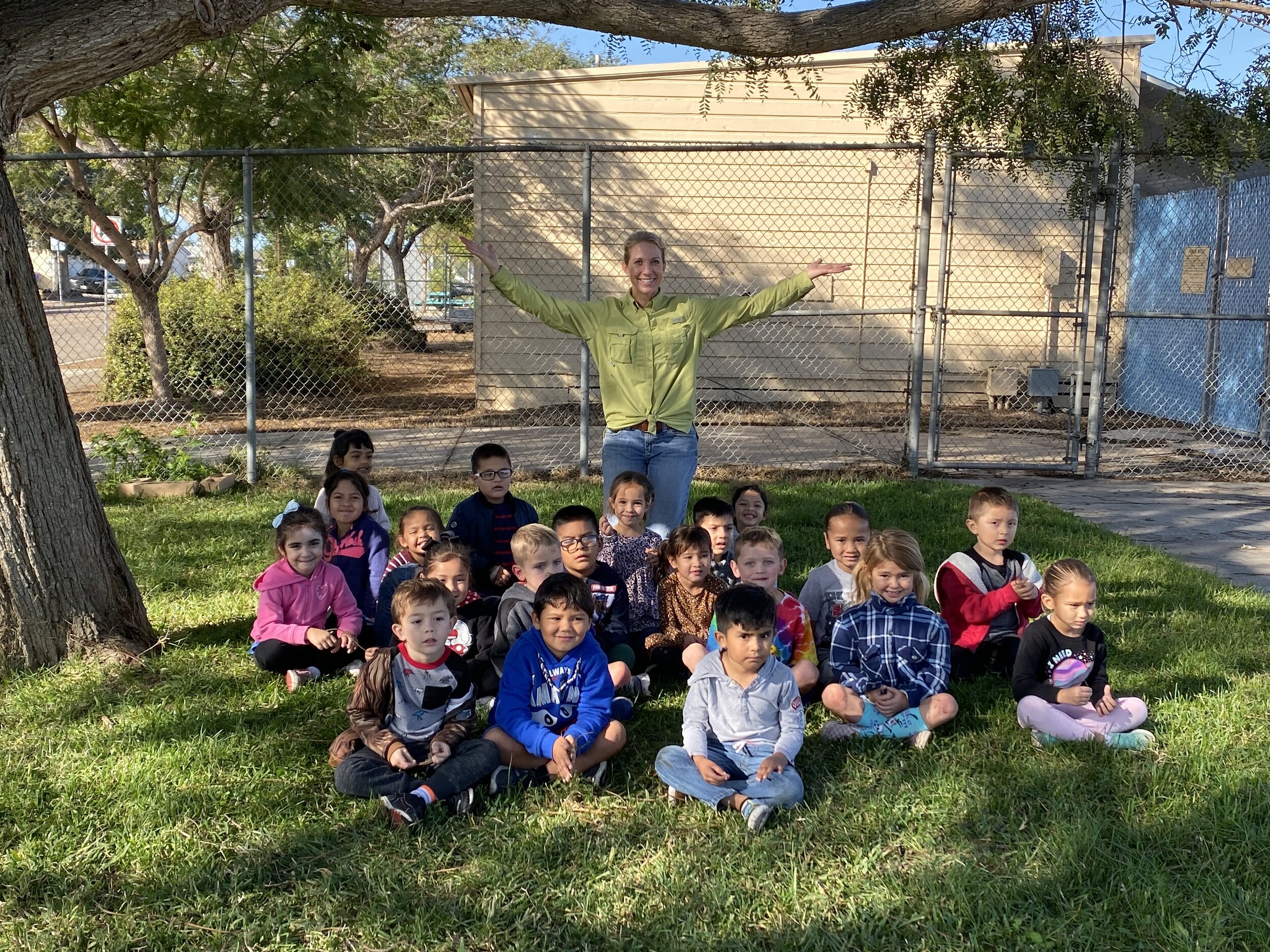
School Garden Educator Shannon Stewart
A Seedling
School garden educator Shannon Stewart thinks of herself as an emerging seedling amongst old growth forests.
Stewart, who teaches in San Diego, California, says that this is her second career—and as a “seedling” in the the field of school gardens, she often turns to others for inspiration and ideas.
It Started with a School Garden
She explains that her involvement in school gardens started when the principal at her son’s school approached her about helping to start a school garden.
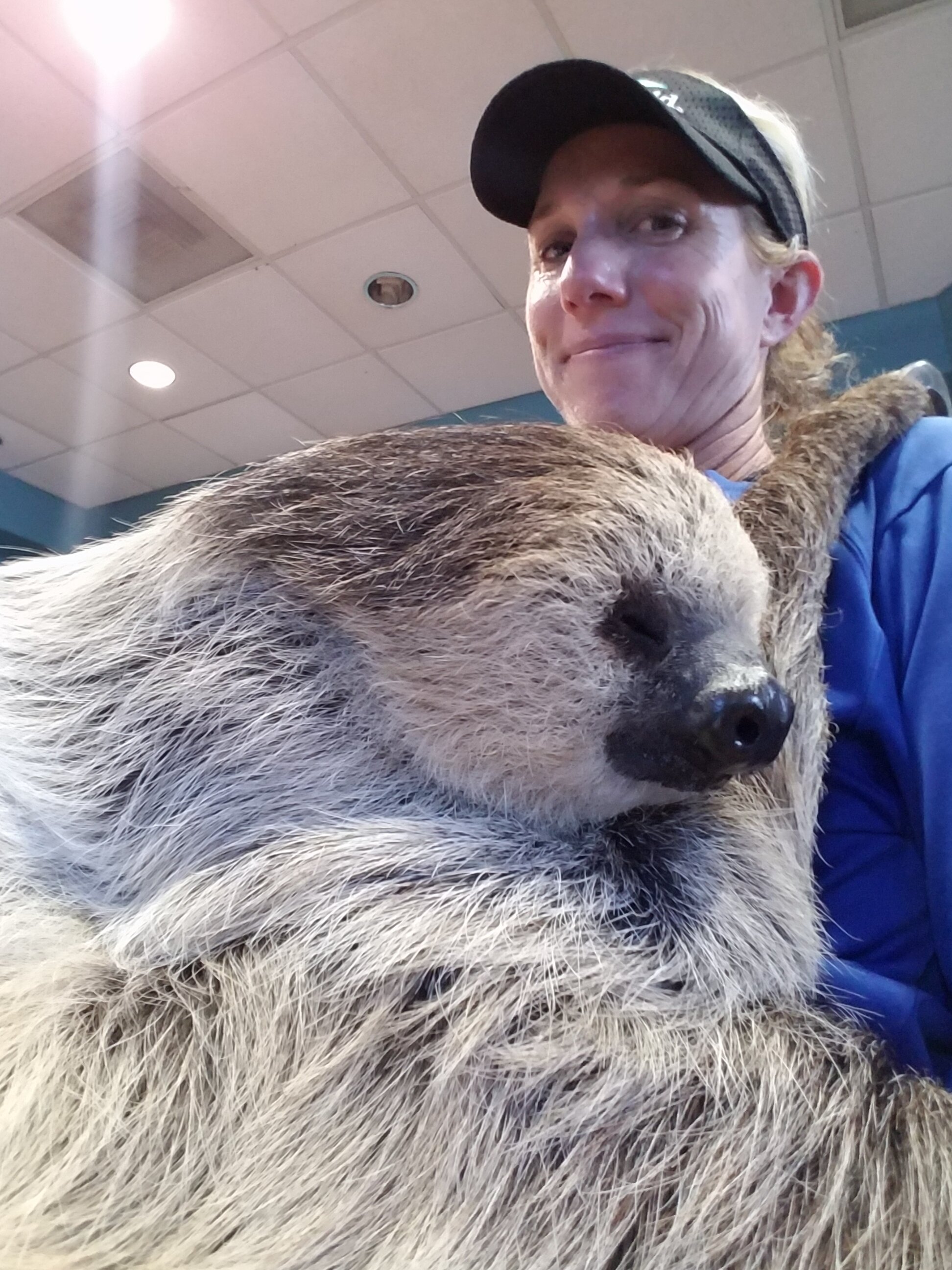
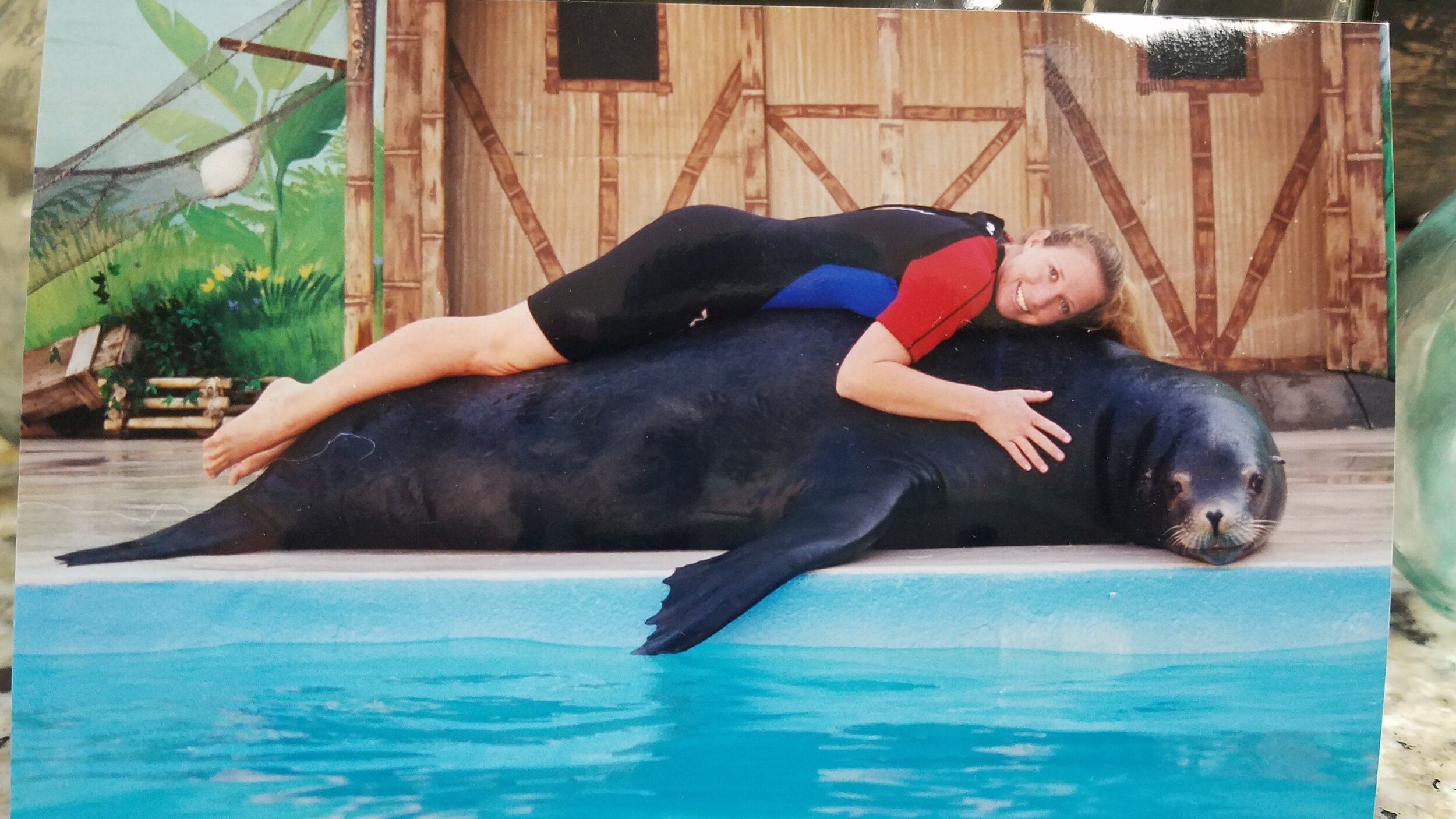
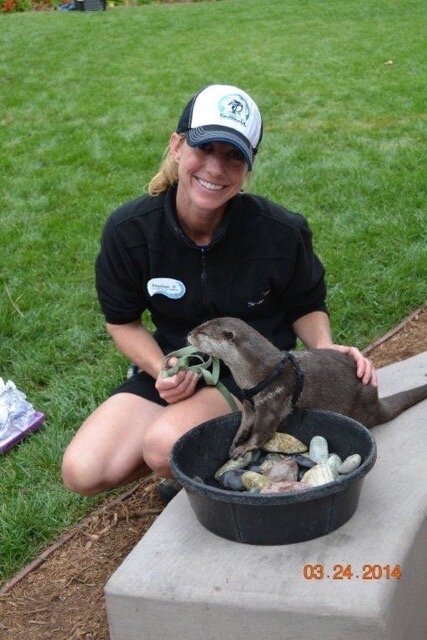
That project opened the door to a big life change: She took the leap from working as an exotic animal trainer to becoming a school garden educator.
Stewart says that while it’s a big change, both roles involve understanding and caring for living things.
Life Skills
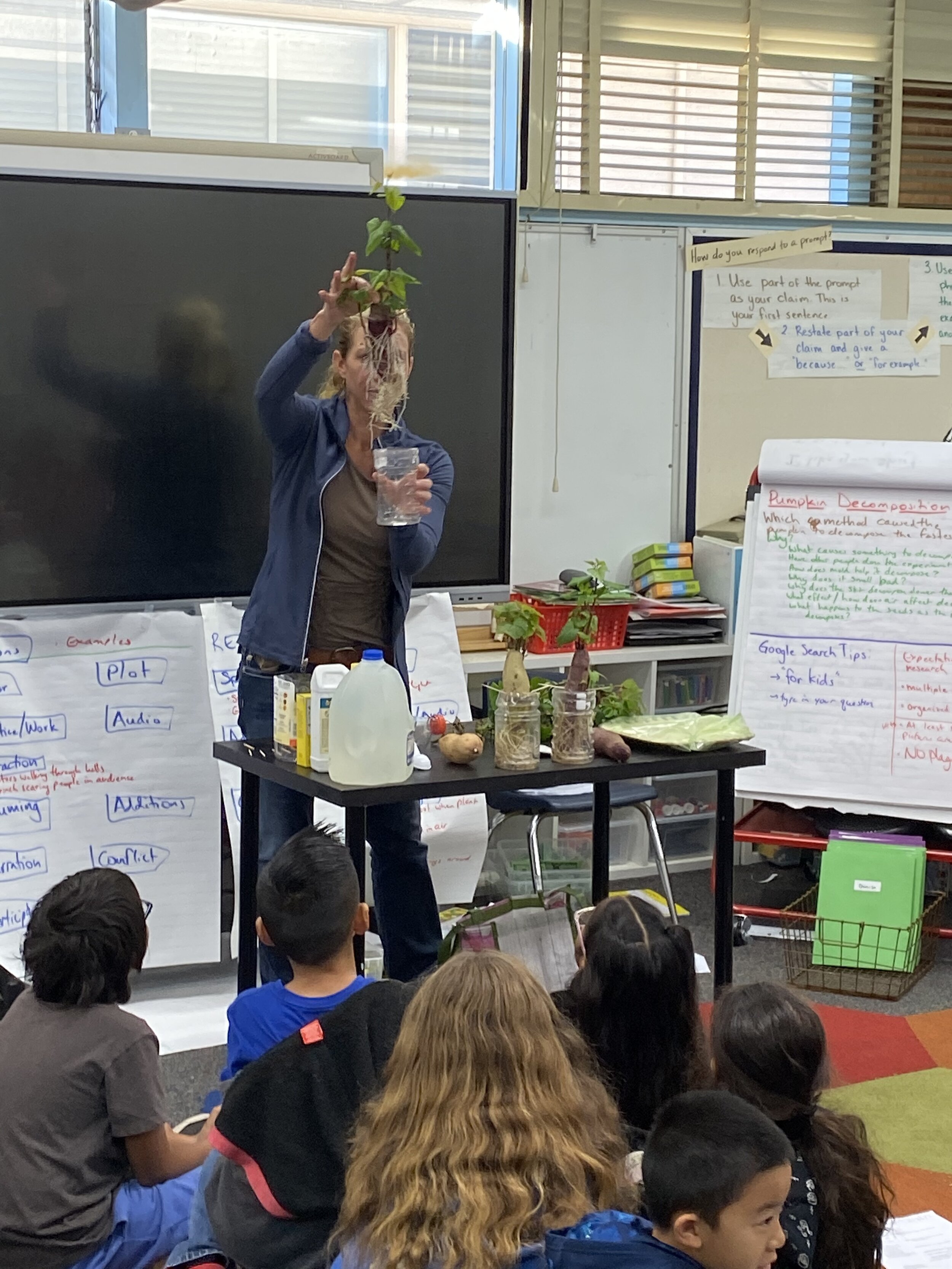
The garden classroom presents an opportunity to teach more than just how to grow plants. Stewart uses it to teach:
health and nutrition
science
critical thinking
teamwork
and even public speaking
“That is the most powerful part of garden education, is giving kids that authoritative power to make decisions on their own.”
Keep it Moving
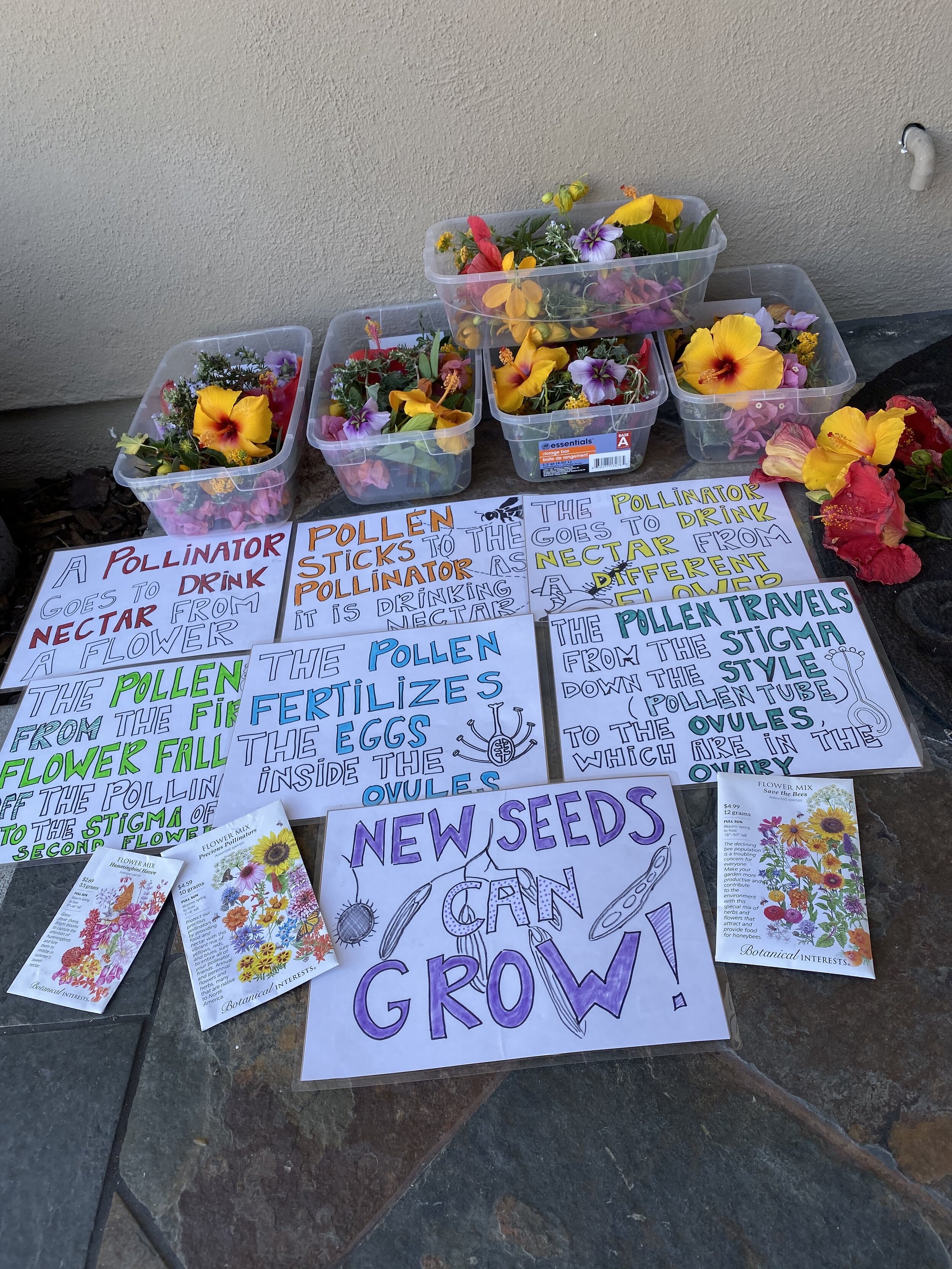
Stewart talks about engaging students with a pollination-sequence play, enacted to the music Flight of the Bumblebee.
“I’m all about getting the kids moving outside because they do not need to sit there and listen to me talk for 30 minutes.”
Using Stories of Animals While Teaching in the Garden
Stewart says that students love it when she includes animal stories in the lessons.
For example, when teaching about Japanese beetles (and the Japanese beetle grubs that eat plant roots) she shares the story of how a dolphin she was training was fascinated by the colourful beetles that she showed it—and how the curious dolphin then ate a beetle!

REWIND: An Engineer Grows Figs in NJ

William Muzychko grows figs in New Jersey.
In a program first broadcast live on the radio show in 2018, we chat with Bill Muzychko of Bill’s Figs in Flemington, New Jersey.
Growing Figs in Containers
Muzychko grows over 180 varieties of figs—all in containers—and all in zone where they would not normally survive without winter protection.
Figs with Sub-Irrigation
Muzychko sets up his containers with a sub-irrigation system that provides the fig plants with a steady supply of water.
Building Community with a Brewery Rooftop Garden and CSA

Danette Steele, Farm Manager at Avling Kitchen & Brewery
We chat with Max Meighen, owner of Avling Kitchen & Brewery, and Danette Steele, the Farm Manager for the rooftop garden.
Rooftop Garden
Steele grows a wide variety of crops on the roof., including greens, tomatoes, herbs, flowers for pollinators—and “flavour crops.”
She explains that the flavour crops are used in the brewing process. A recent example is pineapple sage, which was infused in a local honey. That infused honey was then used in brewing.
Steele, who previously farmed in a rural setting in Nova Scotia, say that she is drawn to urban farming.
“Farming is in my blood.”
She explains that there is a strong community connection with the garden.
“I think that’s why it’s a lot of the urban farming that I’ve done has been exciting, because it just engages community.”
Avling Farm Box
Meighen talks about the Avling Farm box, which includes meat and produce. Half of the produce for the boxes comes from the rooftop garden, half from new and small farms in Ontario.
He believes in connecting the community with food producers. Earlier this year he hosted a meet-the-farmer night where customers mingled with farmers supplying Avling Kitchen & Brewery.
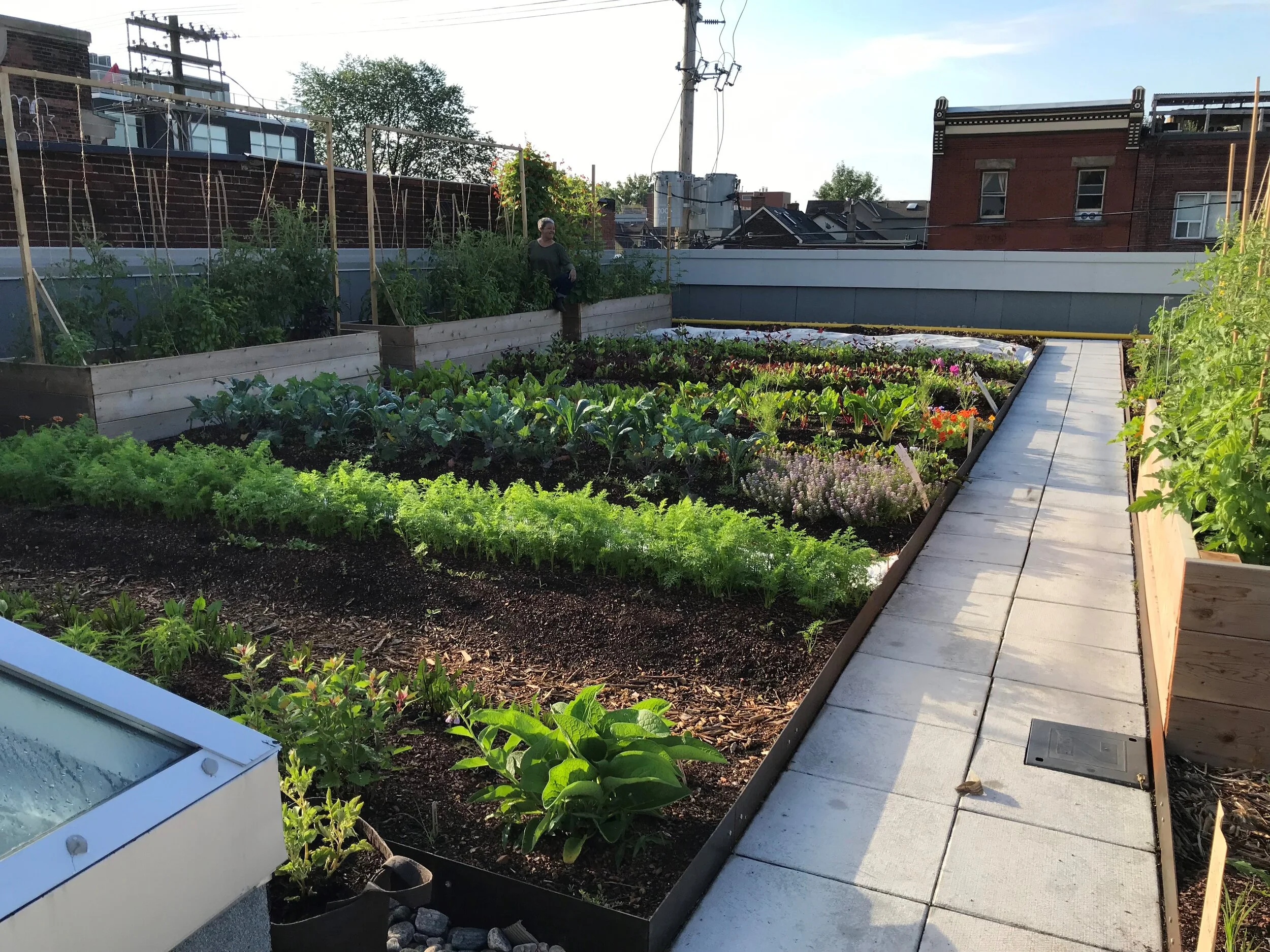
1/4 of the Avling rooftop garden
Creating Change with Fruit Trees

Virginie Gysel talks about transforming the grounds of a local church into an edible garden and founding TreeMobile.
Neighbourhood Church Garden
Virginie Gysel joins us to talk about transforming the grounds of a neighbourhood church into an orchard and food garden.
It started when she approached the church about growing vegetables on the property in exchange for looking after the flower gardens. She didn’t have anywhere sunny to grow tomatoes in her own yard.
It led to an orchard on a south-facing hill and lots of community engagement.
She gives bags of produce to church members, donates the harvest to those in need, as well as sharing the harvest amongst volunteers.
“I didn’t have anywhere to grow tomatoes.”
TreeMobile
Gysel founded the volunteer-run project TreeMobile that supplies food-bearing trees and shrubs at a low cost to home gardeners.
“Everyone is talking about food security, but I think we need to start planting for it.”
Gysel says that this self-supporting program also gives grants to schools, church groups, and community groups.
Designing Landscapes
Gysel loves her work in landscape design. When clients are interested, she likes to integrate edible plants.
“I just realized this is the most amazing job in the world.”
She shares some of her top choices for home gardeners thinking about growing fruit. Currants top the list.
“If you have a boring old hedge, why not rip it out and plant a hedge of currants.”
Blending Art and Garden Activism...and Jersey Tomatoes

Jeff Quattrone talks about seed libraries, the Jersey tomato, and creative ways to share messages about food and gardening.
We chat with Jeff Quattrone about his work bringing seed libraries to New Jersey, plant propaganda (not propagation!), and the Jersey tomato.
Quattrone is an artist, lifelong gardener, and marketing professional.
He founded LIbrary Seed Bank in 2014.
Library Seed Bank
Quattrone talks about his journey into seed saving and helping to set up seed libraries.
“The whole idea that food can go extinct was something that shocked me because I didn’t understand diversity.”
Jersey Tomatoes
He is so passionate about Jersey tomatoes that he has a page devoted to them on his website.
“I think I’ve grown just about every one of them and I love them all!”
Quattrone explains that the traditional Jersey tomato was bred to be a 10-ounce, round, red tomato because of the canning industry in New Jersey.
“Jersey tomatoes, they’re part of our zeitgeist.”
Garden Propaganda
As a marketing professional, he finds that people often have a negative impression of the word propaganda. He looks at the fine line between propaganda and branding—and talks about why he thinks garden propaganda is important.
More on Tomatoes
Tomato and Food-Garden Q+A with Ontario Backyard Plant Growers
Q+A Day
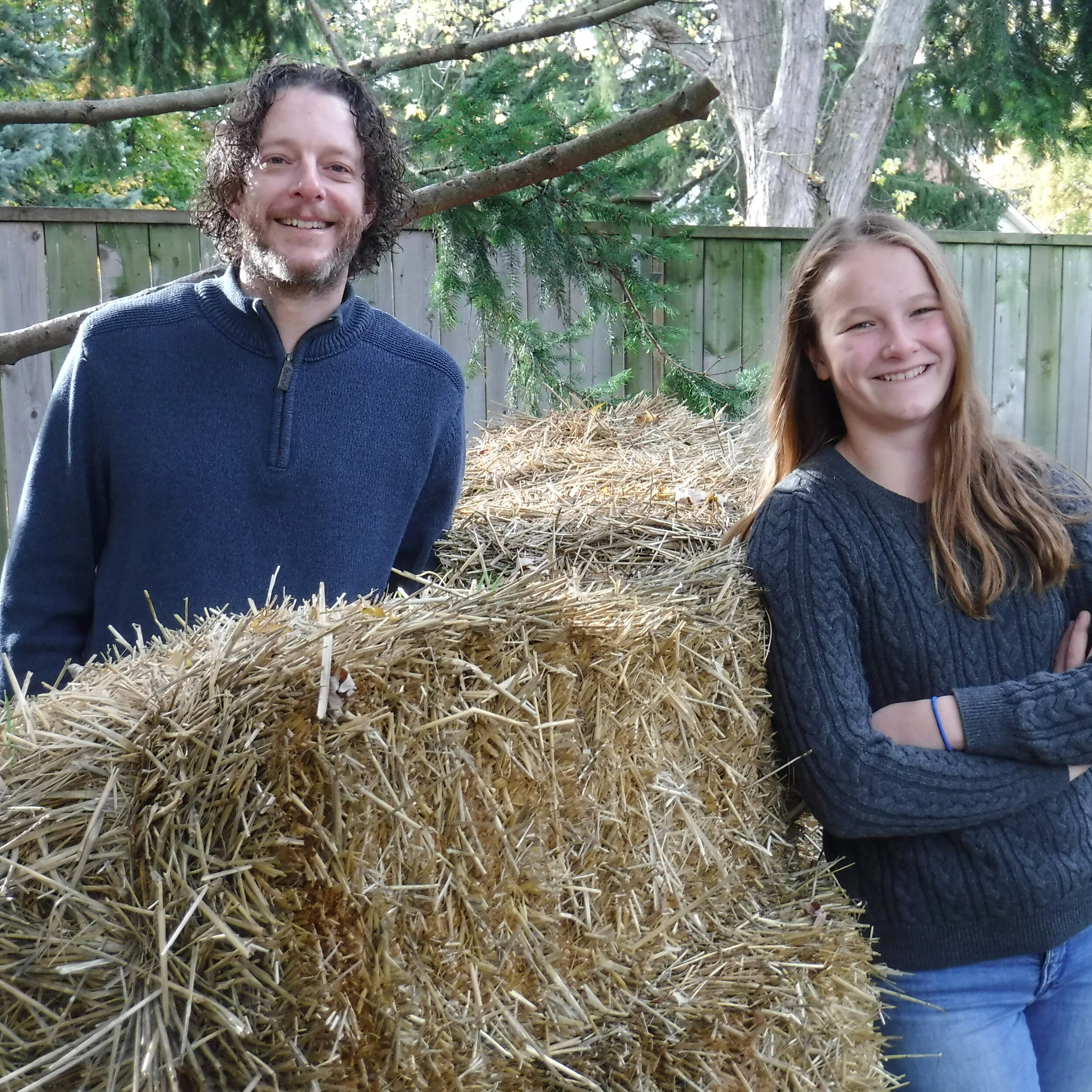
We dig into tomato and food gardening questions from members of the Ontario Backyard Plant Growers group on Facebook.
The Ontario Backyard Plant Growers Facebook Group is a group that shares information about growing plants in Ontario. It's a passionate group with broad knowledge on propagating, growing and harvesting, and tools and amendments.
We Tackle Tomato Questions
Why do some tomato seedlings just stop growing?
If you had to pick three tomato varieties to grow this year, and only three, which would they be? (SPOILER ALERT…Emma picks 5 varieties!)
There are so many methods for staking and propping up tomatoes. Which one works best for you? If you had a small space - room for 6 or 8 indeterminate plants - what system would you use for the most production?
I Love tomatoes - one in particular: The Starfire and cannot find any seeds for it anywhere, anymore - It was not very big but it was Tough - it would give nice, fist-sized (woman fist that is) ... bright red, not too wet fruit I could freeze whole and eat in February in soup and sauce - Loved it! Where is now?
Is it helpful to pinch off some first flowers off tomato plants to promote growth?
How much sun do tomatoes REALLY need.. The minimum I seem to see is six hours direct sunlight but would it be worth it to still plant them if you don't have quite that much sun?
Which tomato varieties yield the most fruit?
Here’s our guide to starting tomato plants from seed.
Choosing Crops
What indoor food plant would you say gives you the biggest bang for the time and effort put in?
What are the best melon varieties for southern Ontario?
What are the best fruit-bearing shrubs for southern Ontario?
What are the first things you plant? What are the last you harvest?
My 3rd year asparagus has turned into 6-foot trees! I was told not to pick any asparagus until the 4th year....help
What plants do you recommend for succession cropping?
Suburban Farm and Sunken Greenhouse Build Community

Annalisa Pedraza
Spring Creek Community Garden
Annalisa Pedraza joins us from Bozeman, Montana, where she manages the Spring Creek Community Garden.
“Right now we have 30 members and that feeds about 25 households.”
Spring Creek Community Garden was founded by Richard Weaver after he inherited 3 acres of land in the middle of a subdivision. He removed the grass to create an urban farm and a sunken greenhouse.
“We split it family style. Nobody has their own plot.”

The greenhouse is filled with fruit trees and bushes.
Unlike many community gardens, everything is shared. There are no individual plots; and members divvy up the harvest based on what they feel they have contributed.
Scroll down to the bottom of this page to see a video about Spring Creek Community Garden.
Growing New Gardeners
The gardeners hold a weekly potluck dinner, using garden produce. Pedraza finds that the social interaction is an important part of gardening.
While she’d love it if these get-togethers encourage people to become community-garden members, what she would really like is if they inspire people to make more community gardens.
“What we really hope is that they replicate that elsewhere.”
Annalisa’s approach to growing in based in permaculture. She has recently started her own business, Rising Crane Permaculture, to help other people grow food.
“I wasn’t inspired by the whole currant and gooseberry thing.”
Ways Gardeners Share
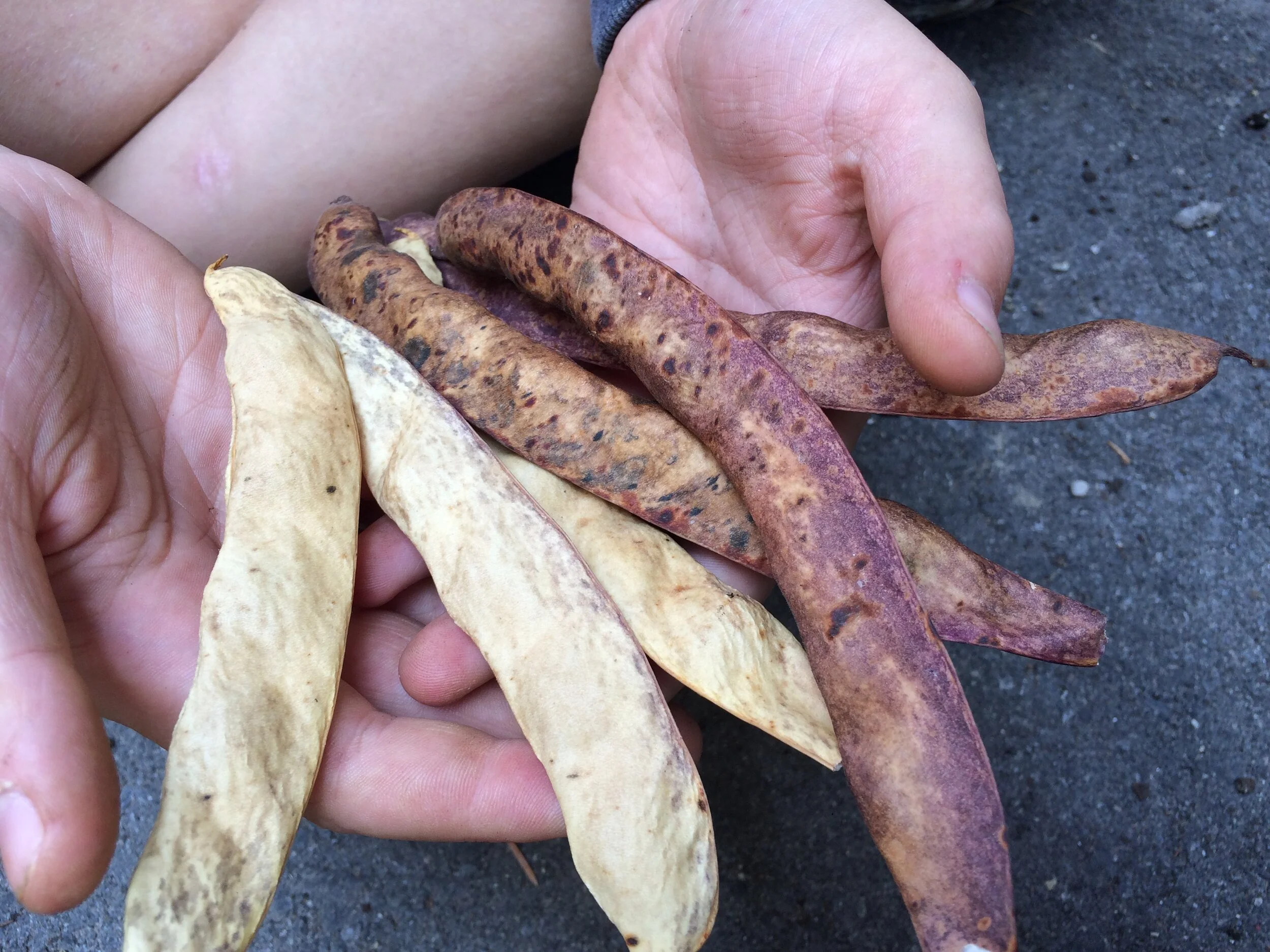
Bean seeds from our neighbour Joe
We’ve been talking a lot about our neighbor Joe over the past couple of days.
Joe and his wife, Maria, are amazing neighbours. They always stop to chat. They share their garden harvest. And they send cookies for the kids.
But the reason we’ve been talking about Joe these past couple of days is that Joe is an amazing gardener. We learn something new every time we drop by to visit. AND Joe shares with all the neighbourhood gardeners.
Bean Walls
There’s very little lawn in Joe and Maria’s back yard. It’s row up on row of tomato plants. (And Joe’s tomato seedlings are always miles ahead of ours in the spring.)
The yard is surrounded by a wall of pole beans. Joe shared his favourite bean seeds with us for our garden.
Steven posted about Joe’s beans the other day on social media as he explored how gardeners share, for an event called Garden Days.
Garden Days
In past years, Garden Days has been a celebration of gardens and gardening—letting people know about public gardens and organizations. There were garden-related events too.
This year, with COVID, the focus of Garden Days is celebrating the joys of gardens and gardening.
Start a Summer Vegetable Garden


not too Late to Grow Vegetables
We chat with Carol Michel and Dee Nash about starting a summer vegetable garden.
Michel and Nash are vegetable gardeners Indiana and Oklahoma who joined forces to produce The Gardenangelists podcast and share their love of gardening.
“I’m in zone 7, and she’s zone 5.”
Michel and Nash talk about how they got into vegetable gardening, and then share their tips for starting a vegetable garden in the summer. It’s not too late!
“It is not too late. There are plenty of vegetables that you can sow seeds for right now.”
Weave Habitat Restoration into Food Gardens

Botanist Ryan Godfrey
Not Mutually Exclusive
Ever wondered if growing food and and growing native plants are mutually exclusive?
Our guest Ryan Godfrey talks about his sixth-floor balcony garden where he weaves together edible and native plants—all in containers.
Habitat-Themed Containers
Godfrey’s balcony container garden includes habitat-themed containers:
Alvar container garden
Riverside container garden
Boulder container garden
Woodland container garden
Edible plants include woodland strawberries, Jerusalem artichoke, sweet grass, and Virginia mountain mint.
Godfrey also has an allotment garden plot where he grows both food and native plants. He says that his plot draws a lot of pollinators.
It Started with Acorns
In a journey that started with vacuuming acorns as a child, Ryan went on to study biology and evolutionary biology. He says this makes him a “plant nerd,” a gardener who learned about plants outside of a garden context. It colours his approach to gardening.
“Failure is a huge part of gardening. I encourage folks to document and learn from your failures.” Ryan Godfrey
Godfrey currently works with World Wildlife Fund Canada on a project called In The Zone, an initiative to build Carolinean habitat in Canada.
Nourish Community and People with Gardens—and Soup!

Susan Antler talks about Plant·Grow·Share a Row and the Soupalicious festival
In a broadcast that originally aired live on The Food Garden Life Radio Show, we start by chatting with Susan Antler, the Executive Director of the Compost Council of Canada.
Susan talks about using gardening and food to make change, the Plant·Grow·Share a Row program and the Soupalicious festival. “Gardening can change the world,“ she says.
In Emma’s Tomato Talk segment, she talks about blue tomato varieties, tomato training methods, and transplanting tips.
In the Biggs-on-Figs segment, Steven is joined by author Helena Moncrieff, who shares the story of a Toronto gardener whose fig tree became an integral part of the neighbourhood. Moncrieff is the author of the book The Fruitful City.
Francesco’s Fig Tree
The Story of a Fig Tree that Brought Together a Community
Excerpt from The Food Garden Life Radio Show, June 2020
In the Biggs-on-Figs segment, Steven is joined by author Helena Moncrieff, who shares the story of a Toronto gardener whose fig tree became an integral part of the neighbourhood.
Moncrieff is the author of the book The Fruitful City.

Henena Moncrieff, author of The Fruitful City, tells the story of Francesco’s fig tree
Growing People, Networks, and Food

Atlanta urban farmer and changemaker Maurice Small.
Atlanta urban farmer, food system thinker, educator, changemaker, and worm whisperer Maurice Small joins us to talk about growing people, growing community, and growing food.
Small talks about what got him into growing food, the urban agriculture scene in Atlanta, using gardening as a way to build community, and youth leadership.
“I had the desire to do what my father did with me, which was grow food, share food, propagate plants.“
Small also talks about helping customers understand what goes into food production.
“They know that something might crawl out because we don’t spray.”
Neighbourhood Foraging for the Wild Food Gourmet

Robin (Robert K.) Henderson, author of The Neighborhood Forager: A Guide for the Wild Food Gourmet
Robin Henderson joins us to talk about foraging.
As he was growing up, he heard family stories about the foraging of previous generations.
Then, as urban growth engulfed the area where he lived, he discovered the many edible plants growing in his own neighbourhood.
Henderson points out that many people think of “subsistence” foraging—foraging to fill the stomach. For him, foraging can be a lot more than subsistence—he’s a big believer in “gastronomic foraging.”
Henderson explains that it’s even possible to forage in winter, while there is snow on the ground.
Gourmet Ideas Include:
elderflower champagne
sumac lemonade
sorrel paste and sorrel soup
spruce beer
dandelion salads and dandelion root coffee
velvety lambs quarters

Fruit in the Urban Foodscape

Helena Moncrieff, author of The Fruitful City: The Enduring Power of the Urban Food Forest
Helena Moncrieff, author of The Fruitful City: The Enduring Power of the Urban Food Forest, talks about the many types of fruit that can be found growing in cities.
Fruit plants often reflect the history of an area. Grape vines are common in neighbourhoods where a lot of residents have Mediterranean family roots; cherry trees are common in areas with large Ukrainian populations.
Beyond private yards, Toronto has the relatively new Ben Nobleman Community Orchard, while Victoria, British Columbia has a well established public orchard movement.
Moncrieff became interested in urban fruit—and the people and stories behind it—when her daughter joined Not Far From The Tree, a fruit picking and sharing project in Toronto.
Her favourite fruit to forage in Toronto is the serviceberry.
Grow a Meyer Lemon in a Pot
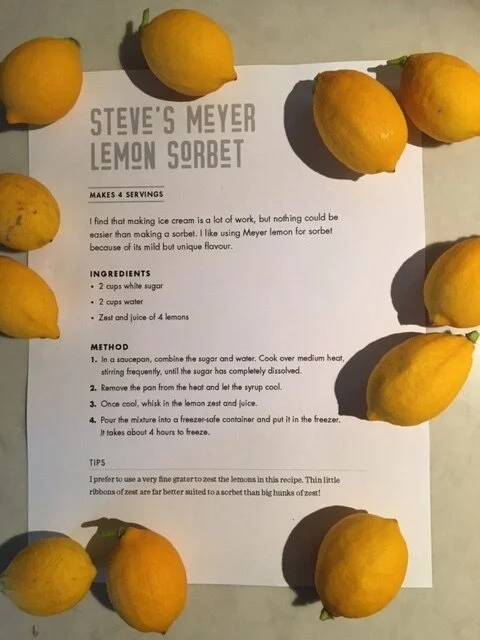
Meyer lemon sorbet recipe from the book Grow Lemons Where You Think You Can’t
Emma made Meyer lemon sorbet yesterday.
She made it with home-grown Meyer lemons, picked in Toronto in the month of May.
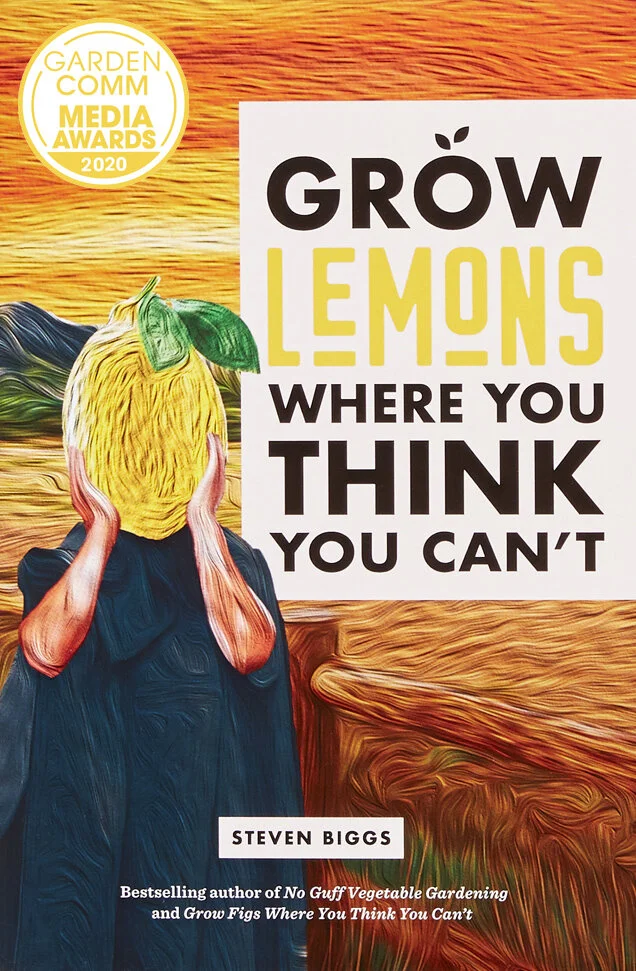
Steven has grown lemons since the 1990s—but it was a visit to Bob Duncan at Fruit Trees and More Nursery in British Columbia that inspired him to write his book Grow Lemons Where You Think You Can’t.
Victoria has a mild climate, so Bob grows lemons espaliered on the side of his house. Over the winter, he used incandescent light strings and row-cover fabric to protect the lemon trees.
Steven and Emma dig into growing lemons in colder climates—and why lemons are an idea container plant.
Did you know that in addition to the fruit, you can use lemon leaves in the kitchen?
There are many ways to keep lemon trees over the winter, even without a greenhouse or a bright south-facing window.
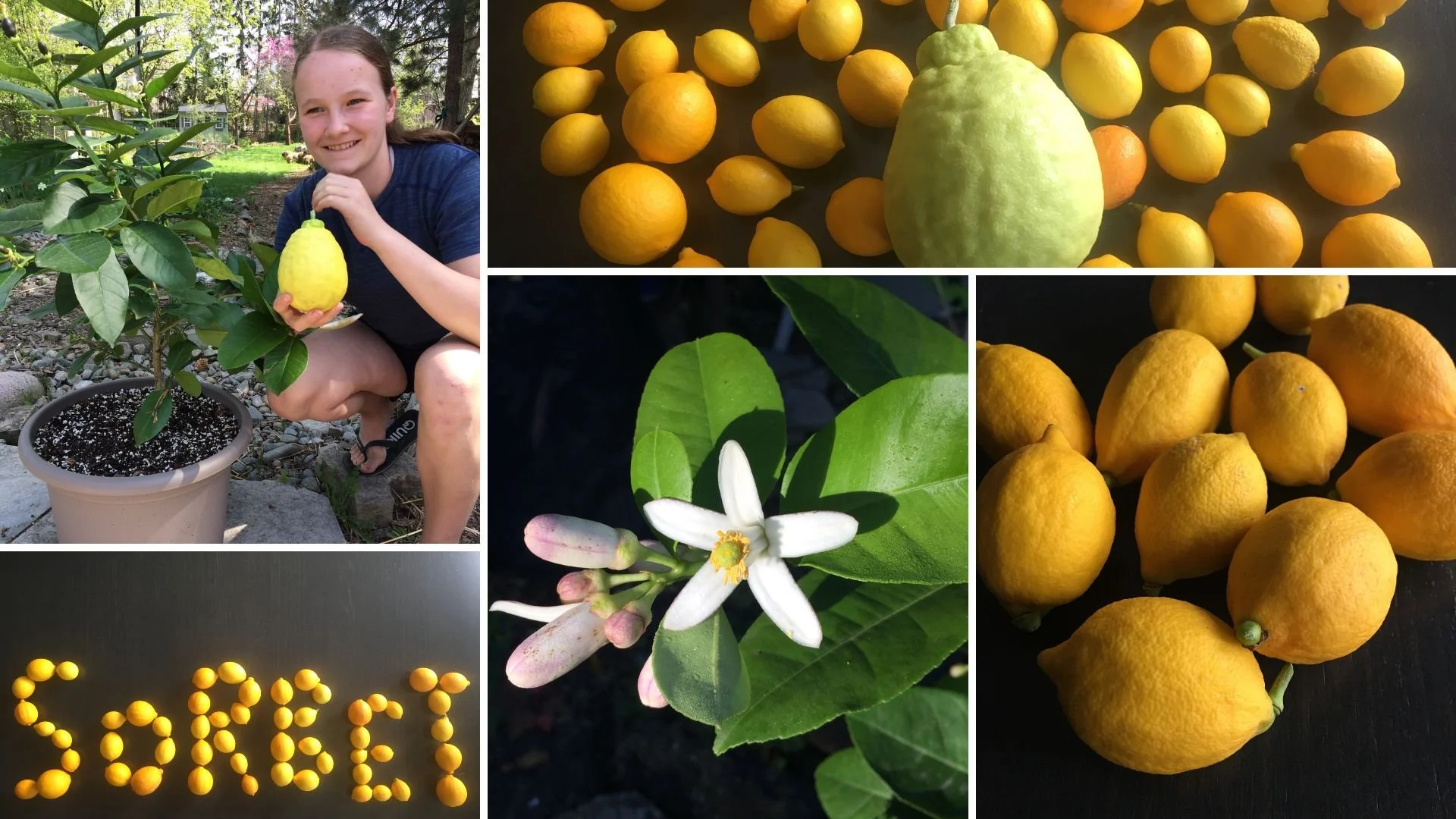
Find Out How to Grow Your Own Lemons
Grow Lemons in Cold Climates Masterclass shows you how to grow a lemon tree in a pot or outside with protection. And get lemons!
More Lemon Growing Information
Lemon Book
Ever thought about growing a lemon tree in a pot? This book tells you how.
Grow a Food Garden You Love

Emily Murphy, Author of Grow What You Love
Emily Murphy finds daily inspiration in her garden in Northern California. She describes her passion for gardening as, “A love affair.”
Early Start
Emily got an early start in gardening. “If you were around in the 70’s, I was the kid down the road whose family was growing potatoes in her front yard instead of a lawn,” she says.
Teaching Gardening
Emily is a garden designer, educator, and author who weaves together her studies in botany, ethnobotany, environmental science, and ecology.
In her teaching she brings together gardening and living.
“Our gardens are one of our most immediate touch points with nature.”

Grow What You Love, by Emily Murphy
Emily is the author of the book Grow What You Love, 12 Food Plant Families to Change Your Life, an inspiring guide to planning, making, and growing a garden.

Hi, We’re Steve and Emma!
We help people grow food on balconies, in backyards, and beyond—whether it’s edible landscaping, a vegetable garden, container gardens, or a home orchard.