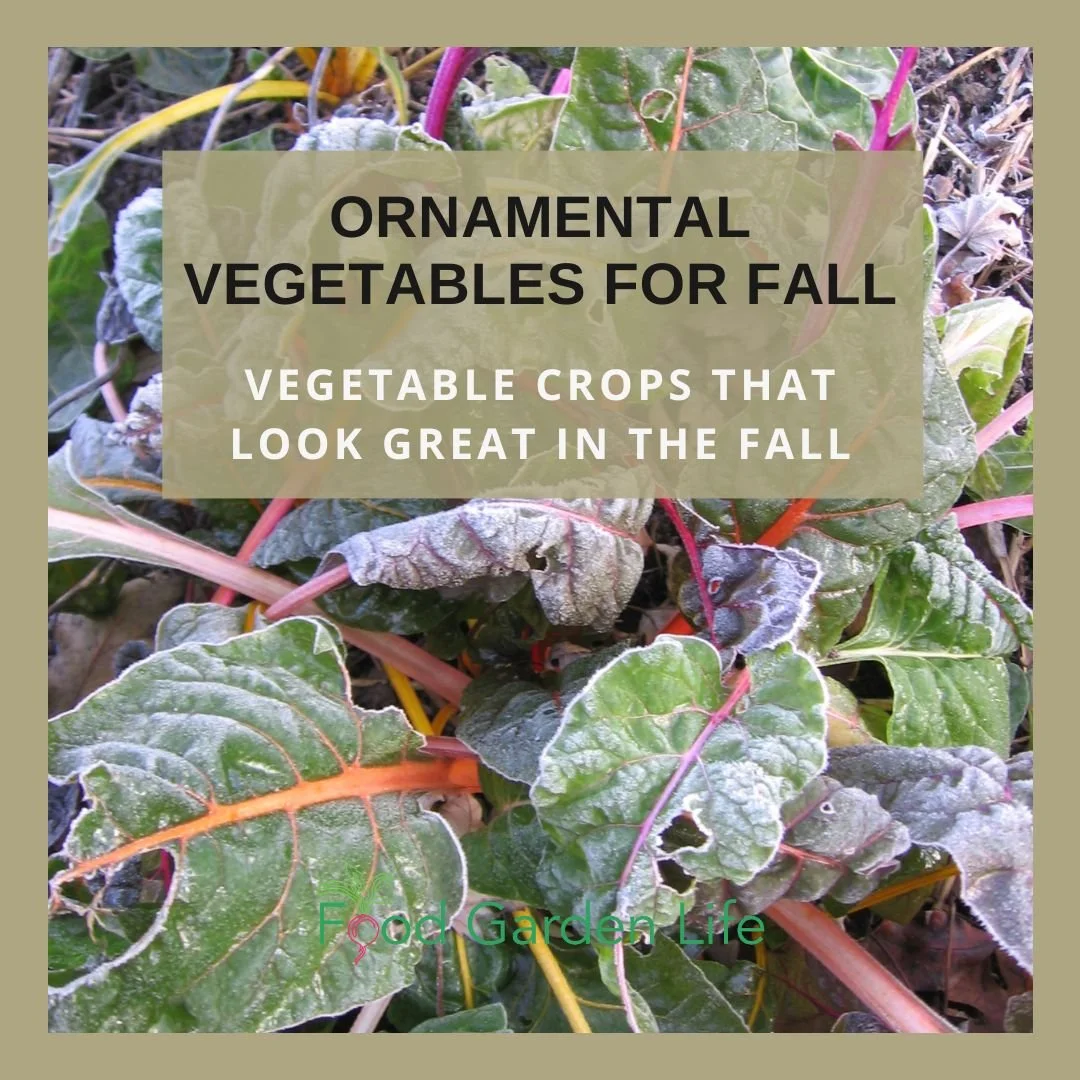
Ornamental Vegetables for Fall
By Steven Biggs
Vegetable Crops That Look Great in the Fall
As I write this, it’s spring. But I’m picturing my fall garden.
I was just scouting out the spot where my Swiss chard will go this year.
I always fit in chard close to my kitchen window.
An Ornamental Edible
In the garden outside my kitchen window I weave together the ornamental and the edible. I especially treasure edible plants with ornamental appeal.
And that’s where chard fits in.
Swiss chard paints this part of my garden in yellows, reds, pink, and orange.
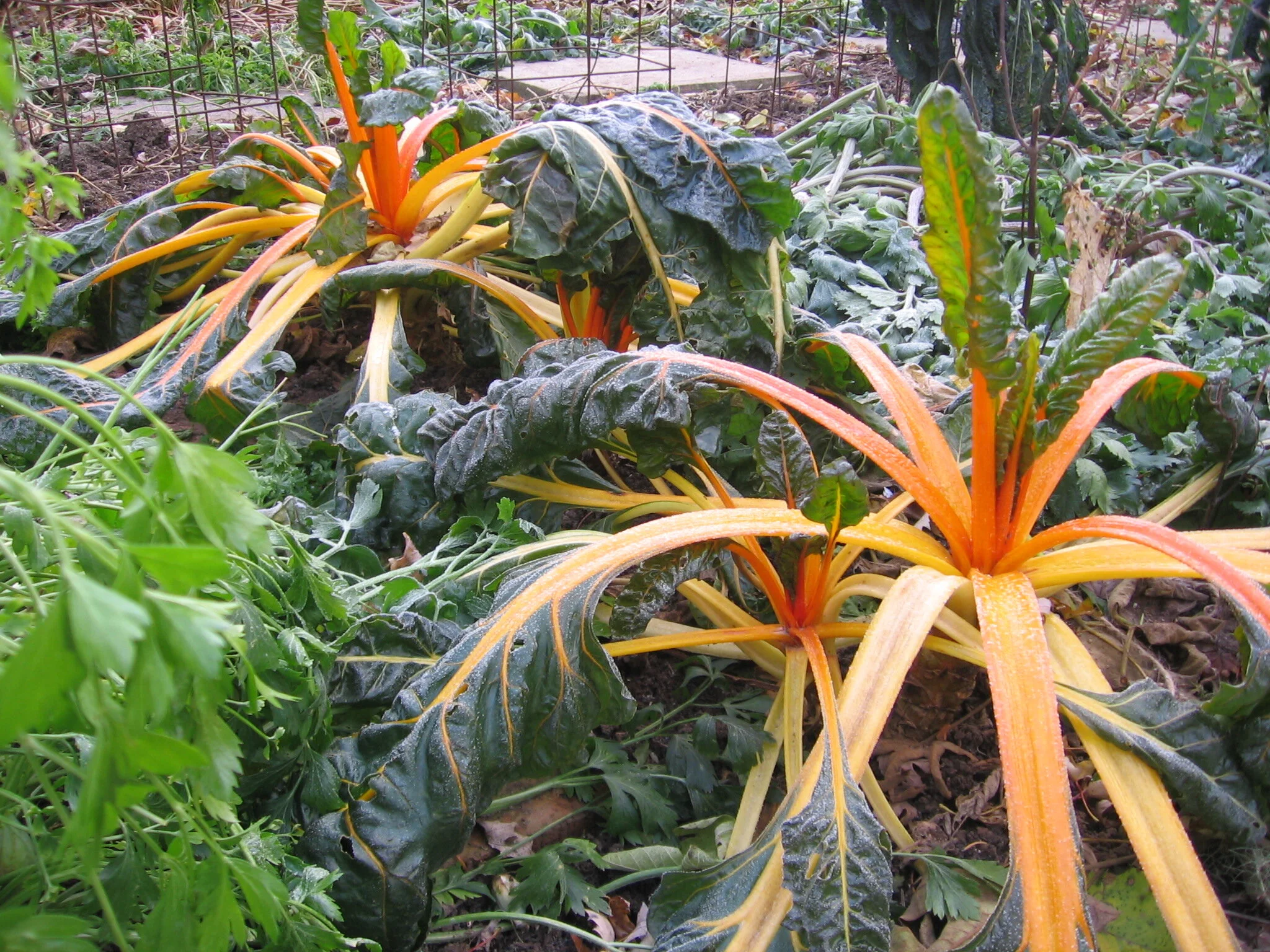
As cool, grey fall weather arrives, Swiss chard is a bright spot in a fading garden.
Summer-Long Production
Leafy greens like lettuce, spinach, and arugula come and go with summer heat.
They bolt
They get leathery
They get bitter
But Swiss chard sails through the heat with a prodigious output of tender leaves.
A Long-Lasting Edible
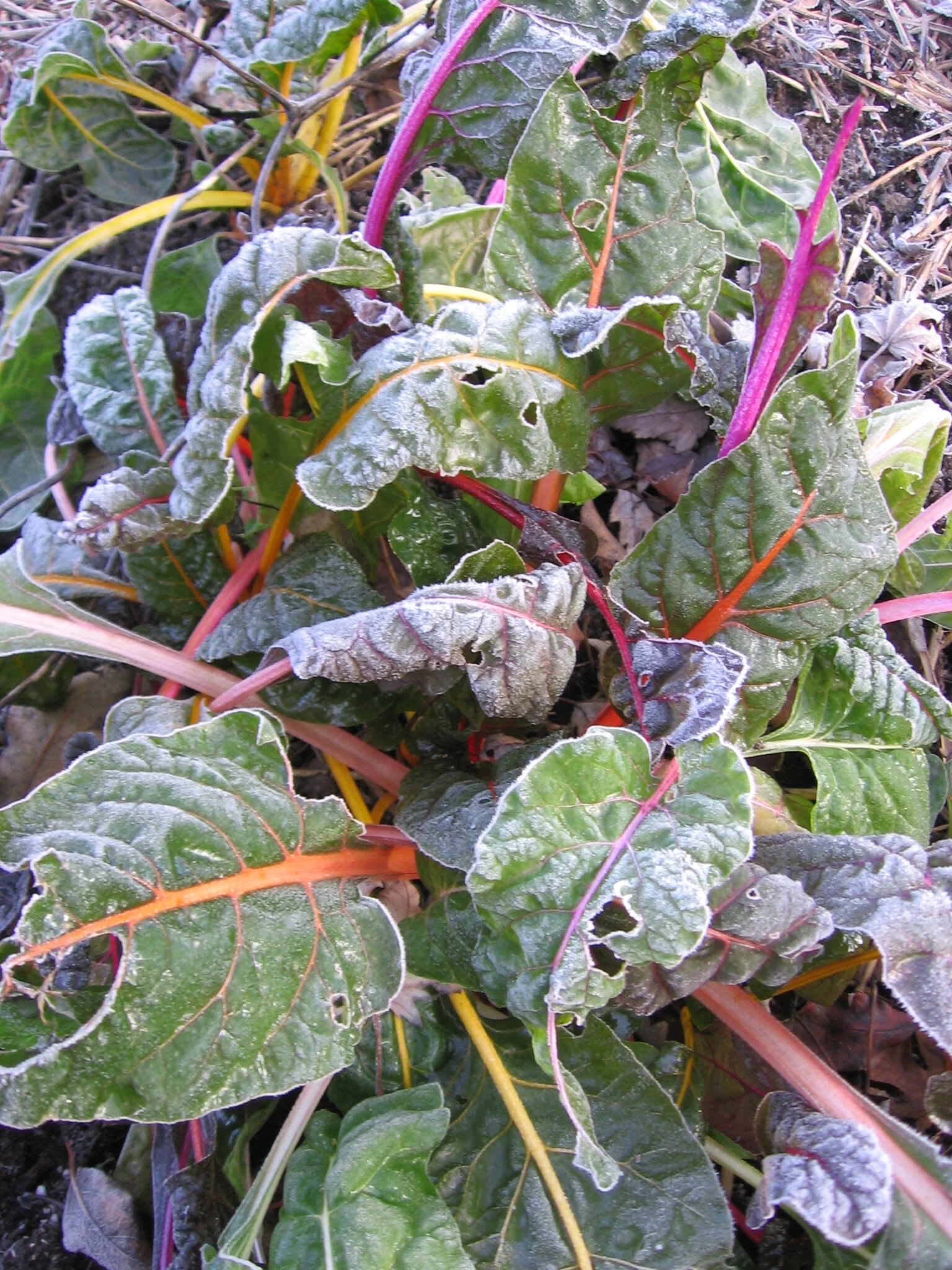
Swiss chard paints this part of my garden in yellows, reds, pink, and orange.
As cool, grey fall weather arrives, Swiss chard is a bright spot in a fading garden.
It shines.
When frost renders swathes of the garden a wilted green-brown, chard still shines. The bright leaves bow to the frost, then spring back up as sunshine warms them.
It perseveres until a hard freeze.
Put Chard Where You Can See it in the Fall
I’m picturing the spot where my chard will go, and making sure it’s somewhere I can enjoy looking at it from my kitchen window through the fall.
More Ornamental Vegetables for the Fall Garden
Cardoon is another ornamental vegetable that looks great in the fall. Find out more about cardoon.
Artichokes hold up nicely in fall weather. Find out how to grow artichoke.
Find This Helpful?
Enjoy not being bombarded by annoying ads?
Appreciate the absence of junky affiliate links for products you don’t need?
It’s because we’re reader supported.
If we’ve helped in your food-gardening journey, we’re glad of support. You can high-five us below. Any amount welcome!
Home Garden Soil Contamination
By Steven Biggs

Understanding the Risk of Soil Contamination Around Your Home
AFTER MOVING INTO MY WORLD WAR I-ERA HOUSE, I decided to find out if the paint-chip-studded soil next to the house was safe for growing edible crops.
Many pre-1991 paints contained lead, and those that are pre-1960s—particularly exterior paints—are thought to be the worst culprits.
Lead was also used as a gasoline additive into the 1990s. So urban areas with older buildings, where there have been years of car exhaust—and maybe even industrial emissions—tend to have higher soil lead levels than rural, agricultural areas.
With this in mind, I wanted to understand what, if any, risk lay hidden in my soil.
If you’ve wondered what, if anything, to check with the soil in your garden, keep reading for a practical way to approach soil contamination.
Conflicting Information

With an older house, I was worried about lead contamination from paint.
The more I delved into the question of urban soil contamination, the less clear the issue became.
I found a government fact sheet saying there was minimal risk to consuming veggies grown in soil with lead levels below 200 parts per million (ppm)
But one from another jurisdiction advising 300 ppm.
Both noted increased risk for children (think soil moving hand to mouth), in which case one gave a safe upper limit of 100 ppm.
I was left wondering whether I should go with 100, 200 or 300 ppm.
So I Got on the Phone
When I called Ontario’s Ministry of the Environment, I was told that contaminant levels in typical agricultural soil are often less than urban areas, but there should be no concern as long as the readings for my soil fell below the residential standards, as set out in the provincial Environmental Protection Act.
But…I should also keep in mind that a reading above that residential level isn’t necessarily unsafe.
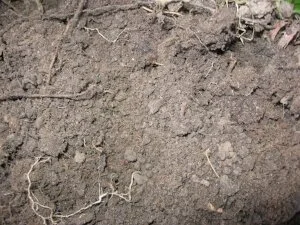
Understanding soil contamination was starting to seem as fun as doing my tax return.
So, after scanning the Act, I added 45 ppm lead (for typical agricultural soil), 120 ppm lead (for residential standards), and a big question mark (for “isn’t necessarily unsafe”) to my growing list of values.
This was getting to be as much fun as preparing a tax return!
And just as filling in a tax return isn’t black and white—think of deciding what’s tax deductible and what’s not—I sensed balancing soil contamination and growing edibles had shades of grey, too.
So I set out to see how urban veggie growers can best tackle the question of soil contamination without being mired in conflicting numbers.
What Other Growers Do
Travis Kennedy, an agrologist involved in community garden projects, also raises produce at his Lactuca Micro Farm in Edmonton. “Pragmaculture,” he responds with a laugh, when I ask how he deals with possible soil contamination. His pragmatic approach to urban agriculture is to always use raised beds, bringing in soil he knows is safe, because he always assumes that there may be contamination.
Ward Teulon, also an agrologist, runs City Farm Boy in Vancouver, designing and building vegetable gardens. Teulon explains that sending backyard soil samples to a laboratory doesn’t always give a clear picture of what’s in the soil because urban soils are moved around a lot and are not uniform. He agrees, however, that interpreting results from expensive tests, which can cost hundreds of dollars, can be daunting. If there is a cause for concern, he believes money is better spent bringing in soil to make a raised bed. “Find out your property’s history,” he advises, because many urban soils are perfectly fine.
Luckily for me, my property’s history seems clear-cut, from agricultural to residential.
So, aside from the paint-chip-infested soil beside the house, I’m not worried. Gardeners who don’t know the history of their site could ask neighbours about past use and nearby properties, or check municipal records or archives.
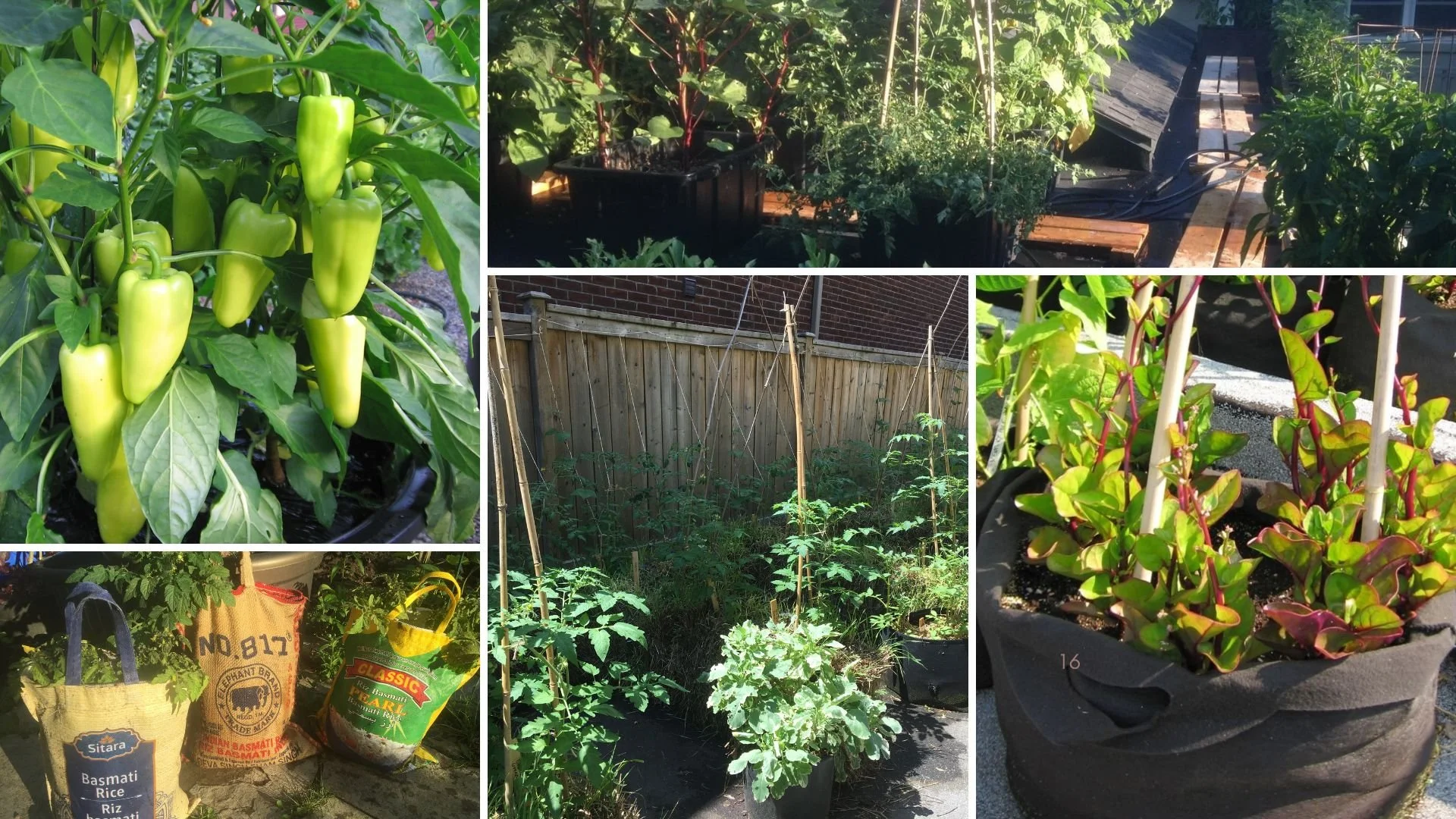
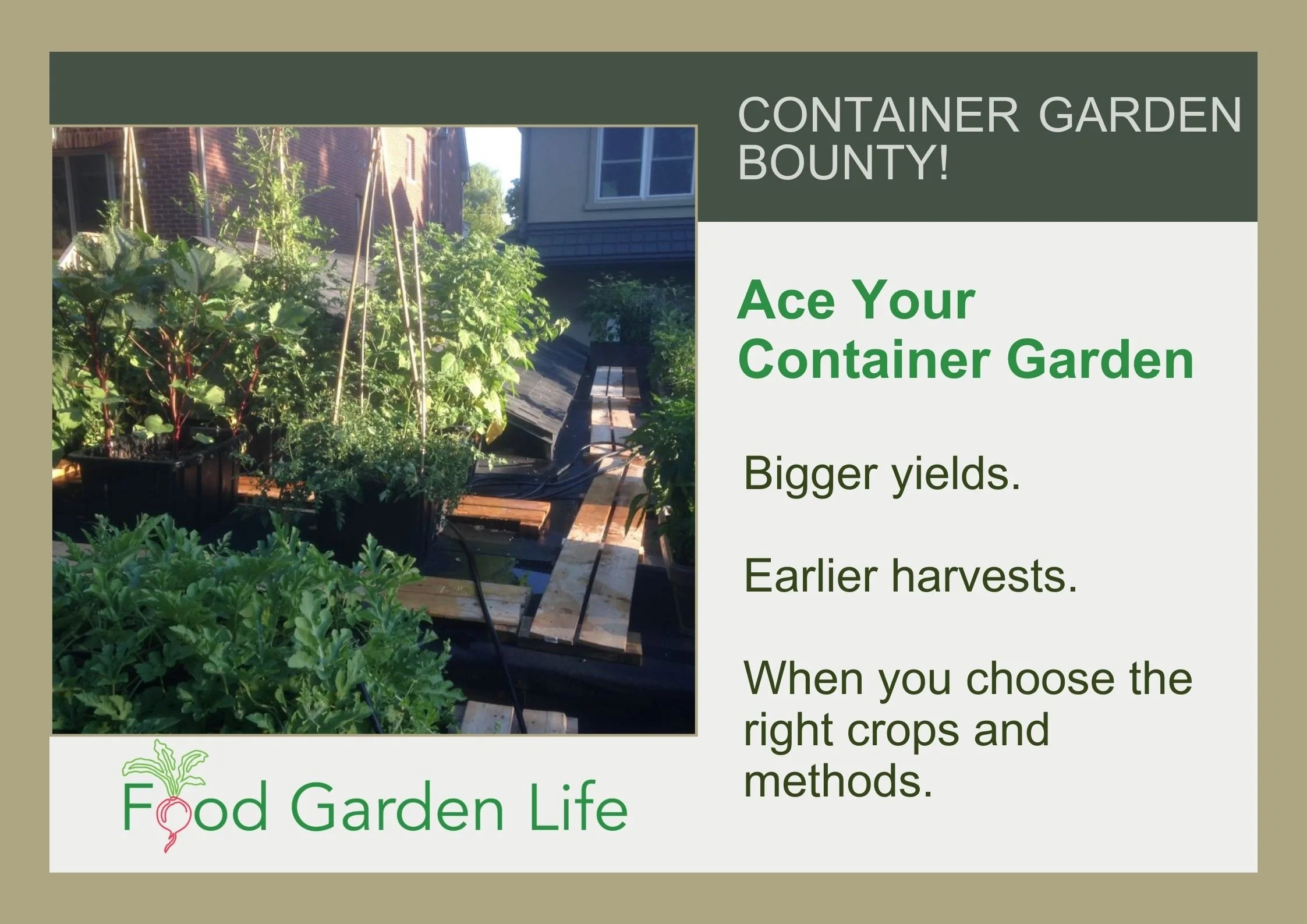
Grow a Container Vegetable Garden
And get an early harvest of crops that usually take too long!
Asssessing the Risk
In 2014, Toronto Public Health created a plain-language guide to help gardeners understand the issues surrounding possible soil contamination and growing edibles.
Josephine Archbold, who helped write the Guide for Soil Testing in Urban Gardens, says it’s wrong to think only experts can figure out when to grow and when to worry.
The guide moves away from the notion that soil is either safe or unsafe—a black-and-white approach.
“I think we need to move beyond the concept of ‘safe’ and ‘not-safe’ cut-off levels that tell gardeners to either garden (100 per cent) or not garden at all (0 per cent),” she says. Instead, the guide is intended to help gardeners think about the risk of contamination for a site, and gives options to deal with the situation. Testing is expensive, and raised beds can be expensive, too, so the guide encourages taking such actions only when the risk of contamination makes them appropriate.
Three-Step Guide
Step 1

Former orchard land is among those sites considered medium concern because of the legacy of old metal-containing sprays.
In the three-step guide, the first step is to establish a level of concern by looking at former land use. With high-concern sites (e.g., former gas stations), contamination is very likely, so the guide recommends skipping expensive tests and using risk-minimizing measures such as raised beds, container gardening, or cultivating fruit and nut trees—for which contaminant uptake isn’t a concern. Nor is soil testing recommended for low-risk sites (e.g., long-term residential areas).
There are medium-concern situations (e.g., hydro corridors and former commercial land) where testing is recommended, but even then, if gardens are smaller than 170 square feet (16 sq. m), raised beds are suggested because the cost of raised beds for such a surface area is likely less than testing. Surprisingly, former orchard land is among those sites considered medium concern because of the legacy of old metal-containing sprays.
After investigating the history of the garden site, another part of establishing a level of concern is physically inspecting soil: dig in a few random spots to see if there are unusual stains or odours, and note old equipment, tanks and debris that might provide clues to dumping. Dumping, burning, smells and staining can make for a high-concern site.
Step 2
When it comes to step two, testing the soil, the guide lists common contaminants, including some metals (such as lead, arsenic and cadmium), along with PAHs (polycyclic aromatic hydrocarbons), which Archbold explains are compounds that indicate past industrial activity. “Our soil screening values are specifically for urban gardening,” she says.
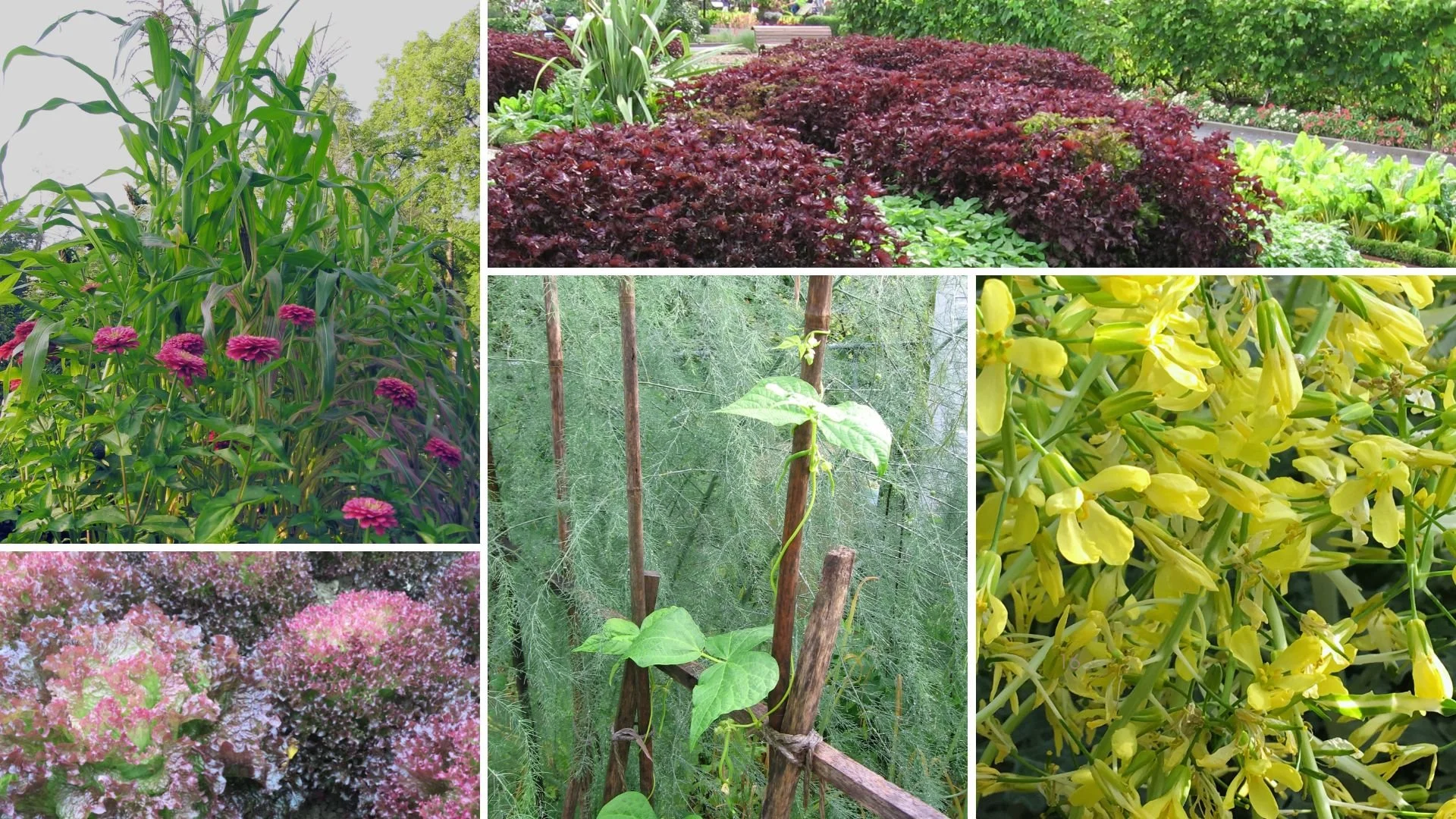
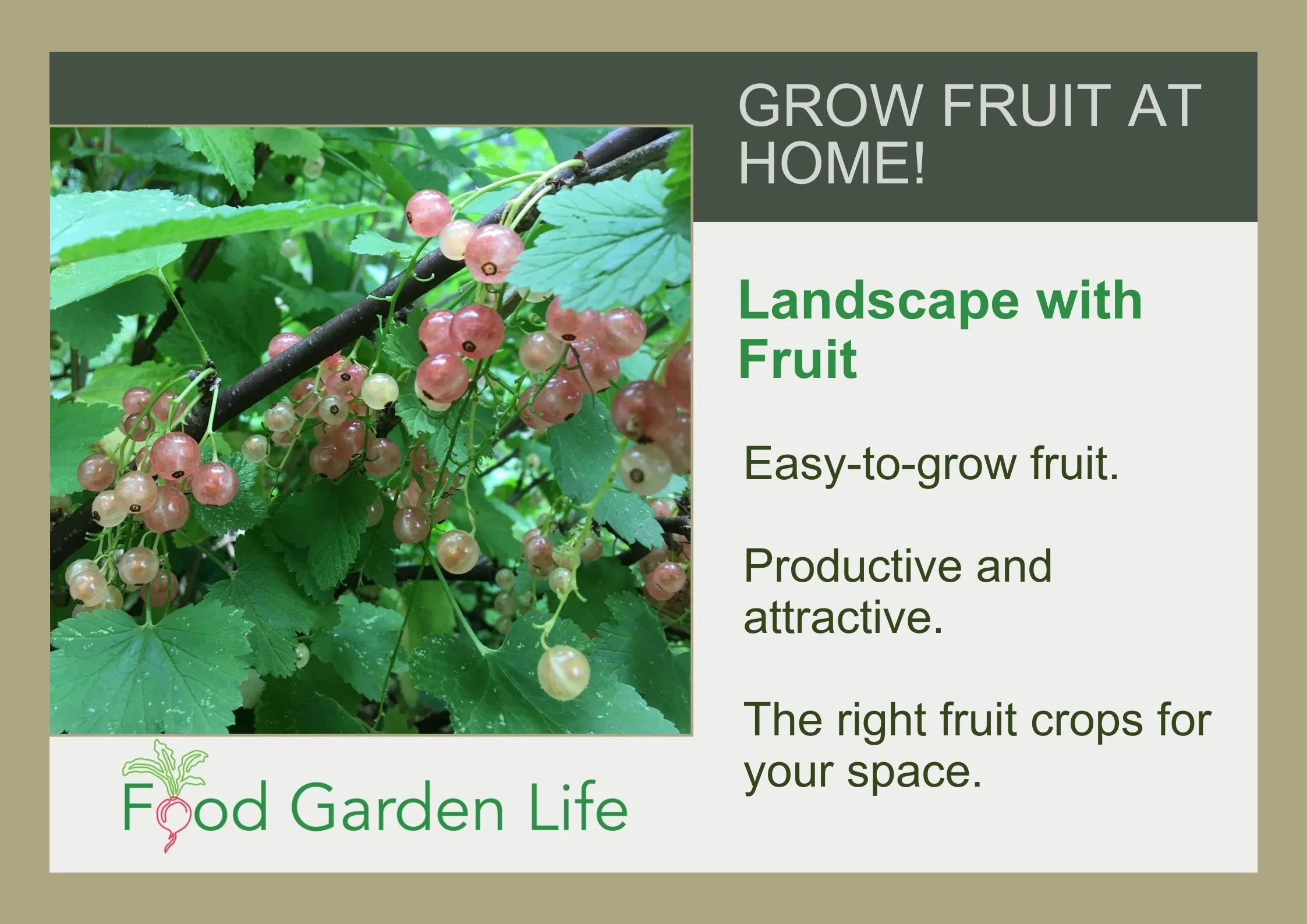
Create Your Own Unique Edible Landscape
That fits for your yard, and your style!
Step 3
The third step is to take actions to reduce risk. In keeping with the guide’s approach, the screening values don’t tell gardeners to either garden or not garden. The values help guide the actions of gardeners. For example, if test results or site history present a medium concern, suggested tactics are lowering the level of contaminants by adding clean soil and organic matter. Archbold says adding organic matter makes many contaminants less mobile.
Another example of how to reduce risk is reducing soil dust by covering soil with a mulch, peeling root vegetables before eating and avoiding crops more likely to accumulate contaminants (cabbage family, beets and spinach).
Suspect Contamination?
If you suspect contamination and opt for testing instead of raised beds, containers, or fruit and nut trees, the guide gives pointers about how to find an accredited lab in your area. When collecting soil samples, there are some important steps to follow—and the guide gives instructions for this as well.
As for the strip beside my house, I will plant a fruit tree. I still don’t know how many parts per million lead are in the soil there, but because the site inspection (namely, digging and seeing all those paint chips) points to a possibility of contamination, my guess is that lead levels could be on the high side. It’s a very small space, so I’ve ruled out expensive testing.
I’ve also ruled out a raised bed because I don’t want to redirect water into my neighbour’s yard. So, a fruit tree seems to me to be the most practical approach—and is an acceptable shade of grey for me.
Find This Helpful?
Enjoy not being bombarded by annoying ads?
Appreciate the absence of junky affiliate links for products you don’t need?
It’s because we’re reader supported.
If we’ve helped in your food-gardening journey, we’re glad of support. You can high-five us below. Any amount welcome!
More Food Gardening Ideas
Library of Articles
Courses

Lemon Mussels Gremolata Recipe
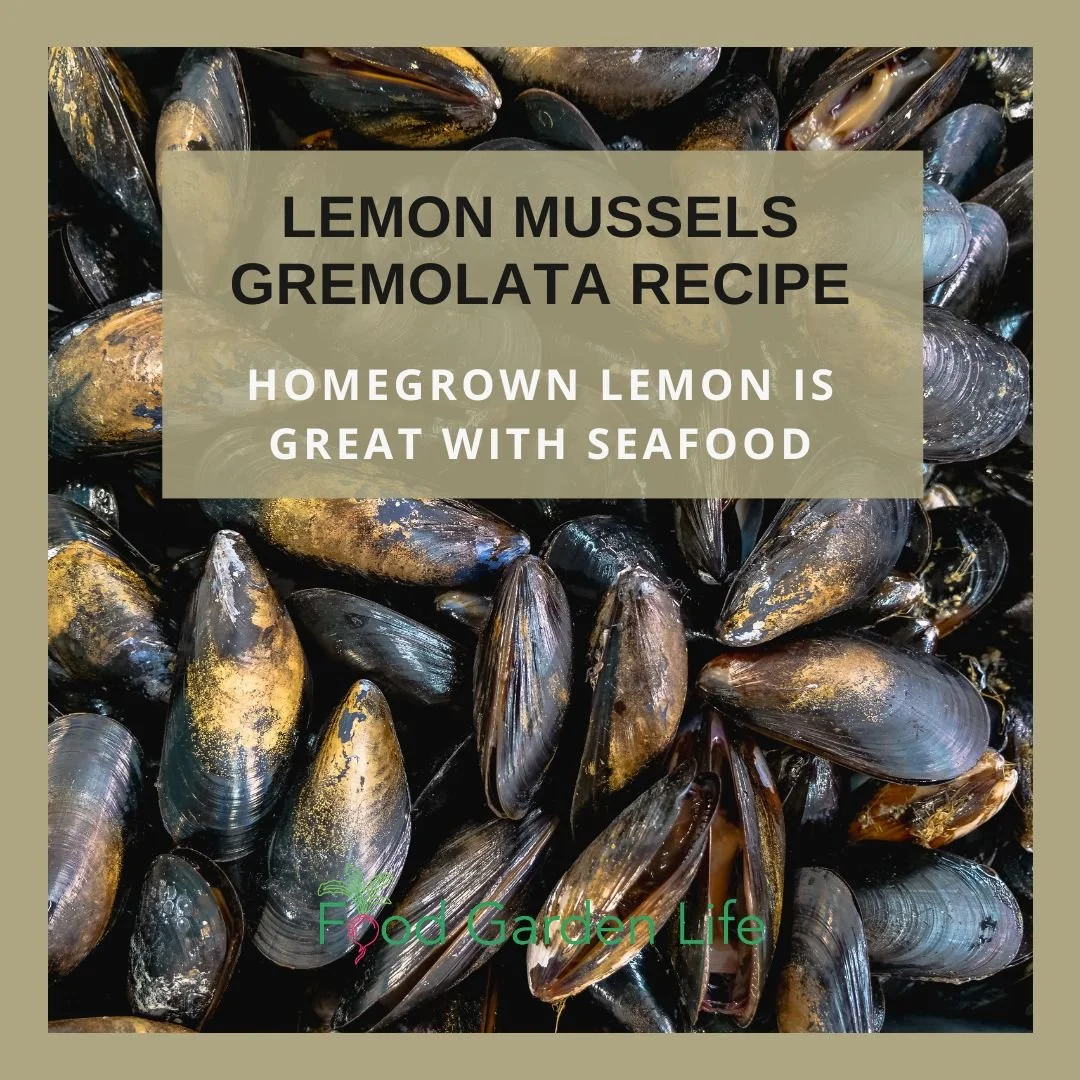
Homegrown Lemon is Great with Seafood
If you are growing a lemon tree indoors and wondering what you will do with your homegrown lemons, here’s a recipe I love and included in my book Grow Lemons Where You Think You Can’t: Lemon Mussels Gremolata.
Thanks to author, storyteller, and chef Signe Langford for sharing this recipe.
And if you’re a gardener, keep in mind that a potted lemon tree is a great addition to the garden. As well as fresh lemons, you get fragrant flowers, and flavour-packed leaves that are very useful in the kitchen!

Lemons: A Perfect Patio Plant
Lemon trees are more cold-tolerant than many people realize, which makes them an ideal potted plant for decks, patios, balconies, and gardens in northern climates. That’s because the cold-tolerance means there are many ways to overwinter lemon trees.
You don’t need a greenhouse or a bright south-facing window indoors!
As well as the fruit, if you grow lemon you will get deliciously fragrant flowers and very aromatic leaves that you can use to flavour all sorts of dishes (I love wrapping lemon leaves around a firm cheese and grilling on the BBQ!)
Read about why lemons are a great choice for northern gardens
6 Reasons to Grow a Lemon Tree in a Cold Climate
Read about how cold lemon trees can get over the winter
Find out more about my book Grow Lemons Where You Think You Can’t
Find This Helpful?
Enjoy not being bombarded by annoying ads?
Appreciate the absence of junky affiliate links for products you don’t need?
It’s because we’re reader supported.
If we’ve helped in your food-gardening journey, we’re glad of support. You can high-five us below. Any amount welcome!
More Lemon Resources
Book: How to Grow a Lemon Tree in a Cold Climate

Course: Grow Lemons

Keep Your Lemon Tree Through the Winter
And enjoy fresh homegrown lemons!
Meyer Lemon Sorbet Recipe
By Steven Biggs
Meyer Lemon Zest is a Big Part of this Sorbet

If you are growing a Meyer lemon tree and are wondering what to make, here’s a great way to enjoy the unique flavour of Meyer lemons: Meyer Lemon Sorbet.
I included this family favourite in my book Grow Lemons Where You Think You Can’t: We make it using our own homegrown lemons.
This recipe uses both the juice and the fragrant zest.
If you’re growing other citrus, you can use this same recipe to make your own sorbet. For sweeter citrus, you might want to use a bit less sugar. For other citrus such as yuzu, you might add a bit more sugar.
Find out more about yuzu, a fragrant citrus that’s a great container plant for a home garden.


Find This Helpful?
Enjoy not being bombarded by annoying ads?
Appreciate the absence of junky affiliate links for products you don’t need?
It’s because we’re reader supported.
If we’ve helped in your food-gardening journey, we’re glad of support. You can high-five us below. Any amount welcome!
Looking for More Lemon Ideas?
Here’s another lemon recipe: Mussels Gremolata with Lemon.
For more recipes and information about growing potted lemon trees in cold climates, go to the Lemon Home Page.
More on Growing Lemons
If you want to grow a potted lemon tree (that actually fruits) in a cold climate, below are a couple more resources to help you on your journey. I grow lemons and other citrus here, in Toronto, Canada. (My oldest potted lemon tree is from 1967!)
Book: Grow a Lemon Tree in a Cold Climate
Course: How to Grow a Lemon Tree in a Cold Climate
Keep Your Lemon Tree Through the Winter
And enjoy fresh homegrown lemons!
Watering Lemon Trees
By Steven Biggs

Watering is the #1 Issue for Lemon Trees
In this excerpt from my book Grow Lemons Where You Think You Can’t, I talk about watering lemon trees:
How often you water your lemon depends on your soil mix, pot type, pot size, plant size, the weather, and if the plant is growing or dormant.
“I consider overwatering to be the number one issue,” Bob Duncan says as we chat about the problems he most often sees with lemons.
If the soil is constantly soggy — lemons hate soggy soil — the roots rot, which will eventually kill the plant.
How Much Water?
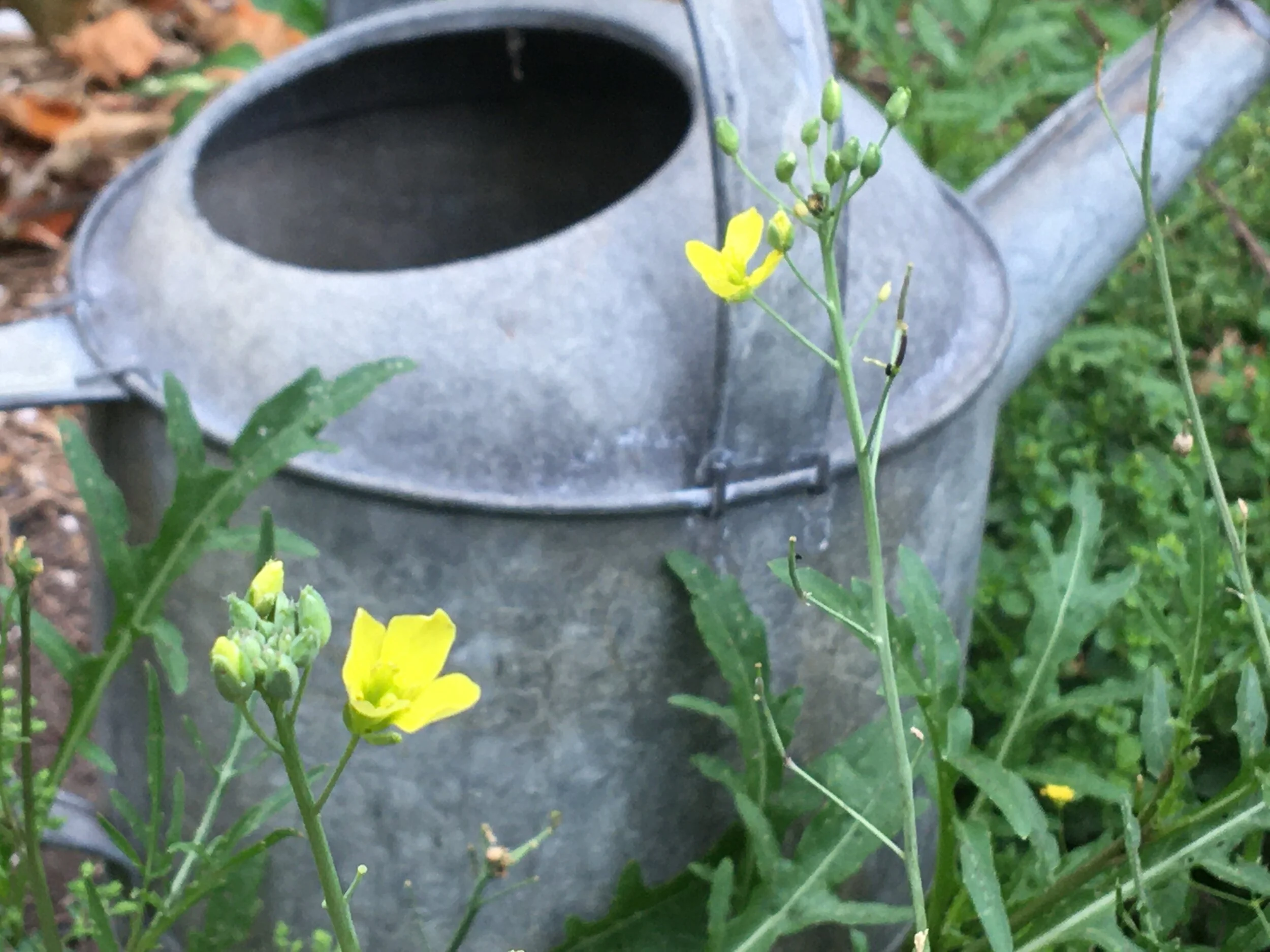
Watering is the number one issue for lemon trees.
When watering a potted lemon, apply enough water so that water comes out the drainage holes at the bottom of the pot — that’s when you know you have given it enough water. The other benefit to having water come out of the drainage holes at the bottom is that this also flushes out excess salts.
Another important watering consideration is that the lower soil in the pot remains more wet than the soil at the top — something you won’t be aware of unless you take the plant out of the pot. Don’t decide to water based only on how dry the top of the soil feels. Looks can be deceiving.
You want to give the plant time to use up the moisture in the bottom of the pot but not leave it to the point where the soil is too dry.
Once you get the hang of it, it’s not difficult. The following considerations will help you decide if it’s time to water:
Keep Your Lemon Tree Through the Winter
And enjoy fresh homegrown lemons!
Knowing When to Water
In the summer, when the lemon is growing, it will need regular watering.
Your lemon will still need some water in the winter, even if it’s not growing much. That’s because lemons are evergreen — they keep their leaves — so the plant will continue to lose some water through the leaves. (If you upset them, however, they might drop their leaves.)
I like Bob’s watering lingo for lemons stored in a cool place over the winter: “Keep them on the dry side of moist.”
If the pot is small enough, with a little practice you’ll be able to tell if your lemon needs water just by picking it up and feeling the weight of it.
If in doubt, stick your finger into the soil.
Don’t forget: The type of pot that you have affects how often you have to water. Soil in unglazed terracotta pots dries out more quickly than soil in plastic pots.
In summary: Don’t water a little bit each day!
Find This Helpful?
Enjoy not being bombarded by annoying ads?
Appreciate the absence of junky affiliate links for products you don’t need?
It’s because we’re reader supported.
If we’ve helped in your food-gardening journey, we’re glad of support. You can high-five us below. Any amount welcome!
More Lemon-Growing Information
Lemons: Articles and Interviews
Drop by the lemon home page for more articles and interviews to help you grow lemon trees at home.
Here’s a chat with a lemon expert to help you grow more lemons:
Lemons: Book on Lemons in Cold Climates

How Cold can Lemon Trees Get?
By Steven Biggs
Overwintering Lemon Trees
There are many ways to overwinter lemon trees, because they tolerate colder temperatures than many people realize.
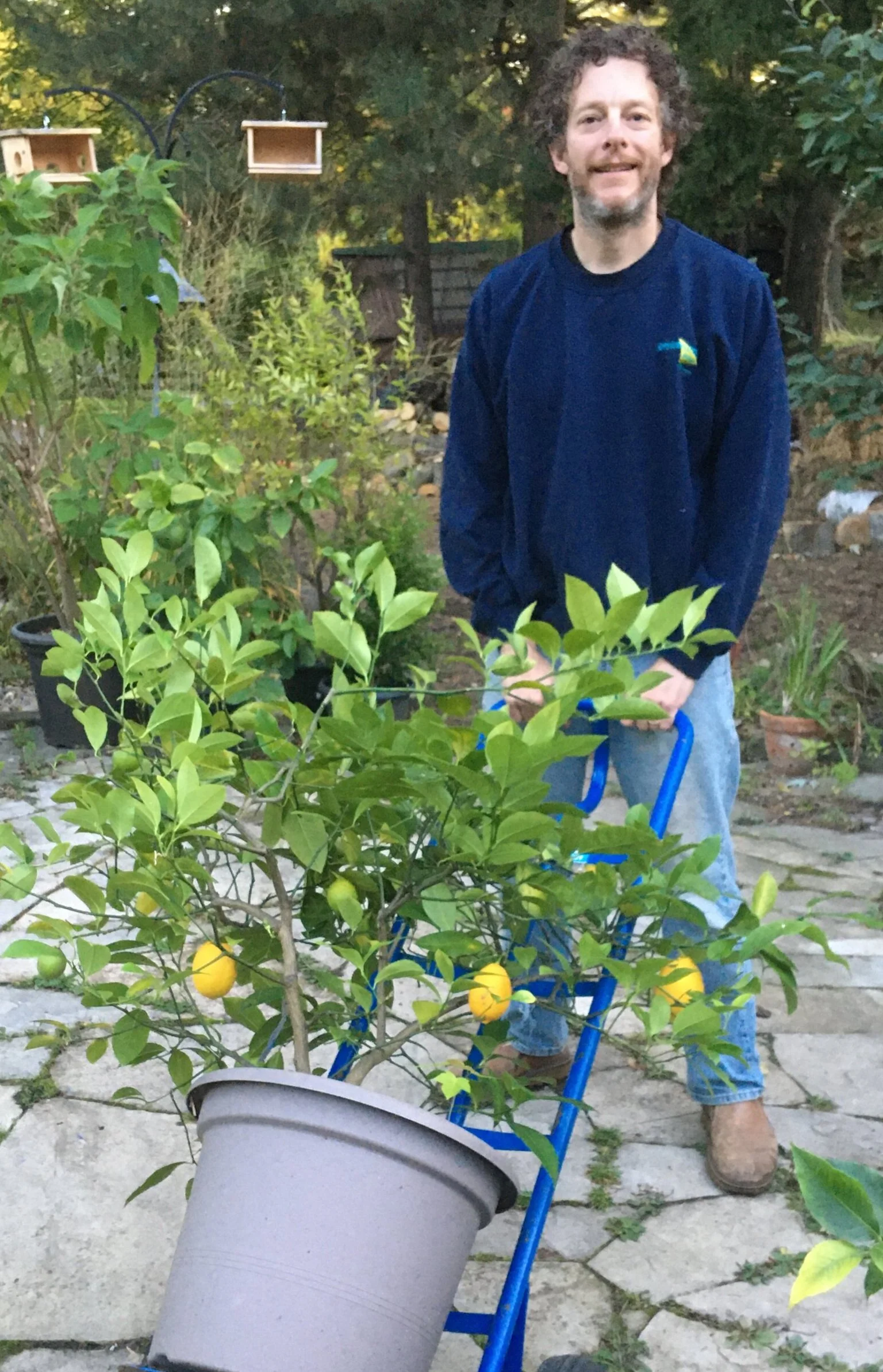
In the picture below, I’ve loaded up a potted Meyer lemon plant to move into a protected area for the winter.
In the beginning, I used to grow it in the kitchen all winter.
Then, I started leaving it in the dark, cold garage for the winter.
These days, I put it in a greenhouse that I keep just above freezing.
Wondering what to do with a potted lemon tree for the winter? In this excerpt from my book Grow Lemons Where You Think You Can’t, I talk about how cold-hardy lemon trees are.
MY LEMON TREES DID VERY WELL when I moved into a house with an old sunroom that stayed just above freezing in the depth of winter.
There are many options for overwintering lemon trees in cold climates because they tolerate cold.
Sadly (for me), the dilapidated sunroom succumbed to a house renovation and my precious lemons were banished to an insulated garage for the winter. Normally, I kept an electric heater in the garage that I could flick on if the temperature plummeted.
But while we renovated, there was no power to the garage, and during a particularly cold spell, the temperature inside the garage dropped well below freezing.
I was heartbroken to think I’d lost my lemons.
Happily, they survived. Only a few branch tips died. For plants that I associated with Mediterranean climates,
I was delighted to learn that lemons are amazingly cold tolerant!
Many factors determine cold hardiness
It’s not an exact science.
For example:
Young plants are more tender.
Fruit and young shoots will be affected before older, woodier stems.
If the plant is already dormant from cool temperatures, it can better withstand cold than an actively growing plant.
With grafted lemon plants, some rootstock are more cold-tolerant than others.
Keep Your Lemon Tree Through the Winter
And enjoy fresh homegrown lemons!

Citrus expert Bob Duncan of Fruit Trees and More on Vancouver Island says to remember the temperature at which the fruit freezes.
The MOST Important Temperature to Remember
When I asked citrus guru Bob Duncan from the nursery Fruit Trees and More about lemon hardiness and minimum winter temperatures, he stopped me and took me back a step, saying:
“With lemons the fruit is on the tree in the winter. The question to ask is ‘What temperature does the fruit freeze at?’”
Bob went on to explain that the fruit of citrus is at risk at anything below -3°C (27°F).
Find This Helpful?
Enjoy not being bombarded by annoying ads?
Appreciate the absence of junky affiliate links for products you don’t need?
It’s because we’re reader supported.
If we’ve helped in your food-gardening journey, we’re glad of support. You can high-five us below. Any amount welcome!