
How to Grow a Dragon-Themed Garden with Kids
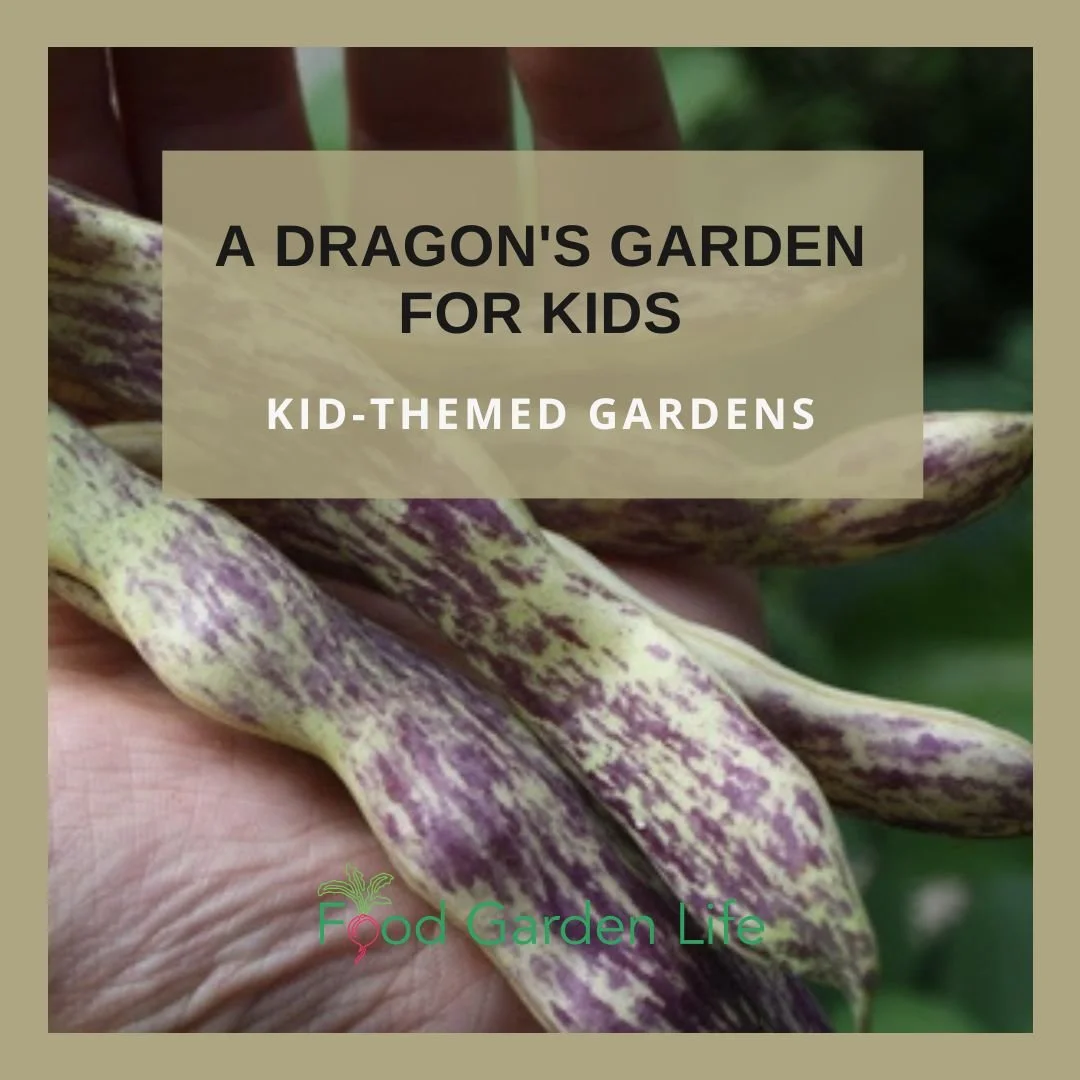
Turn a child’s fascination with dragons into a garden filled with scales, spines, eggs, claws—and plants with wonderfully dragony names.
A dragon garden is a theme garden filled with plants that have dragon names—or look as though they belong to a dragon. Think Dragon Tongue beans, Dragon’s Egg cucumbers, snapdragons, spiny litchi tomatoes, ridged Cocozelle zucchini, and serpent-like gourds.
The idea came from Finn, a young gardener who loved dragons. And that’s the best starting point for a children’s garden: not what adults think children ought to grow, but something that children love.
The best children’s gardens don’t begin with a lesson plan. They begin with a spark, something the child already loves.
Finn and his mom came to my daughter Emma's talk about gardening activities for children.
Emma told the kids they didn't have to garden like grown-ups, because grown-ups want things to look nice. Kids just want it to be fun.
She asked the kids in the audience to think of ways to make their gardens fun. Really fun. One way to do that, she explained, is to pick something you like and then use it to make a theme garden.
Grow a tickling garden with plants that are good for tickling—great for the whole family.
Grow a garden in your favourite colour. Emma once met a child who grew a purple garden.
Grow a giant’s garden with giant sunflowers and mammoth pumpkins.
Dragon Garden Sparks Finn's Imagination
After Emma talked about theme gardens, she told the kids about some of her own favourite plants that summer.
And one of her favourite plants was a bean with unusual markings called 'Dragon Tongue'.
The next morning, Finn's mom sent us a note. He loved the 'Dragon Tongue' bean. He loved dragons.
So he decided he'd grow a dragon-themed garden.
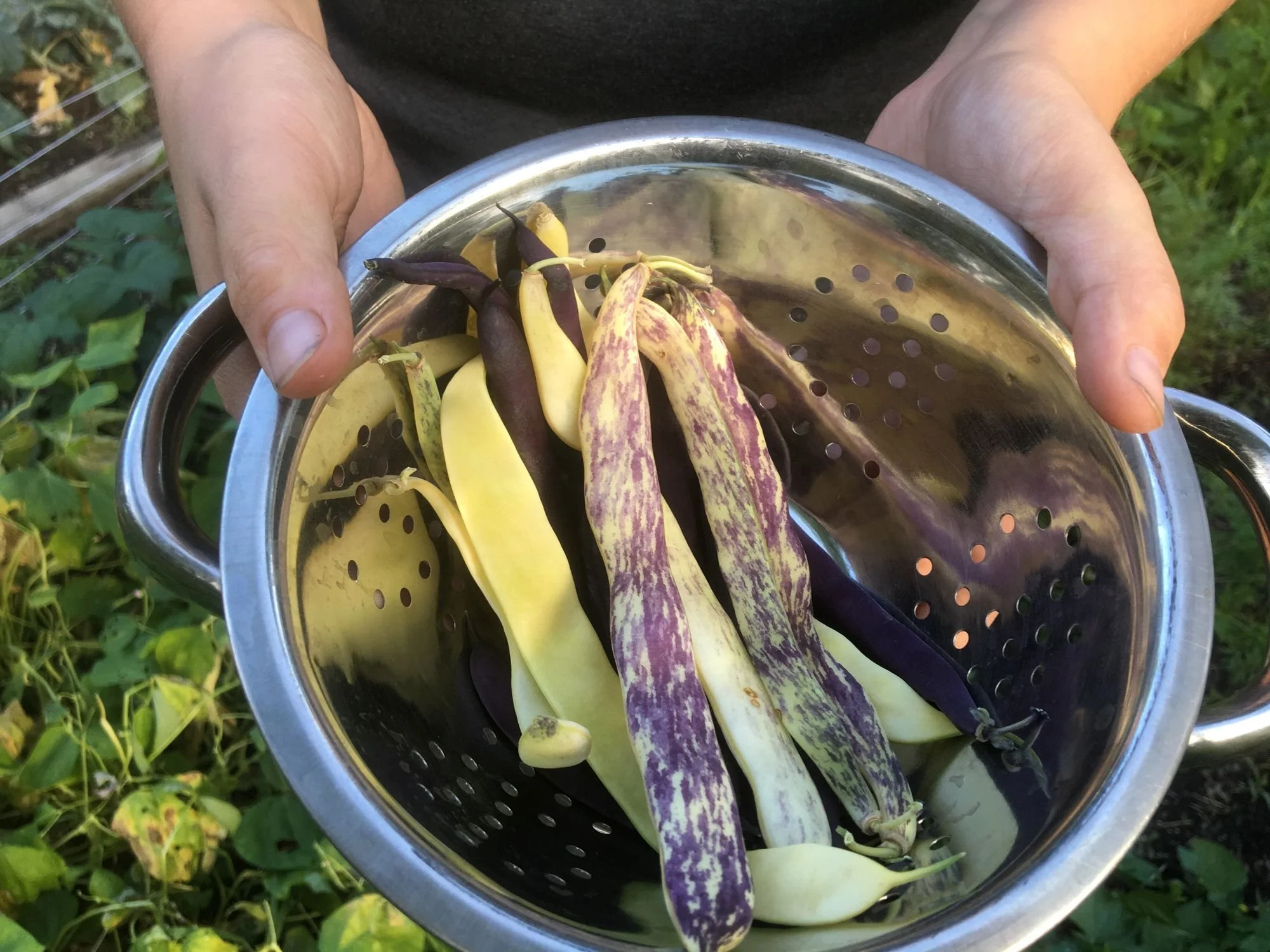
Purple-streaked Dragon Tongue bean pods—the plant that inspired Finn’s dragon garden.
Plants with Dragon Names
Emma and I loved Finn's idea for his own garden.
His dragon-themed garden.
So we scoured seed websites and seed catalogues for dragon-themed plants.
Here's what we came up with:
| Plant | What it brings to the dragon garden |
|---|---|
| Dragon Tongue bean | A compact bush bean with yellow pods streaked in purple. It’s the plant that inspired Finn’s dragon garden—and the young pods are edible. |
| Dragon’s Egg cucumber | This cucumber produces cream-coloured fruit about the size and shape of a large egg. Perhaps there’s a dragon inside. |
| Purple Dragon carrot | Its reddish-purple skin hides a bright orange interior. Pulling one from the ground reveals the surprise. |
| Red Dragon arugula | A peppery salad green with deeply lobed leaves and striking reddish-purple veins. Grow it during the cooler parts of the season. |
| Dragon’s Fire arugula | Dark green, serrated leaves have fiery maroon veins—and a peppery bite worthy of the name. |
| Tongue of Fire bean | An Italian bush bean with cream-coloured pods and seeds marked by flame-like red streaks. Eat the young pods or let the beans mature for shelling. |
| Snapdragon | Gently squeeze the sides of a flower and its dragon-like mouth opens. Snapdragons come in many sizes and colours. |
| Dragon’s Toe pepper | A wrinkled, pointed hot pepper that ripens to yellow or orange. The fruit looks a bit like a claw—or a dragon’s gnarled toe. |
| Green Dragon cucumber | Long, slender, dark green cucumbers grow especially straight when the vines climb a trellis. The fruit is crisp, sweet, and good for slicing. |
| Thai Dragon hot pepper | Slender peppers point upwards on the plant, turning from green to fiery red. This is a genuinely hot dragon, so little gardeners shouldn’t taste it. |
| Blue Dragon dracocephalum | Also called Moldavian dragonhead, this aromatic plant has blue flowers, lemon-scented leaves, and plenty of appeal for bees. |
| Flower Dragon watermelon | A relatively early watermelon with light green skin, dark tiger-like stripes, and sweet red flesh. |
| Black Dragon coleus | Its deeply ruffled, almost black-purple leaves have fiery burgundy centres. A good dragon-garden choice for a container or partly shaded spot. |
| Dragon’s Claw millet | The seed heads divide into upward-pointing “fingers” that really do resemble claws. They also dry well for autumn arrangements. |
Plants That Look Like They Belong in a Dragon Garden
Then we thought about how we'd describe a dragon. We came up with ideas like spiny, toothy, winged, and pointy.
That helped us find even more plant ideas for a dragon-themed children's garden:
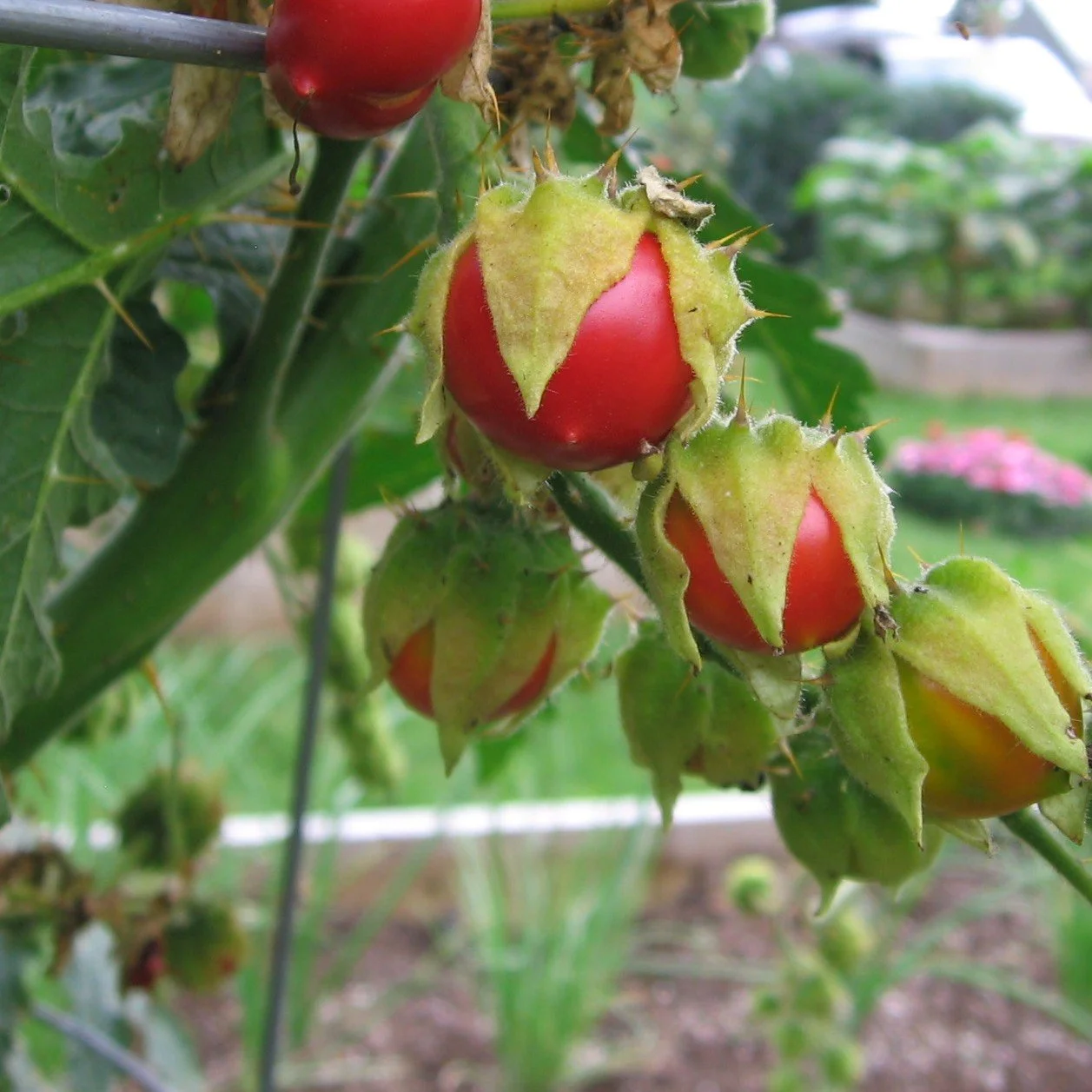
Ripe litchi tomatoes emerge from spiny green husks—fruit with built-in dragon armour.
Ridged and striped: Cocozelle zucchini. Its raised ribs and striped green skin look very dragony. (Suggested by reader Donna.)
Spiny: Litchi tomato has stems, leaves, and fruit husks armed with prickles.
Scaly: Lacinato kale has dark, heavily textured leaves and is also called dinosaur kale.
Egg-like: Small white eggplants look ready to hatch.
Serpent-like: Snake gourds grow into long, twisting fruit.
Toothy: Agave leaves have formidable teeth—but keep them away from paths and small hands.
Winged: A winged bean or angel wing begonia fit the bill.
Gardening with little ones? Choose plants without prickles or fiery hot fruit—or place them where kids can look but not touch.
How to Build a Dragon Garden
Children can take the lead in planning a dragon garden. Older kids might do much of it themselves, while little ones may need help narrowing their choices and preparing the space.
You don’t need a separate garden bed: a few large containers can make a perfectly good dragon garden on a patio or balcony.
Ask the child what makes a plant dragony. Is it scaly, fiery, toothy, winged, enormous, or egg-shaped?
Choose three to six plants. A small dragon garden is easier for a first-time gardener to care for.
Choose a garden bed or large containers. Many vegetables need at least six hours of sun, while leafy greens and coleus can go in a partly shaded spot.
Draw the dragon garden. Children can decide where the tail, eggs, wings, or lair belong.
Plant it together.
Add non-plant details. Painted stones can become dragon eggs; sticks can mark out a nest or cave.
Care for it together. Water the plants, pull weeds, and watch for the first dragon eggs, claws, and fiery fruit.
Takes lots of pictures.
Find seeds or plants. Buy or trade them.
Start plants at the right time.
Another Themed Garden for Kids
Check out the picture below of the harvest from Emma's rainbow-themed garden. It's full of veggies with as many colours as possible.
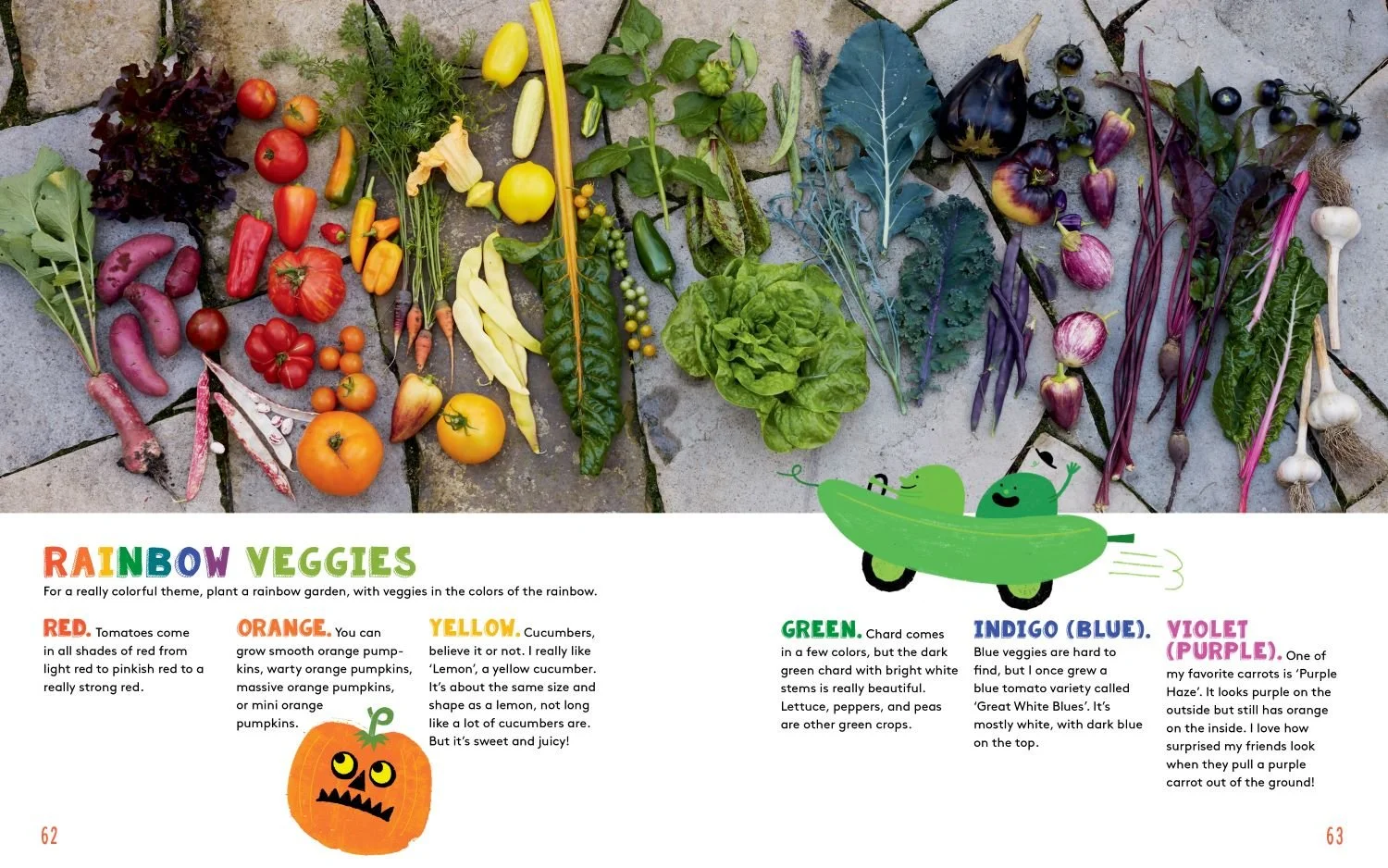
Emma’s rainbow garden combined vegetables in as many colours as she could find—another example of starting with a theme a child finds exciting. From Gardening with Emma.
More Theme Garden Ideas
Pizza garden. Vegetables and herbs used to make a pizza.
Salsa garden. Herbs and veggies to make homemade salsa.
Bug garden. For kids who love bugs, set up an outdoor space where they can have their own scavenger hunts for bugs! Include logs and rocks that kids can lift up to hunt for bugs, and flowers for flying insects.
Hummingbird garden. For children who are interested in birds, select flowers that attract hummingbirds.
Mud kitchen. This is more an outdoor play space than a garden. Give children soil, seeds, flowers—whatever you’re willing to part with—and let them make mud stew. We’ve had a great deal of mud stew prepared in our garden over the years.
Give Children Ownership of the Garden
Gardening can be a fun way of spending time together with kids. But it can be boring if it's too adult-centric.
The point isn’t to produce a perfectly arranged garden. It’s to give children enough ownership to make the garden theirs.
Adults might see a striped zucchini, a prickly tomato, and a crooked gourd. A child might see scales, armour, and a dragon’s tail. That imagination is what might keep a young gardener coming back to see what happens next.
More Kids Gardening Ideas
Looking for more kids gardening ideas?
Click the button below to head over to the children's gardening area for more gardening activities for kids.
Find This Helpful?
Enjoy not being bombarded by annoying ads?
Appreciate the absence of junky affiliate links for products you don’t need?
It’s because we’re reader supported.
If we’ve helped in your food-gardening journey, we’re glad of support. You can high-five us below. Any amount welcome!
A Canadian Gardener’s Bookshelf
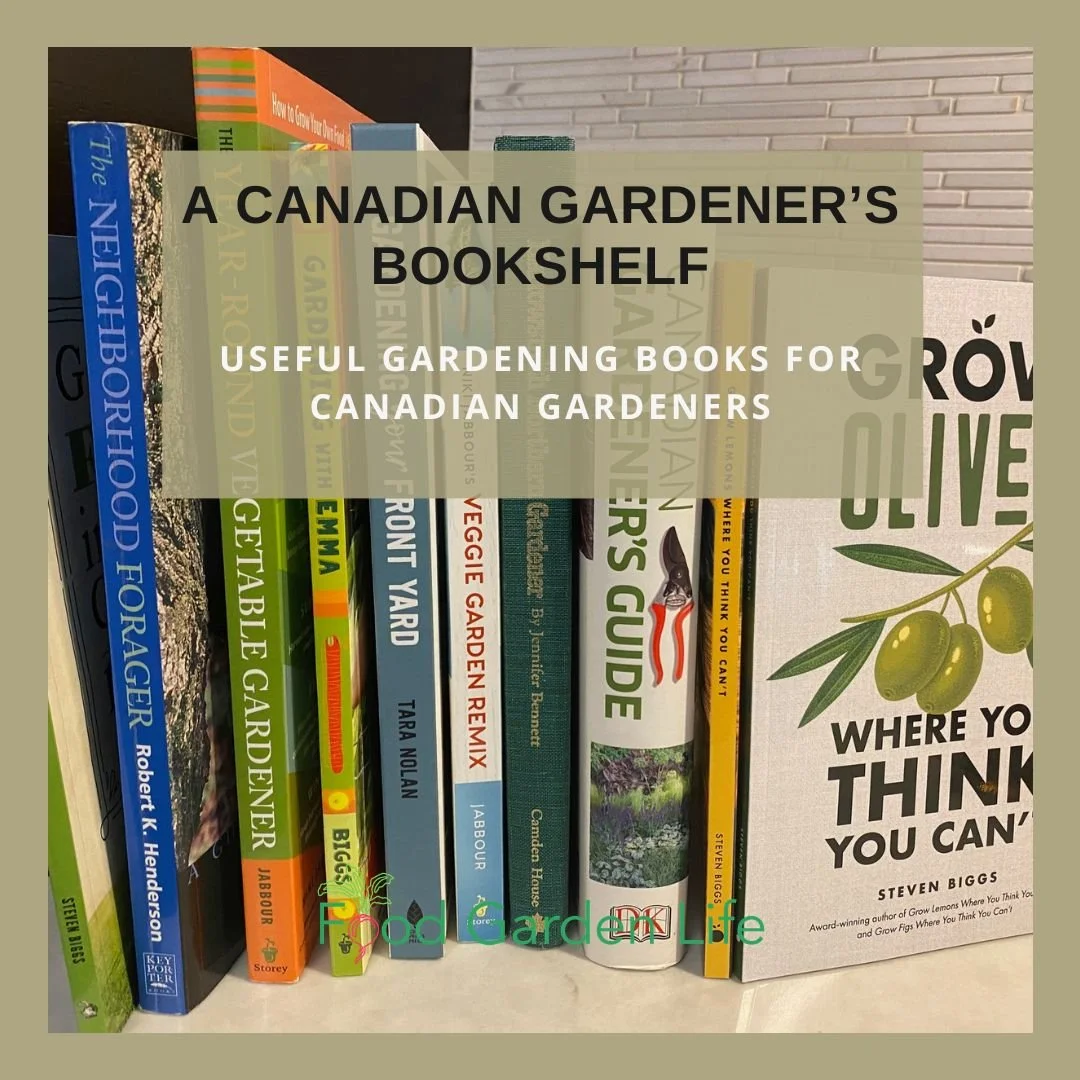
Useful gardening books for Canadian gardeners, plus older titles worth hunting down
I love a good gardening book.
I also know that Canadian gardeners sometimes have to read gardening advice with one eyebrow raised. We have zone envy. Or there are plants or products we can’t get here.
That does not mean every Canadian gardening book applies across Canada. Gardeners in Victoria, Toronto, Winnipeg, and St. John’s deal with very different conditions.
But Canadian garden writers often begin with familiar realities: short or unpredictable growing seasons, cold winters, regional differences, small urban spaces, and the need to make the most of the season we have.
Here are books I think are useful, distinctive, or simply enjoyable for Canadian gardeners. This is a personal list, not a ranking. I know some of the authors, and I have co-written or published several of the books near the end. I have included those because they fill particular niches, but I will identify them clearly.
Last updated August 2026.
A broad Canadian gardening reference
Canadian Gardener’s Guide, 3rd Edition
Canadian editor: Lorraine Johnson
This is a useful place to start if you want one broad reference covering food and ornamental gardening.
It includes plant selection, garden care, common problems, landscaping projects, native plants, short-season vegetables, cold frames, and rain gardens. The Canadian editing does not make every recommendation universal, but it gives the book a more useful frame of reference than many general gardening encyclopedias. I highly recommend it, I’m a big fan of Lorraine’s work.
Vegetable gardening and a longer harvest
Four books by Niki Jabbour
Halifax-area gardener Niki Jabbour is a thought leader in vegetable gardening. She’s written four books that complement one another really well. Together, they cover season extension, crop protection, unusual vegetables, and food-garden design.
The Year-Round Vegetable Gardener
Start here if your main goal is to stretch the harvest beyond summer.
The book covers succession planting, cold-tolerant vegetables, cold frames, tunnels, and other ways to keep harvesting through colder parts of the year.
I like that winter is not treated simply as the point when the gardening books get put away.
Growing Under Cover
This is the choice for gardeners interested in row covers, low tunnels, cold frames, shade cloth, and other protective structures.
It goes beyond keeping plants warm. Covers can also protect crops from pests, wind, intense sun, and increasingly erratic weather.
Niki Jabbour’s Veggie Garden Remix
Choose this one if you’re tired of growing the same vegetables every year.
Niki introduces unusual vegetables and lesser-known edible plants from around the world, often beginning with a familiar crop and suggesting more adventurous relatives.
Groundbreaking Food Gardens
This is the most design-oriented of the four.
It gathers 73 food-garden plans and ideas from gardeners, growers, and designers with very different spaces and goals. Instead of presenting one perfect layout, it shows how many forms a productive garden can take. Good way to get your creative juices flowing.
Listen: Hear my conversation with Niki about favourite vegetable varieties, or hear her ideas for growing under cover.
Raised Bed Revolution
Build It! Fill It! Plant It! Garden Anywhere
Tara Nolan
Raised beds can solve many problems: poor soil, difficult drainage, awkward spaces, accessibility needs, and the simple desire to stop kneeling in the mud.
Tara combines practical growing advice with a wide range of construction and layout ideas. It is especially useful if you want to build something more considered than a traditional coffin-like four boards arranged in a rectangle.
Backyard Bounty
The Complete Guide to Year-Round Organic Gardening in the Pacific Northwest
Linda Gilkeson
This is deliberately regional, and that is its strength.
It is particularly relevant to gardeners in coastal British Columbia and the Pacific Northwest, where mild winters, wet weather, and a long, cool growing season create different possibilities from those in most of Canada.
West Coast Gardening
Natural Insect, Weed and Disease Control
Linda Gilkeson
This is a detailed reference for gardeners looking for organic ways to identify and manage pests, diseases, and weeds.
Again, its strongest audience is in coastal British Columbia and the Pacific Northwest. Gardeners elsewhere will still find useful principles, but should interpret specific pests and timing through their own region.
For serious vegetable growers
These books are written primarily for market gardeners and experienced growers. Home gardeners may not need every crop plan, financial calculation, or production system, but the underlying ideas can transform how a productive garden is organized.
The Market Gardener
A Successful Grower’s Handbook for Small-Scale Organic Farming
Jean-Martin Fortier
Quebec grower Jean-Martin Fortier explains his approach to biointensive growing on a small acreage.
The book covers permanent beds, soil preparation, crop planning, hand tools, efficient work systems, and producing more without relying on large machinery.
You probably do not need to apply every commercial practice to a home garden. But its questions are valuable: Which jobs create unnecessary work? How can beds be organized more efficiently? How can a small space produce more without simply becoming a larger burden?
Listen: Hear my conversation with Jean-Martin Fortier about profitable small-scale farming.
The Winter Market Gardener
Jean-Martin Fortier and Catherine Sylvestre
This practical guide focuses specifically on winter vegetable production for small farmers in northern climates.
It covers crop planning, protective structures, tools, pests, diseases, crop selection, and storage. Catherine Sylvestre brings extensive experience with greenhouse production and cold-season growing in Quebec.
It is aimed mainly at commercial growers, but serious home gardeners using tunnels, cold frames, or an unheated greenhouse will find plenty to study.
Fruit trees for home gardens
Growing Fruit in Northern Gardens
Sara Williams and Bob Bors
This is one of the most useful broad references for growing fruit in cold Canadian climates.
Saskatchewan horticulturists Sara Williams and Bob Bors cover fruit-growing fundamentals, hardiness, site selection, planting, care, pests, and diseases. The book ranges widely, from apples and other tree fruits to grapes, berries, haskap, sour cherries, and less familiar fruits suited to northern gardens.
Bors brought decades of experience breeding cold-hardy fruit at the University of Saskatchewan, while Williams was an influential Prairie garden writer and horticulturist. Their combined perspective makes this especially valuable for Prairie and northern gardeners, although much of the information is useful anywhere cold winters and short growing seasons limit the usual fruit choices.
The book is written for home gardeners rather than commercial orchardists. Distribution is now limited because the original publisher closed.
Designing a Fruit Tree Garden
How to Choose Fruit Trees That Thrive in Your Climate and Space
Susan Poizner
Fruit-tree mistakes can take years to reveal themselves. The wrong tree might grow too large, need a pollination partner you do not have, or be poorly suited to the climate.
Toronto fruit-tree educator Susan Poizner begins before the planting hole is dug. She helps readers consider climate, available space, pollination, tree size, location, and garden design.
This is the book I would recommend first to someone planning a new home orchard or adding one or two fruit trees to a yard.
Poizner has also written specialist books about pruning and grafting. Her earlier book, Growing Urban Orchards, is a more story-driven look at choosing, planting, pruning, and caring for fruit trees in backyards and community orchards.
Listen: Hear my conversation with Susan Poizner about choosing, pruning, and caring for fruit trees.
Storing the harvest
The Complete Root Cellar Book
Building Plans, Uses and 100 Recipes
Steve Maxwell and Jennifer MacKenzie
Growing food is only half the story. Eventually, a gardener has to decide what to do with the carrots, potatoes, apples, squash, and other crops that arrive all at once.
This Canadian book combines Steve Maxwell’s building knowledge with Jennifer MacKenzie’s food expertise. Both bring deep practical experience to the subject.
It includes detailed illustrated plans for four types of root cellar, including possibilities for people without a traditional basement cellar. It also explains temperature, humidity, ventilation, crop requirements, and managing stored produce.
The second part contains 100 recipes using stored fruits, vegetables, nuts, and preserves.
It is useful both for someone planning a full-sized root cellar and for a gardener trying to improve a smaller cold room or improvised storage space. It takes the food-gardening bookshelf beyond growing and into keeping the harvest edible for more than a fortnight. (And it inspired me to build a cold cellar!)
Listen:Hear Steve Maxwell discuss food storage and root cellars, and hear Jennifer MacKenzie share root-vegetable ideas and recipes from the book.
Food gardening beyond the backyard vegetable patch
Gardening Your Front Yard
Projects and Ideas for Big and Small Spaces
Tara Nolan
The front yard is often the largest unused patch of sunny ground around a home.
This book explores ways to use it for food, pollinator habitat, rain gardens, pathways, privacy, and more interesting landscaping than the standard lawn-and-foundation-shrub arrangement.
It is useful for anyone interested in edible landscaping or in making a front yard do more than hold the house back from the street.
Listen: Hear my conversation with Tara Nolan about making better use of the front yard.
The Regenerative Garden
80 Practical Projects for Creating a Self-Sustaining Garden Ecosystem
Stephanie Rose
This is a practical introduction to working with natural systems in the home garden.
The projects touch on soil, water, biodiversity, food growing, plant communities, climate, and the reuse of garden materials. It makes regenerative and permaculture ideas approachable without assuming that you have acreage, livestock, and a beard full of straw.
Listen:Hear my conversation with Stephanie Rose about regenerative gardening.
Garden Alchemy
80 Recipes and Concoctions for Organic Fertilizers, Plant Elixirs, Potting Mixes, Pest Deterrents, and More
Stephanie Rose
This is for gardeners who like to understand and make the materials they use.
It includes recipes and projects for potting mixes, fertilizers, soil amendments, plant preparations, and pest deterrents. It is practical, hands-on, and particularly appealing to people who enjoy experimenting.
Listen: Hear Stephanie Rose discuss garden healing and ideas from Garden Alchemy.
Native plants and pollinators
100 Easy-to-Grow Native Plants for Canadian Gardens
Lorraine Johnson
This was one of the foundational Canadian books about using native plants in gardens.
The third edition profiles plants for different regions, sites, and growing conditions, with advice about plant combinations and garden use.
It is an excellent starting point for gardeners who want to add native plants without turning the project into a botany graduate thesis.
A Garden for the Rusty-Patched Bumblebee
Creating Habitat Gardens for Native Pollinators: Ontario and Great Lakes Edition
Lorraine Johnson and Sheila Colla
This book focuses on Ontario and the Great Lakes region.
It explains how to create pollinator habitat in yards, community spaces, boulevards, and balconies, and includes detailed profiles of native plants and the pollinators they support.
The regional focus is useful rather than limiting. Gardeners elsewhere can look for resources that identify the plants and pollinators specific to their own area.
Taming Wildflowers: Bringing the Beauty and Splendor of Nature’s Blooms into Your Own Backyard
Miriam Goldberger
Goldberger, co-founder of Ontario’s Wildflower Farm, brings a grower’s experience and an exuberant love of flowers to this guide. It covers growing wildflowers from seed, bringing them into the garden, supporting pollinators, and harvesting them for bouquets.
Houseplants and indoor gardening
The New Plant Parent
Darryl Cheng
Many houseplant books give rigid instructions: water every Tuesday, provide “bright indirect light,” and hope the plant has read the same book.
Toronto author Darryl Cheng takes a more thoughtful approach. He explains light, water, nutrients, growth, and changing plant needs so readers can make better decisions rather than follow a fixed care recipe.
It is one of the strongest books for building a genuine understanding of indoor plants.
The New Plant Collector
Darryl Cheng
This follow-up is for people moving beyond their first assortment of common houseplants.
It covers unusual and collectible plant groups, propagation, and the changing needs of plants as they grow. Start with The New Plant Parent for fundamentals, then move to this one when the plant shelves begin colonizing additional rooms.
Gardening with children
Gardening with Emma
Grow and Have Fun: A Kid-to-Kid Guide
Emma Biggs and Steven Biggs
A disclosure is clearly needed here: Emma is my daughter, and I co-wrote this book with her. What a fun project!
The book grew from Emma’s experiences as a young gardener. It includes food growing, unusual plants, garden projects, playful designs, and ideas for exploring outdoors.
What makes it different is the kid-to-kid point of view. It is less about adults assigning worthy gardening activities and more about what a child might genuinely find fun.
It is suited to families, school libraries, classroom gardens, and children who are curious about plants but not keen to sit through a lecture from Dad.
A Canadian garden journal
Canada Gardener’s Journal
This is a garden journal and planner rather than a conventional how-to book.
It provides space to record planting dates, varieties, garden jobs, harvests, weather, and observations, along with seasonal information and a Canada-wide source directory.
The award-winning journal was originally developed by Margaret Bennet Alder, then carried forward by Helen and Sarah Battersby. I’m now its custodian, responsible for keeping it useful, practical, and rooted in the experience of Canadian gardeners.
Memory is an unreliable filing cabinet, especially where variety names are concerned. A journal helps!
Listen: Hear Helen Battersby tell the story of Margaret Bennet-Alder and the journal she created.
Garden writing and plant lore
The Untamed Garden
A Revealing Look at Our Love Affair with Plants
Sonia Day
Not every gardening book needs to tell us when to sow the beans.
Longtime Canadian garden writer Sonia Day explores the stories, history, myths, botany, and peculiar human behaviour surrounding plants. She looks at why particular plants have attracted, delighted, enriched, poisoned, and occasionally obsessed us.
This is a book to read for pleasure rather than a manual to keep beside the potting bench. Day’s humour and curiosity make it a good choice for gardeners who enjoy the stories behind the plants as much as growing them.
Escape to Reality
How the World Is Changing Gardening, and Gardening Is Changing the World
Mark Cullen and Ben Cullen
Gardening is not only about producing flawless tomatoes or persuading the lawn to behave.
Mark Cullen and his son Ben look at why people garden and at the changing place of gardens in our communities, environment, and daily lives. They explore subjects such as food growing, biodiversity, community, mental well-being, and the ways a younger generation is reshaping gardening.
This is more reflective than a conventional garden manual. It is a useful choice for readers interested in what gardening can contribute beyond the boundaries of an individual yard.
Mark Cullen has been one of Canada’s most recognizable gardening voices for decades, while Ben brings the perspective of a younger urban gardener. The combination makes this a fitting book for a shelf devoted to the Canadian gardening experience.
Older books worth borrowing or hunting down
An older gardening book may contain outdated product recommendations or plant names. That does not mean the whole book has expired.
Some older Canadian titles contain regional experience, personality, and practical observations that newer books do not entirely replace.
Check your public library first. Used-book shops and online used-book sellers are also worth exploring.
The Neighborhood Forager
A Guide for the Wild Food Gourmet
Robert K. Henderson
This book looks for edible plants in neighbourhoods, gardens, vacant lots, and other everyday landscapes rather than sending every would-be forager deep into the wilderness.
It combines plant information with culinary uses, history, folklore, harvesting, and preservation.
Listen: Hear my conversation with Robert K. Henderson about neighbourhood foraging and wild food.
Ecological Gardening
Marjorie Harris
Marjorie Harris brought an ecological point of view to Canadian gardening long before the word “ecological” appeared on every second bag of potting mix.
The book argues for attractive, abundant gardens with less reliance on pesticides and unnecessary chemical inputs. Her lively voice is part of the appeal.
It is out of print, but remains worth borrowing or buying used.
The Harrowsmith Northern Gardener
Jennifer Bennett
One of my favourite books. This influential book treated northern gardening as a subject in its own right, rather than an inconvenient variation on advice written farther south.
It was later revised and published as The New Northern Gardener. Either edition is worth picking up if you find a good copy.
Ecological Fruit Production in the North
Bart Hall-Beyer and Jean Richard
This self-published Canadian book was written by two Quebec nursery owners for gardeners and orchardists growing fruit in northern conditions.
It covers tree fruits, berries, varieties, pruning, soil, pests, and ecological approaches to fruit production. Its attention to cold-region growing and less-common northern fruit makes it distinctive, even decades after publication.
Some recommendations, sources, and terminology will inevitably be dated, so use it alongside current regional information. But the authors’ practical experience and northern perspective are difficult to replace.
The book is long out of print and can be hard to find. Check library catalogues and used-book sellers. A copy discovered at a sensible price is worth rescuing.
Lois Hole’s Vegetable Favourites
Lois Hole
Lois Hole’s straightforward Prairie perspective has helped generations of gardeners.
This book covers practical vegetable growing for cooler climates in a particularly approachable voice. Depending on the edition, you may find it under the title Lois Hole’s Northern Vegetable Gardening.
No Guff Vegetable Gardening
Donna Balzer and Steven Biggs
Another disclosure: I co-wrote this book. Now out of print, I still think it earns a place on this reader list because it was written specifically for Canadian home vegetable gardeners, with a deliberately practical and informal approach.
Listen: Hear my recent conversation with Donna Balzer about favourite vegetable varieties.
My cold-climate specialty books
I write about crops that home gardeners are often told they cannot grow.
These are current titles, so this section is plainly self-interested. They are included because there are few books devoted specifically to growing these crops in pots and cold climates.
Grow Lemons Where You Think You Can’t
A practical guide to varieties, containers, watering, feeding, pruning, pests, propagation, and overwintering lemon trees where they cannot remain outdoors all year.
Grow Olives Where You Think You Can’t
How to Grow an Olive Tree in a Pot
A guide to keeping olive trees in containers, managing winter storage, shaping the plants, and providing the conditions needed for flowering and fruiting.
Growing Figs in Cold Climates
150 of Your Questions Answered
A concise question-and-answer guide to fig varieties, pruning, propagation, containers, ripening, and winter protection.
Grow Figs Where You Think You Can’t
Growing Figs in Cold Climates and Pots
A substantially expanded edition is coming in 2026, with detailed information about varieties, containers, training, propagation, overwintering, ripening, and the experiences of cold-climate fig growers.
What belongs on a Canadian gardener’s bookshelf?
There is no single perfect Canadian gardening shelf, just as there is no single Canadian growing season.
A useful collection might include:
One broad Canadian reference
A vegetable-growing book suited to your climate
A regional book written close to home
A book about season extension or winter harvests
A fruit-growing or native-plant guide
A book about storing and using the harvest
A practical reference you will consult repeatedly
One older book with a distinctive voice
Something that makes you want to try an idea immediately
Read widely, then adapt what you read.
A planting date is local. A useful principle can travel much farther.
And don’t overlook public libraries. They’re an excellent place to sample books before deciding which ones deserve permanent residency beside all of your seed catalogues.
Enjoy these books?
I write practical books to help home gardeners grow food where they live.
What to do with Pumpkins after Halloween (and a Pumpkin Recipe!)
By Steven Biggs
Cook Your Halloween Pumpkins
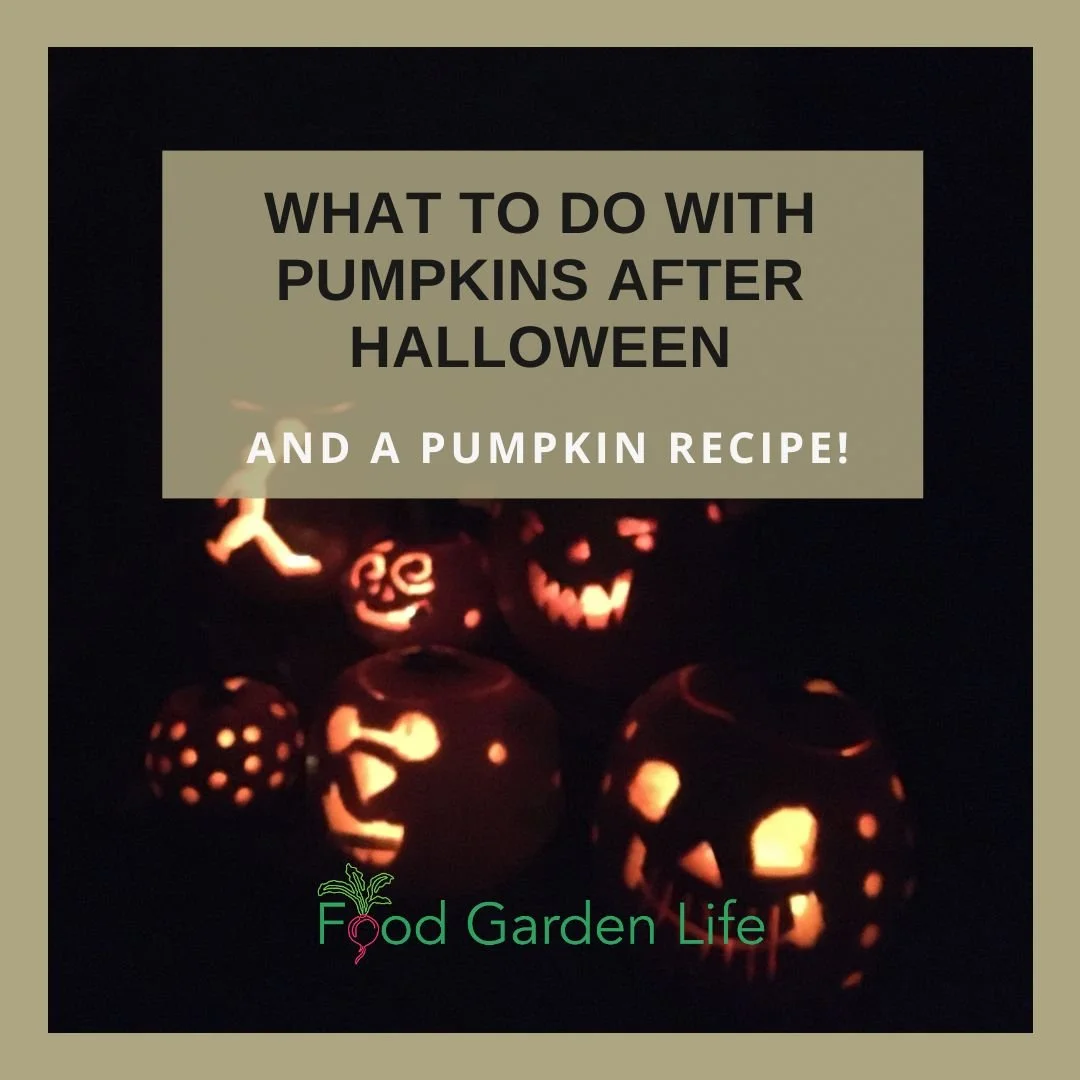
The smell of freshly carved pumpkin is a memory trigger for me. Along with the smell, the gooey, stringy feeling when I reach inside a pumpkin to pull out the seeds makes me feel like a kid again.
I still enjoy thinking up fun faces to carve. One year I carved a blue hubbard squash into an elephant. The pointy stem end was the trunk! (Carving it was challenging. Hubbard squash store well because of the hard, thick rind.)
After Halloween, I cook our jack-o-lanterns. First, I cut them up into manageable chunks. Then I roast the chunks, uncovered, on a cookie sheet.
Once the flesh is cooked and soft, I scrape it from the skin and puree it with an immersion blender. I use some of the pureed pumpkin right away; and freeze some for later. My kids love pumpkin muffins, so I often make a batch of muffins as I’m processing our jack-o-lanterns. (Recipe below.)
Besides muffins, I use home-cooked pumpkin puree for any recipe that calls for tinned pumpkin: pies, pudding, soup, loaves. Pumpkins sold for jack-o-lanterns are not usually as sweet as pie pumpkins, and they’re often a bit more watery. So I adjust recipes accordingly.



Recipe: Pumpkin Muffins
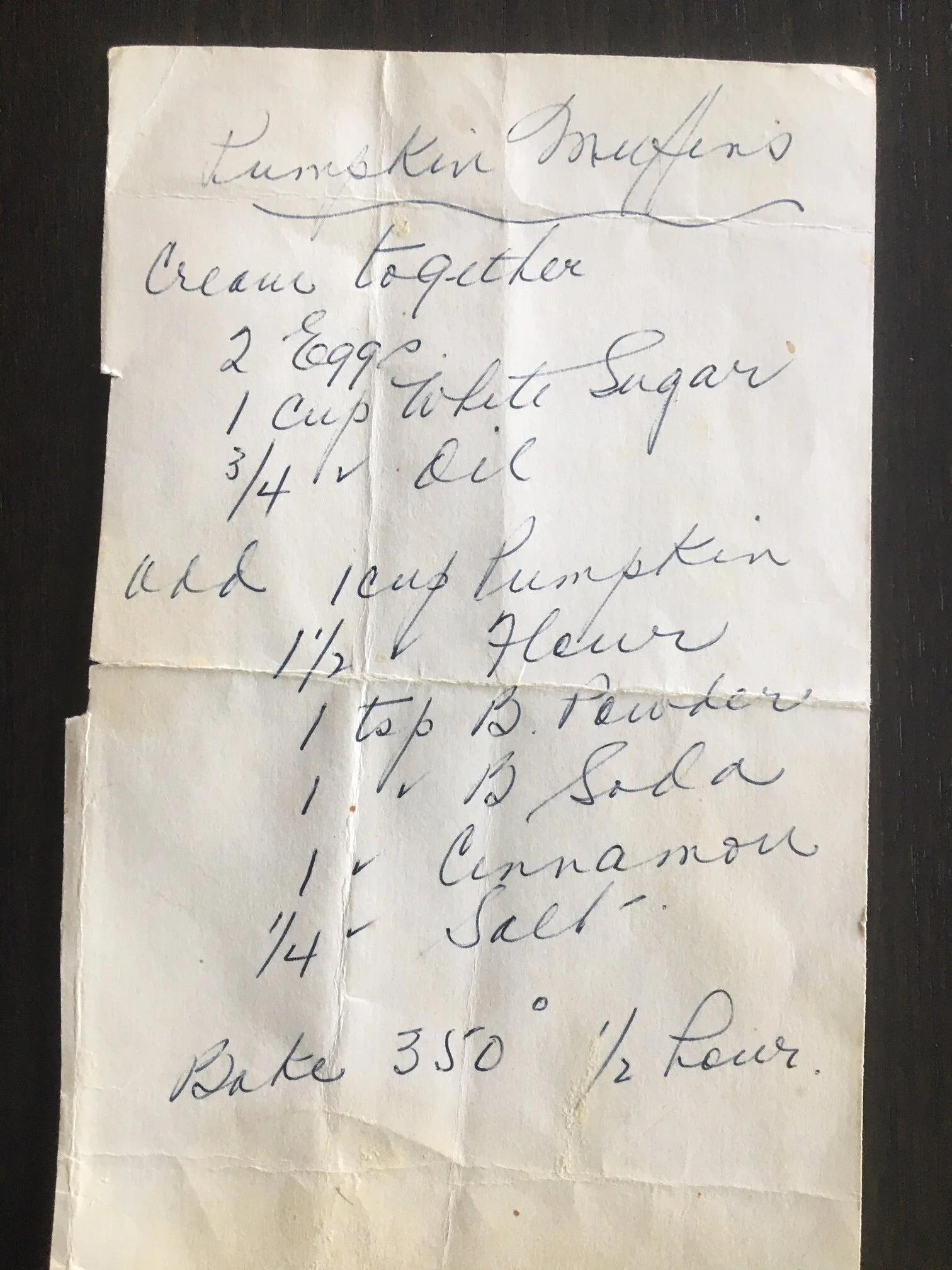
Nana Biggs’ pumpkin muffin recipe. I halve the sugar, and add raisins and nuts.
One of Nana Biggs’ favourite recipes was pumpkin muffins. As a kid, I’d cut up my jack-o-lantern the day after Halloween, and then pack it up to take to Nana. She kept me well fed with muffins!
(My Uncle Bill didn’t like me giving Nana so much pumpkin, because he didn’t like the muffins. I never let him forget that. One year, after I’d moved away from home, I baked him a cake-sized muffin and sent it to him by courier!)
Pumpkin Muffin Recipe
Ingredients
2 eggs
1 cup white sugar
3/4 cup vegetable oil
1 cup pumpkin
1 1/2 cups all-purpose flour
1 tsp baking powder
1 tsp baking soda
1 tsp cinnamon
1/4 tsp salt
Directions
Cream together eggs, sugar, and oil
Add pumpkin
Add flour, baking powder, baking soda, cinnamon, and salt
Bake at 350°F for approximately 30 minutes, until done
Note: I halve the sugar and use less oil if the pumpkin is more watery than tinned pumpkin
Roasted Pumpkin Seeds
I roast the pumpkin seeds too.
After I rinse them (to remove slime and stringy bits), I toss them with a bit of vegetable oil, salt, and garlic powder. Then I roast them on a cookie sheet until they start to make a popping sound.
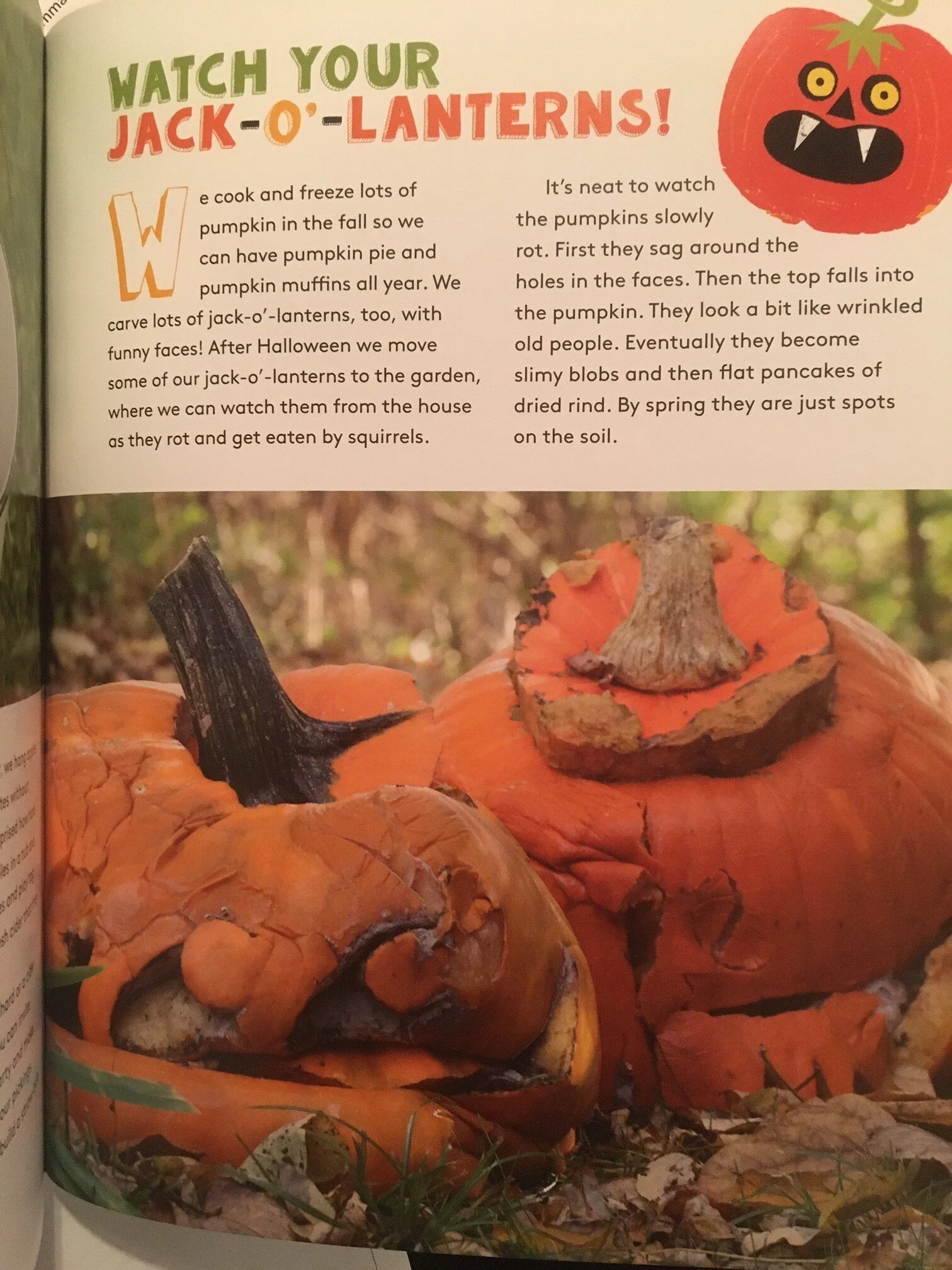
In my daughter Emma’s book, Gardening with Emma, she tells kids how pumpkins in the garden start to sag, and then become spots on the soil by spring.
(If you’ve ever wondered about hulless pumpkin seeds, the ones you see at the store are not individually shelled. They are from a pumpkin variety that produces hulless seeds.)
Can you Compost Pumpkins?
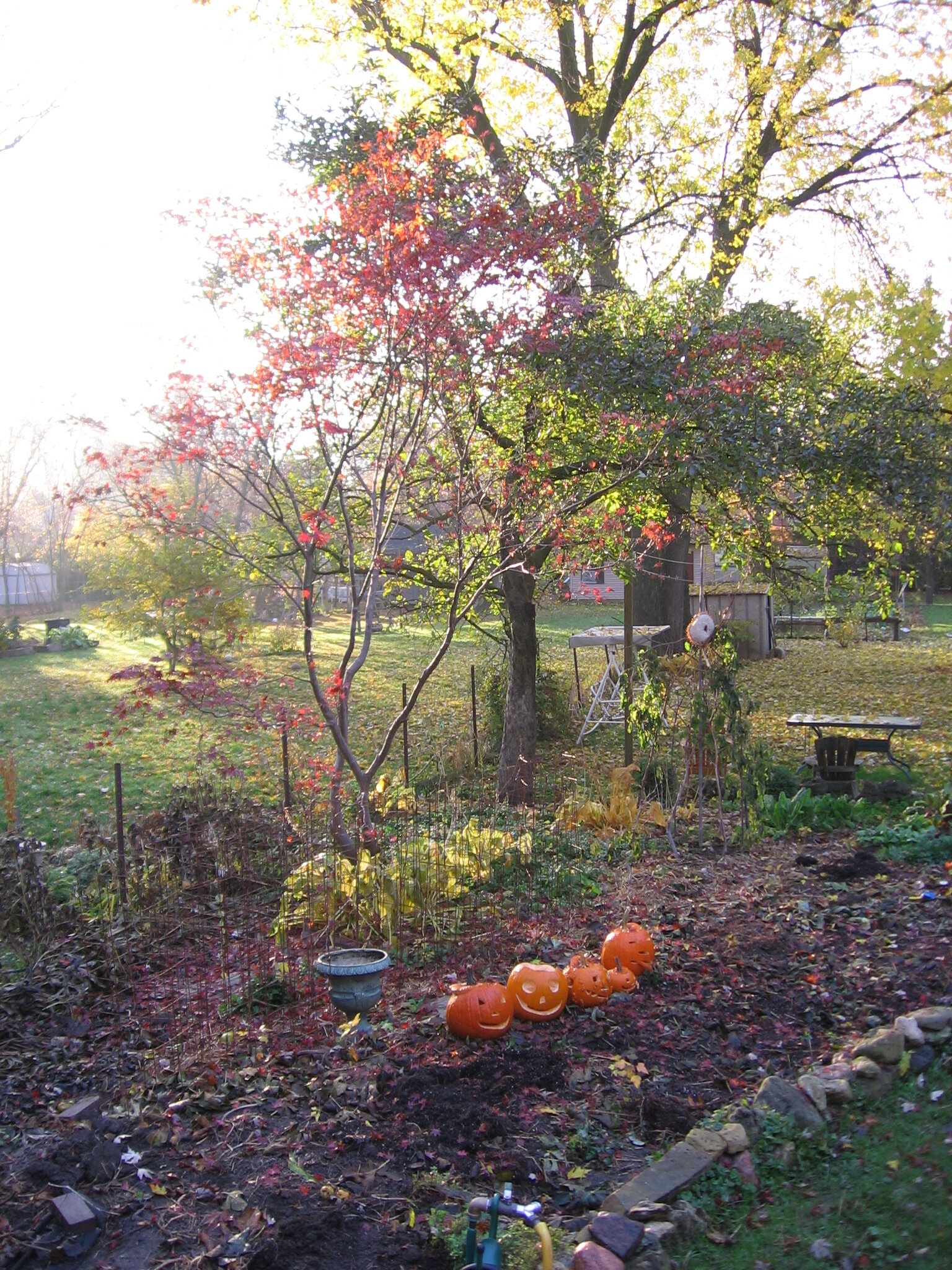
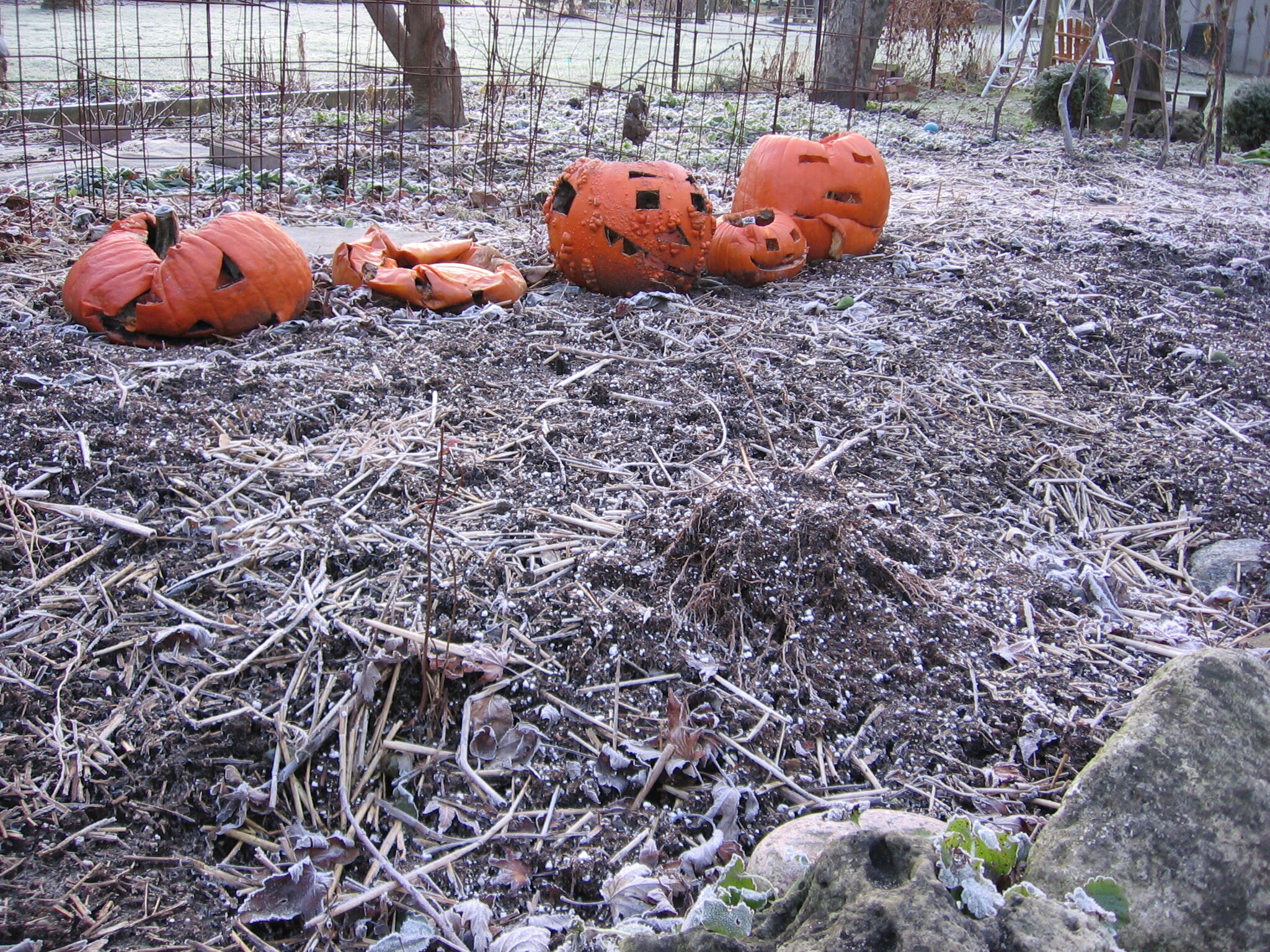
Any pumpkins that I don’t cook end up feeding the soil. I sit them on the garden, outside our back window. Then, we watch them slowly collapse into the soil. My daughter Emma shares this idea in her book Gardening with Emma.
You can also put your jack-o-lanterns in the compost pile.
Find This Helpful?
Enjoy not being bombarded by annoying ads?
Appreciate the absence of junky affiliate links for products you don’t need?
It’s because we’re reader supported.
If we’ve helped in your food-gardening journey, we’re glad of support. You can high-five us below. Any amount welcome!
Make a Bug Vacuum
Make a bug vacuum.
By Steven Biggs
A Bug Vacuum is Fun for Kids
Not sure how to make the garden a fun place for kids?
It doesn’t always have to be about plants. Some kids might want to climb trees. Some might enjoy mud.
And some kids LOVE bugs.
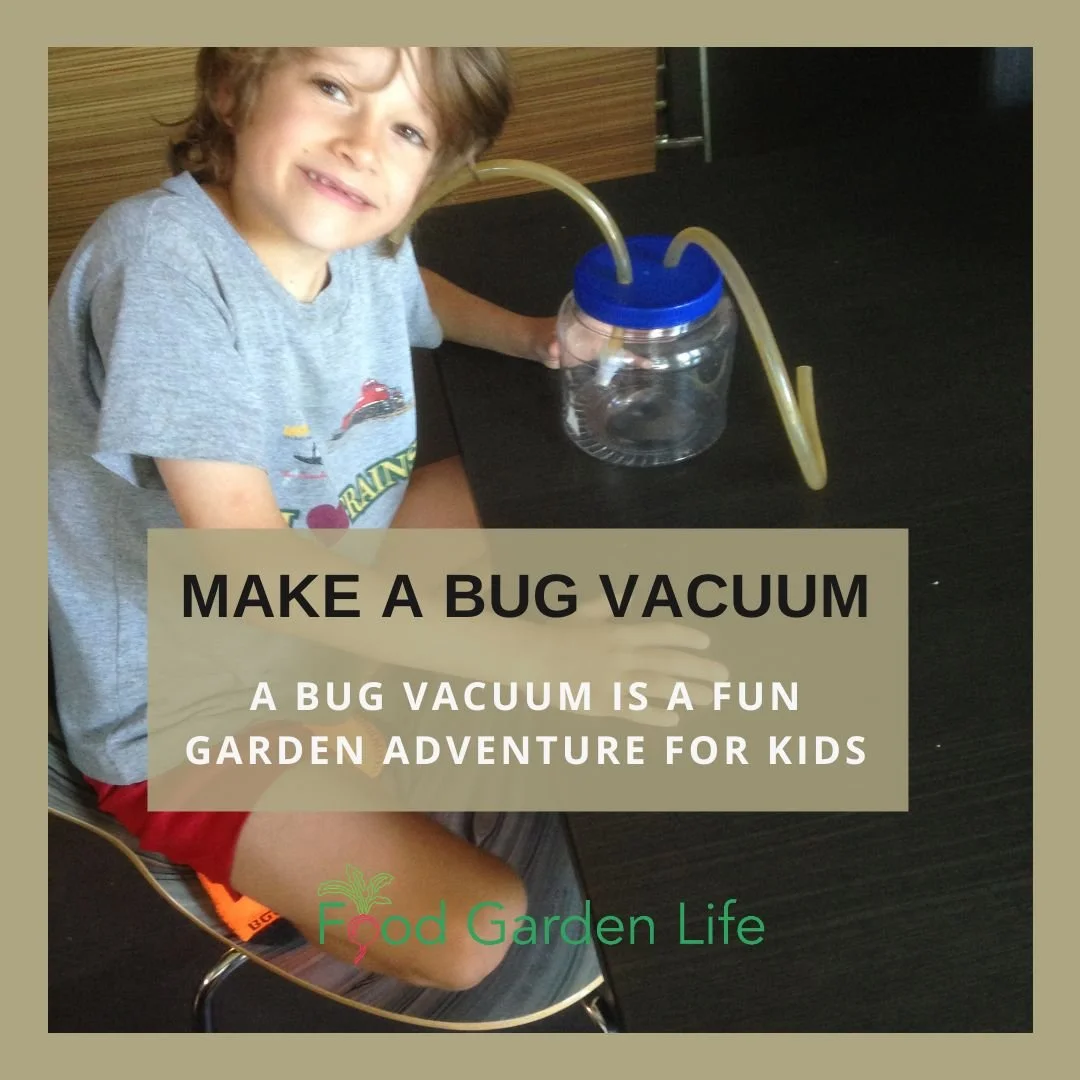
My son Keaton has always gravitated towards bugs. When he was smaller he’s spend big chunks of time scouring our yard for bugs to suck up and inspect in his bug vacuum.
Make a Bug Vacuum with your Kids
You can purchase bug vacuums. But those battery-powered gadgets soon break.
Instead, make this bug vacuum with some easy-to-find materials.
Even better, make it with your kids. It’s a fun and easy project to tackle together.
Here’s a simple bug vacuum that you can make at home (from the book Gardening with Emma.)
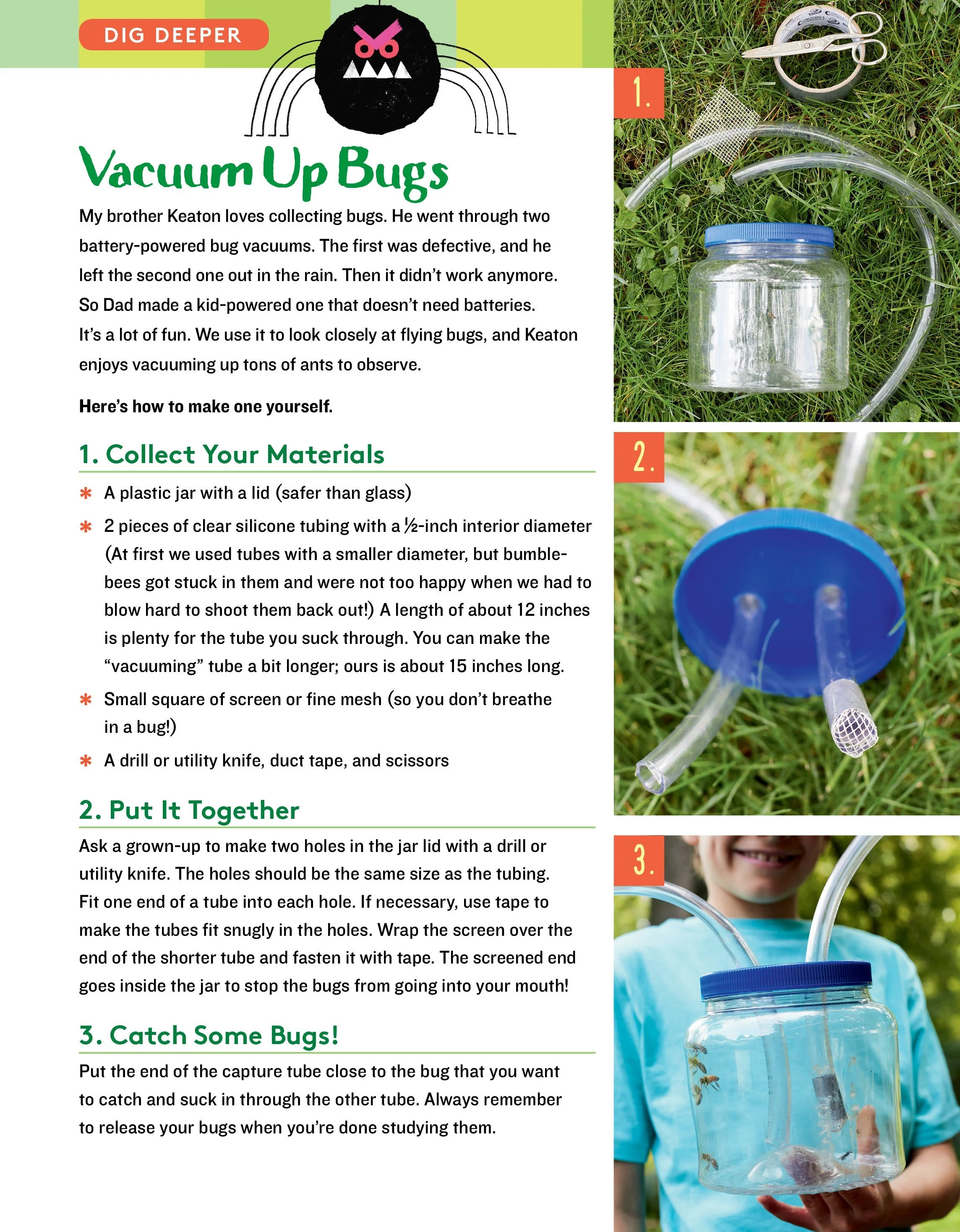

My son Keaton catches a pollinator with his bug vacuum. After watching it, he unscrews the lid to release it. Photo Donna Dawson.
Find This Helpful?
Enjoy not being bombarded by annoying ads?
Appreciate the absence of junky affiliate links for products you don’t need?
It’s because we’re reader supported.
If we’ve helped in your food-gardening journey, we’re glad of support. You can high-five us below. Any amount welcome!
Looking for more fun ideas to make the garden a fun place for kids?
Check out Gardening with Emma for lots of fun ideas and projects for kids (and parents!) in the garden.

Hi, We’re Steve and Emma!
We help people grow food on balconies, in backyards, and beyond—whether it’s edible landscaping, a vegetable garden, container gardens, or a home orchard.
Courses
Free Food- Garden Guide
Books
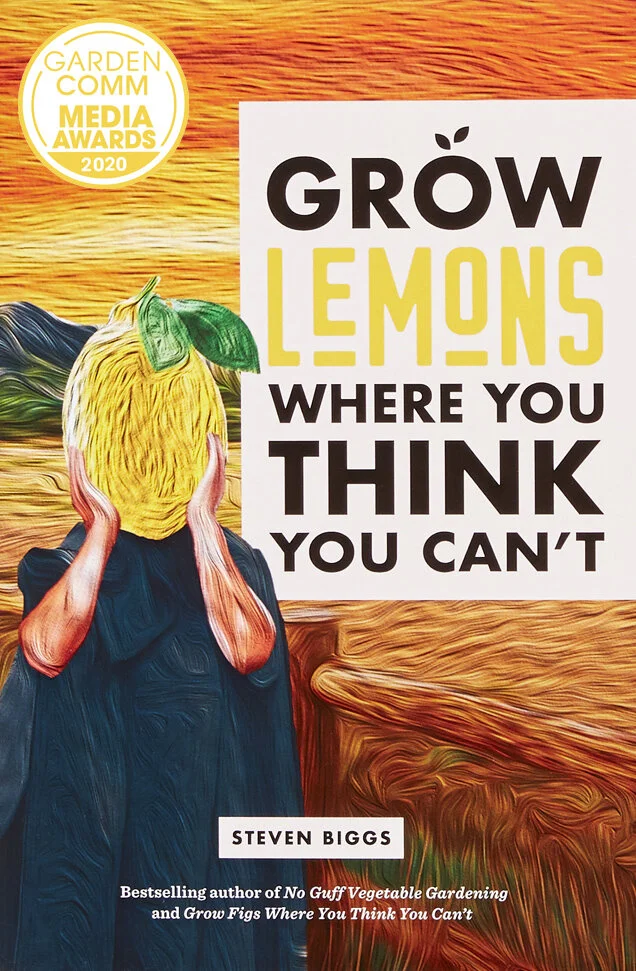
Covering everything from lemon varieties, to location and watering, to pruning and shaping, to overwintering, dealing with pests, and more—and including insights from fellow citrus enthusiasts—this book will give you the confidence you need to grow and harvest fresh lemons in cold climates.
Orders may be shipped from Toronto or printed and shipped directly by our printing partner. Available destinations and shipping charges appear at checkout. All prices are in Canadian dollars.
Prefer an ebook? Find the Kindle edition on Amazon.