Grow a Food Forest
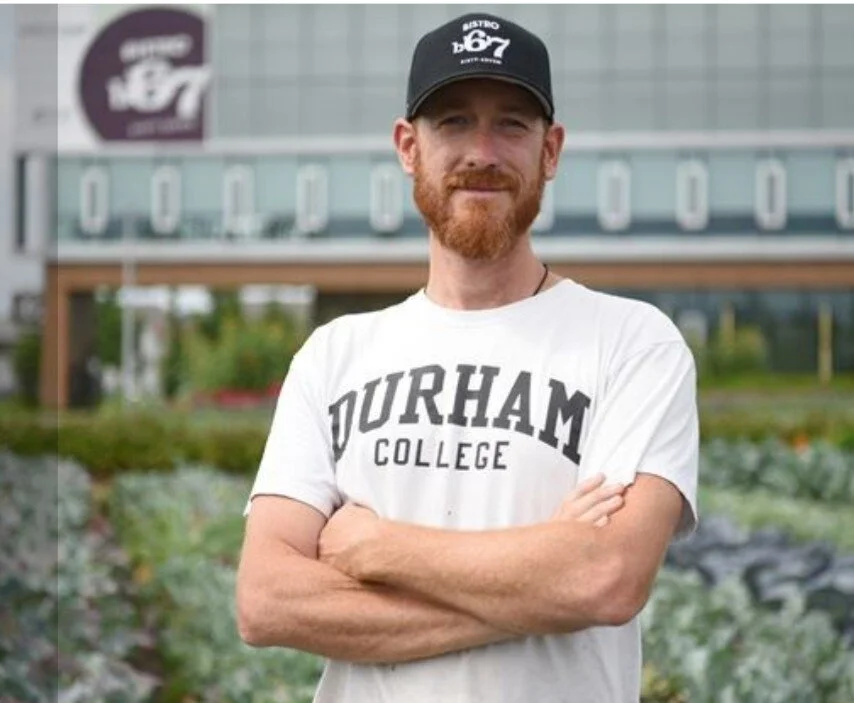
Ryan Cullen, field supervisor at Durham College, talks about the new food forest at Durham College.
Make a Food Forest
We chat with Ryan Cullen, the field supervisor at Durham College, about the newly planted food-forest garden at the college’s Whitby campus.
Cullen oversees a diverse market garden that includes tree fruit, small fruit, cut flowers, field vegetables, greenhouse vegetables, and microgreens. He previously joined us on the show in Aug 2019. Click here to tune in to that episode.
Food-Forest Garden
Cullen explains that the idea behind the food forest is to grow a mix of food-producing species, layered in the same way that a forest is. There’s a herbaceous layer at ground level, a shrub layer, and a canopy layer of trees above.
With time, the food forest becomes self-maintaining and, with the appropriate mix of plant species, can have self-renewing fertility.
The top layer of the food-forest garden is the “canopy” layer. Cullen says that they planted this layer with fruiting tree species including cherries, plums, persimmon—and even a hawthorn.
The lower herbaceous and shrub layers, which are still being developed, will be a polyculture—a mix of different plants. Along with edible properties, plants in the lower layers might make available soil nutrients (deep-rooted plants bring up nutrients,) supply nutrients (pea shrubs capture nitrogen from the air,) and attract pollinator species.
Lower-layer plants include bee balm, chamomile, rosa rugosa (for rose hips), strawberreis, and blueberries. Cullen says that this list will grow, as there is still a lot of planting to do in this layer.
Food and Farming Program
The on-campus market garden is part of Durham College’s Food and Farming program, which focuses on urban and small-scale agriculture.
The program has a field-to-fork philosophy. Located on a former industrial site, the market garden produces a variety of vegetables and fruits to supply the on-campus restaurant, Bistro 67.
In addition to supplying the restaurant, the harvest also goes into a community-shared agriculture program (CSA) and farmers market.
Grow Melons, Grow Heirloom Tomatoes: An Interview with Amy Goldman
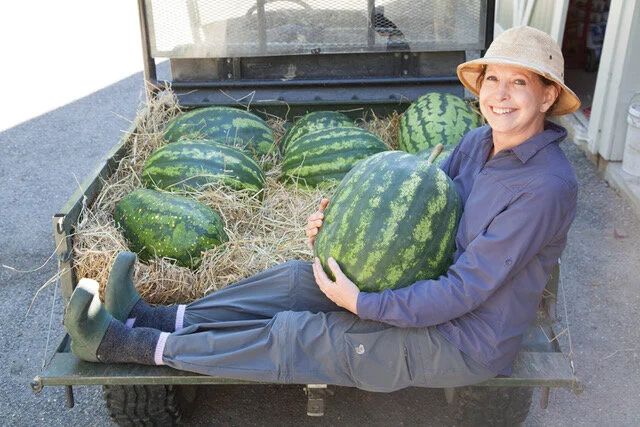
Amy Goldman, author of The Melon
In a broadcast that originally aired on The Food Garden Life Radio Show, we chat with author Amy Goldman about growing melons, growing tomatoes, her passion for seed-saving, and about her research when writing her books The Melon and The Heirloom Tomato: From Garden to Table. Recipes, portraits, and history of the world's most beautiful fruit.
The Melon
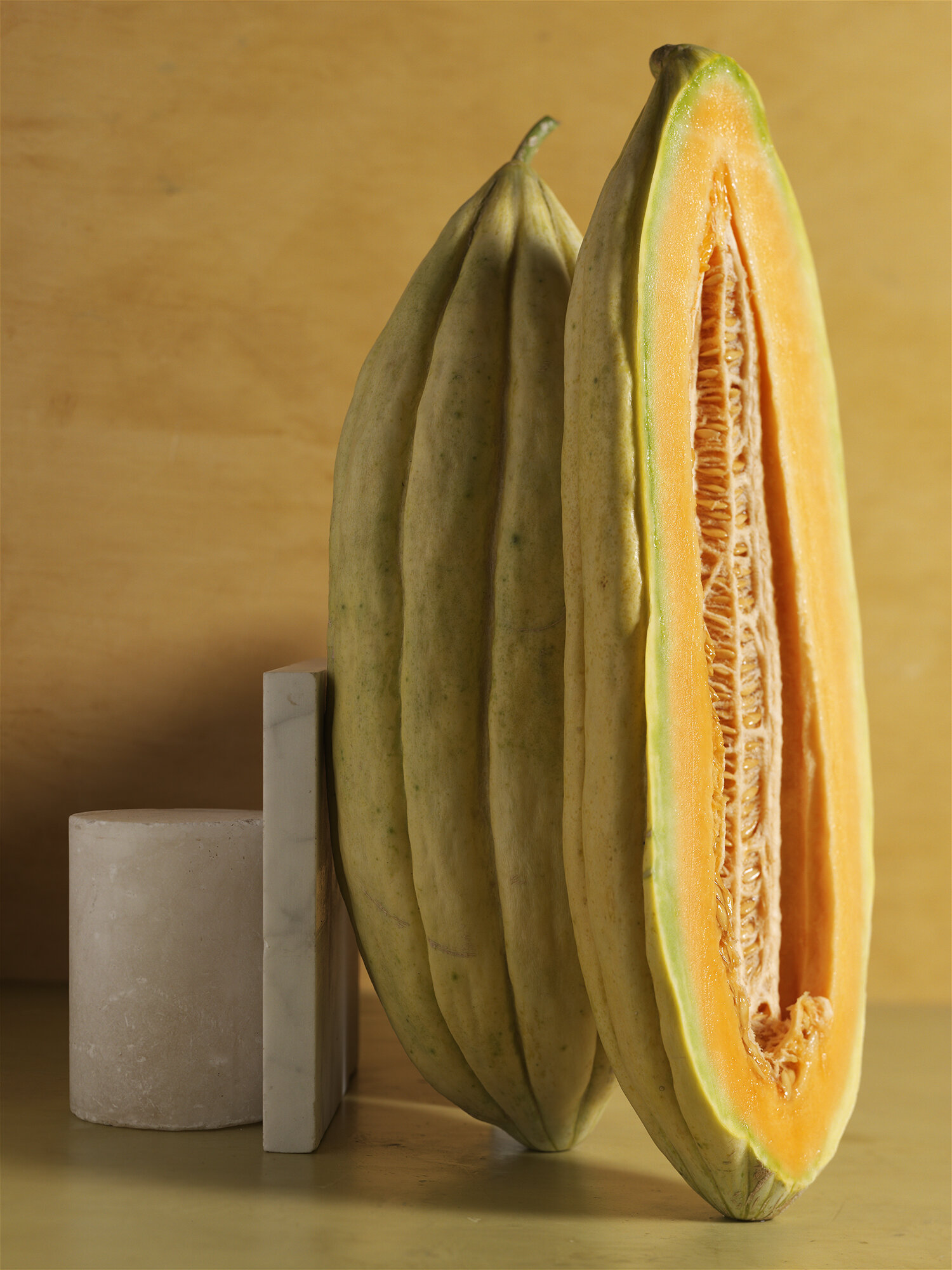
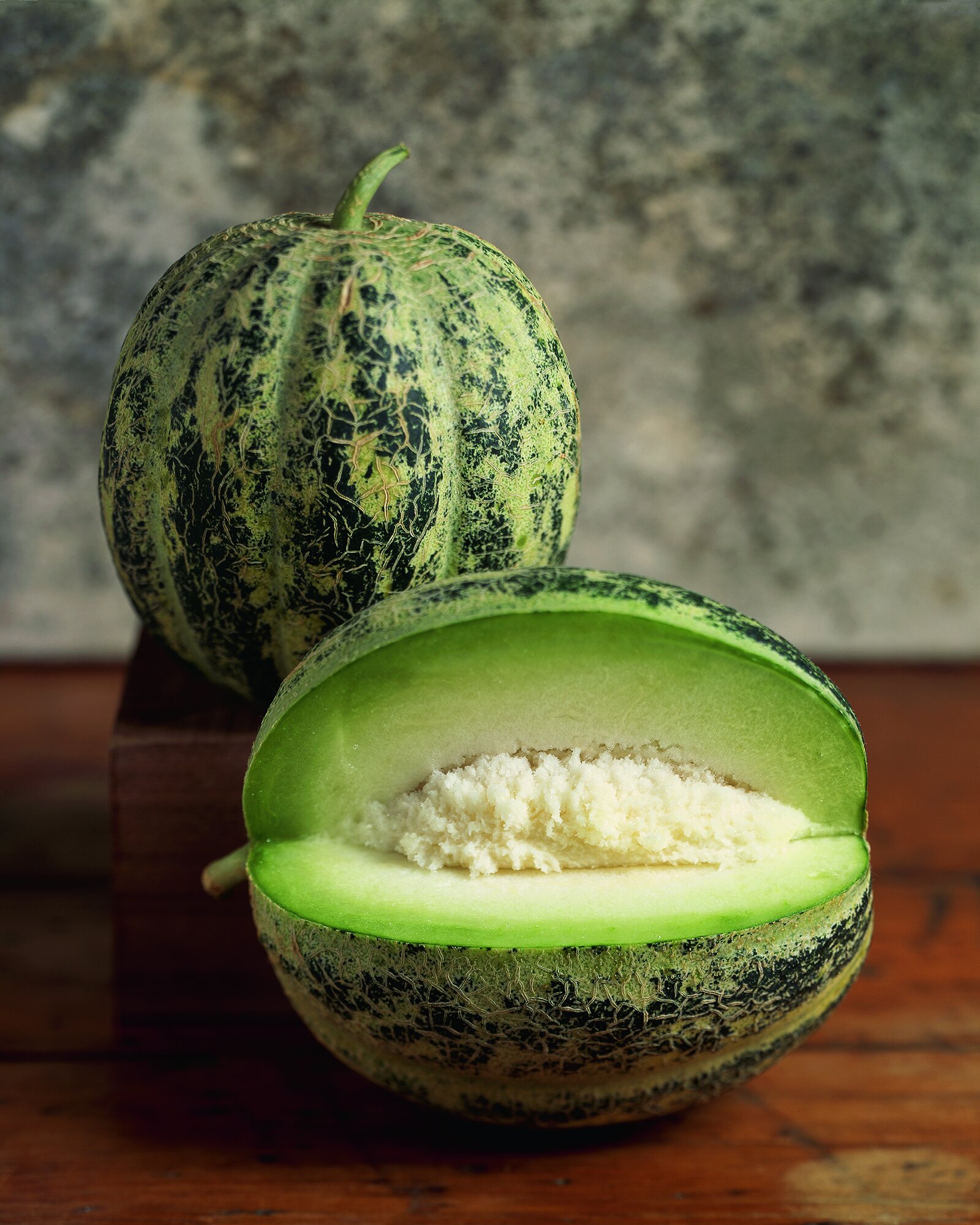
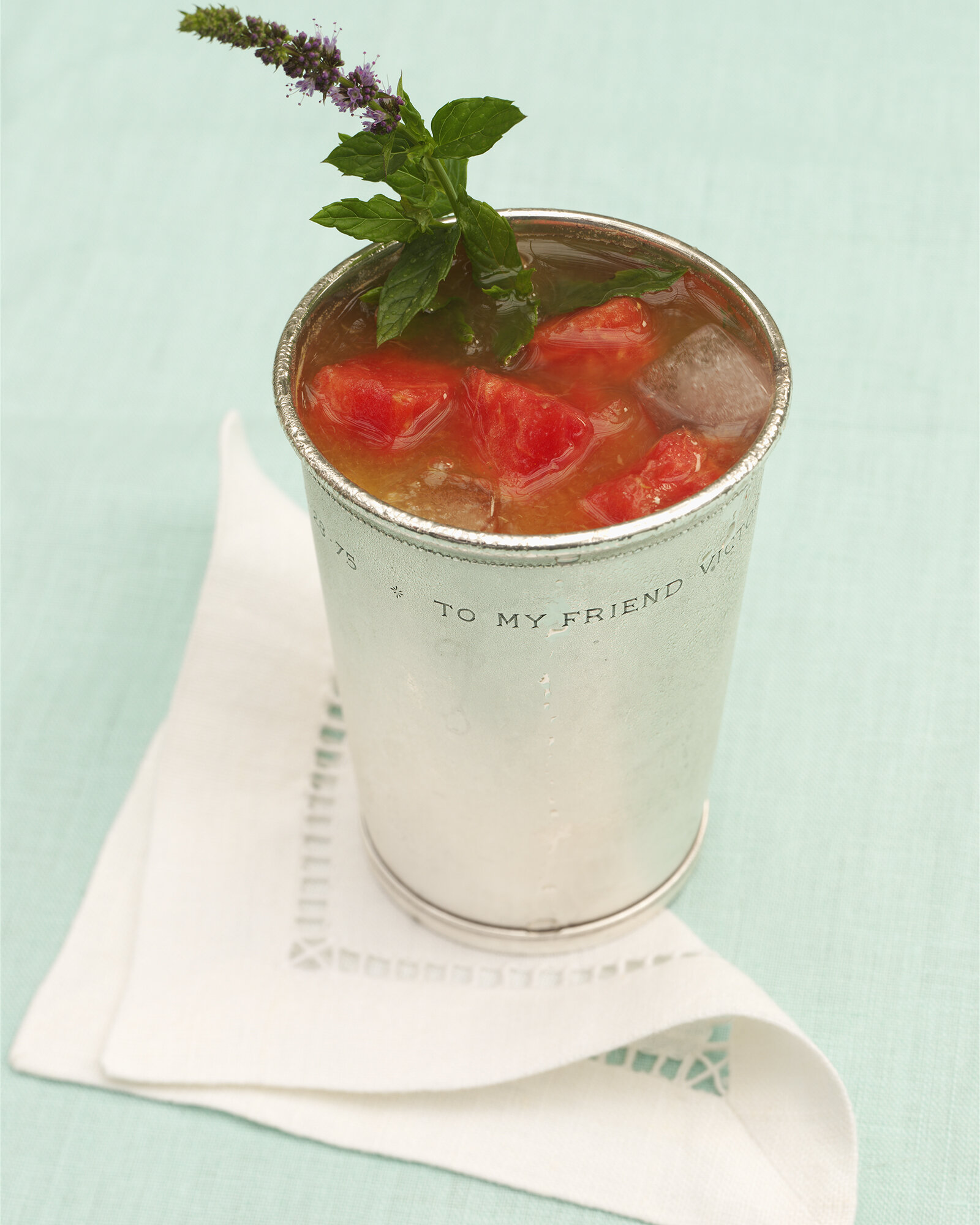
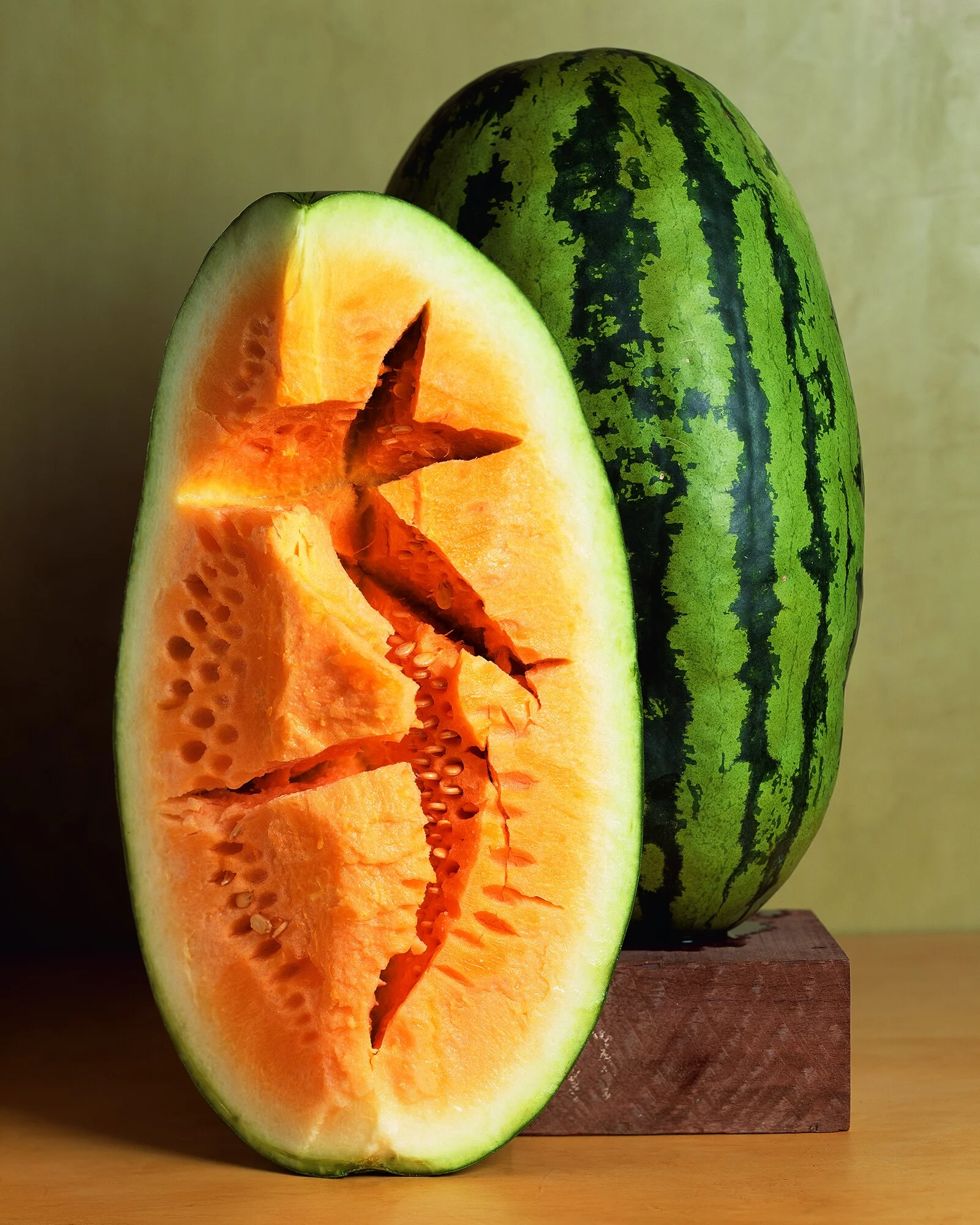
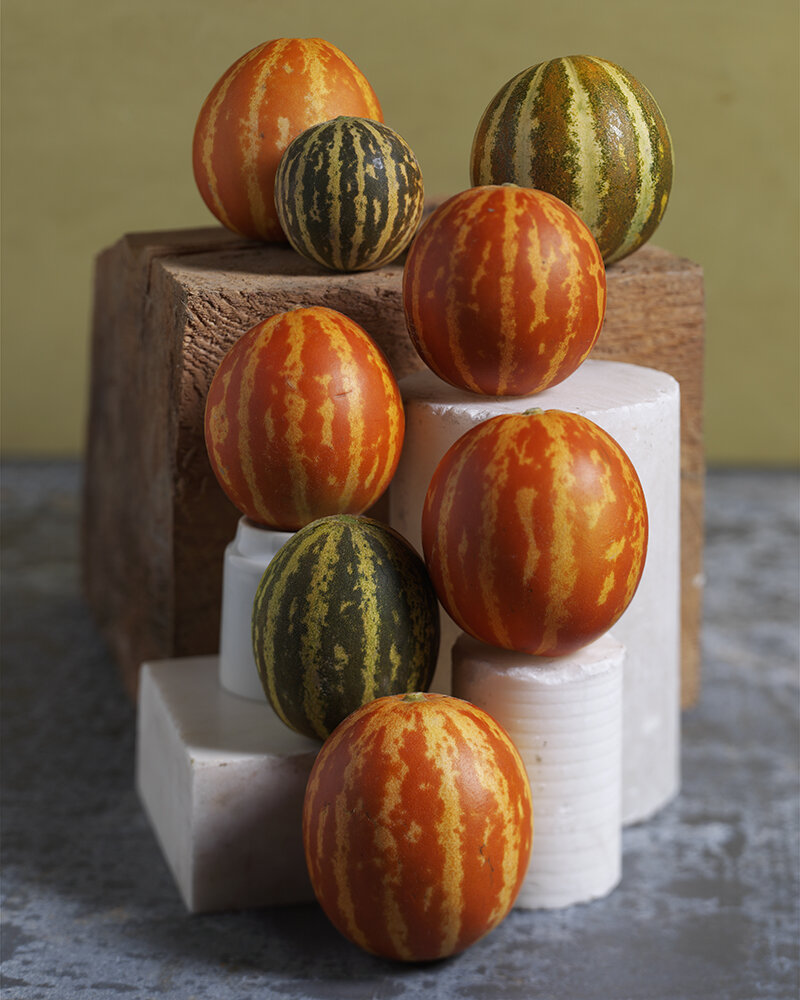
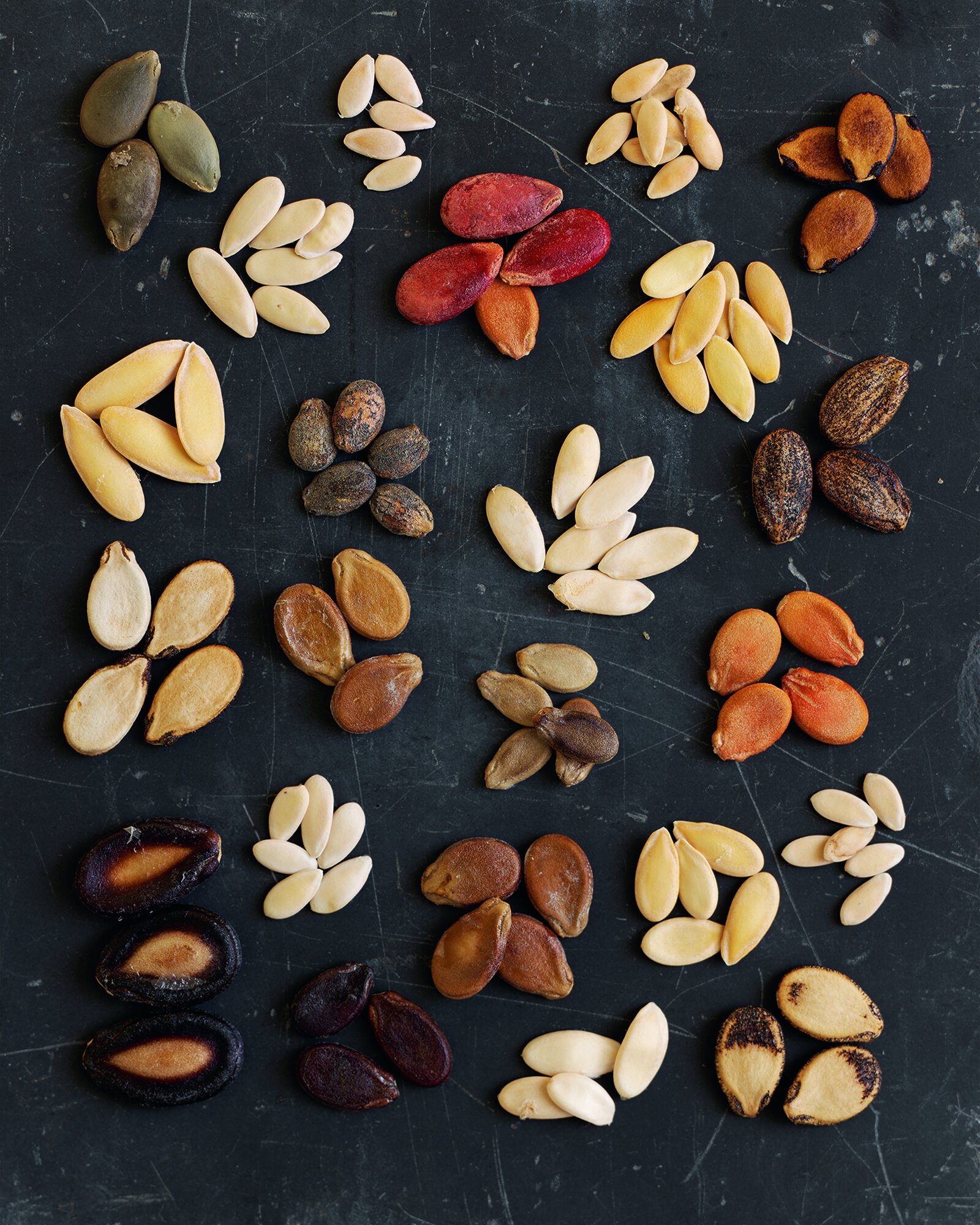
Goldman took nine years to write this tribute to melons that is filled with mouth-watering pictures and information about selecting varieties, growing, seed-saving, and melon recipes.
She explains that when writing the book, she would set aside the best specimens for photographs—and she and photographer Victor Schrager would then enjoy eating them after the photo shoot.
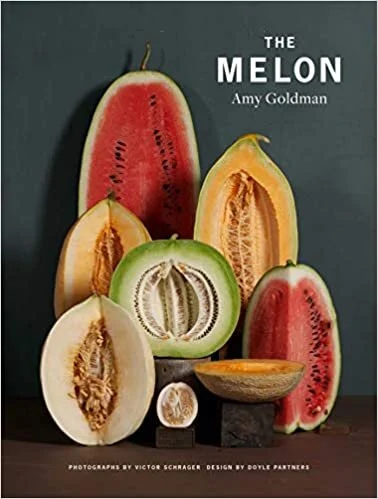
“When we were doing the melon book we would photograph the specimens and then have a feast afterwards.”
Did you know that charentais melons are the true cantaloupes; and that they’re different from the American muskmelons that we mistakenly call cantaloupes?
Goldman says that she babies her melon plants by starting the seedlings indoors, using a black plastic mulch over the soil, covers young melon plants with row covers, and waters judiciously.
Her advice on eating melons? “They’re meant to be shared.”
Images from The Melon
Heirloom Tomatoes
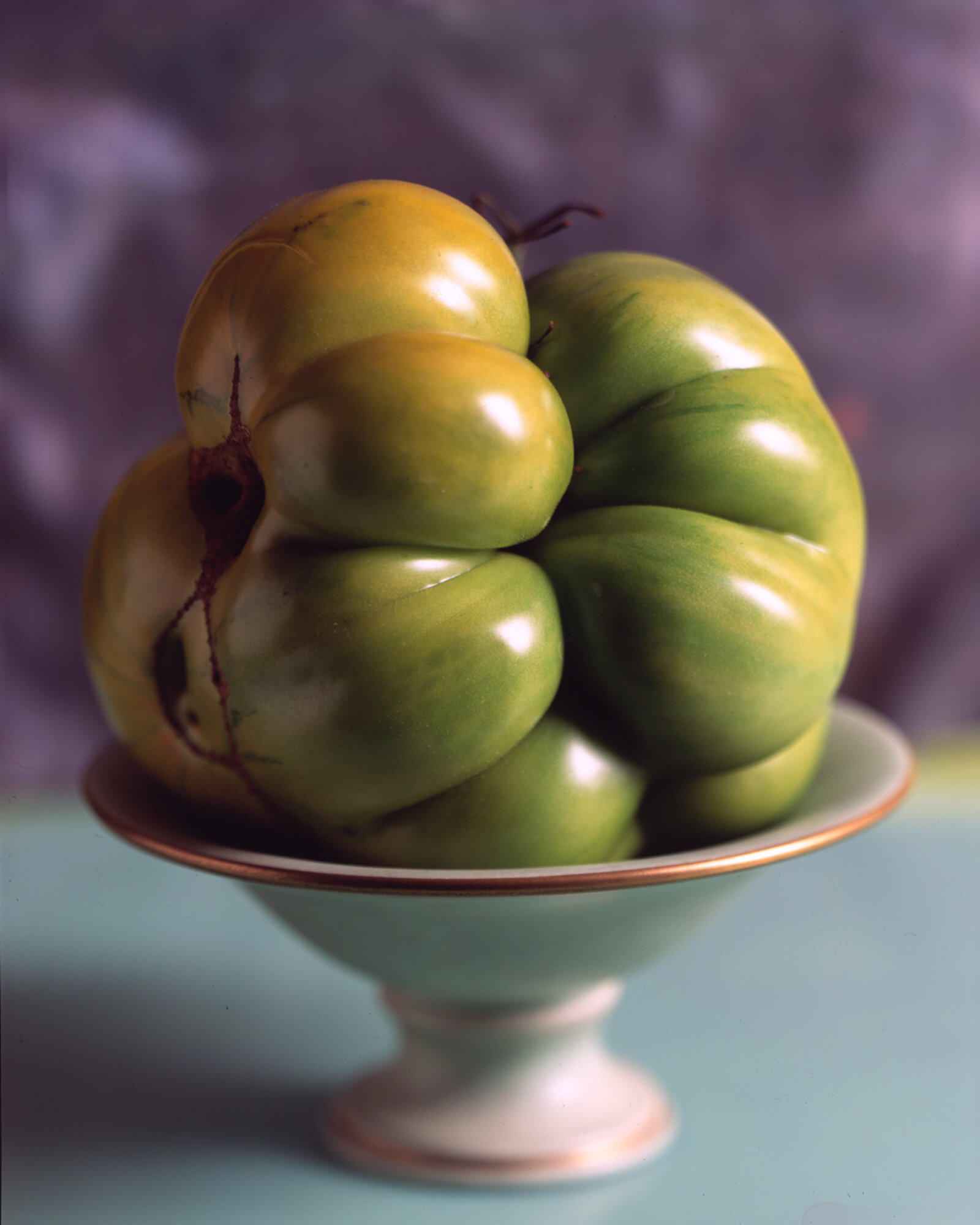
Was the original Brandywine tomato pink-fleshed with a potato-like leaf or red-fleshed with regular leaves? “This is something that only a gardening nerd would care about,” says Goldman. (Incidentally, it’s the latter.)
“Doing the detective work was half the fun of that book!”
“There’s nothing in the world like a homegrown tomato ripened in the full sun. There’s nothing like it,” she says.
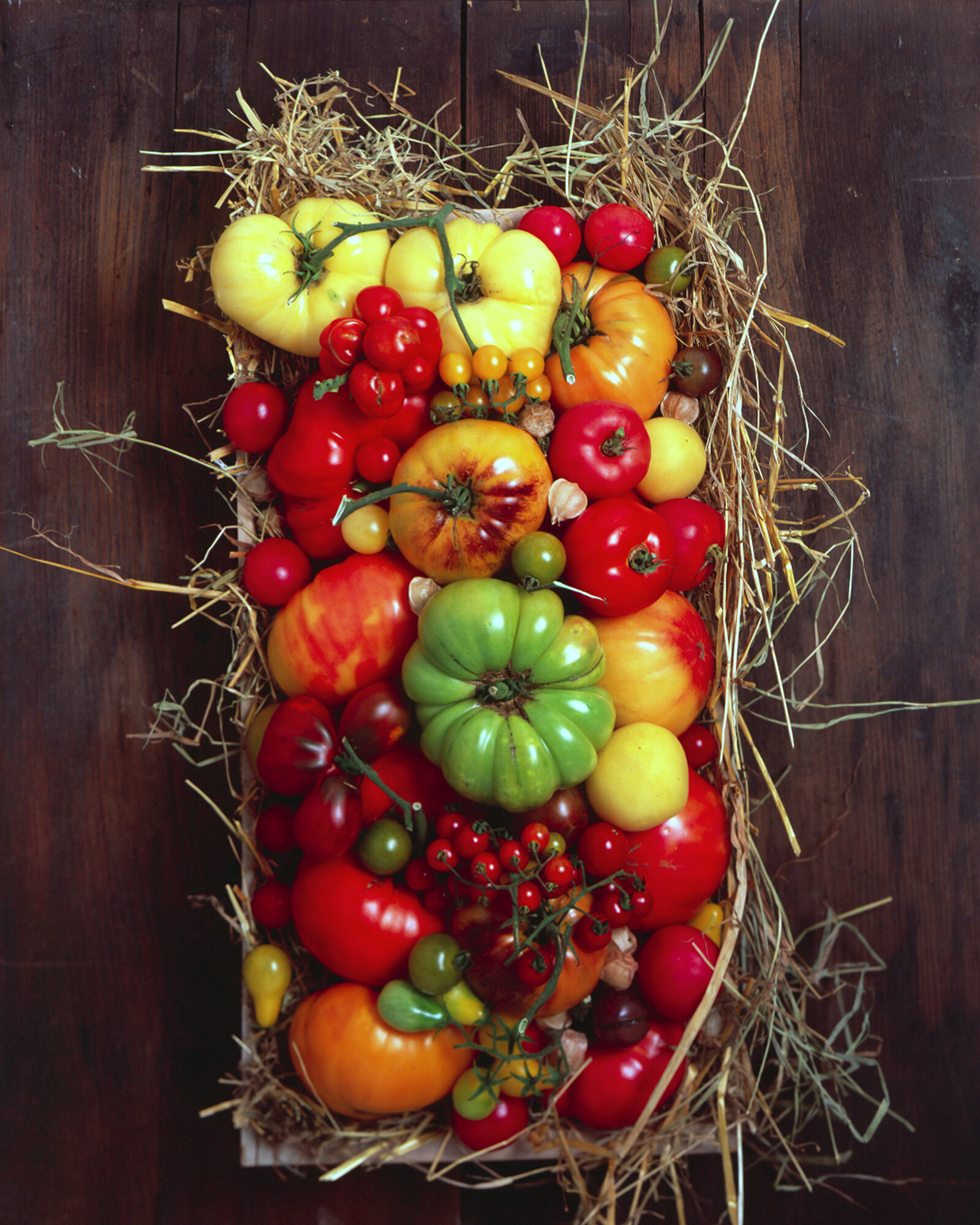
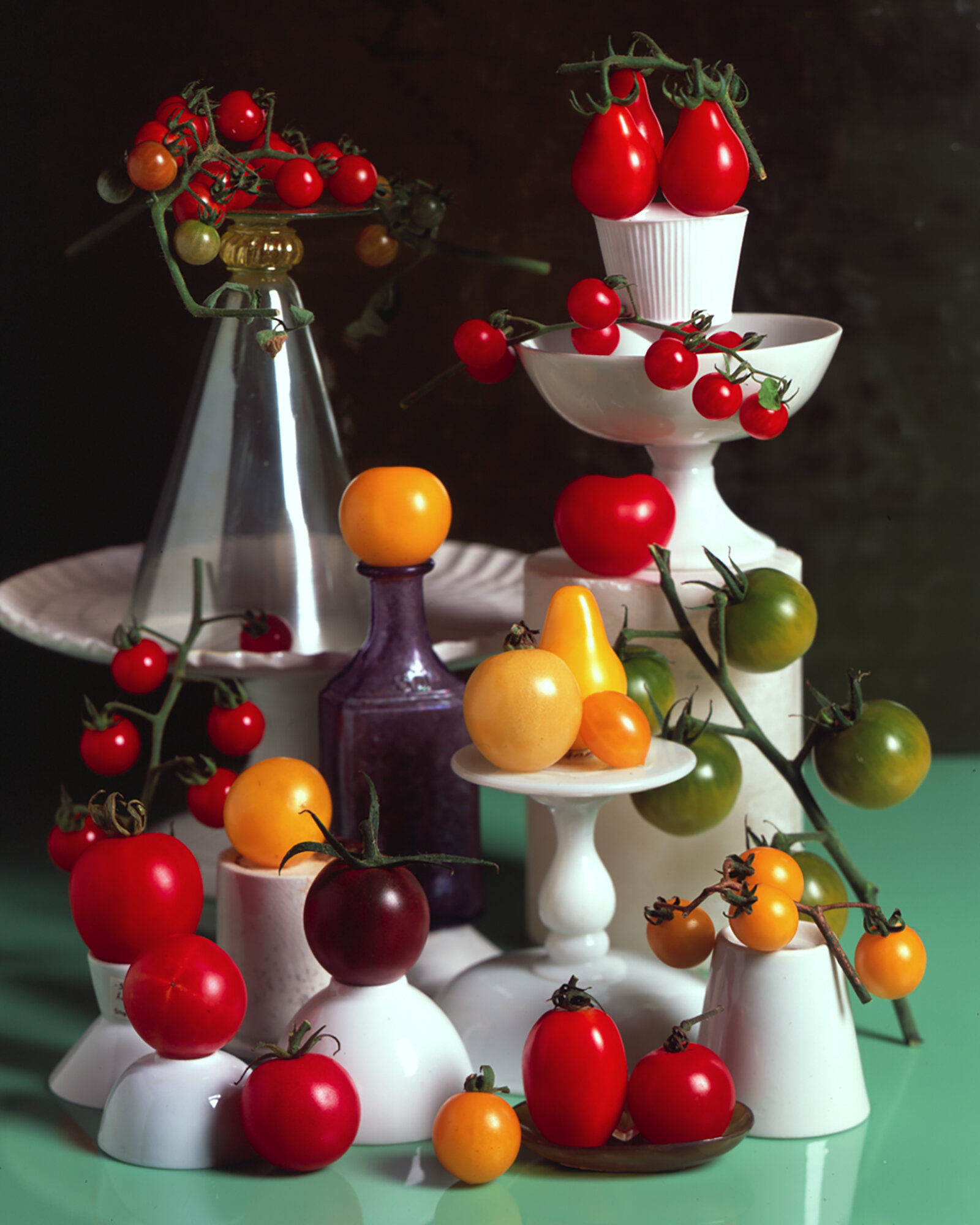
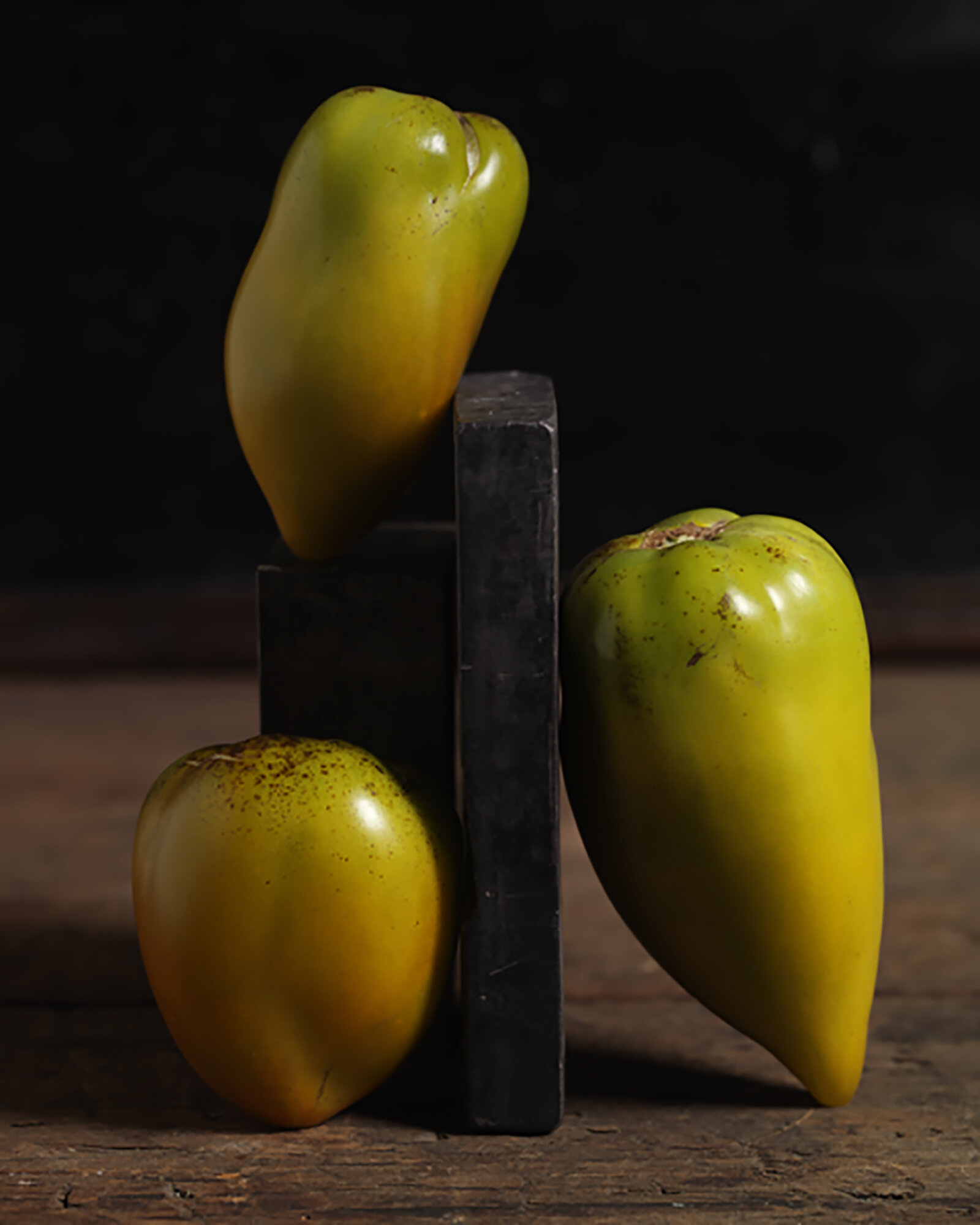
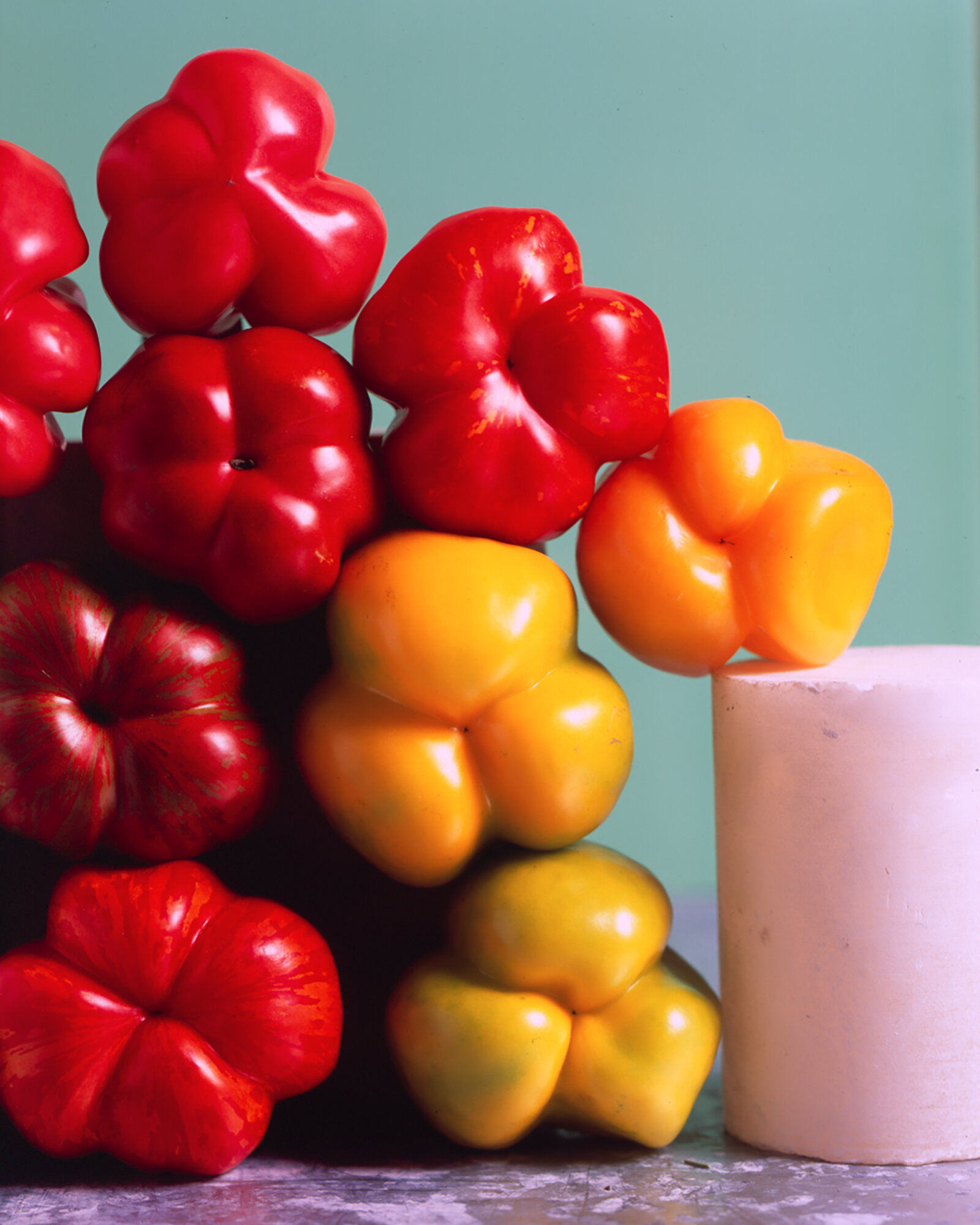
Images from The Heirloom Tomato: From Garden to Table
Seed Saving
Goldman is passionate about seed-saving and sharing and perpetuating heirloom varieties. For gardeners new to seed saving, she recommends a book called The Seed Garden, from The Seed Savers Exchange.
“It’s the bible of seed saving.”
Biggs-on Figs Segment
Pennsylvania fig grower Ross Raddi joins us in the Biggs-on-Figs segment to talk about three fig varieties he recommends for gardeners who are growing figs for the first time.
Celeste
Violette de Bordeaux
Hardy Chicago
More on Tomatoes
REWIND: Growing Giant Pumpkins and Giant Tomatoes
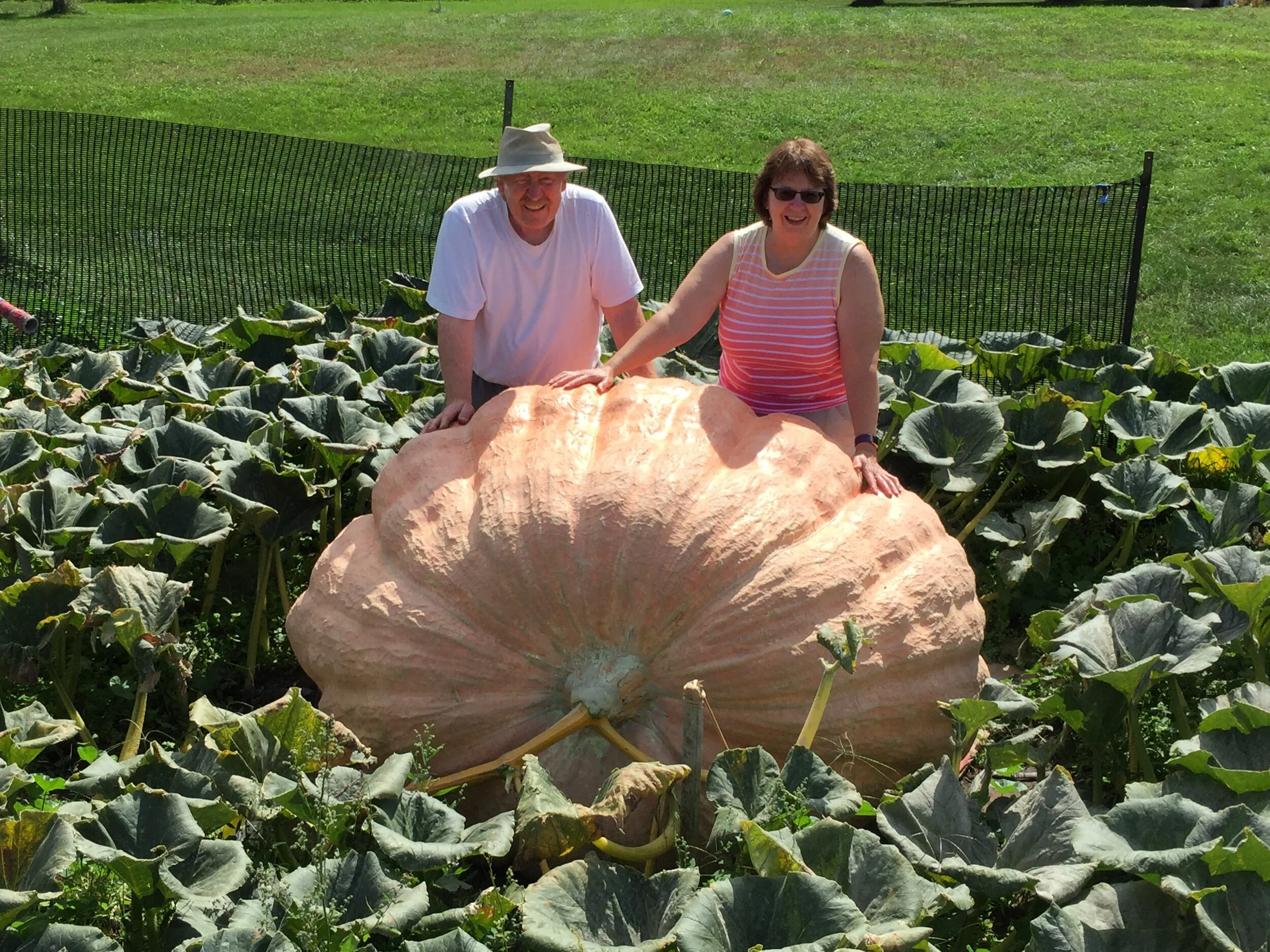
Phil and Jane Hunt
In this interview that first broadcast live on the radio show in 2018, we chat with Phil Hunt from the Giant Vegetable Growers of Ontario (GVGO) about growing giant pumpkins and giant tomatoes.
Hunt and his wife, Jane, grow giant vegetables near Lindsay, Ontario.
We first spoke with them when they shared giant-pumpkin-growing tips for our book Gardening with Emma. After seeing them on the news in 2018—for growing a record-breaking giant pumpkin—we invited them onto the show to share tips.
After showing their giant pumpkins at competitions, they collect seeds from them, and then put them on display on their front lawn when neighbours can see them. Hunt says they carve the pumpkins for Halloween—and there are local children who have come years after year to see their carved giant pumpkins.
Grow Giant Pumpkins and Tomatoes
Hunt says that the first thing to think about is getting the right seeds. He recommends joining a club.
The Hunts’ pumpkin plants start off outdoors in tunnels, with ground heated by heating cables.
In the heat of summer, plants can require 75-100 gallons of water per day!
They hand-pollinate the flowers, covering flowers to prevent insects from pollinating.
“Every pumpkin we do is hand pollinated.”
Phil Hunt’s Top 2 Tips for New Giant Vegetable Growers
Get seeds with good genetics
Speak with giant vegetable growers who can give you guidance
“There’s no stupid questions.”
More on Tomatoes
A Passion for Growing Food in Philadelphia
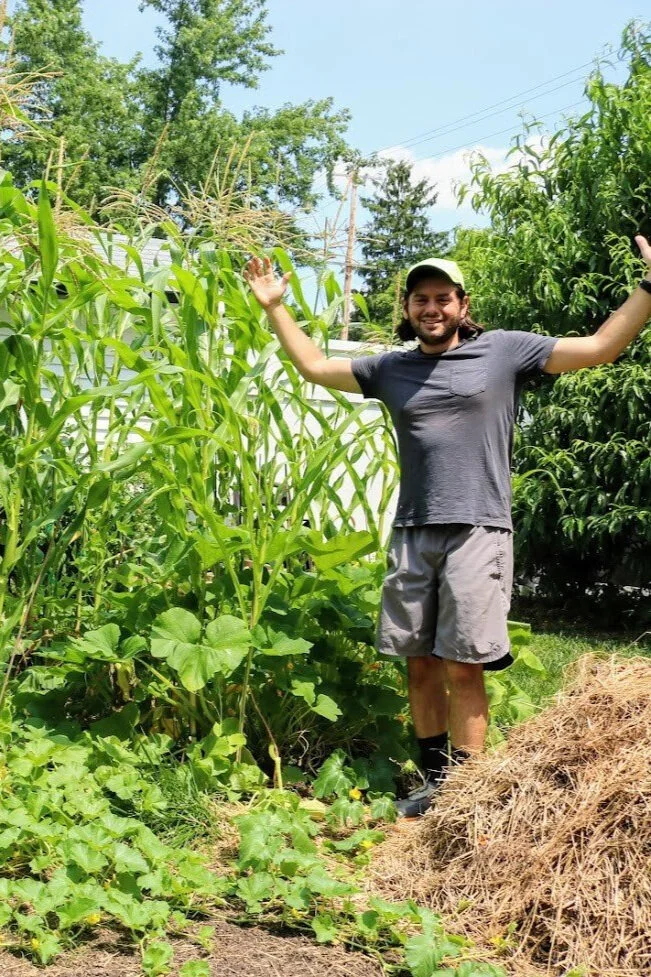
We chat with Millennial gardener Ross Raddi in Philadelphia. He balances a very intensive approach to food gardening with the need to share the yard with his family—who want grass.
Raddi has previously joined us on the Food Garden Life Show to talk about his passion for growing fruit, and about his passion for growing figs. He goes by the nickname “Fig Boss.”
Intensive Suburban Food Garden
Raddi finds that vertical gardening is an important part of maximizing his use of space. “Grow everything vertically if you can,” he advises new gardeners.
He grows one tomato plant per square foot—and trains them upwards, pinching back to a single main stem.
“I think there’s a big misconception out there that you need a big yard to have a lot of food.”
He believes that a food garden can be attractive too. His favourite ornamental-edible combination is blueberries, persimmon, and strawberries. He says that together they creates a bed that is “stunning.”
“Those are some of the most ornamental plants that fruit!”
The Garden in 2020
Raddi says his garden got off to a slow start in 2020, but it caught up and is now ahead of where it would normally be.
This year he’s growing patty pan summer squash as a substitute for bell peppers. He would normally use bell peppers in the kitchen for stuffing—but the summer squash work well for stuffing—and give a much larger yield.
“They gave me so much more food than a pepper would.”
He is trying lots of new crops in the his fall garden, which he has now started to plant.
“When I first started, it [a garden to harvest in the fall] was a foreign concept.”
Tomato Patch
Raddi and Emma trade tomato recommendations.
Looking Ahead
Next year Raddi plants to grow at a local community garden as well as his own yard.
He will be one of the younger gardeners: The mothers of two close friends garden at the community garden. He says his friends laugh when he tells them, “Guys, I’m going to garden with your moms.”
Luay's Urban Farm and Kitchen
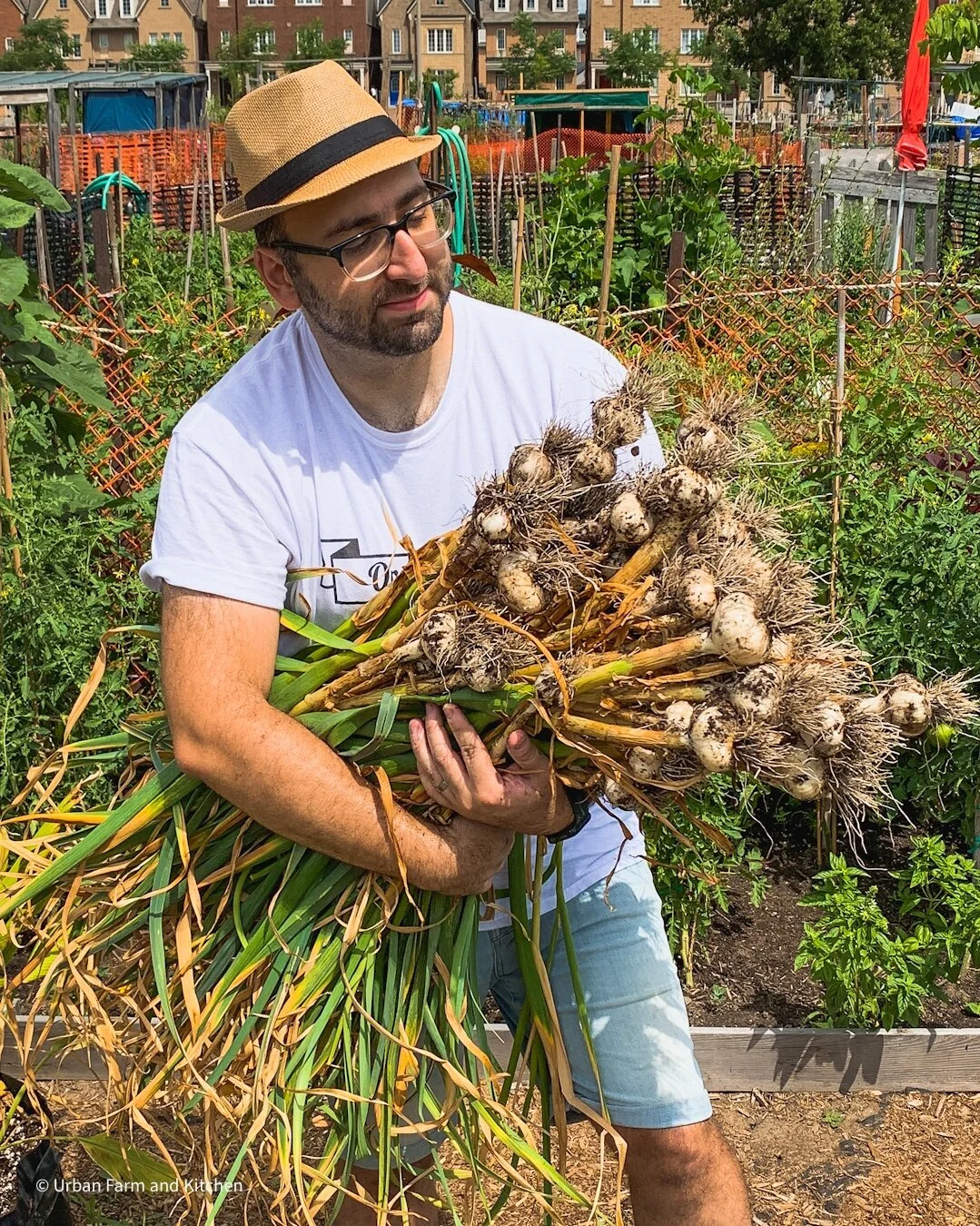
Luay loves cooking. A food garden was a natural next step to his passion for cooking.
We talk with Luay, from Urban Farm and Kitchen in Toronto, about how he started growing food, his gardens, some favourite recipes, failure, and tips for new gardeners.
His day job in the engineering industry is hectic and includes lots of travel. Gardening and cooking are his way of unwinding.
Getting into Food Gardening
Luay currently grows in his backyard and at a municipal allotment garden.
But he didn’t grow up gardening. His interest in gardening was piqued by unusual vegetables he got through a CSA subscription.
Once his interest had been piqued, he started small—with a tomato plant on his balcony.
“Gardening is a hobby that turned into a passion.”
His interest in gardening grew into a passion. He now shares that passion on social media and his website.
His backyard includes raised beds, fruit trees, and an area to eat and entertain…but he admits that potted edible plants make their way into all parts of the yard.
“I’m trying to maximize every square inch possible.”
In the Kitchen
Luay loves to cook with what’s in season. As we talk, it’s fresh tomatoes.
The kitchen is his place to unwind.
“It’s also kind of cathartic, because it’s relaxing when you’re in the kitchen and you’re just spending time on cooking and everything else fades away.”
Failure in the Garden
Luay tells new gardeners that failure is part of being a gardener.
He aims to have backup options in case something doesn’t grow in his garden. One way to do that is to keep a few extra seedlings on hand in case things don’t go as planned.
“Failure is part of being a gardener.”
Having a succession of crops to plant throughout the year is another way that he rolls with the season, the growing conditions, and the challenges of a particular year.
“Every year is different; you roll with the punches.”
Tips for New Gardeners
He tells new gardeners to start small. He finds that herbs are a great way to start small.
“It’s important to pace yourself.”
Many new gardeners, he says, feel the need to grow everything from seed. He suggests buying transplants to start.
Growing Food and Urban Gardening with Kevin Espiritu

Kevin Espiritu, author of Field Guide to Urban Gardening and founder of Epic Gardening
In this episode that originally aired live on The Food Garden Life Radio Show, we talk with urban gardener, author, podcaster, and YouTuber Kevin Espiritu from California.
Espiritu, who did not grow up gardening, explains how, after studying business, he discovered gardening.
He made the garden—and teaching people to garden—his vocation. Espiritu is the founder of Epic Gardening.
Front Yard Garden
Espiritu converted his San Diego front yard into a garden. The 15 x 30 foot space is the only sunny location he has to garden. He thinks that the garden, with its 14 raised beds, has inspired neighbours to grow.
He’s in the process of moving…and is building a garden at his new, 1/3-acre property.
Gardening and Failure
Espiritu, who considers gardening to be an ongoing learning process, says failure is normal.
But he says that with gardening, it’s often necessary to wait for a year before trying again after a failure—so he documents his failures so that he can remember them and learn from them.
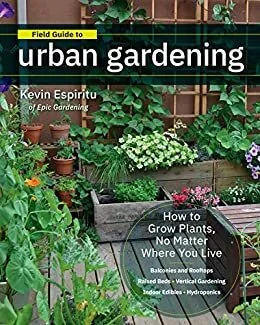
Field Guide to Urban Gardening: How to Grow Plants, No Matter Where You Live, by Kevin Espiritu
Field Guide to Urban Gardening
He says that he wrote his book, Field Guide to Urban Gardening, in a way to help people who have never gardened before.
Rather than telling people how to garden, he guides them through what to consider as they create a garden.
Tomato Talk Segment
In the Tomato-Talk segment, Emma talks about the harvest at Zawadi Farm, along with challenges and top varieties in her own test garden.

Jeff Quattrone grew up in South Philly where he says most yards had a fig tree.
Biggs-on-Figs Segment
Jeff Quattrone from New Jersey tells us about growing up in a family with a fig tree in south Philadelphia, where he says about 90% of the yards had a fig tree.
“My family tree is literally a fig tree.”
Jeff previously joined us on the podcast in June, 2020 to talk about his work in seed saving. Click here to hear that episode.
In Quattrone’s own family, his cousin Gregorio grew a fig tree that was brought from the family’s home town in Calabria.
“We always had figs.”
Summer Vegetable-Garden Check-in with Niki Jabbour

Niki Jabbour, author of The Year-Round Vegetable Gardener, Groundbreaking Food Gardens, Veggie Garden Remix—and her latest book, Growing Under Cover (available for pre-order now)
We chat with garden expert and author Niki Jabbour in Halifax, Nova Scotia to find out what’s new in her vegetable garden this summer, how things are growing, and for tips for new gardeners.
Her top advice for people who want to start growing food but haven’t started this year:
“There’s lots of things you can still plant, even in the coming weeks—so don’t think that you’ve missed the boat!”
Greenhouse versus Garden
Her greenhouse tomato plants are a good two weeks ahead—and far bigger than those growing in the garden
Straw-Bale Update
Niki grows in straw bales every year. They are doing well this year…the challenge in this hot summer is keeping them well watered
Fun Crops
Ever heard of ‘Itachi’ cucumber or ‘Black Kat’ pumpkin?
Succession Planting
Niki has lots of ideas for succession planting from this point onwards, including carrots, beets, and winter radishes

Growing Under Cover by Niki Jabbour
New Book
Niki’s new book, Growing Under Cover: Techniques for a More Productive, Weather-Resistant, Pest-Free Vegetable Garden, comes out in December 2020—and is available for pre-order now!
A Passion for Slow Food Grows into a Rooftop Garden

Laura Luciano talks to us about food, the Slow Food movement, and her own rooftop garden.
We chat with Laura Luciano, a graphic designer from Long Island. She loves to find the stories behind locally produced food and the people who grow it.
Her passion for local food grew into her own blog, a column in Edible Long Island, and, eventually her involvement in the Slow Food movement.
Then it grew into an interest in growing her own food. So she created a rooftop garden.
Stories Behind Food
Luciano loves the stories behind the food she cooks.
“Food has a story and it’s supposed to be cherished and told.”
Along with the stories of food, she loves the seasonality of food—and enjoys cooking according to the what’s in season.
Slow Food
She talks about the Slow Food Ark of Taste, explaining that it’s, “A living catalogue of delicious and distinctive foods that are facing extinction.” A local example of a food that’s part of the Ark of Taste is the Long Island Cheese Pumpkin.
“It’s the opposite of fast food.”
Luciano is a Slow Food Governor for New York, and a board member for Slow Food USA.
A Rooftop Garden
“When I got started I did not have a green thumb at all.”
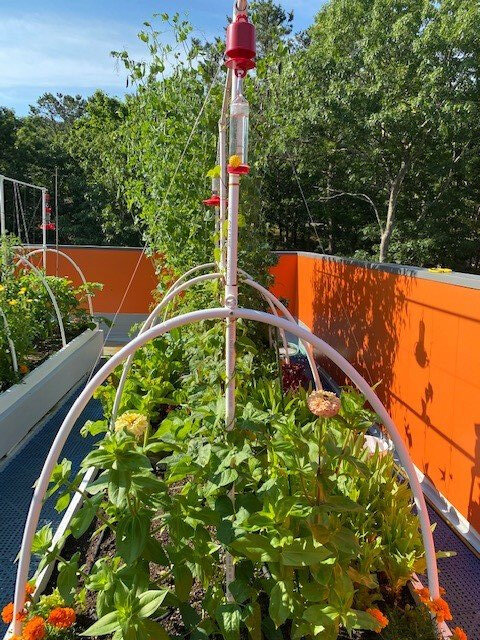
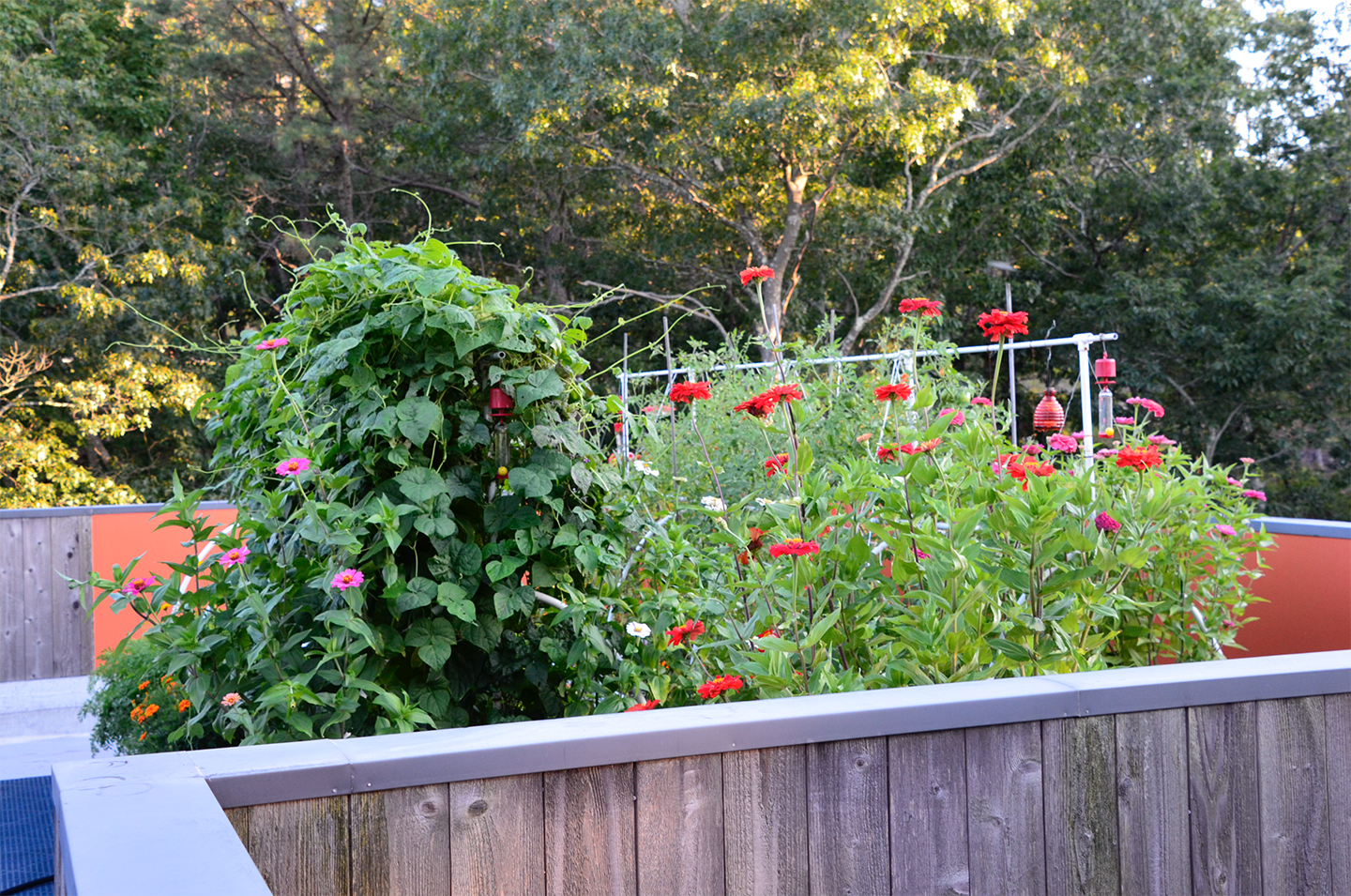
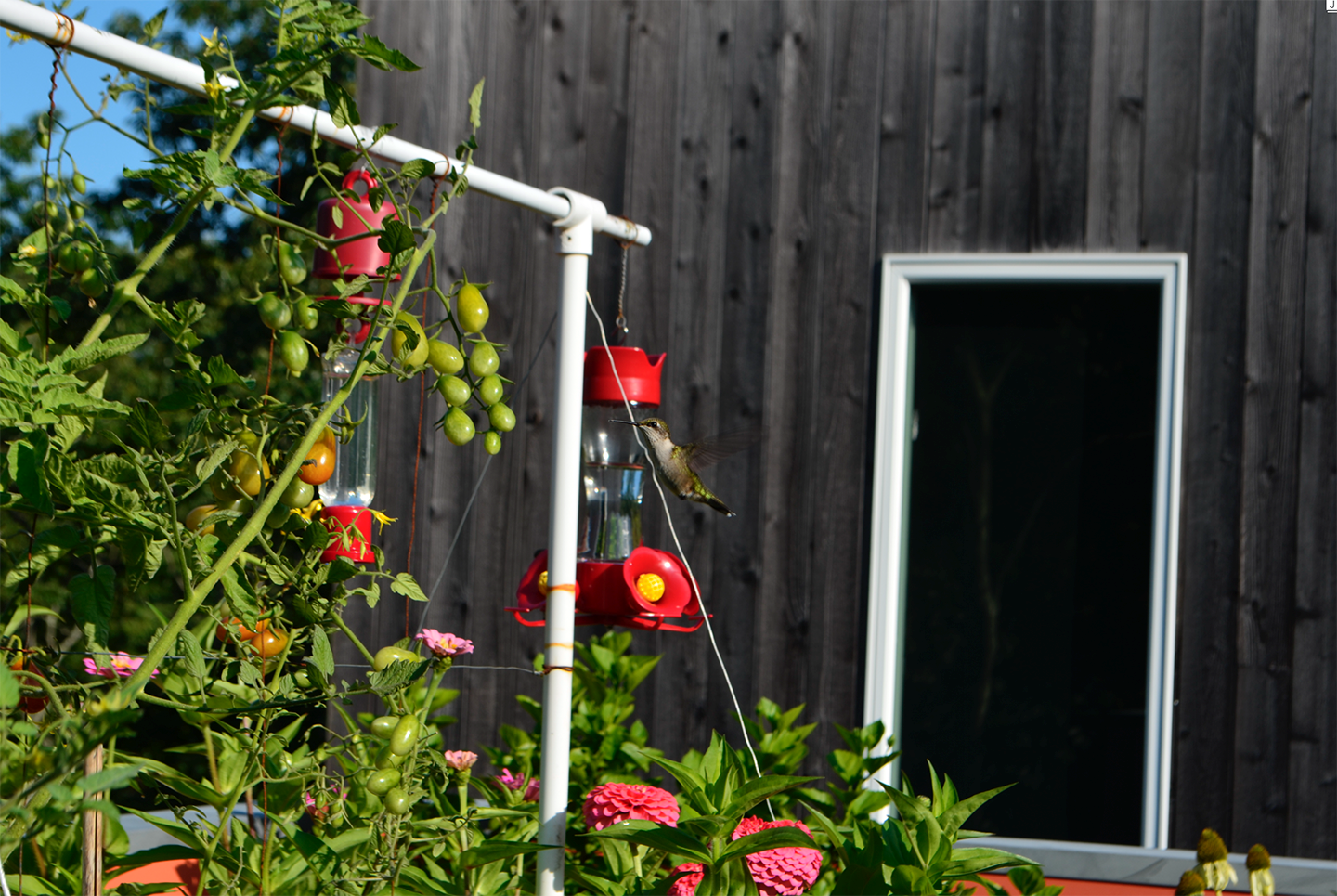
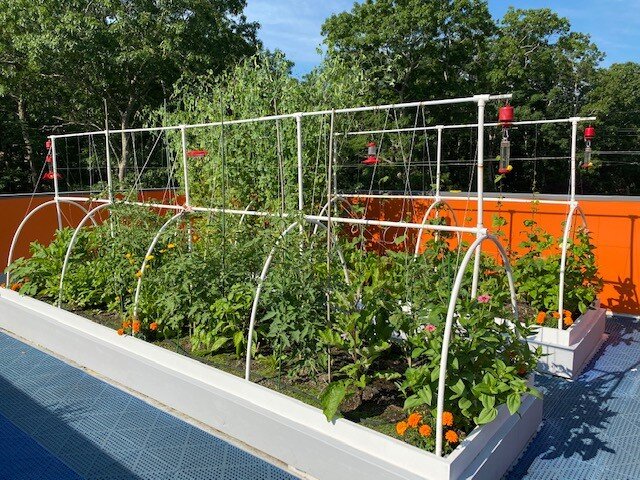
Luciano, who is new to gardening, is in her fifth year of growing. While her property is big enough for an in-ground garden, she is in a rural area with deer—so she decided to create a rooftop garden.
She says that she accepts failure, learns, and tries again.
Tips for other rooftop gardeners? She finds that the rooftop garden is extremely hot, so she creates shade by making plantings that include different plants with different heights.
“Every year I fail at something.”
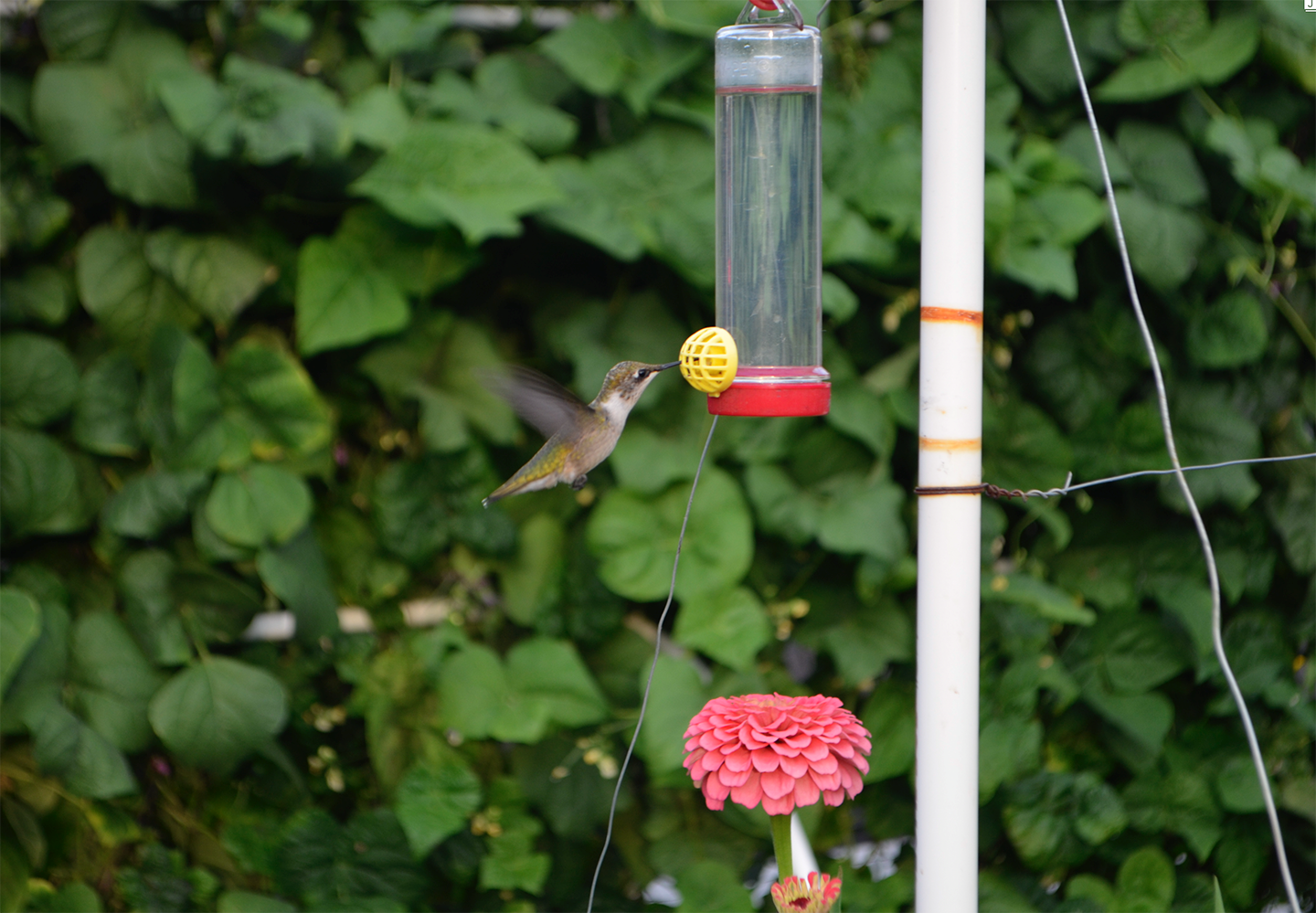
What's New in the Garden, Q+A, Figs

In our mid-July garden check-in, we talk about what’s new in our garden.
Currants
The currant and gooseberry harvest
How to use currants
Did you know that red and black currants are pruned differently?
Rhubarb
Looking for a delicious rhubarb recipe? Emma shares her favourite
Carrots
Sharing our failures…we stressed out one of our carrot patches so badly that the carrot plants went to seed. Oops. Carrots have a 2-year life cycle—when they go to seed in the first year, that’s a sign they could use a bit more TLC
Beefsteak Tomato Harvest
The tomato harvest is coming along nicely, after some worry about blossom end rot
Fig Q+A
Why are my fig leaves drooping?
What’s going on with my fig leaves?
How do I make my fig into a bush?
Building Community with a Brewery Rooftop Garden and CSA

Danette Steele, Farm Manager at Avling Kitchen & Brewery
We chat with Max Meighen, owner of Avling Kitchen & Brewery, and Danette Steele, the Farm Manager for the rooftop garden.
Rooftop Garden
Steele grows a wide variety of crops on the roof., including greens, tomatoes, herbs, flowers for pollinators—and “flavour crops.”
She explains that the flavour crops are used in the brewing process. A recent example is pineapple sage, which was infused in a local honey. That infused honey was then used in brewing.
Steele, who previously farmed in a rural setting in Nova Scotia, say that she is drawn to urban farming.
“Farming is in my blood.”
She explains that there is a strong community connection with the garden.
“I think that’s why it’s a lot of the urban farming that I’ve done has been exciting, because it just engages community.”
Avling Farm Box
Meighen talks about the Avling Farm box, which includes meat and produce. Half of the produce for the boxes comes from the rooftop garden, half from new and small farms in Ontario.
He believes in connecting the community with food producers. Earlier this year he hosted a meet-the-farmer night where customers mingled with farmers supplying Avling Kitchen & Brewery.
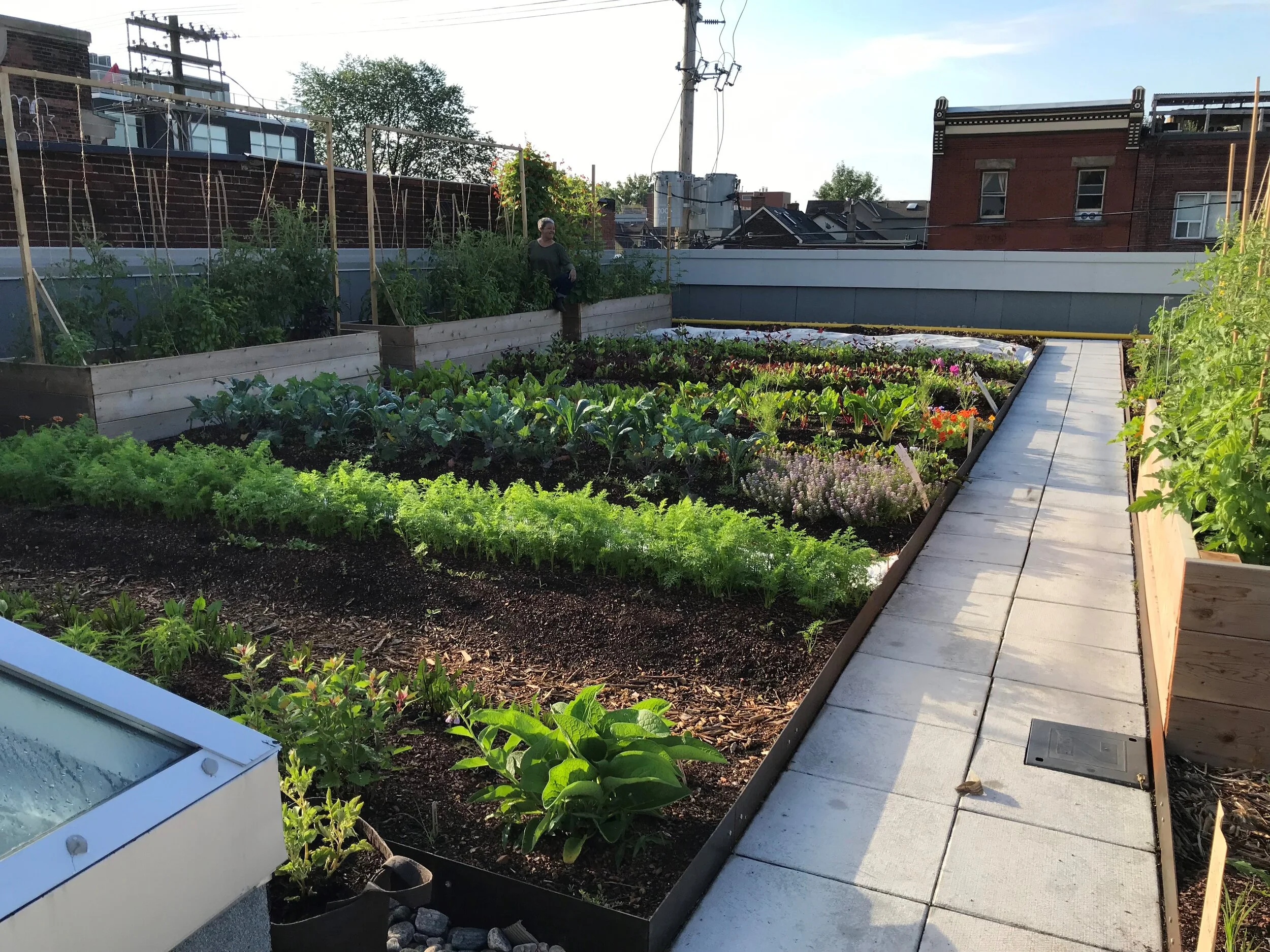
1/4 of the Avling rooftop garden
Blending Art and Garden Activism...and Jersey Tomatoes

Jeff Quattrone talks about seed libraries, the Jersey tomato, and creative ways to share messages about food and gardening.
We chat with Jeff Quattrone about his work bringing seed libraries to New Jersey, plant propaganda (not propagation!), and the Jersey tomato.
Quattrone is an artist, lifelong gardener, and marketing professional.
He founded LIbrary Seed Bank in 2014.
Library Seed Bank
Quattrone talks about his journey into seed saving and helping to set up seed libraries.
“The whole idea that food can go extinct was something that shocked me because I didn’t understand diversity.”
Jersey Tomatoes
He is so passionate about Jersey tomatoes that he has a page devoted to them on his website.
“I think I’ve grown just about every one of them and I love them all!”
Quattrone explains that the traditional Jersey tomato was bred to be a 10-ounce, round, red tomato because of the canning industry in New Jersey.
“Jersey tomatoes, they’re part of our zeitgeist.”
Garden Propaganda
As a marketing professional, he finds that people often have a negative impression of the word propaganda. He looks at the fine line between propaganda and branding—and talks about why he thinks garden propaganda is important.
More on Tomatoes
Tomato and Food-Garden Q+A with Ontario Backyard Plant Growers
Q+A Day
We dig into tomato and food gardening questions from members of the Ontario Backyard Plant Growers group on Facebook.
The Ontario Backyard Plant Growers Facebook Group is a group that shares information about growing plants in Ontario. It's a passionate group with broad knowledge on propagating, growing and harvesting, and tools and amendments.
We Tackle Tomato Questions
Why do some tomato seedlings just stop growing?
If you had to pick three tomato varieties to grow this year, and only three, which would they be? (SPOILER ALERT…Emma picks 5 varieties!)
There are so many methods for staking and propping up tomatoes. Which one works best for you? If you had a small space - room for 6 or 8 indeterminate plants - what system would you use for the most production?
I Love tomatoes - one in particular: The Starfire and cannot find any seeds for it anywhere, anymore - It was not very big but it was Tough - it would give nice, fist-sized (woman fist that is) ... bright red, not too wet fruit I could freeze whole and eat in February in soup and sauce - Loved it! Where is now?
Is it helpful to pinch off some first flowers off tomato plants to promote growth?
How much sun do tomatoes REALLY need.. The minimum I seem to see is six hours direct sunlight but would it be worth it to still plant them if you don't have quite that much sun?
Which tomato varieties yield the most fruit?
Here’s our guide to starting tomato plants from seed.
Choosing Crops
What indoor food plant would you say gives you the biggest bang for the time and effort put in?
What are the best melon varieties for southern Ontario?
What are the best fruit-bearing shrubs for southern Ontario?
What are the first things you plant? What are the last you harvest?
My 3rd year asparagus has turned into 6-foot trees! I was told not to pick any asparagus until the 4th year....help
What plants do you recommend for succession cropping?
Ways Gardeners Share
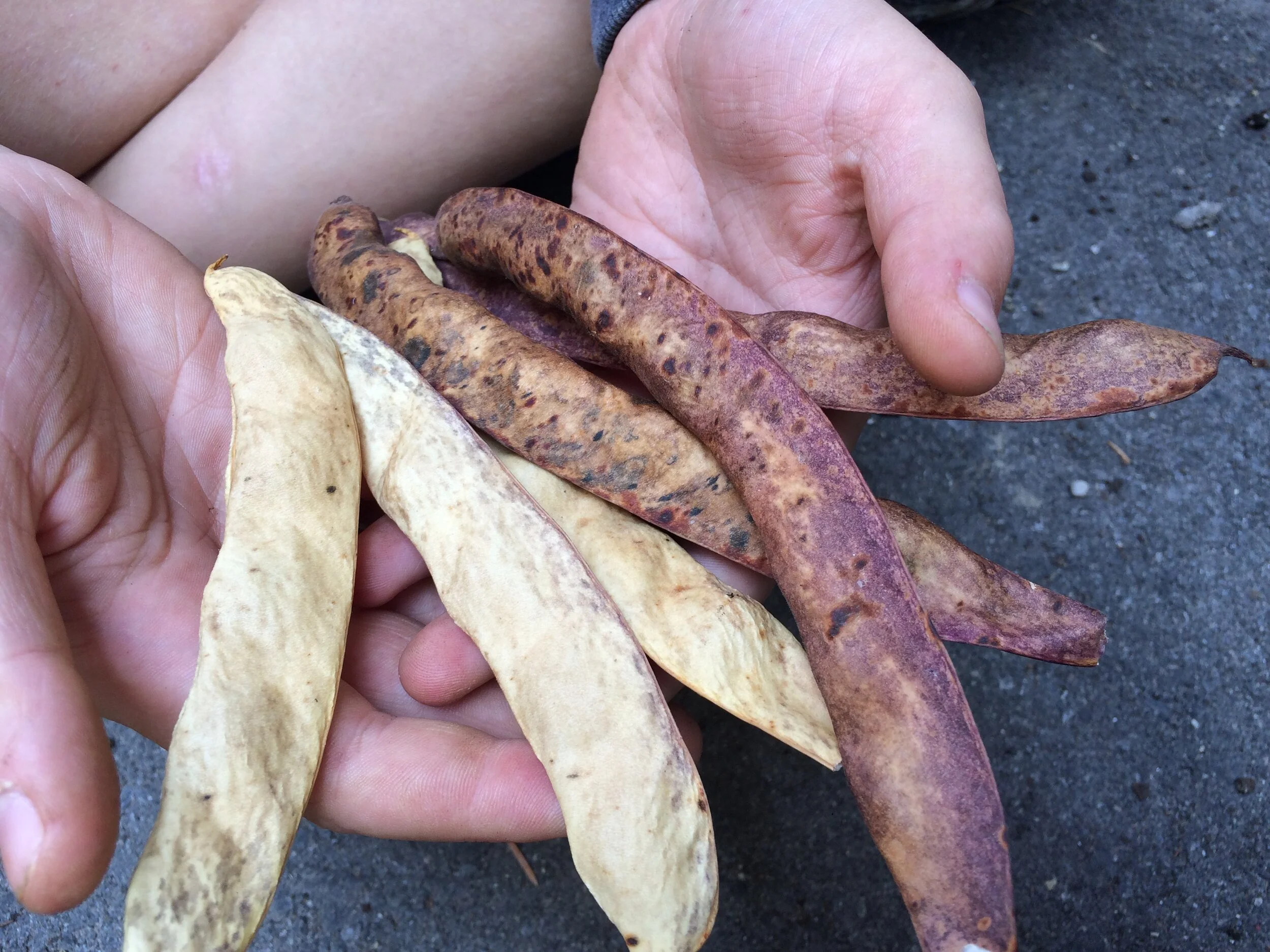
Bean seeds from our neighbour Joe
We’ve been talking a lot about our neighbor Joe over the past couple of days.
Joe and his wife, Maria, are amazing neighbours. They always stop to chat. They share their garden harvest. And they send cookies for the kids.
But the reason we’ve been talking about Joe these past couple of days is that Joe is an amazing gardener. We learn something new every time we drop by to visit. AND Joe shares with all the neighbourhood gardeners.
Bean Walls
There’s very little lawn in Joe and Maria’s back yard. It’s row up on row of tomato plants. (And Joe’s tomato seedlings are always miles ahead of ours in the spring.)
The yard is surrounded by a wall of pole beans. Joe shared his favourite bean seeds with us for our garden.
Steven posted about Joe’s beans the other day on social media as he explored how gardeners share, for an event called Garden Days.
Garden Days
In past years, Garden Days has been a celebration of gardens and gardening—letting people know about public gardens and organizations. There were garden-related events too.
This year, with COVID, the focus of Garden Days is celebrating the joys of gardens and gardening.
Start a Summer Vegetable Garden


not too Late to Grow Vegetables
We chat with Carol Michel and Dee Nash about starting a summer vegetable garden.
Michel and Nash are vegetable gardeners Indiana and Oklahoma who joined forces to produce The Gardenangelists podcast and share their love of gardening.
“I’m in zone 7, and she’s zone 5.”
Michel and Nash talk about how they got into vegetable gardening, and then share their tips for starting a vegetable garden in the summer. It’s not too late!
“It is not too late. There are plenty of vegetables that you can sow seeds for right now.”
Weave Habitat Restoration into Food Gardens

Botanist Ryan Godfrey
Not Mutually Exclusive
Ever wondered if growing food and and growing native plants are mutually exclusive?
Our guest Ryan Godfrey talks about his sixth-floor balcony garden where he weaves together edible and native plants—all in containers.
Habitat-Themed Containers
Godfrey’s balcony container garden includes habitat-themed containers:
Alvar container garden
Riverside container garden
Boulder container garden
Woodland container garden
Edible plants include woodland strawberries, Jerusalem artichoke, sweet grass, and Virginia mountain mint.
Godfrey also has an allotment garden plot where he grows both food and native plants. He says that his plot draws a lot of pollinators.
It Started with Acorns
In a journey that started with vacuuming acorns as a child, Ryan went on to study biology and evolutionary biology. He says this makes him a “plant nerd,” a gardener who learned about plants outside of a garden context. It colours his approach to gardening.
“Failure is a huge part of gardening. I encourage folks to document and learn from your failures.” Ryan Godfrey
Godfrey currently works with World Wildlife Fund Canada on a project called In The Zone, an initiative to build Carolinean habitat in Canada.
Grow a Food Garden You Love

Emily Murphy, Author of Grow What You Love
Emily Murphy finds daily inspiration in her garden in Northern California. She describes her passion for gardening as, “A love affair.”
Early Start
Emily got an early start in gardening. “If you were around in the 70’s, I was the kid down the road whose family was growing potatoes in her front yard instead of a lawn,” she says.
Teaching Gardening
Emily is a garden designer, educator, and author who weaves together her studies in botany, ethnobotany, environmental science, and ecology.
In her teaching she brings together gardening and living.
“Our gardens are one of our most immediate touch points with nature.”

Grow What You Love, by Emily Murphy
Emily is the author of the book Grow What You Love, 12 Food Plant Families to Change Your Life, an inspiring guide to planning, making, and growing a garden.
An Urban Hot Pepper Container Garden
We chat with pepper expert Claus Nader, owner of East York Chile Peppers in Toronto, Ontario.

Claus Nader, East York Chile Peppers
Claus tells us about his urban hot-pepper container garden.
He grows specialty peppers, saves seeds, and makes hot sauces, pickled peppers, jams, salsas, and dehydrated peppers.
Claus shares his approach to making hot pepper sauce: he thinks hot and sweet go well together.
“It’s a really nice community, and we inspire each other, which is great.”
Gardening Your Front Yard

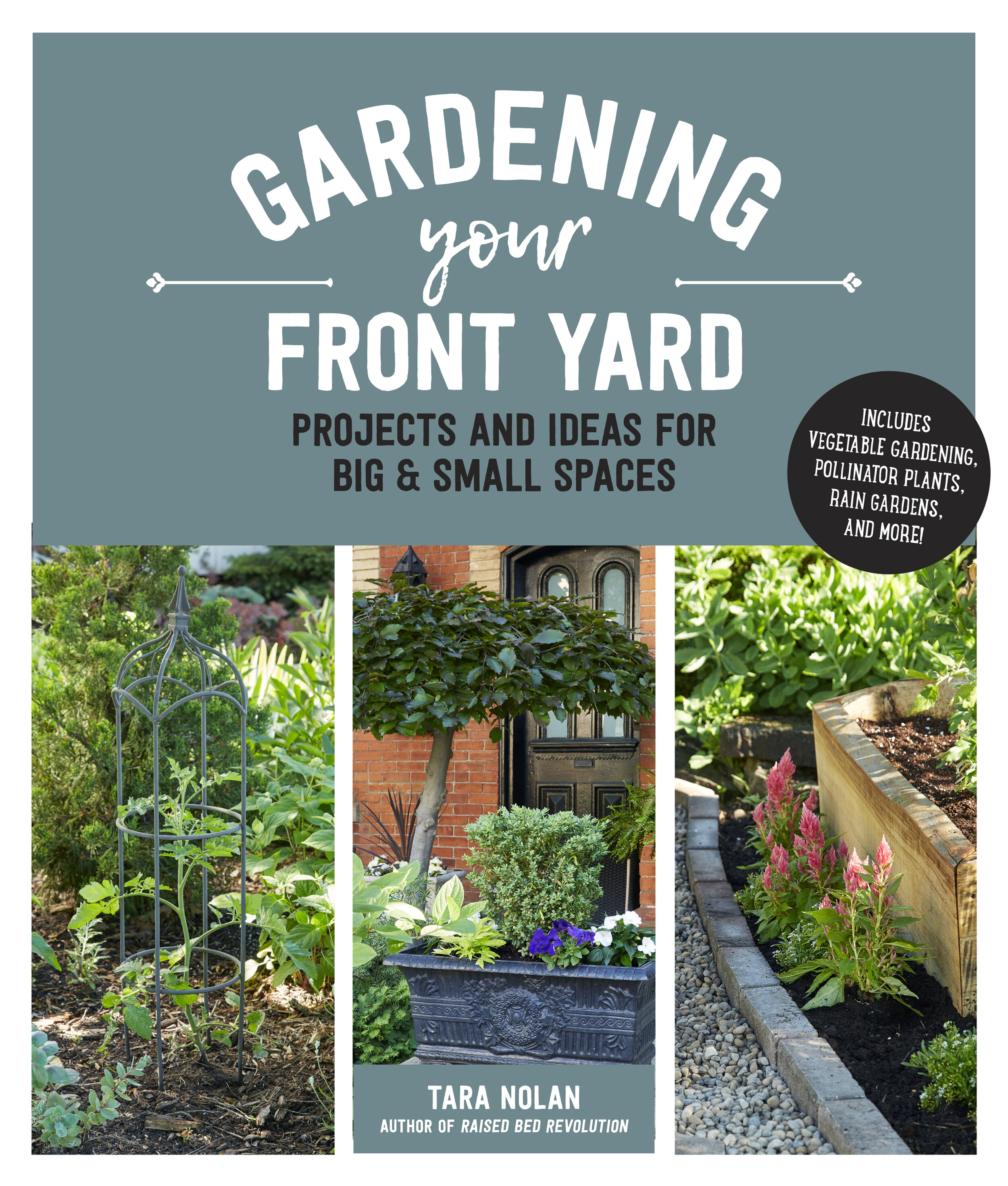
Tara Nolan, Author of Gardening Your Front Yard: Projects and Ideas for Big and Small Spaces.
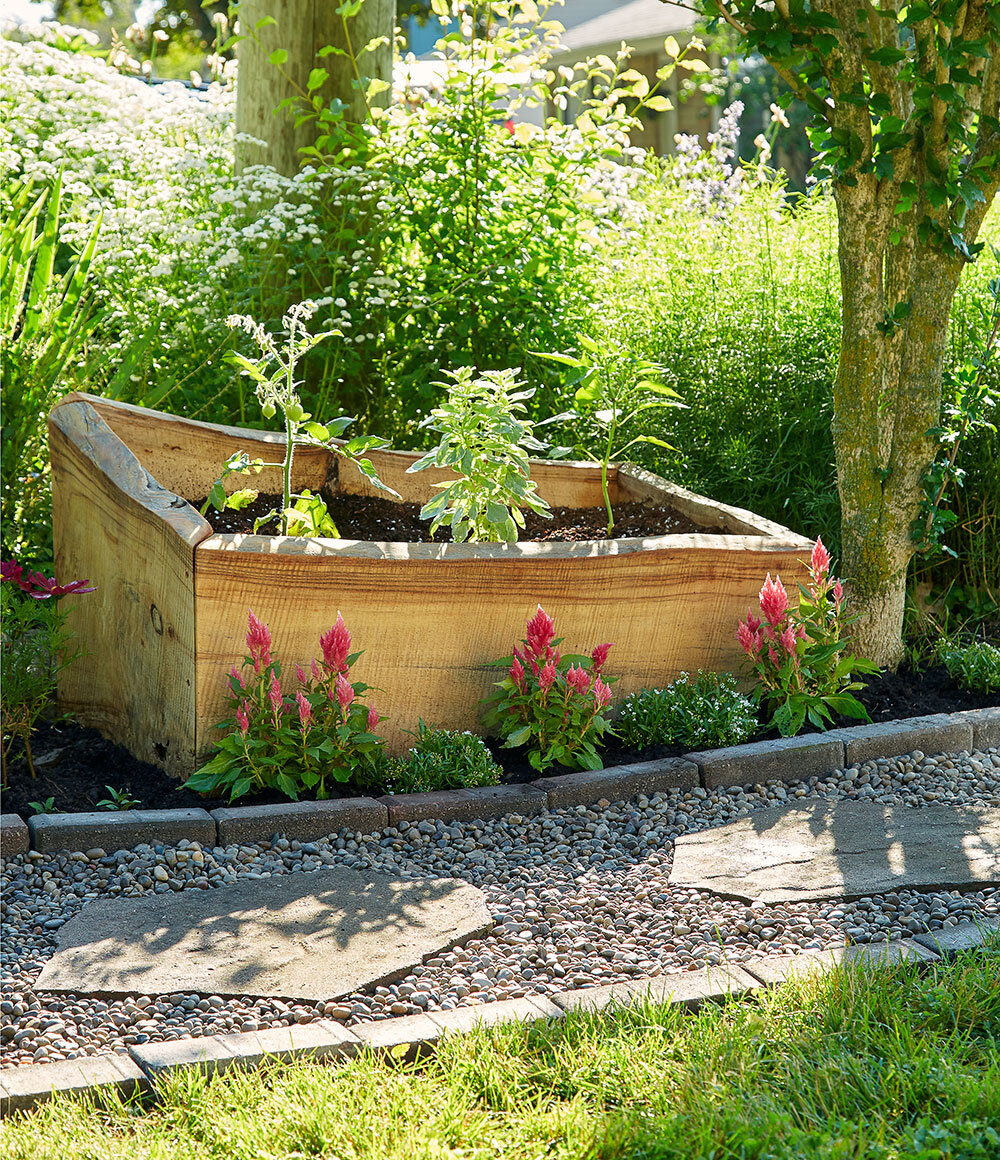
Author and gardening expert Tara Nolan joins us to talk about front yard gardens and share ideas from her new book, Gardening Your Front Yard: Projects and Ideas for Big and Small Spaces.
Front yard veggie gardens
Rain and pollinator gardens
Salad side table
Tips for making a new garden
Her front-yard pollinator palace


Tom Ashley and Trish Crapo of Dancing Bear Farm
Tomato-Talk Segment
Emma chats with Trish Crapo and Tom Ashely at Dancing Bear Farm in MA.
Trish and Tom joined us on the show in April 2019 to talk about figs…but they are tomato-crazy too!
Biggs-on-Figs Segment
Steven chates with Bill Lauris from Off the Beaten Path Nursery in Lancaster, Pennsylvania.
Bill is a chemistry teacher by day who spends his spare time educating people and challenging them to grow unusual fruit.
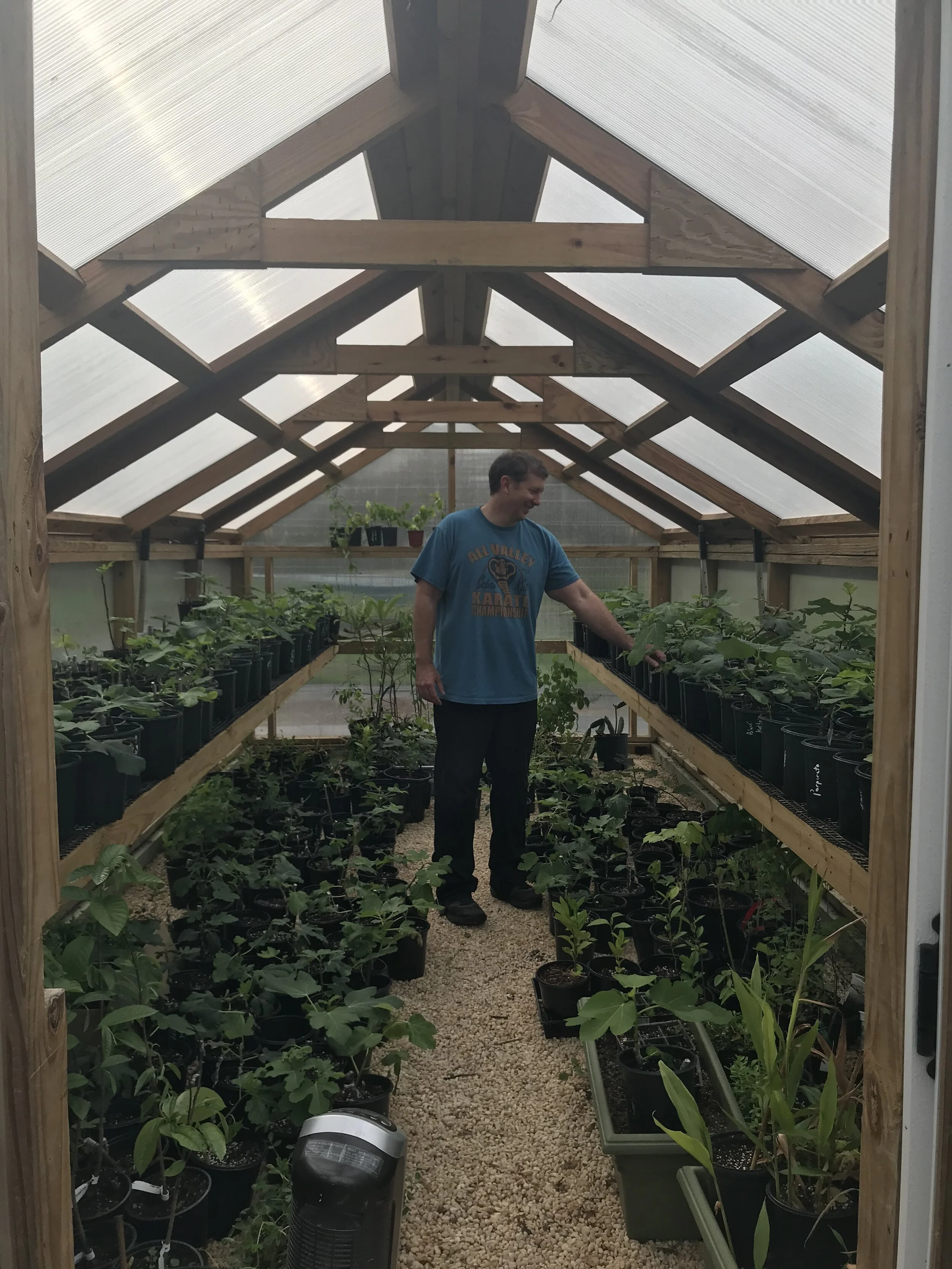
Bill Lauris of Off the Beaten Path Nursery
Urban Farming, Liberating Lawns, Building Community

Cheyenne Sundance at her farm, Sundance Harvest
Cheyenne Sundance talks about how she started her urban farm, Sundance Harvest, when she didn’t see urban farms representing the diversity she felt they should.
A believer that independence is growing food, Cheyenne teaches and mentors youth, sharing her passion for growing food.
Liberating Lawns
An initiative that she started in the spring of 2020 is Liberating Lawns, a neighbourhood-centric, yard-sharing program she hopes will help people reconnect with land and food.
Grow Food Toronto Facebook Group
Cheyenne helps to run a new Facebook group called Grow Food Toronto, which focuses on growing food and food security.
Create a “Food Street” with Food Up Front

Kassie Miedema and Mark Stewart
Mark Stewart and Kassie Miedema join us to talk about a grassroots program encouraging people to grow food in front yards.
The idea is to produce more food locally—and to connect people around food.
Participants in the program can also put up a sign in the garden to raise awareness of the idea—and to stir up conversation.
What does success look like? A food street, with many neighbours growing up front.
Food Up Front is an initiative of Transition Toronto, a chapter of a global movement for change.
“The goal being to create a food street.”
Mark Stewart

Hi, We’re Steve and Emma!
We help people grow food on balconies, in backyards, and beyond—whether it’s edible landscaping, a vegetable garden, container gardens, or a home orchard.