Never Enough Ripe Figs? Hear About These Fig Varieties
Breba Figs for Cool-Summer Climates
What do you grow when winter isn’t the biggest problem—but summer is?
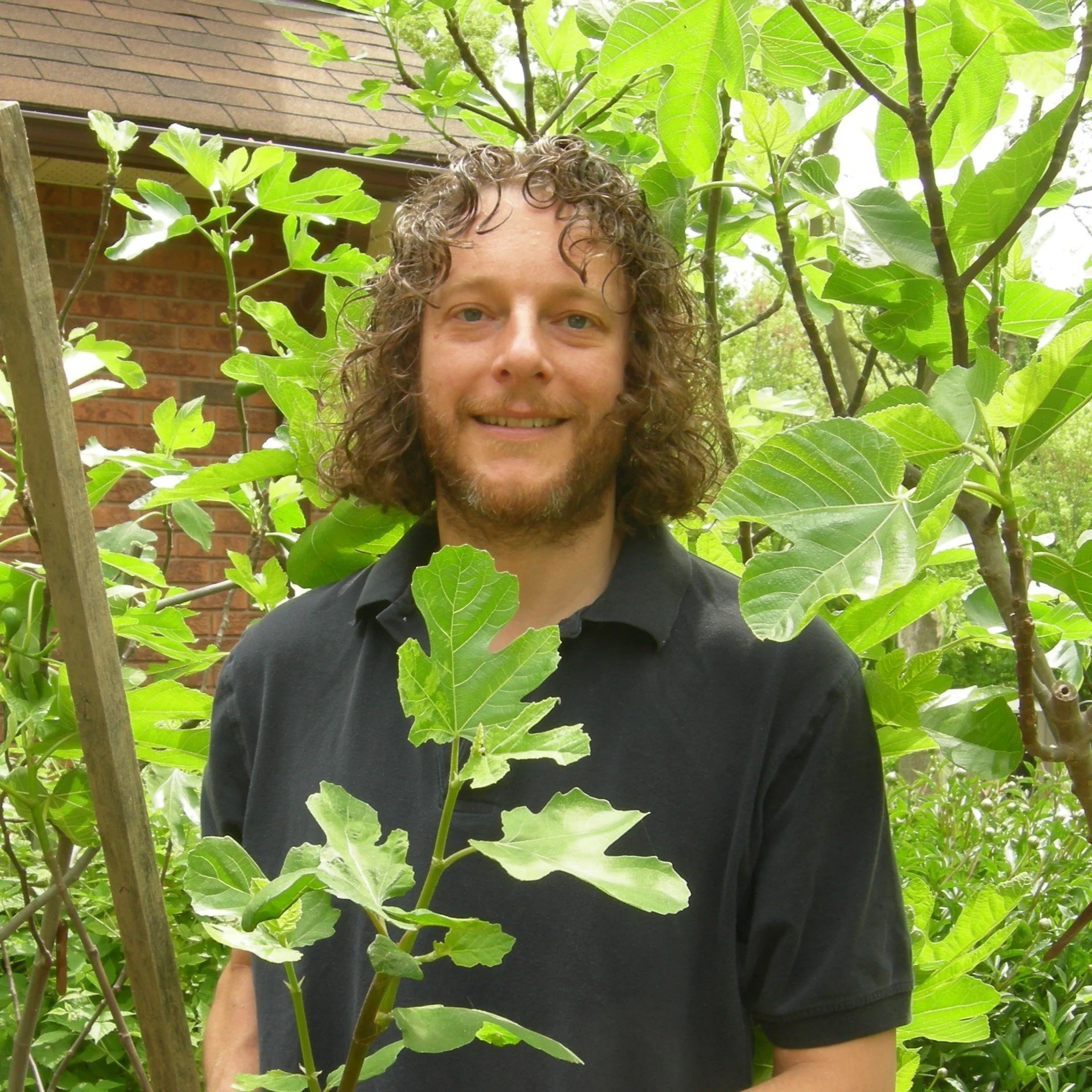
In this episode, I speak with fig grower Bob Duncan of Fruit Trees and More on Vancouver Island. Bob and his wife, Verna, operated an experimental orchard and nursery where they tested fruit crops not usually associated with Canada.
The winters are mild enough for many Mediterranean plants. The greater challenge is a cool summer that doesn’t always provide enough heat to ripen main-crop figs.
That’s why Bob focused much of his fig trialling on varieties with a large breba crop. Breba figs form on the previous year’s growth and ripen earlier than the main crop—often in July and August in Bob’s climate.
After testing more than 200 fig varieties, Bob shared two that showed particular promise: San Antonio and Gentile Bianca.
San Antonio produces a heavy breba crop and has an exceptionally early main crop that ripened well for Bob. Gentile Bianca produces large, honey-flavoured breba figs clustered near the ends of the branches.
We also talk about other promising breba varieties, removing unripened figs in the fall, using unheated structures to add summer heat, and what Bob learned from training figs as Japanese-style cordons.
In This Episode
Why cool summers can be more limiting than cold winters
The difference between breba figs and main-crop figs
Why Bob focused on varieties with heavy breba production
What Bob learned from trialling more than 200 fig varieties
San Antonio: heavy breba production and an unusually early main crop
Gentile Bianca: large, honey-flavoured breba figs with a tight eye
How breba and main-crop figs can look different on the same tree
Open and closed fig eyes—and why that matters in wet weather
Removing unripened figs that could develop botrytis
Extending the fresh-fig season with early and late breba varieties
Using open-sided greenhouses and high tunnels to provide more summer heat
Why vigorous cordon growth didn’t give Bob the main crop he expected
Choosing fig-growing methods that suit your climate
Two Promising Fig Varieties
San Antonio
San Antonio is a Spanish common fig, meaning it can produce both crops without pollination by the fig wasp.
Bob found that it produces five to eight breba figs along many branches. It also had the earliest breba crop in his collection—and an early main crop that could ripen in September.
The fruit has a honeyed flavour and can begin to dry on the tree. It has a somewhat open eye, so wet conditions can increase the chance of souring.
Gentile Bianca
Gentile Bianca is a San Pedro-type fig. Its large breba crop develops without pollination, but its main crop drops in Bob’s climate without the fig wasp.
The breba figs are large—often 90 to 100 grams—with greenish-yellow skin and amber flesh. Unlike San Antonio, the breba figs tend to form in clusters near the tips of the previous year’s growth.
Bob described Gentile Bianca as a fleshy, honey-flavoured fig with a tight eye.
See Bob’s video about these varieties.
About Bob Duncan
The late Bob Duncan and his wife, Verna, created Fruit Trees and More, an experimental orchard and nursery near Victoria, British Columbia.
Together, they explored how far gardeners could push the boundaries of their climate, growing figs, citrus, olives, pomegranates, loquats, and other unexpected fruit crops with little or no added heat.
Bob generously shared what he learned through talks, interviews and videos. His work showed that “cold climate” doesn’t describe just one set of growing conditions. Sometimes winter cold is the main obstacle. Sometimes it’s a short season or insufficient summer heat.
Keep Exploring Fig Varieties
Find more promising fig varieties for short seasons and cool summers in the cold-climate fig variety guide.
Learn how to match fig-growing methods to your climate and situation in our fig classes.